
BAFTA TV Awards 2026 Predictions: Adolescence, A Thousand Blows and the Races Still Open
Why these BAFTA TV Awards 2026 predictions are tighter than the headlines suggest
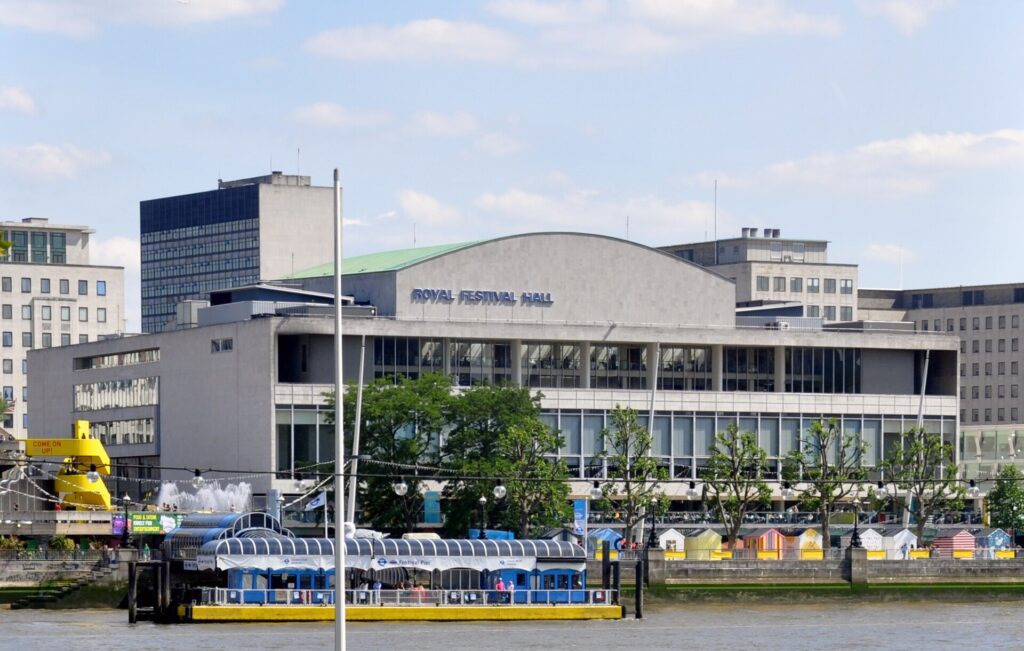
On paper, the BAFTA TV Awards 2026 predictions look simple. Adolescence led the nominations tally with 11 nods across the TV and Craft ceremonies, A Thousand Blows took seven, and the broadsheets have already crowned them. In practice, the scripted categories are more open than that maths implies. Netflix’s Adolescence is running in Limited Drama rather than Best Drama Series, which splits the heavy hitters across different rooms. Several races have no clear favourite once you strip away the volume of mentions. With the ceremony set for Sunday 10 May at the Royal Festival Hall, and Greg Davies taking over the host’s microphone, here is a category-by-category read on where the wind is actually blowing.
In This Article
- Why these BAFTA TV Awards 2026 predictions are tighter than the headlines suggest
- Best Drama Series: A Thousand Blows starts as favourite
- Leading Actor: Stephen Graham has momentum, but watch Colin Firth
- Leading Actress: An open field with no obvious frontrunner
- Limited Drama: Adolescence should walk it
- Scripted Comedy: Amandaland and the middle-aged sitcom
- Entertainment and Reality: the Ant and Dec succession race
- What to actually watch before 10 May
- When and where to watch the BAFTA TV Awards 2026
Best Drama Series: A Thousand Blows starts as favourite
The Best Drama Series nominees are A Thousand Blows, Blue Lights, Code of Silence and This City Is Ours. Steven Knight’s Victorian boxing saga A Thousand Blows is the runaway favourite on nominations volume, and BAFTA voters tend to reward period craft. It also has the most obvious calling card: a Stephen Graham-adjacent cast, big-budget world-building and a second run already in production for Disney+.
Blue Lights is the sentimental pick. Two strong series in, the Belfast police drama has the loyal audience and the critical respect that often tips a three-way race, and Sian Brooke’s Leading Actress nomination signals the academy is paying attention. Code of Silence, ITV’s Rose Ayling-Ellis-led thriller, has the buzz of a breakout but not the pedigree to beat the Knight machine. This City Is Ours, James Nelson-Joyce’s Liverpool gangland slow-burn, is the dark horse. If the voting body reacts against prestige, this is where the votes land. Prediction: A Thousand Blows, with Blue Lights close enough to spoil.
Leading Actor: Stephen Graham has momentum, but watch Colin Firth
The Leading Actor shortlist is Colin Firth for Lockerbie: A Search for Truth, Ellis Howard for What It Feels Like for a Girl, James Nelson-Joyce for This City Is Ours, Matt Smith for The Death of Bunny Munro, Stephen Graham for Adolescence and Taron Egerton for Smoke.
Graham is the bookies’ favourite and deservedly so. His one-take, unsentimental performance as the father in Adolescence is the kind of turn that collects trophies, and co-writing the show doubles the narrative. But BAFTA has form for rewarding an elder statesman with the right project, and Firth’s grounded Jim Swire in Lockerbie is exactly that. Ellis Howard is the risk, a category debut in a category-breaking role, and academies have a history of surprising themselves with the newcomer slot. Prediction: Graham wins, but do not rule out a Firth upset if the voters feel the Netflix show is already being rewarded elsewhere.
Leading Actress: An open field with no obvious frontrunner
This is the category to watch. The nominees are Aimee Lou Wood for Film Club, Erin Doherty for A Thousand Blows, Jodie Whittaker for Toxic Town, Narges Rashidi for Prisoner 951, Sheridan Smith for I Fought the Law and Sian Brooke for Blue Lights. There is no clear frontrunner and that tends to produce results that surprise.
Jodie Whittaker’s turn in Toxic Town, as a Corby mother fighting a decades-long contamination case, is the kind of real-world drama BAFTA historically rewards. Sheridan Smith, playing a woman wrongfully convicted in I Fought the Law, is BAFTA royalty and has the true-story tailwind. Erin Doherty is a double nominee this year, and splitting her own vote with her Supporting nod for Adolescence may cost her the top prize. Aimee Lou Wood is the sentimental choice after a breakout couple of years. Prediction: Whittaker, by a nose, in the kind of outcome the room will cheer loudest.
Limited Drama: Adolescence should walk it
The Limited Drama category is where Adolescence cashes in. It is up against Disney+’s I Fought the Law, Channel 4’s Trespasses and BBC Three’s What It Feels Like for a Girl. None of those are weak entries, and Trespasses in particular has the reviews to be a genuine threat, but the cultural weight of Adolescence is on a different scale. Stephen Graham and Jack Thorne’s four-part study of a teenage boy, a family and the manosphere has had parliamentary airtime and a place on the school-safeguarding agenda. BAFTA rarely misses a moment that large. Prediction: Adolescence without needing the second round.
Scripted Comedy: Amandaland and the middle-aged sitcom
The Scripted Comedy shortlist is Amandaland, Big Boys, How Are You? It’s Alan and Things You Should Have Done. Big Boys, Jack Rooke’s Channel 4 university comedy, finished its third and final series on a high and has two previous BAFTA wins in acting and in the comedy categories. That makes it the emotional vote.
Amandaland is the commercial momentum. The Motherland spin-off, produced by Sharon Horgan’s Merman, has made Lucy Punch a legitimate awards contender and given Jennifer Saunders her best return to television in years. How Are You? It’s Alan is the Alan Partridge wildcard, the long-running Steve Coogan character now older and sadder in a mockumentary set on a local radio station. Prediction: Big Boys takes the final-season tribute, with Amandaland the most likely spoiler. The way British TV drama is getting shorter applies here too; most of these series come in at six episodes or fewer, which says something about the scripted comedy market we touched on in our piece on why British TV drama keeps getting shorter.
Entertainment and Reality: the Ant and Dec succession race
With Ant & Dec’s Saturday Night Takeaway retired and the pair stepping back from the weekly entertainment-show grind, this category has been the most interesting to watch for three years running. The 2026 nominees include The Graham Norton Show, The Traitors, Strictly Come Dancing and Taskmaster. The Traitors, hosted by Claudia Winkleman, is the form team. It won Reality in 2024 and 2025, and the third series pulled in the highest audience figures yet. Any other outcome would count as an upset. Prediction: Winkleman again, with Taskmaster a more credible threat than last year thanks to a standout series.
What to actually watch before 10 May
If you are catching up rather than just following the race, the short list is short. Adolescence is the ticket item; A Thousand Blows is the set-piece; Toxic Town is the one you will regret not having seen when the results drop. Blue Lights series two is on iPlayer and works as a complete story even if you missed the first run. Trespasses on Channel 4 is the quiet 90 minutes of prestige that will hold up best after the ceremony, and we covered the wider prestige shift in our best BBC iPlayer dramas 2026 round-up. If you want more background on the overall state of British non-fiction, our feature on the quiet golden age of British documentary puts the year in context.
When and where to watch the BAFTA TV Awards 2026
The ceremony is live on BBC One and BBC iPlayer on Sunday 10 May from the Royal Festival Hall at Southbank Centre, with Greg Davies hosting for the first time. The official BAFTA site carries the full nominations list, and Radio Times typically runs a live text running order if you want to follow category by category on a second screen. The ceremony sits between the BAFTA Film Awards in February and the TV Craft Awards earlier the same weekend, which matters because Craft results often indicate where drama and limited drama are heading.
The weirder takeaway, and the one most worth watching the night for, is the sense that British TV is quietly rebuilding. The nominations are heavier on public-interest drama, working-class stories and regional production bases than any year in the past decade. That is not a marketing line. It is what the shortlists actually look like.
Which one of the BAFTA TV Awards 2026 predictions above do you think is least likely to hold – and who is the show the academy has missed?
For the cinema side of the 2026 awards conversation, our preview of The Mummy 2026 covers UK release date, cast and what to expect from the reboot.
Beyond the awards: for the fashion-as-spectacle end of the cultural calendar, read our Met Gala 2026 viewer’s guide, and for a streaming drama tip see our Fallen ITVX review.


Adolescence is the obvious one but I would be very surprised if A Thousand Blows does not sneak something in the writing categories. The bit I am less sure on is the limited drama race – feels too close to call between three of them. Anyone else think Mr Bates is being underestimated this year?