
Wild Garlic Recipes: Easy UK Weeknight Dinners for a Short Spring Season
Wild garlic is one of those ingredients that sneaks up on you. One minute the woods smell faintly of leaf mould, the next they’re saturated with the scent of crushed alliums underfoot. Good wild garlic recipes lean into that urgency: for UK cooks, the short window from March to May is the only real chance each year to work with a free, local ingredient that tastes somewhere between young garlic, chives and a very polite onion. If you’ve been meaning to try it but felt put off by the foraging lore, this is a practical guide to using wild garlic in weeknight cooking without the fuss. No sourdough starter required.
In This Article
When is wild garlic in season in the UK?
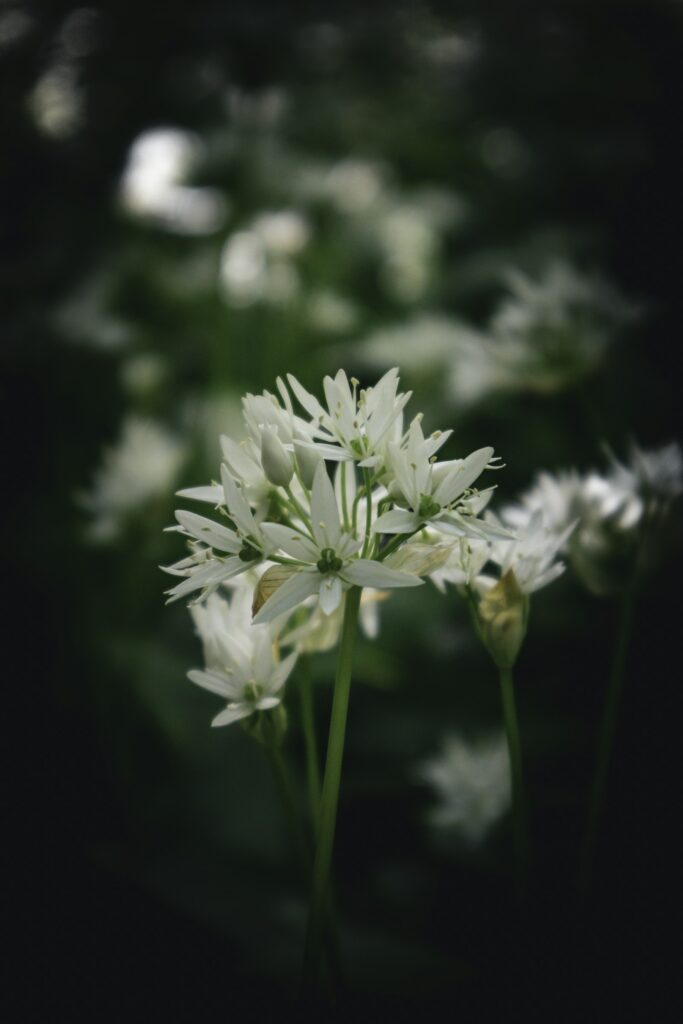
The short answer: March to late May in most of the UK, with the leaves at their peak in early April and the white star-shaped flowers arriving from mid to late April onwards. By June the plant has set seed and the leaves go coarse and yellowish. If you’re reading this in mid-April, the window is open and the clock is ticking.
Wild garlic (Allium ursinum) thrives in damp, shady woodland. Oak, beech and ash woods are classic spots, especially along streams and on north-facing slopes. A good patch looks like a green carpet from a few metres away, and you’ll usually smell it before you see it. Southern England tends to peak a week or two ahead of Scotland and the north, so patches at altitude can still be useful in early May.
How to identify wild garlic safely
This is where new foragers get nervous, and fairly so. The plant most often confused with wild garlic is lords-and-ladies, also called cuckoo-pint, which is toxic. Lily of the valley, also poisonous, can grow in similar spots.
The most reliable test is the smell. Crush a single leaf between your fingers and give it a sniff. Wild garlic is unmistakable: sharp, garlicky, almost onion-like. Lords-and-ladies and lily of the valley are odourless or grassy. If you can’t smell garlic, don’t eat it.
A few visual cues help too. Wild garlic leaves grow singly from the ground, each on its own stem, and they are soft and pointed with parallel veins. Lords-and-ladies has a single arrow-shaped leaf with prominent veining that branches out. The Woodland Trust has side-by-side photographs worth bookmarking before your first trip out.
Wild garlic pesto in ten minutes
This is the gateway recipe, and the one I make most often. Wash a large handful of leaves, pat them dry, and blitz with 50g of roasted almonds or hazelnuts (cheaper than pine nuts and, in my view, slightly better here), 40g of finely grated hard cheese (parmesan or a vegetarian alternative), a pinch of salt and enough olive oil to loosen it. A squeeze of lemon stops the colour turning grey. Taste before adding more cheese or salt – the leaves carry plenty of punch on their own.
It keeps in a sealed jar in the fridge for a week, or freeze in ice-cube trays for longer. A cube stirred into a bowl of pasta at the end of a slow Wednesday is one of the small luxuries of spring. For a dairy-free version, our vegan pesto recipe adapts easily – swap the leaves and reduce the lemon slightly.
Five wild garlic recipes for busy weeknights
If you’ve got twenty minutes and a small bag of leaves, these are worth your time.
1. Wild garlic omelette. Whisk three eggs with salt, pepper and a handful of shredded wild garlic leaves. Cook in a hot buttered pan for two minutes. Fold. Eat with toast and, if that’s your thing, brown sauce.
2. Wild garlic and new potato frittata. Boil a few Jersey Royals until just tender, slice, and layer into a frying pan with softened leeks. Pour over beaten eggs spiked with chopped wild garlic, then finish under the grill. Serves four with a green salad.
3. Wild garlic mashed potato. Stir a tablespoon of pesto or a few shredded leaves through hot mash at the last moment. Perfect with sausages, pork chops or, for a vegetarian take, a simple lentil stew.
4. Wild garlic pasta. Cook spaghetti or linguine as normal, reserve a cup of cooking water, then toss with butter, lemon zest, grated parmesan and a large handful of chopped leaves. Add the cooking water a splash at a time to loosen. Black pepper, done.
5. Wild garlic soup. Sweat a chopped onion in butter, add a diced medium potato and a bay leaf, pour over 500ml of vegetable stock and simmer until the potato collapses. Stir in 60g of wild garlic leaves, blitz, season, and finish with yoghurt or cream. Ready in 25 minutes.
None of these require a restaurant pantry. Most of what you need is already in a half-stocked UK kitchen.
Storing, freezing and preserving
Wild garlic wilts quickly once picked, another of its less convenient habits. Treat it like basil. Wrap unwashed leaves loosely in a damp tea towel or paper towel and store in the fridge, where they’ll hold for three or four days at best.
For longer storage, freezing works well. Blitz leaves with a little oil into a loose purée and freeze in ice-cube trays, then decant into a freezer bag. Each cube is enough to flavour a pasta for one. You can also freeze whole leaves, but they’ll be limp when thawed and are best reserved for cooked dishes.
If you’ve ended up with a glut, wild garlic salt is worth the twenty minutes. Food processor: three parts flaky salt to one part leaves, pulsed until damp and green, then dried on a baking tray in a very low oven. It keeps for months and makes a passable gift when you’ve run out of ideas.
Can you buy wild garlic in UK supermarkets?
Not easily, and that’s part of its appeal. A few independent greengrocers and farm shops stock it in April and May, and London-centric delivery services like Natoora occasionally carry it by the bunch. Waitrose had a short trial in 2024 but the price was eye-watering. For most of us, foraging or a friendly neighbour’s garden is still the main way in.
If you want the flavour without the walk, jarred wild garlic pesto from British producers like Hawkshead Relish sells in independent delis and some Booths stores. It’s not quite the same as fresh, but it beats missing the season entirely.
For more seasonal produce worth cooking with now, our guide to British asparagus recipes covers the next stage of the UK spring calendar. And if you’re restocking midweek basics, the easy cabbage dinner recipes are a sound fallback for weeks when the forecast rules out a walk.
A note on foraging responsibly
This bit matters. The Theft Act 1968 permits picking leaves, flowers, fruit and fungi from wild plants for personal use, but not uprooting them or foraging commercially without permission. National Trust and other protected sites often have their own rules, and some ban picking entirely – look for signage or check the site beforehand.
Take only what you’ll use. A handful is usually plenty; a carrier bag stripped from one patch is not. Rotate locations and leave the flowers for the bees. The BBC Good Food guide to wild garlic has a sensible overview if you want a second opinion before your first trip.
Wild garlic rewards cooks who treat it lightly. A small bag, a hot pan, a bowl of pasta – that’s the whole trick. Six weeks from now the leaves will be tough and the moment will have passed, so if you’ve been putting it off, this is the week to go.
Have you found a good wild garlic patch near you, or is there a recipe you turn to every April that I’d add to this list?





This is such a welcome kick up the backside – every April I tell myself I’ll actually try wild garlic and every June I realise I’ve missed the window again. The pesto route is my gateway but the pasta idea with just butter, lemon and parmesan sounds genuinely doable on a Tuesday night. Anyone know a decent foraging spot in the South Downs that isn’t already picked bare by dog walkers by mid-April?
South Downs is a tough one because the dog walker traffic is brutal now. Try the Meon Valley and the slopes around Butser Hill – much less foot traffic and plenty of wild garlic patches once you get off the main paths. If you’re ever up near Petworth the woods past Upperton are still fairly quiet. Agree on the butter-lemon-parmesan pasta, it’s the one that converts sceptics.
Pingback: Easy Traybake Dinners for UK Weeknights: One-Tin Meals for Spring 2026 - Lifestyle Reviewer
Pingback: The Kitchen Trends Reshaping British Homes This Spring - Lifestyle Reviewer
Pingback: Slow Cooker Spring Recipes UK: Weeknight Dinners That Mostly Cook Themselves - Lifestyle Reviewer
Pingback: 7 Jersey Royals Recipes: Easy UK Weeknight Dinners for Spring 2026 | Lifestyle Reviewer