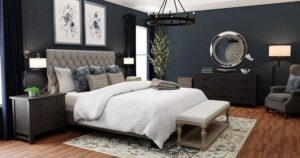

Interior Design Trends 2026: The Styles Transforming UK Homes
Table of Contents
Interior Design Trends 2026: What Is Shaping UK Homes
Interior design trends 2026 are quietly reshaping UK homes – and after a year of stubborn cost-of-living squeeze, the new look is warmer, more personal, and a long way from the cool greige Pinterest blueprint everyone was copying in 2024.
In This Article
- Table of Contents
- Interior Design Trends 2026: What Is Shaping UK Homes
- Warm Minimalism Takes Over
- Interior Design Trends 2026: Sustainable Materials
- Bold Curves and Soft Shapes
- Textured Walls and Statement Surfaces
- Bringing the Outdoors In
- Frequently Asked Questions
- What colours are trending in interior design for 2026?
- Is minimalism still in style for 2026?
- How can I update my home on a budget?
Whether you are renovating a room or just refreshing the bits that annoy you most, these interior design trends 2026 work across a Victorian terrace, a 1930s semi, and a new-build flat alike. The common thread is honesty: real materials, fewer bought-just-in-case bits, and a colour palette that flatters British light.
Warm Minimalism Takes Over
The cold, all-white interiors of recent years are giving way to warmer tones and natural materials. Think cream walls instead of brilliant white, oak furniture instead of painted MDF, and linen textures instead of glossy surfaces. We covered the wider mood shift in why UK homes are moving on from cold minimalism, and 2026 is when that shift becomes the default rather than the exception.
This approach keeps the clean lines and uncluttered feel of minimalism but adds warmth through material choices and colour palette. Rooms feel calm without feeling clinical.
Earthy tones like terracotta, warm grey, and sage green are particularly popular this year. These colours work as both accents and full room schemes, adapting easily to different spaces.
Interior Design Trends 2026: Sustainable Materials
Sustainability has moved from a niche concern to a mainstream priority in home design. Reclaimed wood, recycled metal, and natural stone are increasingly chosen over mass-produced synthetic alternatives.
Vintage and second-hand furniture continues to grow in popularity. Mixing pre-loved pieces with new items creates a layered, individual look that flat-pack uniformity cannot replicate.
This sustainable mindset extends beyond furniture – the same principle is showing up in kitchens, bathrooms, and how people set up their workspaces. If you are working from home in a flat, our guide to a small-space home office UK 2026 setup walks through how to apply the same warm-minimalist principles when you don’t have a spare room to play with.
Bold Curves and Soft Shapes
Curved furniture and arched doorways are one of the strongest interior design trends 2026 has introduced. Rounded sofas, oval mirrors, and curved shelving soften the angular lines of most UK homes.
This trend works particularly well in smaller spaces where hard angles can make rooms feel boxy. A curved sofa or rounded coffee table opens up the flow and makes a room feel more generous.
Arched alcoves and rounded niches are popular architectural additions for those undertaking more significant renovations.
Textured Walls and Statement Surfaces
Plain painted walls are being replaced with textured finishes that add depth and visual interest. Limewash paint, microcement, and plaster effects create surfaces with subtle variation and character.
Feature walls are evolving too. Rather than a single accent colour, textured panels, fluted wood, or natural stone cladding create focal points that feel more sophisticated and lasting.
Even wallpaper has made a comeback, with botanical prints and abstract patterns replacing the geometric designs that dominated recent years.
Bringing the Outdoors In
Indoor plants remain a core element of UK home design, but the approach has matured beyond scattering houseplants everywhere. Considered placement, larger statement plants, and integrated planting solutions are the current direction.
Natural light maximisation continues to drive design decisions. Larger windows, glass doors, and strategically placed mirrors all help connect indoor spaces with the garden or outdoor views.
Natural materials like rattan, jute, and cork reinforce the connection to nature and complement the warm minimalist palette that defines much of this year’s design direction. The hallway ideas UK homes are using in 2026 show how these material choices land first – the entrance is what sets the tone for everything else.
For a wider read on how British design culture is shifting, the Design Council publishes regular updates on what UK studios are working on across residential and commercial briefs.
Frequently Asked Questions
What colours are trending in interior design for 2026?
Warm earthy tones dominate the interior design trends 2026 has fixed in place. Terracotta, warm grey, sage green, and cream are the most popular choices, replacing the cooler whites and greys of recent years.
Is minimalism still in style for 2026?
Minimalism has evolved rather than disappeared. Warm minimalism retains clean lines and uncluttered spaces but adds warmth through natural materials, texture, and a softer colour palette.
How can I update my home on a budget?
Paint is the most cost-effective transformation. New cushions, throws, and a statement plant also make