
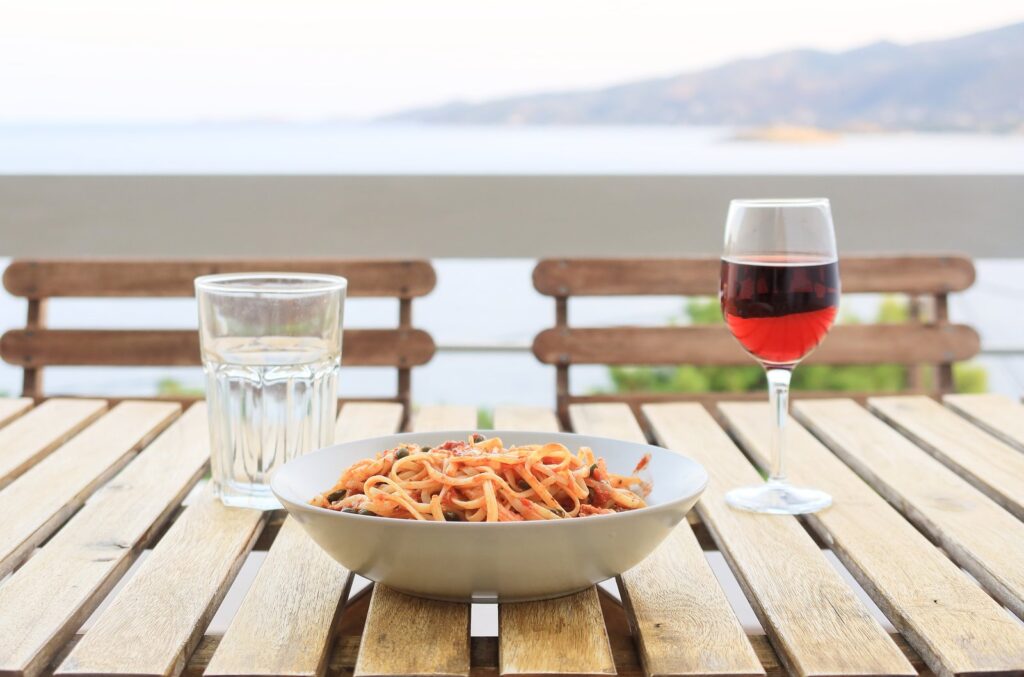
Store Cupboard Dinners UK: 8 Proper Meals from What You Already Own
Store cupboard dinners UK households lean on aren’t a consolation prize. Done properly, they’re some of the better meals of the week – cheaper than a Tesco meal deal, faster than waiting for a delivery, and almost always less depressing than scrolling Deliveroo on a Tuesday at half seven. The trick is stocking the right things in the first place, and knowing a handful of templates well enough that you don’t need a recipe to pull one off.
In This Article
- What store cupboard dinners UK cooks need you to stock
- Pasta puttanesca (or near enough)
- Chickpeas with harissa, lemon and yoghurt
- Tuna, white beans and whatever's dying in the fridge
- Egg-fried rice with whatever's in the freezer
- Lentil dal with tinned coconut milk
- Tinned sardine toasts with chilli and vinegar
- The one curry paste every cupboard should have
- How to restock without doing a grim £80 shop
This piece is about proper meals you can cook tonight from what’s already in your kitchen, using ingredients that survive a month in the cupboard rather than a week in the fridge. No prescriptive shopping lists, no batch-cook obligations, no promise that everything costs 42p a portion. Just eight reliable dinners, the logic behind each one, and a short section at the end on how to restock without doing one of those grim £80 “pantry reset” shops.
What store cupboard dinners UK cooks need you to stock
Before the recipes, a quick audit. A UK cupboard that can actually feed you needs five categories of thing: a decent carb (dried pasta, basmati or long-grain rice, tinned pulses, noodles), a flavour base (tinned tomatoes, tinned coconut milk, anchovies, a curry paste worth its jar), a couple of tins of protein (tuna, sardines, chickpeas, butter beans), fat and acid (olive oil, vinegar, lemons), and salt with attitude (Maldon, soy, fish sauce, a chilli oil). If you’ve got all five categories, you’re almost never more than twenty minutes from dinner. Miss one and you end up ordering a curry.
You don’t need every variety of every thing. You need one good version of each. Tinned tomatoes are a classic example: the Mutti, Cirio and Napolina bases outclass most supermarket own-brand on acidity and sweetness, and the difference is the difference between a pasta sauce that tastes finished and one that tastes thin. BBC Good Food’s long-running store cupboard essentials list is a fair starting point if you’re building from scratch, though their “essentials” run a little long for most UK kitchens.
Pasta puttanesca (or near enough)
The template of all store cupboard dinners UK cooks should know by heart. Tinned tomatoes, tinned anchovies, capers, olives if you have them, chilli, garlic, a glug of the anchovy oil, and spaghetti. Fifteen minutes start to finish. The anchovies dissolve into the oil and don’t taste fishy – they taste like the sauce has been simmered for two hours.
The rules worth following: don’t drain the anchovies before they go in, cook the garlic in the anchovy oil before the tomatoes hit, and finish with a splash of pasta water so the sauce clings rather than sits in a puddle at the bottom of the bowl. A small tin of anchovies costs about £1.80 and makes four bowls. That’s £0.45 of transformation per person.
Chickpeas with harissa, lemon and yoghurt
Drain a tin of chickpeas, crisp them hard in olive oil for eight minutes until they squeak against the pan, then stir through a heaped tablespoon of rose harissa, a squeeze of lemon, and a pinch of salt. Pile on toast or flatbread with cold yoghurt underneath and whatever herbs are wilting in the fridge on top. Coriander ideal. Parsley works. Mint if you’re feeling it.
This is the dinner you cook when you opened the fridge and immediately wanted to close it. It’s five minutes once the chickpeas are crisping, and harissa is one of those cupboard items that pulls more weight than the jar implies – a good UK brand like Belazu or Odysea punches well above the supermarket own-brand.
Tuna, white beans and whatever’s dying in the fridge
A tin of tuna in olive oil, a tin of cannellini or butter beans, a little red onion or shallot, lemon, oil, a lot of black pepper, and whatever green thing is about to turn in the salad drawer – rocket, watercress, the outer leaves of a lettuce, even raw peas from the freezer. Mix, don’t stir – you want the beans intact. Eat with bread or a boiled egg on top.
It sounds like lunch rather than dinner, and in fairness it is a proper lunch, but with a boiled egg and a slice of sourdough it’s dinner too. The key detail is tuna in olive oil, not brine. Brine-packed tuna makes this dish sad. Rachel Roddy makes a more refined version of the same idea in her Guardian column that’s worth reading if you want to take it more seriously.
Egg-fried rice with whatever’s in the freezer
The single best argument for keeping frozen peas in the house. Day-old rice is ideal, but if you’ve only got fresh, spread it on a tray to cool for ten minutes and it’ll fry properly instead of clumping. Hot oil, a couple of eggs scrambled fast, the rice, frozen peas straight from the bag, soy, a splash of sesame oil, spring onion if there’s any left, chilli crisp if you’re that kind of household.
The frequent mistake is adding too much soy. The rice should taste of rice, egg and the fat it was cooked in – soy is punctuation, not the sentence. For other fast template dinners built around the freezer, our guide to 15 minute weeknight dinners UK goes deeper into the speed-cooking logic and gives you another half-dozen to rotate through.
Lentil dal with tinned coconut milk
Red lentils cook in twenty minutes with no pre-soaking and turn themselves into dinner with very little help. Onion, garlic, ginger, a heaped teaspoon each of cumin, coriander and turmeric, a tin of lentils or 200g dried, a tin of chopped tomatoes, a tin of coconut milk, and as much water as you need to keep it loose. Simmer until the lentils collapse. Finish with lemon and a torn coriander leaf if you’ve got it.
Dal scales generously. Cook the whole bag, eat a bowl tonight, and the leftovers will be better on Thursday. Serve over basmati or with any flatbread – frozen paratha from a Sainsbury’s or Morrisons freezer aisle is genuinely very good and costs about £2 for five. For longer, hands-off versions of the same idea, our roundup of slow cooker spring recipes UK weeknight dinners that mostly cook themselves is worth bookmarking.
Tinned sardine toasts with chilli and vinegar
One of the more underrated store cupboard dinners UK kitchens almost always have the components for. Good sourdough or rye, toasted hard. A tin of sardines in oil, mashed with a fork on the toast so the bread soaks up the oil. A spoon of red wine vinegar or sherry vinegar stirred through. Chilli flakes, black pepper, a lot of lemon. Eat with a fried or boiled egg and a tomato on the side.
Sardines are the unglamorous tinned fish, but the good ones – Ortiz, Fish4Ever, Nuri – are genuinely delicious, sustainable, and about £2 a tin. Two tins of sardines plus toast feeds two people properly. If the sardine tin in your cupboard is 79p and has been there since 2019, that’s not the version of this dinner I’m recommending.
The one curry paste every cupboard should have
Thai green paste in a jar. Not because it’s the best curry, but because it’s the most forgiving. Fry two heaped tablespoons in hot oil for thirty seconds, add a tin of coconut milk, simmer for two minutes, then add whatever protein and vegetables you’ve got: chicken thigh, tofu, king prawns from the freezer, frozen peas, green beans, broccoli. Fish sauce, lime, basil if you’re lucky. Serve over jasmine or basmati rice.
A decent jar (Maesri if you can find it, Thai Taste if you can’t) lasts months in the fridge once opened and turns an empty kitchen into dinner in fifteen minutes. Most supermarket own-brand Thai pastes are thin and salty – pay the extra 90p. For hands-off oven-based alternatives, easy traybake dinners for UK weeknights covers the sheet-pan route in more detail.
How to restock without doing a grim £80 shop
The mistake people make when building a store cupboard is trying to do it in one go. A £60 Ocado order of tins you might use sits in the cupboard looking at you reproachfully for six months. Instead, buy one category a week alongside your normal shop: tins one week, rice and pasta the next, oils and vinegars the next, curry paste and harissa the week after that. By week five you’ve got a properly stocked cupboard for under £50 total, and you’ve actually cooked with each thing as you bought it.
Keep an eye on reduced sections in the larger supermarkets – yellow-sticker tinned goods are the easiest thing in the world to buy and will happily sit in a cupboard for two years. Which? runs a useful annual comparison of supermarket own-brand cupboard staples that’s worth checking before you commit to a particular shop for basics.
The final thing worth saying is that a store cupboard is not a moral project. You don’t need one because it’s virtuous. You need one because at 7.42pm on a Wednesday, after a long day, with nothing in the fridge, you want dinner, not a decision. The cupboard makes the decision for you.
What’s the one tin or jar in your cupboard that you buy on repeat because you know it always saves dinner?
And if there’s a pack of mince to use up alongside the tins, these lamb mince weeknight dinners pick up where the store cupboard leaves off.



Honestly the £80 pantry reset line made me laugh because I have been guilty of exactly that. The tinned mackerel one I would never have thought of – is that the smoked one that works best, or the plain in oil? I usually have a couple of tins lurking but always reach for the tuna out of habit.