
Chinese History Exhibitions: How Museums Bring Ancient Dynasties to Life
Chinese History Exhibitions: A Window Into Civilisation
Chinese history exhibitions offer some of the most visually stunning and intellectually rewarding museum experiences available. From terracotta warriors to Ming dynasty porcelain, these exhibitions connect us with a civilisation spanning thousands of years.
In This Article
- Chinese History Exhibitions: A Window Into Civilisation
- In This Article
- Why These Exhibitions Captivate
- Key Periods to Understand
- Where to See Chinese Art in the UK
- Making the Most of Your Visit
- Chinese Art Beyond Museums
- Collecting Chinese Art
- Frequently Asked Questions
- Are Chinese history exhibitions suitable for children?
- Do I need prior knowledge to enjoy these exhibitions?
- Which UK museum has the best Chinese collection?
- How can I learn more about Chinese history?
This guide to Chinese history exhibitions covers what makes them special, where to find the best ones in the UK, and how to get the most from your visit.
In This Article
- Why Chinese history captivates museum audiences
- Key periods and what to look for
- Where to see Chinese art in the UK
- Making the most of your visit
- Learning more about Chinese civilisation
Why These Exhibitions Captivate
The sheer scale and continuity of Chinese civilisation is staggering. A single exhibition can span artistic traditions that evolved over millennia, from bronze vessels of the Shang dynasty to silk paintings of the Qing era.
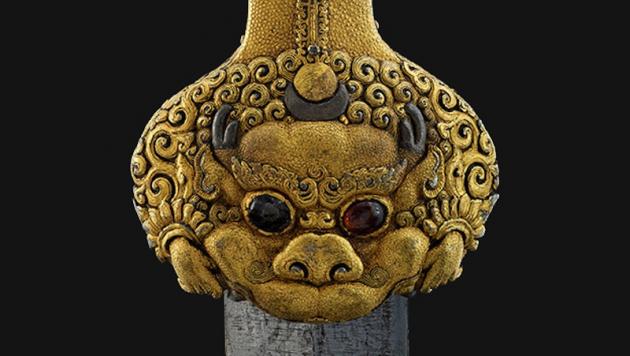
The craftsmanship on display frequently surpasses anything produced in Europe during equivalent periods. Porcelain so fine that light passes through it, jade carved with microscopic precision, and silk embroidery of breathtaking complexity demonstrate mastery that took generations to develop.
Key Periods to Understand
The Tang dynasty produced some of China’s most celebrated poetry and ceramic art. Exhibitions featuring Tang artefacts typically include the iconic three-colour glazed pottery that influenced decorative arts worldwide.
The Ming dynasty is perhaps the best known in the West, largely through its famous blue and white porcelain. These pieces revolutionised ceramics globally and remain among the most sought-after antiques in the world.
The Qing dynasty bridged traditional Chinese culture with the modern era. Exhibitions from this period often explore the tension between preserving ancient traditions and adapting to an increasingly connected world.
Where to See Chinese Art in the UK
The British Museum’s Chinese collection is one of the finest outside Asia. The permanent galleries are free and provide comprehensive coverage from Neolithic jade to modern calligraphy.
The Victoria and Albert Museum holds an exceptional collection of Chinese decorative arts. Ceramics, textiles, and metalwork are displayed in context that illuminates their cultural significance.
The Ashmolean Museum in Oxford houses a significant Chinese art collection in a less crowded setting than London institutions. The quieter atmosphere allows more contemplative engagement with individual pieces.
Major touring exhibitions from Chinese national museums visit UK venues periodically. These events often display artefacts that have never left China before, making them unmissable for enthusiasts.
Making the Most of Your Visit
Read a brief overview of the period before visiting. Even basic knowledge of the historical context transforms your experience from looking at beautiful objects to understanding their significance.
Audio guides are worthwhile for Chinese exhibitions specifically. The cultural context that Western visitors lack is often essential for appreciating why certain objects matter beyond their visual appeal.
Focus on fewer objects rather than rushing through entire galleries. Spending five minutes with a single piece reveals details that a quick glance misses entirely. The finest craftsmanship rewards patient observation.
Chinese Art Beyond Museums
Chinatowns across the UK offer living cultural experiences. London, Manchester, and Liverpool’s Chinatowns host festivals, food markets, and cultural events that complement museum visits with contemporary Chinese culture.
Chinese cinema and literature provide narrative context that museum objects lack. Understanding the stories and philosophies behind artistic traditions deepens appreciation enormously.
Collecting Chinese Art
Authentic Chinese antiques require expert authentication. The market includes significant numbers of reproductions and fakes. Buy from reputable dealers and request provenance documentation.
Contemporary Chinese artists are producing remarkable work at more accessible price points. Supporting living artists connects you with evolving traditions rather than purely historical ones.
Frequently Asked Questions
Are Chinese history exhibitions suitable for children?
Yes, particularly when framed as storytelling rather than art appreciation. Children respond well to the human stories behind objects: who made them, who used them, and why they survived centuries.
Do I need prior knowledge to enjoy these exhibitions?
No. The visual beauty of Chinese art is immediately accessible. Knowledge deepens appreciation but is not a prerequisite for enjoyment.
Which UK museum has the best Chinese collection?
The British Museum has the most comprehensive collection. The V&A excels in decorative arts. Both are free for permanent collections.
How can I learn more about Chinese history?
The British Museum offers free online courses and lecture series. Books by Jonathan Spence and John Keay provide accessible introductions to Chinese history for general readers.
Explore more culture and lifestyle guides on our site. For sustainable personal care, visit Wild.