Homemade Fried Chicken Recipe: Better Than Any Takeaway
Homemade fried chicken recipe attempts often end in disappointment – soggy coating, dry meat, or a kitchen covered in oil splatter. But when you get it right, homemade fried chicken beats any takeaway and costs a fraction of the price.
In This Article
- The Secret to Great Fried Chicken
- Ingredients
- Step-by-Step Method
- Step 1: Brine the Chicken
- Step 2: Prepare the Coating
- Step 3: Fry
- Step 4: Rest
- Tips for Perfect Results
- Side Dishes That Work
- Oven-Fried Alternative
- Frequently Asked Questions
- How long should I marinate chicken in buttermilk?
- What oil is best for frying chicken?
- Can I use boneless chicken for fried chicken?
- How do I keep fried chicken crispy?
We tested dozens of methods to find the approach that delivers consistently crispy, juicy results without professional equipment or years of frying experience.
[toc]
The Secret to Great Fried Chicken
Three things separate excellent fried chicken from mediocre: a buttermilk brine, a well-seasoned flour coating, and correct oil temperature. Get these three elements right and the rest is straightforward.
The buttermilk tenderises the meat and helps the coating stick. The flour mixture provides crunch and flavour. And maintaining oil temperature ensures the coating crisps without absorbing excess fat.
Ingredients
For the brine, you need 500 millilitres of buttermilk, one tablespoon of salt, one teaspoon each of garlic powder, paprika, and black pepper, and a pinch of cayenne if you like heat. For the coating, combine 300 grams of plain flour with one tablespoon of garlic powder, one tablespoon of paprika, one teaspoon of onion powder, one teaspoon of dried oregano, salt, and plenty of black pepper.
Use bone-in, skin-on chicken pieces – thighs and drumsticks work best for beginners as they are more forgiving than breast meat. Allow two to three pieces per person. For frying, use a neutral oil with a high smoke point like vegetable or sunflower oil.
Step-by-Step Method
Step 1: Brine the Chicken
Mix the buttermilk with the brine seasonings in a large bowl. Add the chicken pieces, ensuring they are fully submerged. Cover and refrigerate for at least four hours, ideally overnight. This step is non-negotiable – it transforms the texture of the finished chicken.
Step 2: Prepare the Coating
Mix all the flour coating ingredients in a shallow dish. Remove each piece of chicken from the buttermilk, letting excess drip off, and press firmly into the seasoned flour. Turn and press again until thoroughly coated. Place coated pieces on a wire rack and let them sit for 15 minutes. This rest period helps the coating adhere during frying.
Step 3: Fry
Heat oil to 170 degrees Celsius in a deep, heavy-bottomed pan. The oil should be at least five centimetres deep. Fry chicken in batches – do not overcrowd the pan as this drops the temperature and produces soggy results. Cook for 12 to 15 minutes, turning once, until golden brown and the internal temperature reaches 75 degrees Celsius.
Step 4: Rest
Place finished pieces on a wire rack over a baking tray rather than paper towels. This keeps the bottom crispy by allowing air to circulate. Rest for five minutes before serving.
Tips for Perfect Results
Use a kitchen thermometer for both oil and meat temperature. Guessing oil temperature is the most common cause of bad fried chicken. Too cool and the coating absorbs oil. Too hot and it burns before the chicken cooks through.
Double-dipping – flour, back into buttermilk, then flour again – creates an extra crunchy coating. This adds a step but delivers noticeably more crunch for those who want maximum texture.
Side Dishes That Work
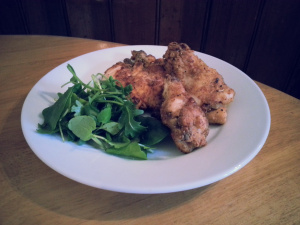
Classic coleslaw provides a cool, creamy contrast to the hot, crispy chicken. Corn on the cob, baked beans, and cornbread are traditional American pairings. For a British twist, serve with chips and mushy peas, or alongside a simple green salad to cut through the richness.
Mac and cheese is the ultimate indulgent pairing. If you are already frying chicken, lean into the comfort food theme wholeheartedly.
Oven-Fried Alternative
If deep frying feels daunting, an oven method produces good results with less mess. Follow the brining and coating steps identically, then place coated pieces on a wire rack over a baking tray. Spray lightly with oil and bake at 220 degrees Celsius for 35 to 40 minutes, turning once halfway through.
The result is not quite as crispy as deep-fried but is significantly easier and healthier. It works particularly well for thigh pieces where the skin provides natural fat for crisping.
Frequently Asked Questions
How long should I marinate chicken in buttermilk?
Minimum four hours, ideally overnight up to 24 hours. The buttermilk tenderises the meat through its acidity. Less than four hours and you will not get the full benefit.
What oil is best for frying chicken?
Vegetable oil or sunflower oil are the best choices. They have high smoke points, neutral flavour, and are affordable in the quantities needed for deep frying. Avoid olive oil as it burns at frying temperatures.
Can I use boneless chicken for fried chicken?
You can, but bone-in pieces stay juicier and have more flavour. If using boneless, reduce cooking time to 8 to 10 minutes and watch carefully to avoid drying out the meat.
How do I keep fried chicken crispy?
Rest on a wire rack rather than paper towels. If keeping warm for a group, hold finished pieces in a 100 degree Celsius oven on a wire rack. Never cover fried chicken with foil or a lid as trapped steam makes the coating soggy.
Want more weeknight-fast ideas for nights you cannot be bothered deep-frying? Our guide to 15 minute weeknight dinners UK cooks can actually pull off and the slow cooker spring recipes that mostly cook themselves sit alongside this one on the busy-evening rotation.
For more recipes and food recommendations, explore our latest articles. The BBC Good Food website has thousands more tested recipes for every skill level.
Your turn: what is the single change that finally got your homemade fried chicken crunchy – was it the buttermilk time, the oil temp, or the double-dredge? Tell us in the comments.