Reduce Bathroom Plastic: How Much Waste Your Routine Actually Creates
Reduce Bathroom Plastic: The Numbers Are Shocking
When I sat down to reduce bathroom plastic in my own home, the first step was calculating exactly how much waste I was producing. The result was genuinely surprising and motivated immediate changes.
In This Article
- Reduce Bathroom Plastic: The Numbers Are Shocking
- In This Article
- The Annual Bathroom Audit
- Biggest Offenders
- Highest Impact Swaps
- Medium Impact Swaps
- A Realistic Timeline
- Cost Implications
- Frequently Asked Questions
- Can I really make my bathroom plastic-free?
- Do plastic-free products work as well?
- What should I swap first for maximum impact?
- Is recycling not enough?
This guide shows you how to reduce bathroom plastic by auditing your current routine and making targeted swaps that have the biggest environmental impact.
In This Article
- How much plastic your bathroom produces annually
- The biggest offenders by product category
- Easy swaps with the highest impact
- A realistic timeline for going plastic-free
- Cost implications of switching
The Annual Bathroom Audit
I counted every plastic container I used over twelve months. The total was staggering: 52 items. That includes shampoo bottles, conditioner bottles, body wash tubes, deodorant tubes, toothpaste tubes, face wash bottles, and more.
Most of these items are technically recyclable but fewer than 30% actually get recycled in the UK. The rest end up in landfill or worse. Each item takes 450 years to decompose.
Biggest Offenders
Shampoo and conditioner bottles top the list. The average person uses six to eight bottles per year. Families multiply this significantly.
Deodorant and antiperspirant tubes come next. Most people go through eight to ten per year. These mixed-material containers are particularly difficult to recycle through standard household collection.
Disposable razors and their packaging contribute substantial waste. A weekly disposable habit generates over 50 plastic razors annually, plus their plastic and cardboard packaging.
Highest Impact Swaps
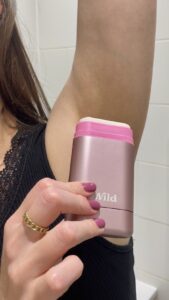
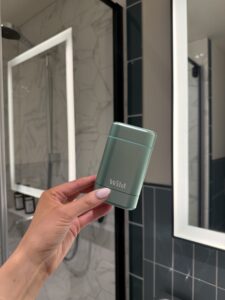
Switching to Wild’s refillable deodorant eliminates eight to ten plastic tubes per person per year. The aluminium case lasts indefinitely and refills come in compostable packaging. This single swap has one of the highest impact-to-effort ratios available.
Shampoo bars replace three to four plastic bottles each. At roughly £6-8 per bar lasting two to three months, they match conventional products on cost while eliminating significant plastic waste.
A safety razor with replaceable blades replaces 50+ disposable razors annually. The initial investment of £20-30 pays for itself within months. Replacement blades cost pennies each.
Medium Impact Swaps
Toothpaste tablets in glass jars replace plastic tubes. They take slight getting used to but clean teeth effectively. Brands like Denttabs offer fluoride options for those who want it.
Bar soap instead of liquid hand wash eliminates pump bottles from every sink in your home. A quality bar lasts as long as a bottle at comparable or lower cost.
Refillable cleaning products from brands like Smol deliver concentrated tablets that dissolve in water. You reuse the same spray bottle indefinitely.
A Realistic Timeline
Do not try to overhaul everything simultaneously. Replace products as they run out rather than discarding half-used items, which creates more waste.
Month one: switch deodorant and hand soap. Month two: try a shampoo bar. Month three: move to a safety razor. Within six months, your bathroom plastic output drops by 70-80% without any dramatic lifestyle change.
Cost Implications
The common assumption is that sustainable alternatives cost more. In practice, most refillable and bar products cost the same or less per use than their plastic-packaged equivalents.
Products with higher upfront costs, like safety razors and refillable deodorant cases, pay for themselves within two to four months. After that initial period, ongoing costs typically decrease.
The only category where sustainable options consistently cost more is toothpaste tablets, which run about 20% higher than conventional tubes. This is a small premium for significant waste reduction.
Frequently Asked Questions
Can I really make my bathroom plastic-free?
Almost entirely, yes. A few items like contact lens packaging and medication blister packs are difficult to replace, but 90% of bathroom plastic is eliminable with current alternatives.
Do plastic-free products work as well?
In most categories, performance is now comparable. Shampoo bars, refillable deodorants, and safety razors all perform as well or better than their plastic-packaged equivalents.
What should I swap first for maximum impact?
Deodorant and shampoo. These two swaps alone eliminate roughly 15 plastic containers per person annually, which is the biggest reduction from the fewest changes.
Is recycling not enough?
Unfortunately, UK recycling rates for bathroom plastics are low. Many bathroom products are made from mixed materials that cannot be processed through standard recycling. Reducing consumption is more effective than relying on recycling infrastructure.
Find more sustainable living tips on our site. Start reducing your bathroom plastic today with Wild’s refillable personal care.