
Antiperspirant vs Deodorant: What’s the Difference?
Sweat doesn’t smell. That’s the fact that reframes the whole aisle. Fresh sweat is nearly odourless – the smell only arrives when the bacteria living on your skin start breaking it down. Which means the two products sold side by side in every supermarket are solving two different problems, and most of us picked ours years ago without knowing which problem we actually have.
In This Article
So, antiperspirant vs deodorant. Time to settle it properly.
The Actual Difference
A deodorant deals with odour. It doesn’t reduce sweating at all – it targets the bacteria that cause the smell and lets your body sweat as it’s designed to. An antiperspirant goes after the sweat itself. Its active ingredients, aluminium salts, dissolve in moisture and form a temporary barrier at the sweat ducts, so less sweat reaches the surface in the first place. And because less moisture means less for bacteria to feed on, antiperspirants tend to handle odour as a side effect.
That’s the whole distinction. Everything else – stick vs roll-on, scents, formats – is delivery.
| Deodorant | Antiperspirant | |
|---|---|---|
| Job | Tackles odour | Tackles sweat and odour |
| How | Neutralises odour-causing bacteria | Aluminium salts temporarily reduce sweat at the duct |
| Aluminium | Usually aluminium-free | Contains aluminium salts (that’s what makes it work) |
| You still sweat? | Yes, normally | Noticeably less |
How a Deodorant Works
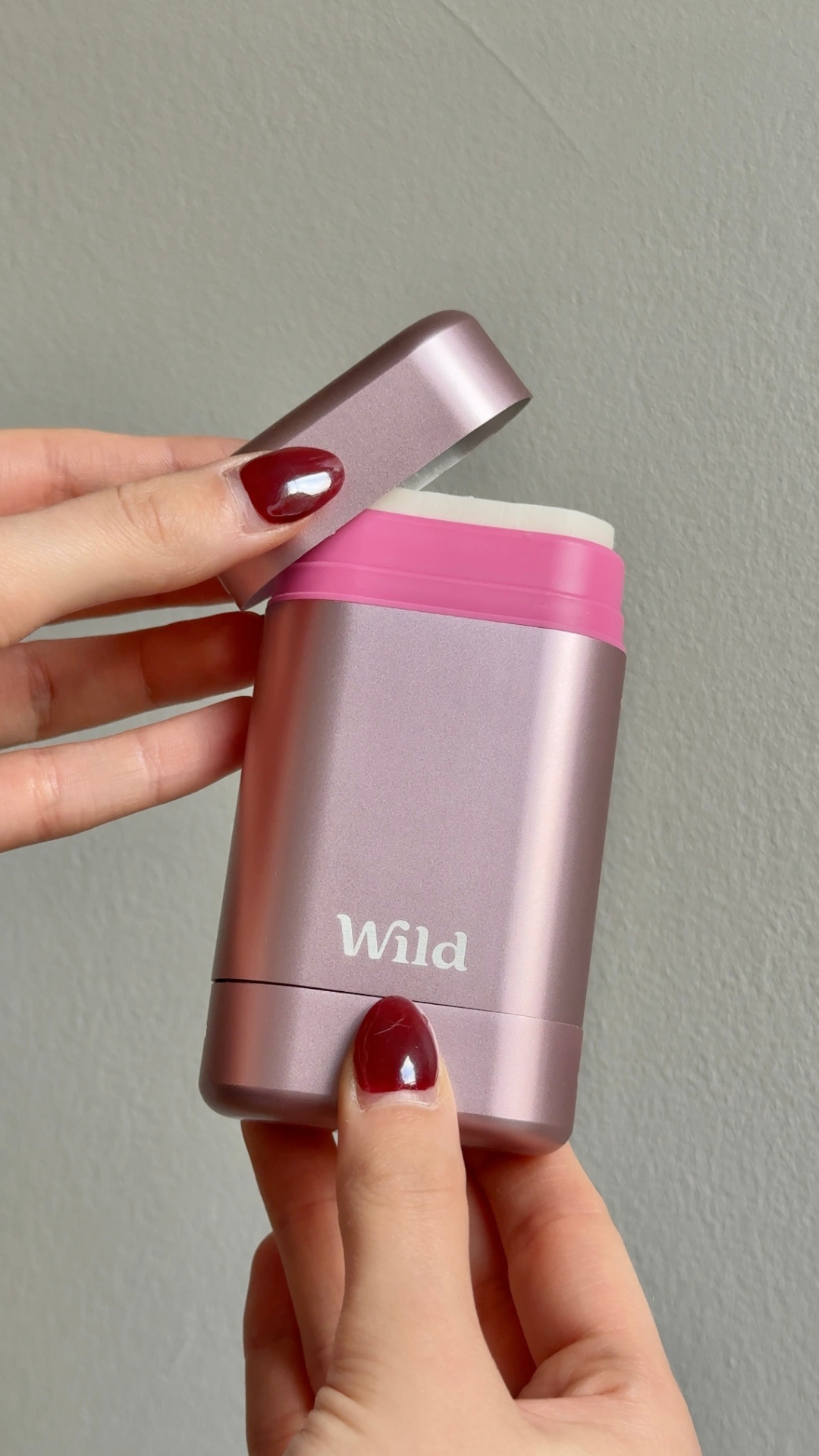
Take Wild’s natural deodorant stick as the example, since it’s the one on my shelf. It’s aluminium-free and built around ingredients with obvious jobs: bicarbonate of soda neutralises the odour-causing bacteria, tapioca starch absorbs moisture through the day, and shea butter keeps the skin soft rather than stripped. Odour protection runs a full 24 hours, and there’s a bicarb-free sensitive range for skin that reacts to everything.
The point of a deodorant is that your body carries on doing what it evolved to do. You sweat; you just don’t smell.
Lifestyle Reviewer readers get money off a first Wild order with code WILDANTIP at wearewild.com.
How an Antiperspirant Works
Antiperspirant is the one doing something genuinely clever. Those aluminium salts react with moisture to form a barrier that temporarily reduces how much sweat gets through – which is why the NHS points people who struggle with excessive sweating towards stronger antiperspirants rather than yet another deodorant.
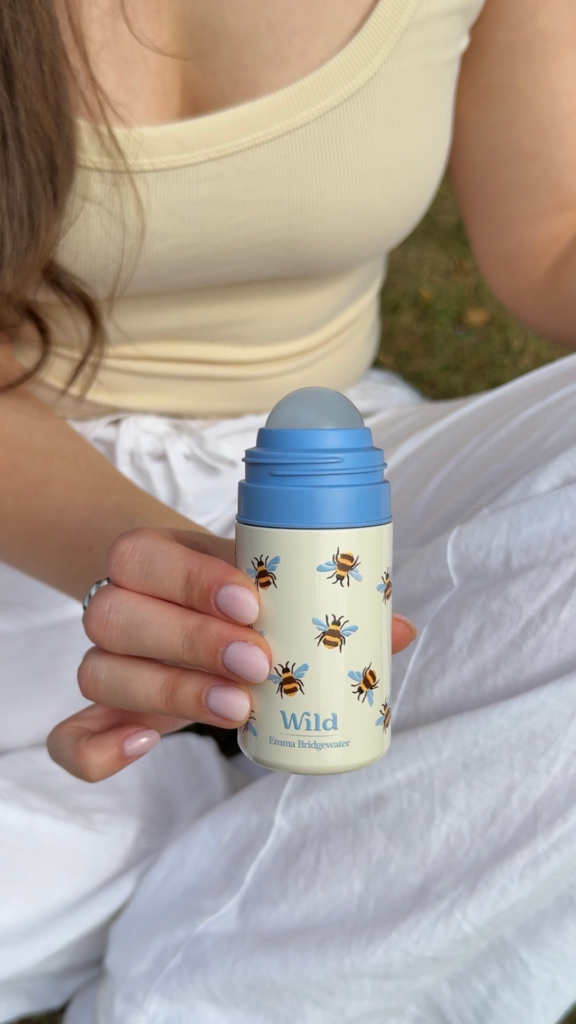
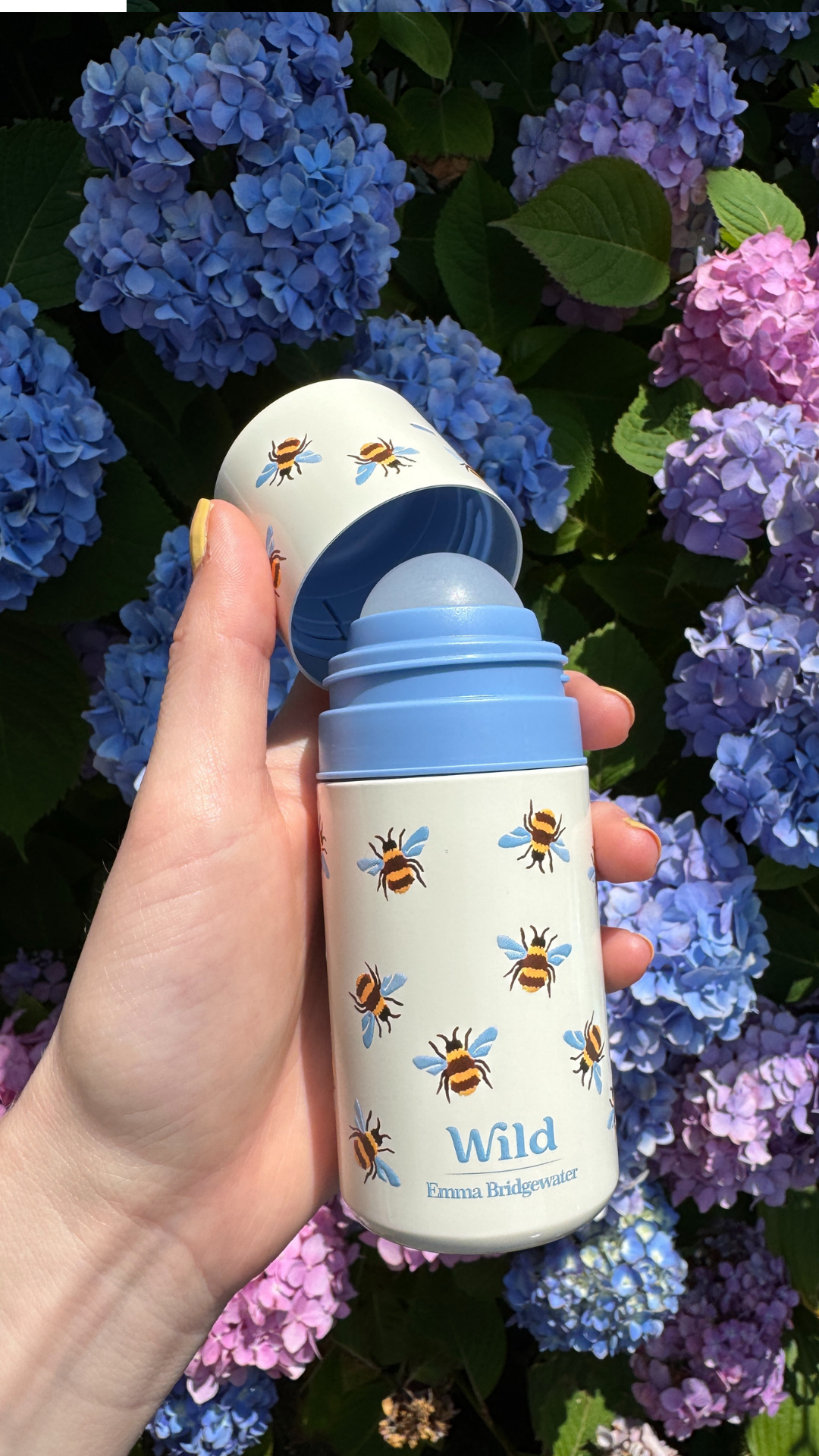
Wild’s antiperspirant roll-on uses a patented anti-sweat technology that works in small quantities, which leaves room for a formula that’s 90% naturally derived, with skin-nourishing ingredients like sunflower seed oil alongside the active ones. It’s dermatologically tested, and the protection claim is 72 hours for both sweat and odour. Having tested it through an August heatwave, I believe the number.
So Which Should You Buy?
Most people buy whichever their mum bought and never revisit the decision, which is how you end up managing a sweat problem with an odour product for a decade. The blue can that’s lived in your gym bag since 2019 was probably never the right tool.
The honest answer is that it changes with the day. Ordinary desk day, cooler weather, reactive skin: a deodorant is all you need, and it’s the gentler option. Hot commute, gym session, big presentation, a week when your hormones are running the thermostat: that’s antiperspirant territory, because the problem you’re managing is sweat, not smell.
Wild’s answer is to make both refillable – a 24hr natural stick and a 72hr antiperspirant roll-on – so keeping one of each in the bathroom and matching them to the day is cheap and easy. That’s the setup I’ve landed on, and it beats asking one product to do two jobs.
Try either (or both) with code WILDANTIP at wearewild.com for money off your first order.
Do You Need to Wear Both?
No. An antiperspirant already covers the odour side, so layering a deodorant over it adds fragrance and nothing else. If your antiperspirant isn’t keeping you fresh, the fix is a better antiperspirant, not a second product on top.
Frequently Asked Questions
Does deodorant stop you sweating?
No, and it isn’t supposed to. It controls the smell while your body sweats normally. If damp patches are the actual complaint, you want an antiperspirant.
Is the aluminium in antiperspirant safe?
Aluminium salts have been used in antiperspirants for decades, and Cancer Research UK’s position is that there’s no good evidence linking antiperspirant use to breast cancer. If you’d rather avoid aluminium anyway, that’s exactly what an aluminium-free deodorant is for – it’s a preference, not a safety requirement.
Which is better for the gym?
Antiperspirant, for the obvious reason: exercise is a sweat event. A deodorant will keep you smelling fine but won’t touch the dampness.
Can I switch between the two day to day?
Yes, and it’s arguably the smartest way to run your routine. Gentle deodorant days, antiperspirant days when more is being asked of you. Both of Wild’s are refillable, so neither ends up as a half-used tube in a drawer.
Both products live at wearewild.com – code WILDANTIP gets you money off your first order.