
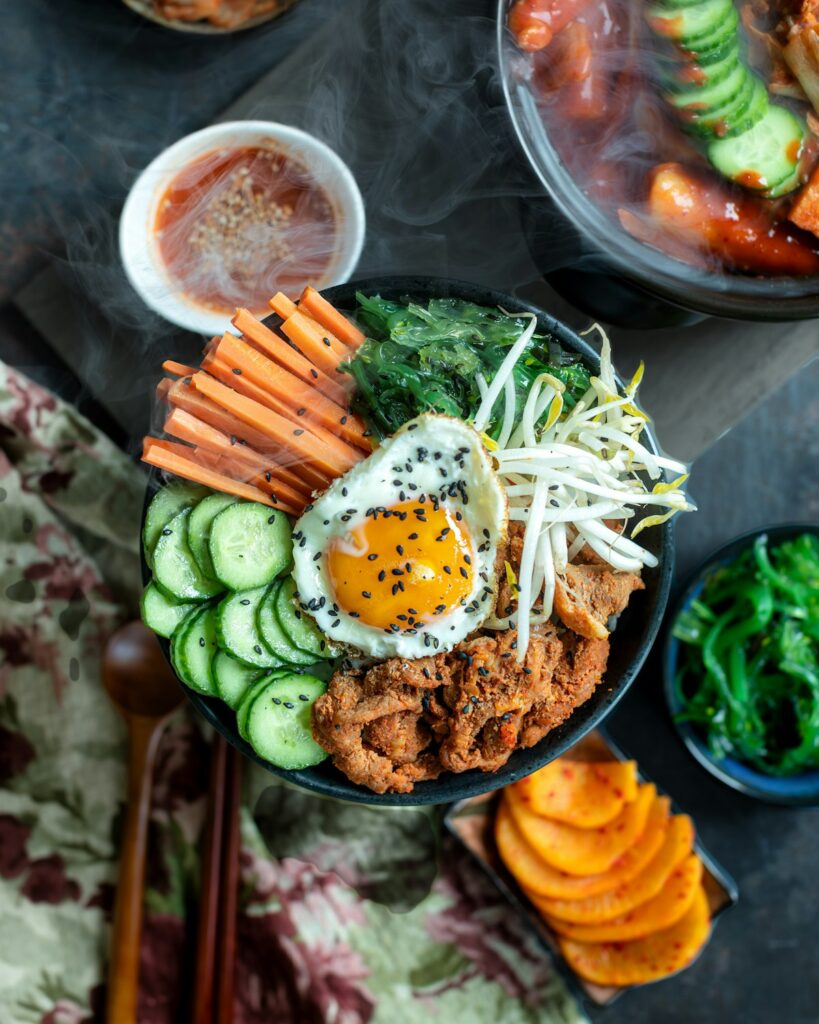
Easy Korean Recipes You Can Make at Home This Spring
This guide has been merged into our updated, expanded version: Easy Korean Recipes to Make at Home. The newer guide includes bibimbap, kimchi fried rice, bulgogi, tteokbokki, gochujang chicken thighs, and pajeon, plus current UK supermarket sourcing.
In This Article
- Why Korean Food Is So Popular in the UK Right Now
- Easy Korean Recipes to Try This Week
- Bibimbap – The Ultimate Rice Bowl
- Kimchi Fried Rice
- Gochujang Chicken Thighs
- Pajeon – Korean Spring Onion Pancakes
- Store Cupboard Essentials for Easy Korean Recipes
- Frequently Asked Questions
- What is the easiest Korean dish to make at home?
- Where can I buy Korean ingredients in the UK?
- Is Korean food healthy?
- How much does it cost to cook Korean food at home in the UK?
Korean food has quietly taken over British kitchens, and it’s not hard to see why. Bold flavours, fresh vegetables, and meals that come together faster than you’d expect – these easy Korean recipes are perfect for anyone who wants something different on a weeknight without spending hours at the stove.
Whether you’ve been eyeing up the gochujang in your local Tesco or you’ve already got a jar of kimchi in the fridge, there’s never been a better time to give Korean home cooking a go. Here are some of the best dishes to start with, all doable on a regular UK budget.
Why Korean Food Is So Popular in the UK Right Now
Korean cuisine has seen a 5.5% growth in the UK over the past year, according to industry reports, and it’s showing no signs of slowing down. What started with Korean BBQ restaurants in London has spread to supermarket shelves across the country. Tesco, Sainsbury’s, and even Aldi now stock gochujang paste, kimchi, and rice vinegar as standard.
Part of the appeal is how well Korean cooking fits with what people already want to eat. It’s heavy on vegetables, packed with fermented foods that are good for your gut, and the base recipes are surprisingly simple. If you’ve already got soy sauce and sesame oil in the cupboard, you’re halfway there.
The trend ties in with a broader shift towards bolder home cooking in 2026. Much like the easy matcha recipes that have taken off this spring, Korean dishes offer cafe-quality results without the price tag.
Easy Korean Recipes to Try This Week
Bibimbap – The Ultimate Rice Bowl
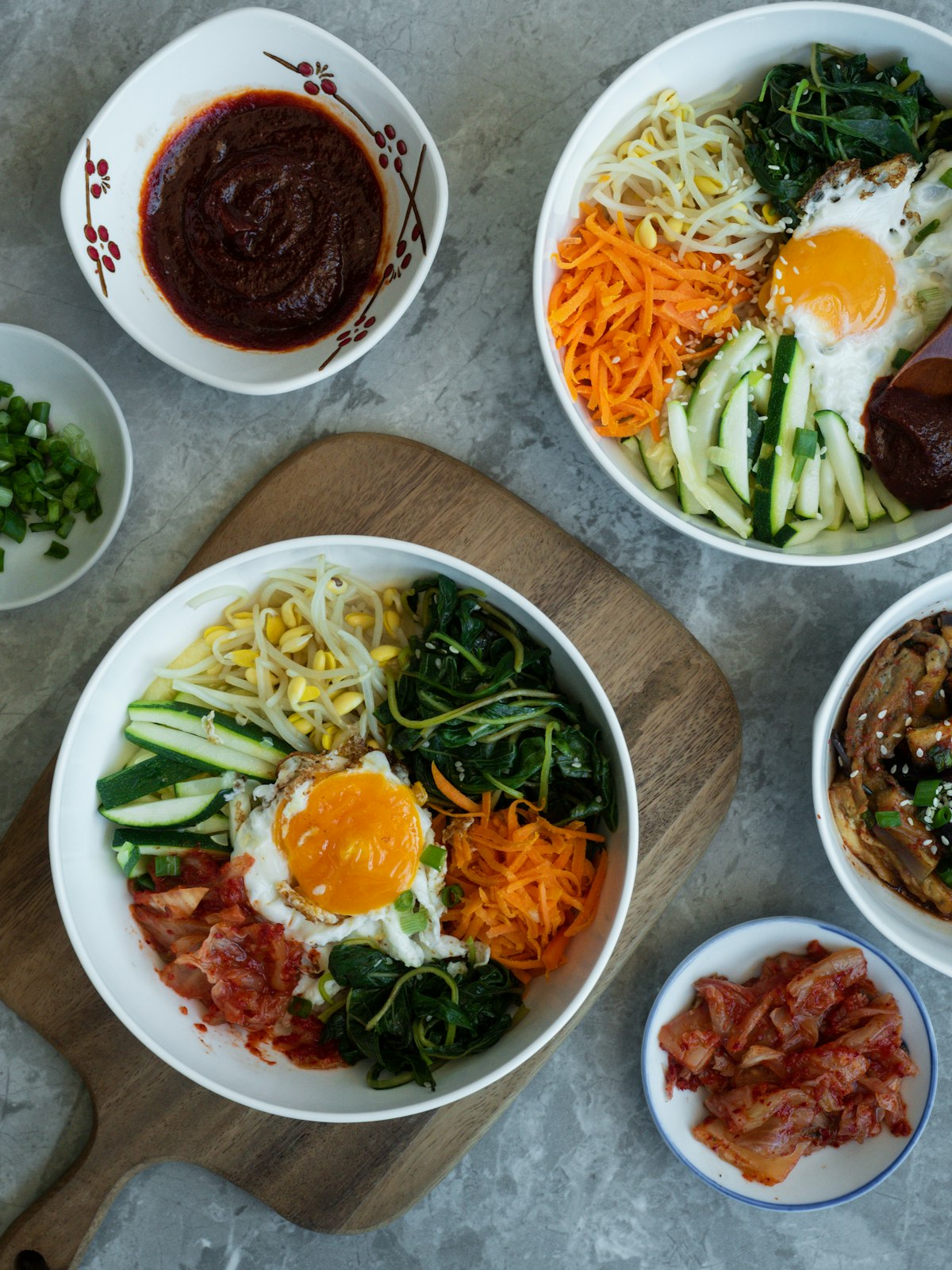
Bibimbap literally means ‘mixed rice’, and it’s one of the most forgiving meals you’ll ever make. You top a bowl of hot rice with whatever vegetables you have – carrots, spinach, courgette, bean sprouts – add a fried egg and a generous spoonful of gochujang, then mix it all together.
The key is to cook each vegetable separately with a little sesame oil so they keep their individual texture. It sounds fussy, but each one takes about two minutes. A proper bibimbap for two people costs roughly £4-5 in ingredients from a UK supermarket, which is hard to beat.
Kimchi Fried Rice
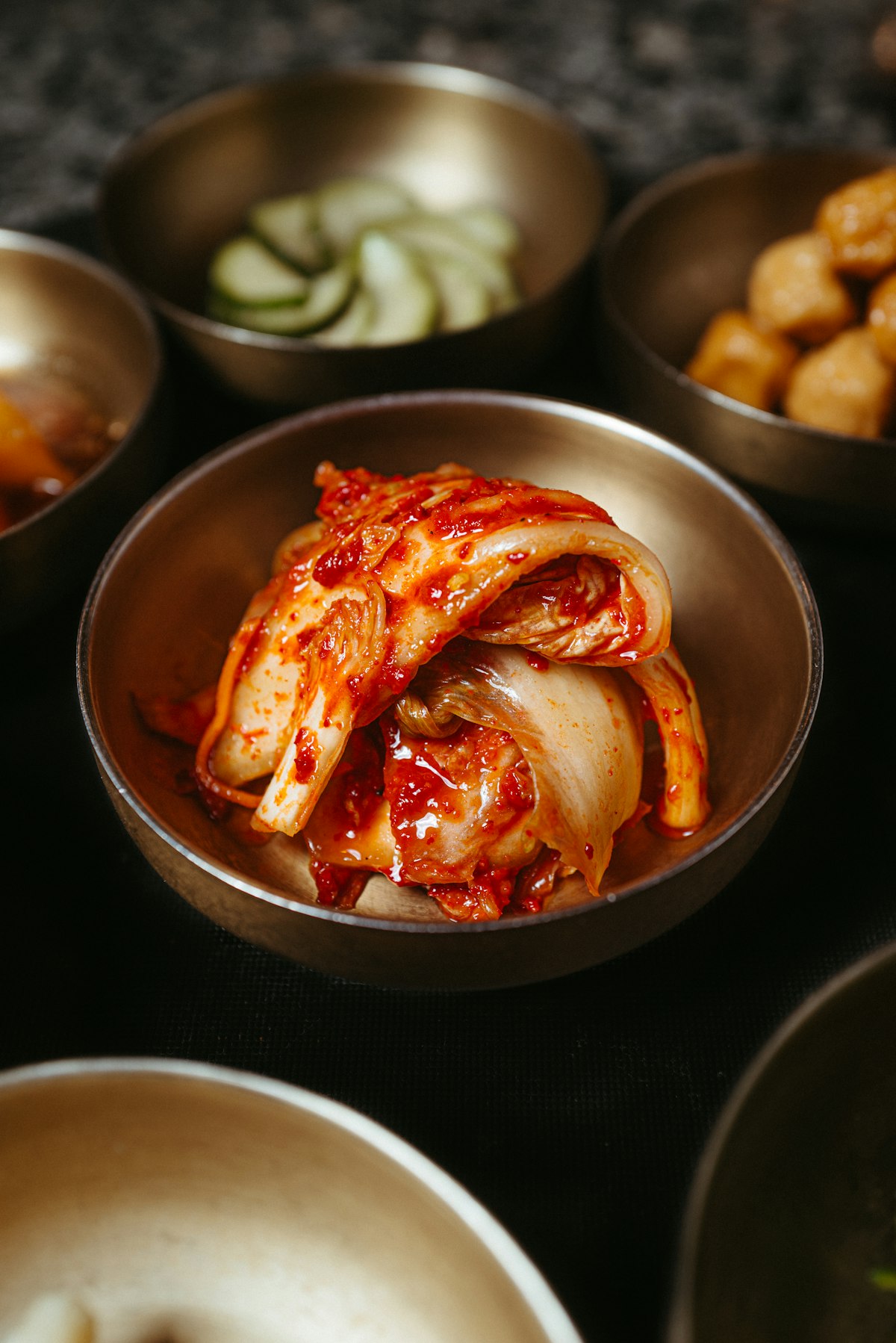
If you’ve got leftover rice and a jar of kimchi, you can have dinner on the table in ten minutes. Chop the kimchi roughly, fry it in a hot pan with a splash of sesame oil, add the cold rice, and stir until everything is coated and slightly crispy. Finish with a fried egg on top and a scatter of spring onions.
The trick is using rice that’s been in the fridge overnight. Freshly cooked rice goes mushy in the pan, but day-old rice fries up perfectly. Add a teaspoon of gochujang if you want more heat, or a splash of soy sauce for depth. A jar of kimchi from the supermarket costs around £2.50-3.00 and will last you several meals.
Gochujang Chicken Thighs
This might be the easiest recipe on the list. Mix two tablespoons of gochujang with a tablespoon each of soy sauce, honey, and sesame oil. Coat chicken thighs in the mixture and bake at 200°C for 25-30 minutes until sticky and charred at the edges. Serve with rice and a simple cucumber salad dressed with rice vinegar.
Chicken thighs work best because they stay juicy, but you could use drumsticks or even tofu for a vegetarian version. The marinade also works brilliantly on salmon – just reduce the cooking time to about 12-15 minutes.
Pajeon – Korean Spring Onion Pancakes
These savoury pancakes are a proper crowd-pleaser. Mix 100g plain flour with 100ml ice-cold water, an egg, and a pinch of salt until you’ve got a thin batter. Slice a bunch of spring onions lengthways, fold them through the batter, and fry in a generous amount of vegetable oil until golden and crisp on both sides.
Serve with a dipping sauce made from soy sauce, rice vinegar, a pinch of sugar, and some sliced chilli. They’re brilliant as a starter or alongside other Korean dishes. For a more substantial version, add prawns or squid to the batter. The whole recipe costs under £2 and feeds four as a side.
Store Cupboard Essentials for Easy Korean Recipes
You don’t need a specialist shop to cook Korean food at home. Most UK supermarkets now carry the basics. Here’s what to stock up on: gochujang (fermented chilli paste, around £3 a tub), toasted sesame oil, soy sauce, rice vinegar, and dried noodles. A bag of short-grain rice is also worth having, as it’s stickier than basmati and works better with Korean dishes.
Kimchi is the other essential. You can buy it ready-made or have a go at making your own if you’re feeling adventurous. A single jar goes a long way – use it in fried rice, alongside grilled meat, or just eat it straight from the jar as a snack. If you’re already experimenting with seasonal cooking like British asparagus recipes, Korean flavours pair surprisingly well with spring vegetables too.
Frequently Asked Questions
What is the easiest Korean dish to make at home?
Kimchi fried rice is probably the simplest starting point. You only need leftover rice, a jar of kimchi, sesame oil, and an egg. It takes about ten minutes from start to finish and requires no specialist equipment or techniques.
Where can I buy Korean ingredients in the UK?
Most major UK supermarkets including Tesco, Sainsbury’s, Asda, and Waitrose now stock gochujang, kimchi, sesame oil, and rice vinegar in their world food aisles. For a wider selection, try Asian supermarkets or online retailers like SeeWoo or the Korean grocery section on Amazon.
Is Korean food healthy?
Korean cuisine tends to be rich in vegetables, fermented foods like kimchi (which supports gut health), and lean proteins. Many traditional dishes are naturally low in fat and high in fibre. That said, some recipes can be high in sodium from soy sauce and fermented pastes, so it’s worth adjusting to your own taste.
How much does it cost to cook Korean food at home in the UK?
Once you’ve bought the basic store cupboard items (gochujang, sesame oil, soy sauce – roughly £8-10 total), individual meals work out very affordable. A bibimbap for two costs around £4-5, kimchi fried rice under £3, and gochujang chicken thighs about £5-6 for four servings.