

5 Easy Matcha Recipes You Can Make at Home This Spring
Matcha has gone from a niche health-shop curiosity to one of the UK’s most talked-about ingredients in 2026. With menu appearances up over 30% year-on-year and prices climbing thanks to a global shortage, it’s clear this finely ground green tea powder isn’t going anywhere. But you don’t need to spend £4.50 on a cafe latte to enjoy it. These five easy matcha recipes you can make at home will save you money and taste just as good – if not better.
In This Article
- Why Matcha Is Worth the Hype
- 1. Classic Matcha Latte
- 2. Iced Matcha with Vanilla
- Tips for the Best Iced Matcha
- 3. Matcha Overnight Oats
- 4. Matcha Banana Smoothie
- 5. Matcha and White Chocolate Cookies
- What to Look for When Buying Matcha
- Frequently Asked Questions
- Is matcha better for you than coffee?
- How much matcha should you drink per day?
- Can you use any matcha for cooking?
- Why is matcha so expensive in 2026?
Why Matcha Is Worth the Hype
Unlike regular green tea, matcha uses the whole leaf, ground into a fine powder. That means you’re getting a concentrated hit of antioxidants, L-theanine (which promotes calm focus), and a gentle caffeine lift that won’t leave you jittery like coffee can. It’s no wonder it’s become a staple for anyone looking for a morning pick-me-up that doesn’t come with a 3pm crash.
A decent ceremonial-grade matcha will set you back around £20-£30 for 30g, but that’ll stretch to roughly 15-20 servings. Compare that to daily cafe visits and the maths speaks for itself. If you’re already into herbs and spices with proven health benefits, matcha fits right into that lineup.
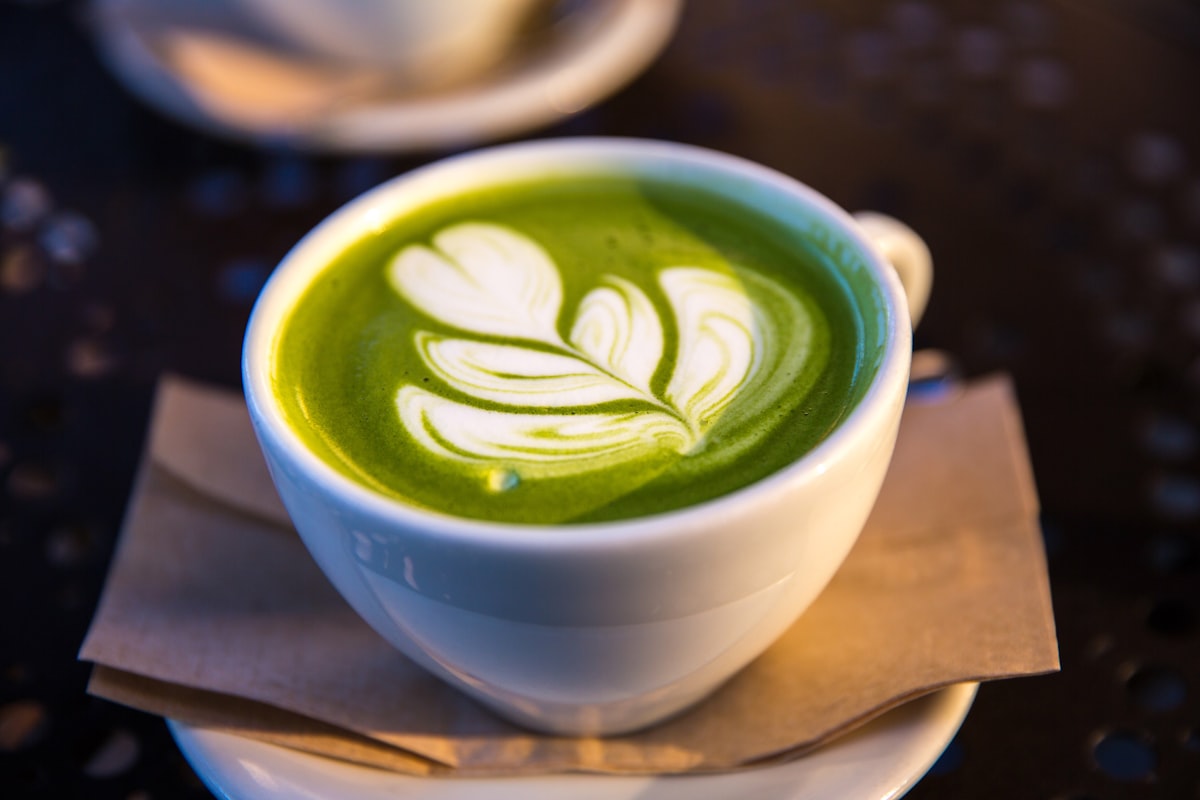
1. Classic Matcha Latte
This is where most people start, and for good reason. Sift 1-2 teaspoons of matcha powder into a bowl or mug, add a splash of hot water (around 80°C – not boiling, which makes it bitter), and whisk until smooth. A bamboo chasen works best, but a small electric milk frother does the job. Top up with 200ml of your preferred warm milk – oat milk works particularly well – and sweeten with half a teaspoon of honey if you like.
The whole thing takes under three minutes. Once you’ve nailed the basic ratio, you’ll wonder why you ever queued for one.
2. Iced Matcha with Vanilla
As the weather warms up this spring, an iced version is hard to beat. Whisk your matcha with a small amount of warm water as above, then pour over a tall glass of ice. Add cold milk and a drop of vanilla extract. The combination of vanilla and matcha is one of the most popular flavour pairings in cafes right now, and it’s dead simple to recreate.
For a slightly more indulgent twist, stir in a tablespoon of condensed milk instead of regular sweetener. It gives a creamy richness that makes it feel like a proper treat.
Tips for the Best Iced Matcha
Always dissolve the matcha in warm water first. Dumping powder straight into cold milk will leave you with lumps, no matter how hard you shake it. A small jar with a lid works as a makeshift shaker if you’re in a rush.

3. Matcha Overnight Oats
If you’re someone who struggles with breakfast, this one’s a lifesaver. The night before, mix 40g of rolled oats with 150ml milk, a teaspoon of matcha, a teaspoon of chia seeds, and a drizzle of maple syrup. Stir it all together, cover, and leave in the fridge overnight.
By morning you’ve got a ready-to-eat breakfast that’s packed with fibre, slow-release energy, and that gentle matcha caffeine kick. Top with fresh berries or a spoonful of yoghurt. It’s a brilliant option if you’re trying to cook more at home without spending ages in the kitchen.
4. Matcha Banana Smoothie
Blend one frozen banana, a teaspoon of matcha, 200ml of milk, a tablespoon of peanut butter, and a handful of spinach. The banana provides natural sweetness that balances matcha’s earthiness, while the peanut butter adds protein to keep you full through the morning.
This takes about 90 seconds from start to finish and is a genuinely filling meal replacement when you’re short on time. The spinach is virtually undetectable but adds an extra nutrient boost. It’s one of those easy matcha recipes at home that earns a permanent spot in your rotation.
5. Matcha and White Chocolate Cookies
Matcha and white chocolate is a pairing that works beautifully in baking. Cream together 100g of softened butter with 75g of caster sugar, then beat in one egg and a teaspoon of vanilla extract. Fold in 200g of plain flour, two teaspoons of matcha powder, half a teaspoon of baking powder, and 100g of white chocolate chips.
Roll into balls, flatten slightly, and bake at 180°C for 10-12 minutes. They’ll look slightly underdone when you take them out, but they firm up as they cool. The result is a soft, chewy cookie with a striking green colour that tastes far more impressive than the effort involved.
These make a great addition to a spring cooking session when you’re already in the kitchen.
What to Look for When Buying Matcha
Not all matcha is created equal. For drinking, go for ceremonial grade – it’s smoother and less bitter. For baking and smoothies, culinary grade is fine and costs less. Look for a vibrant green colour rather than dull olive, which usually indicates lower quality or older stock.
Good UK stockists include specialist tea retailers and health food shops like Holland & Barrett. Expect to pay between £15-£30 for a decent 30g tin of ceremonial grade, or around £10-£15 for culinary grade.
Frequently Asked Questions
Is matcha better for you than coffee?
Matcha contains roughly 70mg of caffeine per serving compared to coffee’s 95mg, but the L-theanine in matcha promotes a calmer, more sustained energy boost without the jitters or crash that coffee can cause. It’s also rich in antioxidants called catechins, which have been linked to various health benefits.
How much matcha should you drink per day?
Most experts suggest sticking to 2-3 cups per day. That gives you the benefits without consuming too much caffeine. If you’re pregnant or sensitive to caffeine, check with your GP first.
Can you use any matcha for cooking?
Culinary-grade matcha is best for baking and smoothies – it has a stronger flavour that holds up against other ingredients and costs less than ceremonial grade. Save the pricier stuff for lattes and straight-up drinking where you’ll notice the smoother taste.
Why is matcha so expensive in 2026?
A global shortage driven by surging demand – particularly from cafes and ready-to-drink brands – has pushed prices up. Organic matcha has seen costs rise by over 20% year-on-year. Growing conditions in Japan, where most premium matcha is produced, have also been affected by climate variability.