
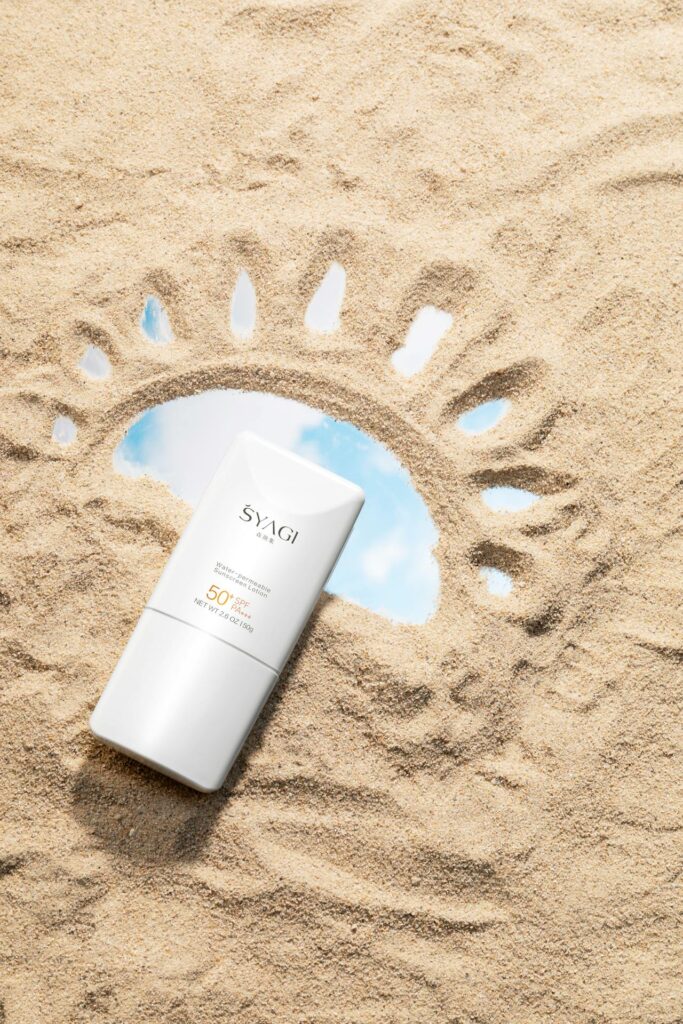
Best Daily SPF Face Cream UK 2026: Tested Under £25
The best daily SPF face cream UK 2026 shoppers can actually afford doesn’t come with a £40 price tag. With April pollen, brighter evenings and a steady climb in UV index readings across England this week, spring is when most of us quietly fall off daily sunscreen and wonder later why the pigmentation crept back. This guide cuts through the marketing and lines up the under-£25 face SPFs that genuinely perform in 2026 – tested on UK skin, layered under real makeup, and judged on the only metric that matters: whether you’ll wear them every morning.
In This Article
- Why the Best Daily SPF Face Cream UK 2026 Matters More Than Any Other Step
- What to Look for in a Daily Face SPF
- The Best Daily SPF Face Creams Under £25 in the UK for 2026
- Garnier Ambre Solaire Ultra-Light Sensitive Face Fluid SPF50+ – £12
- La Roche-Posay Anthelios UVMune 400 Invisible Fluid SPF50+ – £18
- Nivea UV Face Shine Control SPF50 – £7.50
- Bondi Sands SPF 50+ Face Fluid – £13
- How to Apply Your SPF Face Cream Properly
- SPF Myths That Need to Go in 2026
- Frequently Asked Questions
- Is SPF 30 enough for daily use in the UK in 2026?
- Can I skip SPF on cloudy days?
- Do I need to reapply SPF if I'm working indoors all day?
- What's the difference between chemical and mineral SPF?
Why the Best Daily SPF Face Cream UK 2026 Matters More Than Any Other Step
Dermatologists now put daily sunscreen ahead of every other active in a routine – retinol, vitamin C, peptides, the lot. UV is the biggest driver of visible ageing and uneven skin tone in British skin, and it’s still the most skipped step. According to the NHS, up to 80% of UV rays punch through cloud cover, so that grey April sky over Manchester is not the protection you think it is. The good news for 2026: the under-£25 shelf has never been better, with La Roche-Posay, Garnier and Bondi Sands all sitting comfortably next to pricier dermatologist-recommended picks.
If you’re already running a thoughtful routine – a gentle azelaic acid a few nights a week, or the bakuchiol route instead of retinol – skipping SPF undoes the slow progress those actives are making. It’s the one non-negotiable.
What to Look for in a Daily Face SPF
Before picking a bottle, there are four things worth checking: broad-spectrum UVA and UVB protection, at least SPF 30 (SPF 50 is better for UK spring and summer), a texture that sits well under makeup without pilling, and a finish that doesn’t leave a white cast on your skin tone. Fragrance-free formulas are kinder if your skin is reactive – which most British skin is by late April, between pollen, wind and central-heating hangover. Our piece on hay fever skin in the UK covers why spring skin needs gentler products than you think.
If you’re exploring other active ingredients – like the best peptide serums or ectoin products for sensitive skin – SPF is the step that protects all that hard work from being undone by UV exposure.

The Best Daily SPF Face Creams Under £25 in the UK for 2026
Garnier Ambre Solaire Ultra-Light Sensitive Face Fluid SPF50+ – £12
The best daily SPF face cream under £15 by a clear margin in 2026. Incredibly lightweight, absorbs in seconds, and leaves zero white cast on pale to medium UK skin tones. At SPF 50+ you’re getting serious broad-spectrum protection for less than a Pret lunch. Layers quietly under makeup and doesn’t push oily skin over the edge, which is a common complaint with cheaper sun fluids. Widely stocked at Boots, Superdrug and most supermarkets.
La Roche-Posay Anthelios UVMune 400 Invisible Fluid SPF50+ – £18
La Roche-Posay has been the dermatologist default for years and this version earns the reputation. The UVMune 400 technology protects against ultra-long UVA rays most sunscreens miss entirely, which matters more as we move into longer, brighter British spring days. Fragrance-free, non-comedogenic and genuinely invisible on a wider range of skin tones than the older Anthelios formulas. At £18 it sits at the top of our budget but is the pick if you want one bottle that covers every base.
Nivea UV Face Shine Control SPF50 – £7.50
For under £8 this is remarkable. Nivea’s shine control formula is mattifying without being drying, which makes it the best daily SPF face cream for combination or oily skin types on a tight budget. It won’t win awards for elegance, but it does the job reliably and costs less than a takeaway coffee. A sensible starter SPF if you’ve been avoiding a daily sunscreen step because of cost.
Bondi Sands SPF 50+ Face Fluid – £13
Originally Australian (and Australians are the global benchmark for sun protection), Bondi Sands is now everywhere in Boots and Superdrug in 2026. This face fluid is lightweight, fragrance-free, and designed specifically for daily wear rather than the beach. Layers beautifully under makeup and doesn’t turn sticky in warmer weather – useful once we hit the first properly sunny May weekend.

How to Apply Your SPF Face Cream Properly
Most people use far too little sunscreen. You need roughly a two-finger-length strip – measured along your index and middle fingers – to cover your entire face and neck. Apply it as the last step of your skincare routine, before makeup, and give it a minute or two to set.
Reapplication is important too, especially if you’re outdoors for extended periods. If you wear makeup, SPF setting sprays or powder SPFs can help top up protection without disrupting your base. If you’re using treatments like at-home red light therapy, applying SPF afterwards is essential as these treatments can increase photosensitivity.
SPF Myths That Need to Go in 2026
There’s still a stubborn myth that darker skin tones don’t need SPF. That’s wrong. Melanin provides some natural protection, but nowhere near enough to prevent UV damage or hyperpigmentation, which remains the number one dermatology complaint on Black and brown British skin. Everyone benefits from daily sunscreen, full stop.
Another common misconception is that SPF in your moisturiser or foundation is sufficient. In reality, you’d need to apply an unrealistic amount of tinted moisturiser to get the stated SPF level. A dedicated face sunscreen underneath is always the better choice.
Frequently Asked Questions
Is SPF 30 enough for daily use in the UK in 2026?
SPF 30 blocks around 97% of UVB rays and is adequate for typical UK days when you’re mostly indoors. If you spend a lot of time outside, have fair skin that burns easily, or live somewhere like the south coast where UV index climbs higher through spring, SPF 50 offers extra protection and is the safer daily bet.
Can I skip SPF on cloudy days?
No. Up to 80% of UV radiation passes through clouds, so your skin is still being exposed even when it’s overcast. Dermatologists recommend wearing the best daily SPF face cream you can every single day, regardless of the weather, as part of your morning routine.
Do I need to reapply SPF if I’m working indoors all day?
If you’re sat away from windows and don’t go outside at lunchtime, a single morning application is generally fine. However, if you sit near a window that lets in direct sunlight, UVA rays pass through glass, so reapplication or closing blinds is worth considering.
What’s the difference between chemical and mineral SPF?
Chemical sunscreens absorb UV rays and convert them to heat, while mineral (physical) sunscreens sit on top of the skin and reflect UV away. Both are effective. Chemical formulas tend to be lighter and more cosmetically elegant, while mineral options are often better for very sensitive or reactive skin.
Protecting your skin from UV damage doesn’t have to cost a fortune. Any of these face SPFs will do the job properly – the most important thing is finding one you’ll actually use every morning. Which of these four have you tried, and is there a budget SPF you rate that we’ve missed for 2026?