
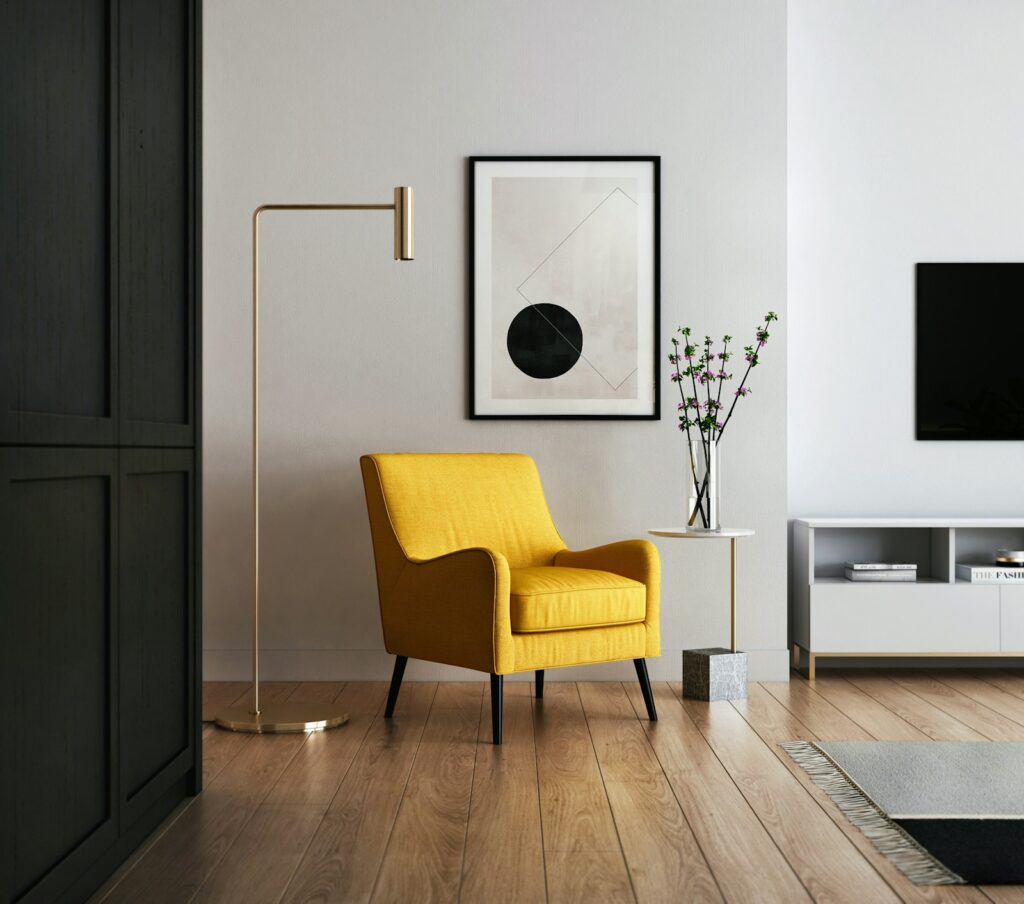
Sculptural Accent Chair Trend 2026: Why Designers Want One in Every Room You Can’t Actually Sit In
Anahita Rigby’s line in Livingetc’s round-up of 2026 interior trends is the sort of thing that makes half the readers nod and the other half reach for the nearest cushion: “every home needs at least one uncomfortable chair.” It’s a funny sentence. It’s also, if you look at how designers have been furnishing rooms this year, a fairly accurate description of the sculptural accent chair trend.
In This Article
- What a sculptural accent chair actually is
- Why designers are pushing it right now
- The case against: where this trend falls flat
- Where it works best, room by room
- Comparing the three looks you'll see in shops
- How to buy one without regretting it
- Buying second-hand is the smarter route
- Styling it so it looks deliberate
- What it costs, and what I wouldn't pay
- The verdict
I think it’s brilliant for about a third of homes and a waste of floor space in the rest. Here’s how to tell which camp you’re in before you spend a penny.
What a sculptural accent chair actually is
Strip away the marketing and a sculptural accent chair is a seat where the shape came first and the sitting came second. Think carved or moulded curves, a back that bows out like a shell, legs that look like they belong in a gallery, or a frame so chunky it could double as a plinth. Livingetc lists “uncomfortable” chairs as one of its 15 trends that will define the rest of 2026, describing sculptural chairs that are valued for form over comfort. (The article was last updated in March 2026, so read it as a mid-year snapshot rather than a prediction.)
The idea isn’t new. Gerrit Rietveld’s Red and Blue chair dates from around 1917 and looks like a stack of planks that lost an argument with a ruler. Marcel Breuer’s Wassily chair arrived in the mid-1920s, all tubular steel and stretched fabric. Verner Panton’s single-piece plastic chair was designed in 1960. None of them were built to be slumped into for a three-hour film. All of them are still in museum shops.
What’s changed is who’s buying. A sculptural chair used to be something you’d see in a design-led hotel lobby or a magazine shoot. Now it’s the thing people put in the corner of a rented one-bed because the sofa came with the flat and they wanted one object that said I chose this.
Why designers are pushing it right now
Because rooms have got comfortable to the point of boredom.
Look at the last few years of living room advice: bigger sofas, deeper cushions, bouclé on everything, a throw draped over whatever’s left. It’s cosy, and it’s also a bit samey. When every seat in the room is a soft, low-slung, beige-ish lump, nothing in the room gets your attention. A chair with a hard edge and a strong silhouette gives the eye somewhere to land.
There’s a second reason, and it’s a practical one. Most British living rooms aren’t big. If you’ve got one main sofa, a TV and a coffee table, the fourth corner of the room is usually dead space. Putting a full-size armchair there means squeezing past it. Putting a sculptural chair there means you’ve added something to look at without adding something to sit on, which is why designers can get away with recommending a chair that’s slightly rubbish to sit in. It’s furniture doing the job of art.
And art is expensive. A decent print and a frame can easily cost as much as a mid-range chair, and the chair at least has a second function when your mother-in-law visits.
The case against: where this trend falls flat
I’ll say it plainly. If you’re buying for a room where people actually sit, the “uncomfortable chair” idea is mostly nonsense.
Take a normal family living room. The sofa seats two and a half people. Someone always ends up on the floor or on a dining chair dragged through from the kitchen. In that house, a chair that looks great and can’t be sat on for more than ten minutes is a chair that collects coats. The sculptural chair becomes a very expensive hook.
The honest test is simple: if you’d ever need that chair for a guest, it has to pass the sit test. If you wouldn’t, it can fail it gloriously. Most of the trend coverage skips this distinction because it’s easier to photograph a room than to describe an awkward Christmas lunch.
That’s my one hard opinion on the whole trend. Treat the sculptural chair as decoration in rooms where seating is already sorted, and as a mistake in rooms where it isn’t.
Where it works best, room by room
Four places make real sense.
The hallway. Nobody lingers in a hall, so comfort barely matters, and a good chair there does a proper job: somewhere to put a bag down, or to perch while you pull your boots on. It also changes how the whole house feels when the front door opens. If you’re rethinking that space anyway, our hallway ideas for 2026 covers the layout side.
The bedroom corner. This is the most honest use of an accent chair in the entire house, because the real function is clothes. A sculptural chair with a curved back holds a jumper far better than you’d expect, and looks intentional rather than messy. Pair it with a bold bed and the effect gets stronger. We looked at that at length in the piece on oversized headboards.
Beside a bookcase or window. A “reading chair” that nobody reads in is a classic. If you won’t actually settle into it, let it be a sculptural object next to a lamp and call it styling.
The landing or stairwell. Dead space again, and usually a plain wall that’s begging for a single strong shape.
Comparing the three looks you’ll see in shops
Not every sculptural chair is the same animal, and the differences matter for both comfort and how long the look lasts.
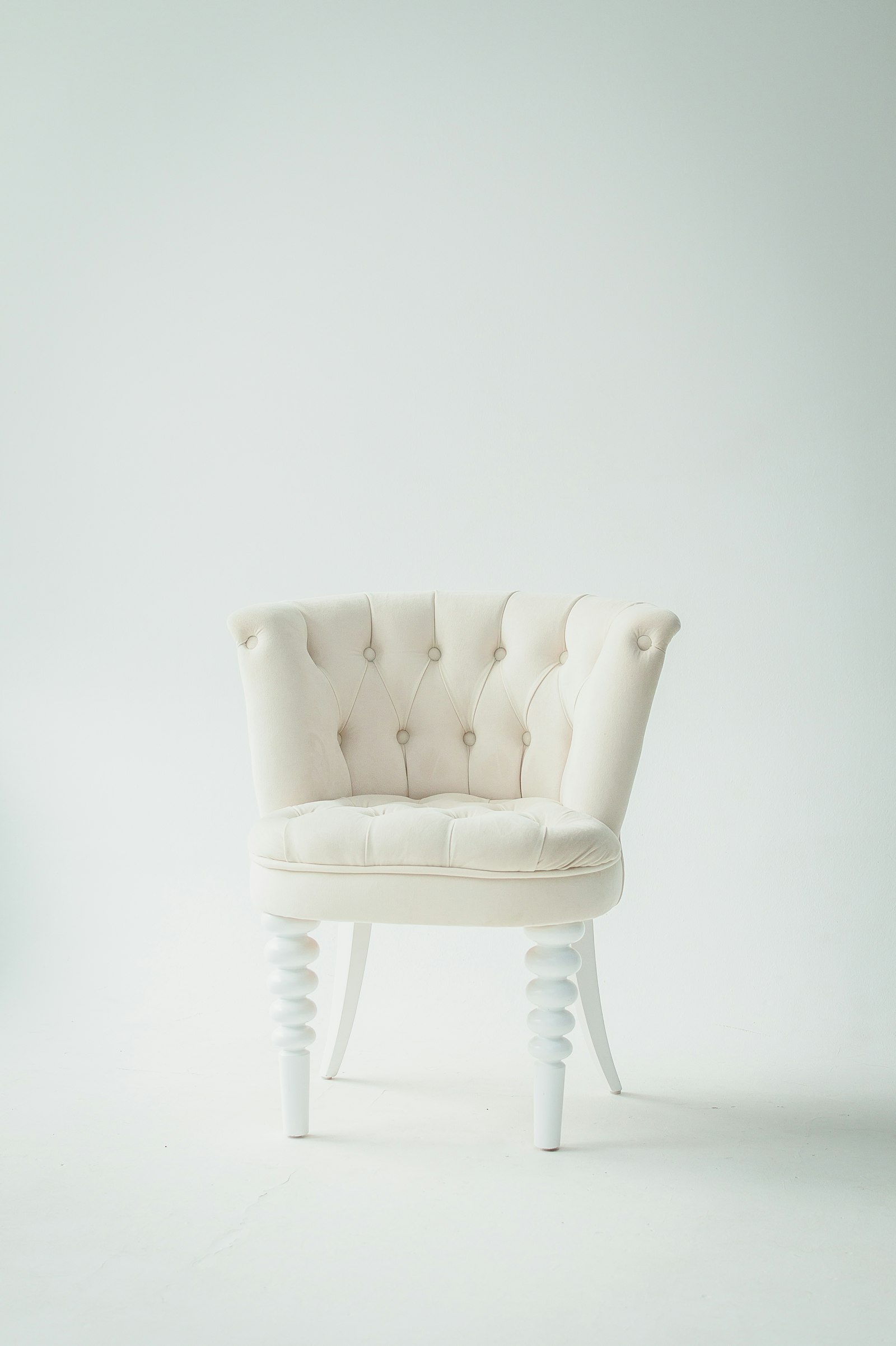
The curvy shell. Rounded back, soft edges, usually upholstered in a textured fabric. This is the most forgiving one. Because the curves cradle you slightly, it’s the closest thing to a comfortable sculptural chair, and it’s what most high-street ranges are copying. The downside is that it’s also the version you’ll see in every other flat on Instagram, so if you want something that looks distinctive, it won’t.
The hard-edged frame. Wood, metal or moulded plastic, with perhaps a thin pad on the seat. This is the proper “uncomfortable” end of the trend and it’s the one I like best. It has the longest design lineage, from Rietveld to Breuer, and it ages better because it isn’t relying on a fabric fashion. But you do need to be honest about whether you’ll sit in it.
The chunky statement piece. Thick carved legs, heavy base, almost sofa-like proportions in a small footprint. Livingetc’s wider trend list leans into dark woods and heavy materials, and this is the chair version of that mood. It looks expensive even when it isn’t. It can also swallow a small room, so measure first.
If I had to pick one for a typical British rented flat, I’d take the hard-edged frame in a pale wood and add a seat pad that comes off when you want it gone.
How to buy one without regretting it
Do the sit test. Properly. If you’re in a shop, sit in it for at least ten minutes while you pretend to look at your phone. Standard seat heights tend to sit somewhere in the mid-40s of centimetres, so if your feet dangle or your knees are above your hips, you’ll know within a minute. If you can only buy online, look at the seat depth and the seat height in the specs and compare them with a chair you already own.
Check the weight. A sculptural chair that’s too heavy to move will end up exactly where the delivery driver left it, and if the room layout changes, so does your problem.
Know your returns rights before you click. For most goods bought online, UK consumers get a 14-day cancellation window that starts when the item arrives, under the Consumer Contracts Regulations, although the retailer can ask you to pay the cost of return in some cases. Which? has a plain-English guide to how it works. Made-to-order and personalised furniture is the exception, and some sculptural pieces fall into that bracket, so read the small print before you order a custom colour.
And look at the fabric. A pale, textured chair in a house with a dog, small children or a red-wine habit will look tired within a season. Darker, tighter weaves hide more than you’d think.
Buying second-hand is the smarter route
Here’s the contrarian bit within the contrarian bit. New “sculptural” chairs from big retailers are, in my view, the weakest way into the trend. A lot of them are the same curvy shell in a different colourway.
The real thing is out there second-hand. Charity furniture shops, auction houses, Facebook Marketplace and eBay all turn up solid wooden chairs, odd mid-century pieces and weird little bentwood frames that nobody has noticed. They’re often cheaper, they’ve already survived decades of use, and nobody else on your street will have one. The caveat is that you’re gambling on condition. Check the joints for wobble, press on the seat for a loose frame, and be ready to pay for reupholstery if the fabric’s tired.
It also fits the way the wider interiors conversation is going. The Livingetc list pushes heavy, characterful materials and one-off pieces, and a battered, character-filled chair beats a flat-pack copy at that every time.
Styling it so it looks deliberate
The mistake people make is putting a sculptural chair in the middle of a busy room and expecting it to hold its own. It won’t. It needs breathing space: a clear bit of wall, a rug edge, a bit of floor.
Give it a light. A lamp next to the chair does half the styling work, and the shadow it throws across the wall behind it makes the silhouette read properly. If you haven’t thought about lamps yet, our guide to living room lighting is the place to start.
Think about the floor too. A chair with thin legs looks better on a plain surface than on a patterned one, though a bold floor can work if the chair is simple. We covered the bolder end of that in checkerboard floors. And if your walls are already doing something dramatic, like the all-over colour in our colour drenching piece, keep the chair quiet in tone and let its outline do the talking.
One more thing: don’t fill it with cushions. A sculptural chair buried under three scatter cushions and a blanket is just an armchair with an identity crisis.
What it costs, and what I wouldn’t pay
I haven’t tested a batch of these, so I won’t pretend to rank specific models. What I can say is how I’d think about the budget.
For a chair you won’t sit in, spend as little as you can without it looking cheap. It’s decoration, and a second-hand find at pocket-money prices does the same visual job as a designer reissue. For a chair that has to pass the sit test, spend more, because comfort and build quality are the only things that justify the cost. And for a famous design classic, check whether you’re buying the real thing or a licensed copy, because the price gap between the two is large and the labels aren’t always clear.
What I wouldn’t pay for is the word “sculptural” on its own. It’s a sticker retailers now put on anything with a curve, and it tells you nothing about how the chair is built.
The verdict
Buy one if you’ve got a dead corner, a hallway, a bedroom that needs somewhere for clothes, or a wall that needs something to look at. Skip it if your main living room is already short of seats.
The trend’s real appeal isn’t discomfort. It’s that for once a chair is allowed to be something you look at, which is a rare luxury in a small British home where everything has to earn its keep twice. So where’s the dead corner in your house, and what would you put there if it didn’t have to be useful?
Further reading: Livingetc’s full list of 15 interior trends and its living room trends for 2026. The most recent colour story we covered is Dulux’s colour of the year for 2027.