Turner Prize 2026: Free Entry Until March, £25,000 at Stake and a Show Critics Call the Best in Years
The best work in this year’s Turner Prize show is a plinth of acrylic paperweights, each one holding a small sample of crude oil. That’s it. No spectacle, no scaffolding, no mirrored room of ghostly figures. And according to the critics who’ve made the trip to Middlesbrough, it’s also the one piece that makes everything around it look slightly underfed.
In This Article
- Turner Prize 2026: what you get for nothing
- Four rooms, ranked by how hard they stay with you
- Why the oil paperweights win the argument
- Where the show stumbles
- The first Turner Prize inside a university
- The Wakefield thread nobody's pulling on
- Prize money, and why £10,000 for losing is the bit people forget
- Who's actually going to watch this?
- The case for going before December
The Turner Prize 2026 opened at MIMA on 26 September and runs until 29 March 2027. Entry is free. The winner, who collects £25,000, gets named at a ceremony at the gallery on 10 December, which is 59 days away as I write this. So there’s time to form a view before somebody else forms it for you.
This isn’t a preview. The show is open, the reviews are in, and for once the critics are broadly pleased. Here’s how it stacks up, where it stumbles, and which of the four shortlisted artists I think the jury will struggle most to ignore.
Turner Prize 2026: what you get for nothing
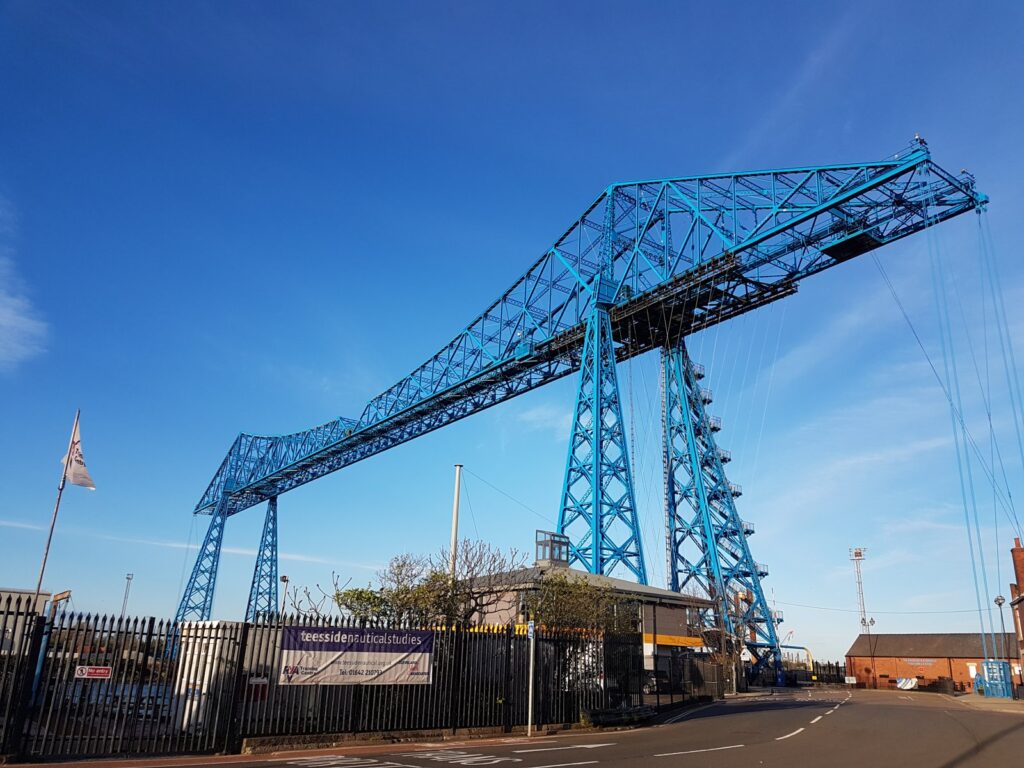
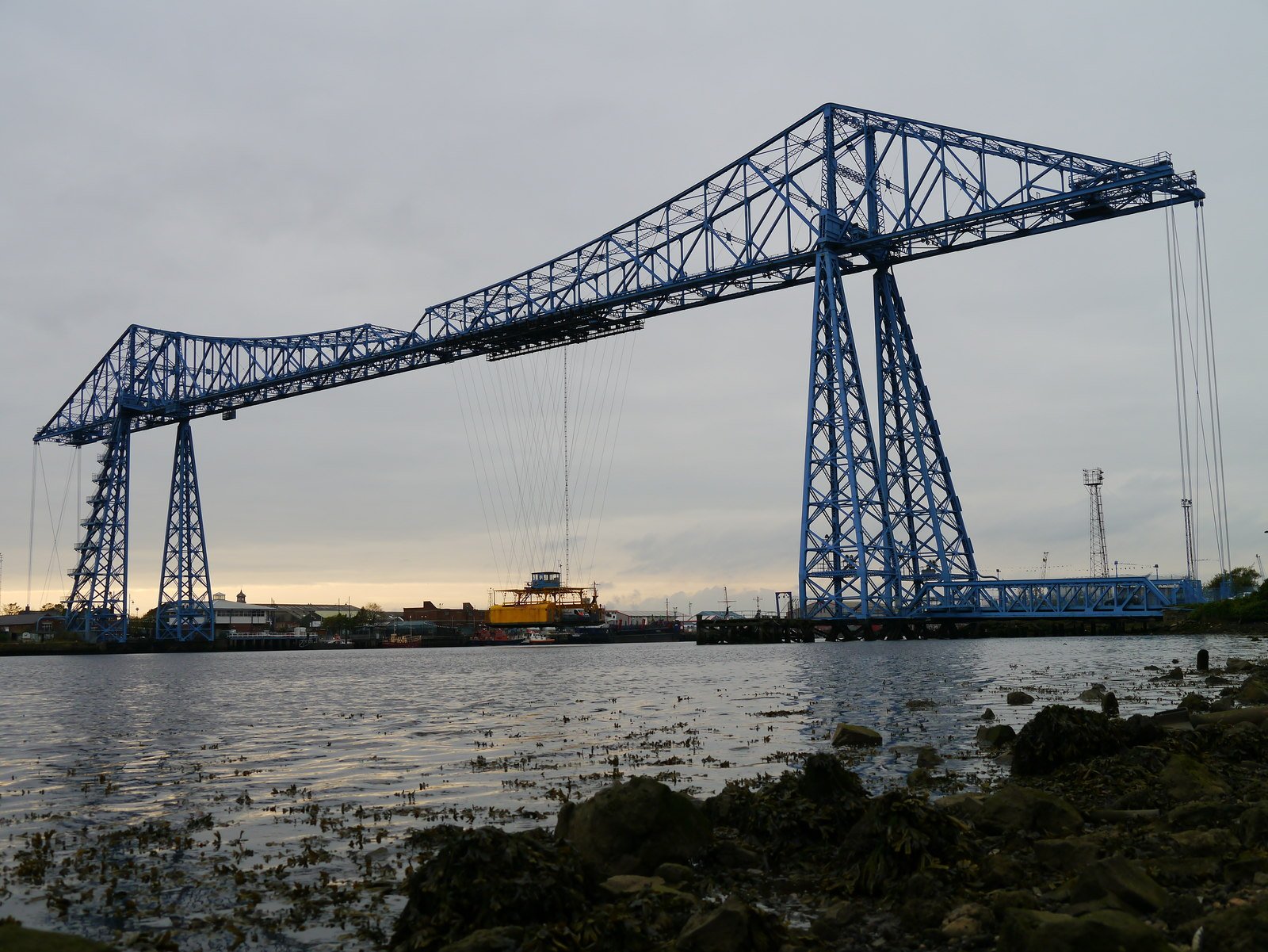
MIMA, the Middlesbrough Institute of Modern Art, sits at Centre Square, TS1 2AZ. It’s open Tuesday to Saturday from 10am to 4:30pm, with last entry at 3:30pm, and on Sundays from 12 to 4pm with last entry at 3pm. It’s closed on Mondays and bank holidays. The Art Fund listing says Thursdays stay open until 7pm; I’d check that with the gallery before you plan a trip around it.
Free matters here. Compare it with the £48 fair pass at Frieze London, or the £48.75 that gets you into the Mercury Prize night in Newcastle. The Turner lets you see every shortlisted artist’s work for nothing at all, which is not something you can say about most of the autumn’s cultural prizes.
It’s also a six-month run, which most people ignore. The ceremony is a television-and-headlines moment, but the exhibition doesn’t close when the winner is announced. If you’d rather see the show without a crowd of people reading wall labels at you, January on a wet weekday is probably the better bet. I’m guessing on that, mind – I haven’t been, and I can’t tell you how busy MIMA gets.
Four rooms, ranked by how hard they stay with you
The shortlist is Simeon Barclay, Kira Freije, Marguerite Humeau and Tanoa Sasraku. The jury is chaired by Alex Farquharson, director of Tate Britain, and includes Sarah Allen of the South London Gallery, Joe Hill of Yorkshire Sculpture Park, Sook-Kyung Lee of the Whitworth and Alona Pardo of the Arts Council Collection. Tate’s opening announcement has the full details.
Tanoa Sasraku, Morale Patch. Sasraku was nominated for an installation at the ICA in London that looks at the political and military histories of oil, using a visual language borrowed from corporate life. The paperweight piece, Watchlist (2025), is the centrepiece. Eddy Frankel, reviewing for Artnet on 24 September, wrote: “It’s hard to think of a more effective use of the readymade.” He found the rest of her room too slight. David McAllister, writing for Prospect on 29 September, went further, calling Watchlist “the strongest work in the show” and saying it is “too good for the other works in the room”.
Kira Freije, Unspeak the Chorus. Freije makes life-size figures on bare metal armatures with stonecast faces, and her Hepworth Wakefield show was her first major solo exhibition. At MIMA the figures sit upstairs, fragmented and caught mid-feeling. Frankel reckons critics will love it and says it has the best odds of the four, but he finds it emotional rather than conceptual, and a bit stranded on its own floor. McAllister calls it evocative.
Marguerite Humeau, Torches. Shown originally at ARKEN in Copenhagen and the Helsinki Art Museum, it’s the most cinematic of the four: sculptures based on natural species, looped light and sound, crystal orbs, a honeycomb structure, fungal logs. Frankel reads it as hope after the apocalypse and says it looks squeezed into the space. McAllister says it rewards patience.
Simeon Barclay, The Ruin. Barclay’s nominated piece began life as an hour-long spoken-word performance, with live percussion and horn, rooted in his Huddersfield upbringing. At MIMA it’s a scaffolding structure with falling balloons, a flickering neon sign and a film of pylons, clouds and, yes, David and Victoria Beckham, asking whether the M62 ever delivered the prosperity it promised. Frankel finds it wry and rewarding if you stay put. McAllister rates it the weakest of the four.
Notice the split. Two critics, both broadly positive about the exhibition, rank Barclay differently. That’s not a flaw in the reviews. It’s the point of a prize with a jury of five and no scoring system.
Why the oil paperweights win the argument
Here’s my position, and I’ll defend it: Sasraku should win, and the reasons are boring in the best way.
A paperweight is a corporate trinket. It’s what you’d get handed at a conference in 1994, sitting in a branded bag next to a lanyard. Fill it with real crude oil and the trinket stops being funny and starts being faintly obscene, because it turns an industry that shapes wars and weather into a desk ornament. That’s a single gesture. It doesn’t need a wall text, a sound installation or an hour of your afternoon.
Frankel’s line about the readymade is the right one. Since Duchamp, every artist who’s picked up an ordinary object has been playing the same trick, and most of them do it badly. Sasraku does it economically. And when a show is otherwise full of rooms asking for your patience, the work that lands in ten seconds has a real advantage.
But I don’t think she’s the favourite. Juries like feeling, and Freije’s figures are all feeling. If Frankel’s read on the odds is right, the quiet conceptual piece loses to the emotional one, as it often does.
Where the show stumbles
Frankel’s complaint about the building is worth taking seriously. He says MIMA is poorly suited to so many artists at once, that sound leaks between the presentations, and that the layout feels disjointed. Anyone who’s tried to look at a quiet sculpture while a neighbouring room plays a film at volume will recognise that problem.
It’s a particular trap for this year’s four. Humeau’s work depends on looped light and sound. Barclay’s has a spoken-word origin and a film. Put them near Sasraku’s silent, tight arrangement and something has to give. The usual Turner Prize defence is that a bit of chaos is part of the experience. I’m not convinced that’s true when the work in question needs hush.
Still, you’d rather have a show with a few awkward joins than a show that plays safe. Frankel’s summary is that it’s “probably the best crop of Turner nominees for years”, and he adds that “sometimes the grimmest of times produces the best art”. Apocalypse, greed and grief are the common threads. It isn’t a cheerful afternoon out, and it doesn’t pretend to be.
The first Turner Prize inside a university
Dr Laura Sillars, MIMA’s director, called this “the first Turner Prize within a university setting”, adding that “this moment creates a special context”. MIMA belongs to Teesside University, which means the usual line about art needing to reach beyond the capital has a slightly different shape here. The gallery runs a learning programme alongside the show, developed with Adobe and Octopus Energy, and a wider programme called Turner on Tees. I haven’t found a schedule for either, so I can’t tell you what’s on when.
Since 2011 the exhibition has also been staged in Gateshead, Derry-Londonderry, Glasgow, Hull, Margate, Coventry, Liverpool, Eastbourne and Bradford. Each time the pattern is the same. A town gets a few months of national attention, a flurry of think pieces, and a gallery with a bigger audience than usual.
What happens after the circus leaves is the real test, and nobody can review that yet.
The Wakefield thread nobody’s pulling on
Look at where these nominations came from. Freije’s Unspeak the Chorus was her first major solo show at The Hepworth Wakefield. Barclay’s The Ruin has also been shown at The Hepworth Wakefield, as well as the ICA London and New Art Exchange. Sasraku was nominated for the ICA. Humeau’s work travelled from Copenhagen and Helsinki.
So half the shortlist passed through one gallery in West Yorkshire, and the jury includes the director of Yorkshire Sculpture Park. I’m not suggesting anything dodgy. Juries see what’s in front of them, and what’s in front of them is shaped by which institutions are brave enough to give an artist a big room. But it does make you wonder how many strong shows in smaller venues never reached the people choosing.
It also changes how Barclay’s film reads. A work about the M62, about Huddersfield, about northern England’s promised prosperity, is now hanging in a Teesside gallery that sits on its own long argument about what industry left behind. A Yorkshire-heavy shortlist in a Middlesbrough gallery is a northern conversation by accident, and it’s more interesting than the London-or-nowhere framing the prize used to attract.
Prize money, and why £10,000 for losing is the bit people forget
The winner takes £25,000. Each of the other three gets £10,000, so the whole pot is £55,000. That’s modest next to what a mid-table artist can make from a good commercial gallery year, and it won’t change anyone’s life on its own. The money isn’t why artists want this. The attention is.
A Turner nomination changes what an institution is willing to ask for. It’s the reason Barclay’s The Ruin, which has already been shown at the ICA, the Hepworth Wakefield and the New Art Exchange, is now in front of a much bigger audience than any of those venues could manage alone.
If you follow this sort of thing alongside the rest of the autumn calendar, it fits neatly next to the BFI London Film Festival and the Cheltenham Literature Festival, which is where the cultural year does most of its arguing. The difference is that the Turner argument is free, and you can have it standing in front of the evidence.
Who’s actually going to watch this?
Here’s the awkward bit for anyone who wants to pretend the Turner Prize is a national event. I couldn’t find broadcast details for the 10 December ceremony in Tate’s announcement, so I can’t tell you whether you’ll be able to watch it live. McAllister’s Prospect piece makes a sharper point: that the prize has never had a clearly defined purpose or audience, and that this vagueness may be deliberate and even a strength.
I think he’s right. It isn’t Glastonbury, where a ticket sold out in 42 minutes, as we covered when Glastonbury 2027 went on sale. Nobody queues overnight for the Turner. It works more slowly. It gets a headline in April when the shortlist lands, a round of reviews in September, a winner in December and an argument in the pub (or the office kitchen) for the rest of the winter.
And that slowness is why the free entry matters. The show doesn’t need a stampede. It needs people to turn up in the middle of a Tuesday and spend twenty minutes with a plinth of oil.
The case for going before December
The honest advice is to see it before the winner’s named, so you’ve got a view of your own. Once the headlines say a name, it’s hard to look at the other three rooms without that name sitting on top of them.
Go in with a plan. Start upstairs with Freije, since Frankel expects critics to favour her and you’ll want your own opinion before you’ve read theirs. Spend longer than you think you need with Sasraku. Give Barclay the full length of the film, because the critics disagree about it and the only way to settle that is to sit through it. Leave Humeau until last if you can, when your eyes need something to do.
The jury has until 10 December to decide whether the winner is the loudest room, the saddest room or the smartest. You’ve got until 29 March to decide whether they’re right.
So which of the four would you hand the £25,000 to – the feeling, the oil, the fungus or the Beckhams?