

Best Kids Tablet Under £150 for the Six-Week Holidays: Why the Fire Isn’t the Automatic Answer
The six-week holidays started ten days ago and, if the group chats are anything to go by, half of Britain’s parents are already pricing up screens. Fair enough. Forty-odd days is a long time, and at some point in August there will be a five-hour drive to Cornwall in the rain. If you’re shopping for the best kids tablet under £150 this summer, the good news is that the budget covers every sensible option on the market. The less good news is that the most heavily advertised option – the one with the chunky foam case all over your feed – isn’t automatically the right one.
In This Article
- The "kids edition" secret nobody prints on the box
- The best kids tablet under £150 if you just want it sorted
- The cheaper route Amazon doesn't put on posters
- The Samsung route: pay the same, keep Google
- The spec sheet, translated
- The £4.99-a-month catch to diarise now
- What to leave on the shelf
- Setting it up before the M5 does it for you
- The short version
I’ve spent the last fortnight comparing what £150 buys, and the honest answer is that this market is really three markets wearing one coat: Amazon’s Fire Kids range, standard tablets you child-proof yourself, and a graveyard of no-name Android slabs you should walk past. Here’s how to tell them apart.
The “kids edition” secret nobody prints on the box
Start with the thing the marketing glosses over: a kids edition tablet is almost never different hardware. Amazon’s Fire HD 10 Kids is the same tablet as the standard Fire HD 10. Samsung’s Kids Editions are ordinary Tab A models. What you’re actually buying is a foam bumper, a longer warranty, and a bundled year of subscription content. That bundle can be decent value. But it’s a bundle, not a different machine, and once you see it that way the maths gets a lot more interesting.
It also means the “ages 3-7” and “ages 6-12” labels are mostly about the case colour and the preloaded content profile. Nothing stops a nine-year-old using the younger model.
The best kids tablet under £150 if you just want it sorted
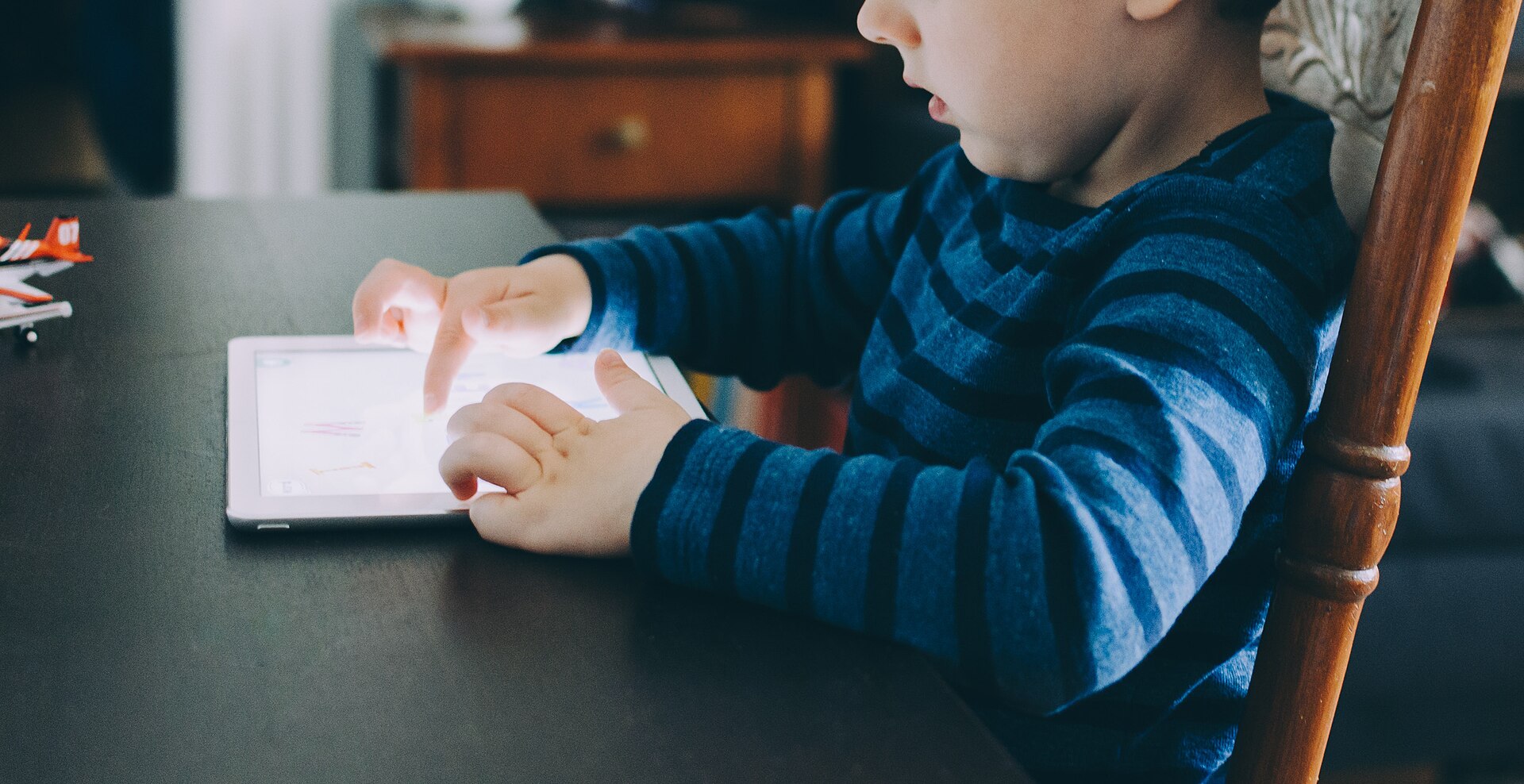
If you want one box to arrive on Wednesday and the problem to go away, buy the Amazon Fire HD 10 Kids. It lists at £199.99 but has spent much of the summer at £114.99 on Amazon itself, and it’s rarely far off that figure these days. For the money you get a 10.1-inch 1080p screen that’s sharp enough for films, roughly 13 hours of battery, the foam case, and the two parts of the bundle that carry real weight.
The first is the two-year worry-free guarantee. If the tablet gets dropped down the stairs, posted through a cat flap or dunked in a paddling pool, Amazon replaces it, no interrogation. Over two years of actual child ownership that’s worth more than any spec. The second is a year of Amazon Kids+, which stocks the tablet with age-filtered books, games and video so you’re not vetting apps yourself at 9pm.
The trade-offs are real, though. Fire tablets run Amazon’s own app store, not Google Play, so some apps your child uses at school or on your phone simply aren’t there. The interface pushes Amazon content constantly. And the processor is adequate rather than quick – fine for CBeebies and Minecraft, wheezy for anything more ambitious.
A note on where to buy, because the price moves. Amazon’s own listing is usually the floor, but Argos and Currys stock the Fire Kids range and both have matched the discount price in past sale windows – useful if you’d rather collect one this afternoon than wait for a van. Whatever you do, don’t pay the £199.99 list price. This tablet has spent so much of 2026 discounted that full price is effectively a mistake fee, and a free price tracker like camelcamelcamel will show you exactly how rarely anyone pays it.
The smaller Fire HD 8 Kids lists at £149.99, and unless it’s on deep discount it’s poor value next to its bigger sibling. Paying more than the 10-inch model’s street price for an 8-inch screen with a softer resolution makes no sense. Skip it unless a sale flips the prices.
The cheaper route Amazon doesn’t put on posters
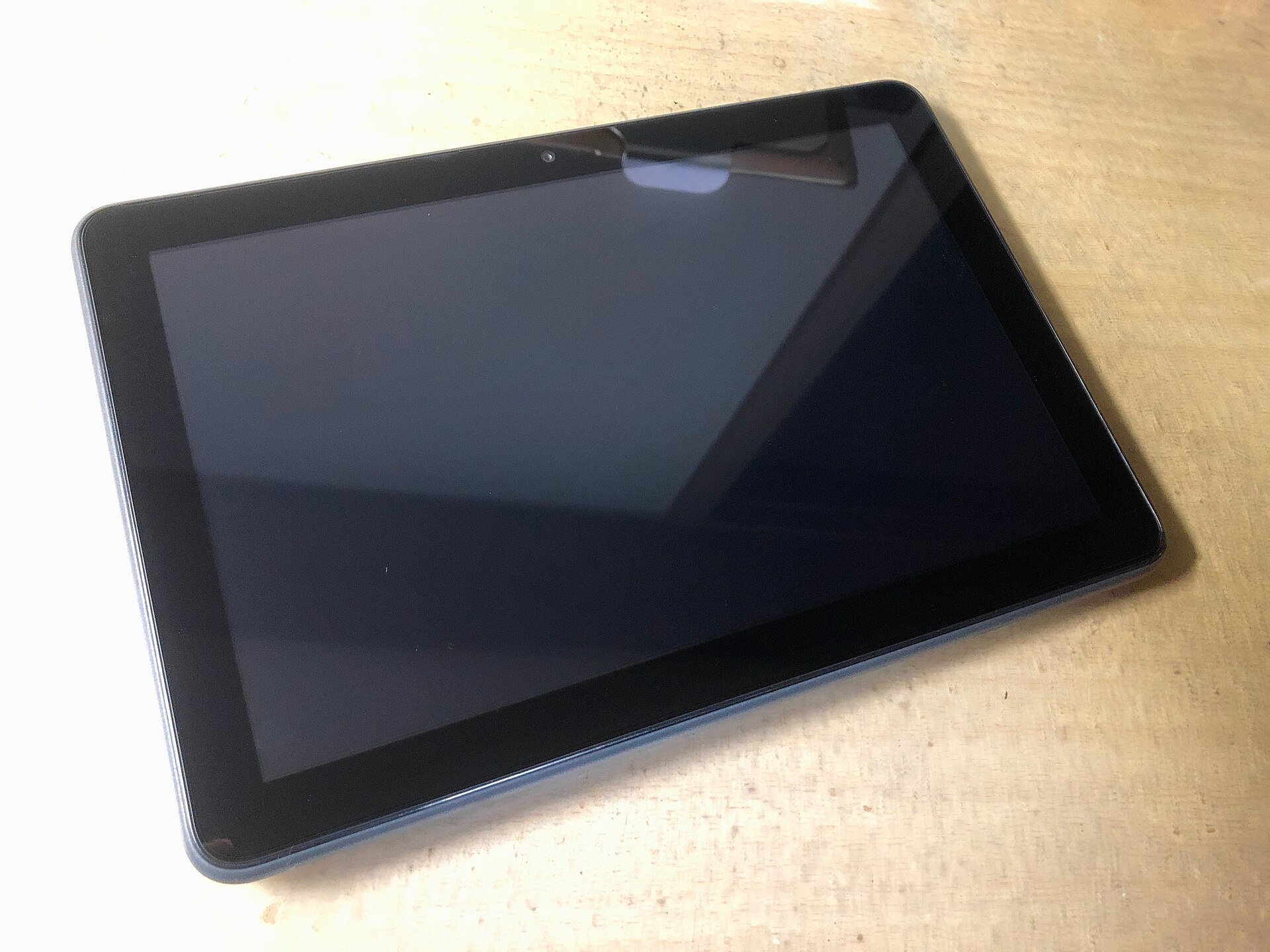
Here’s the version that saves you money. Buy the standard Fire HD 10 without the Kids branding – it’s regularly £30 to £50 cheaper than the Kids bundle – add a third-party foam case for about £15, and turn on Amazon Kids, the free parental-control mode that ships on every Fire tablet anyway. Time limits, app approval, age filters, separate child profiles: all included, no subscription required.
What you lose is the two-year guarantee (the standard warranty is one year) and the bundled Kids+ content year. What you keep is £40 or so and a tablet that doesn’t look like a toddler’s toy when your child hits nine and refuses to be seen with it.
And that last point matters more than the spec sheet. The foam-cased tablet has a social shelf life. The plain one gets used for years.
The Samsung route: pay the same, keep Google
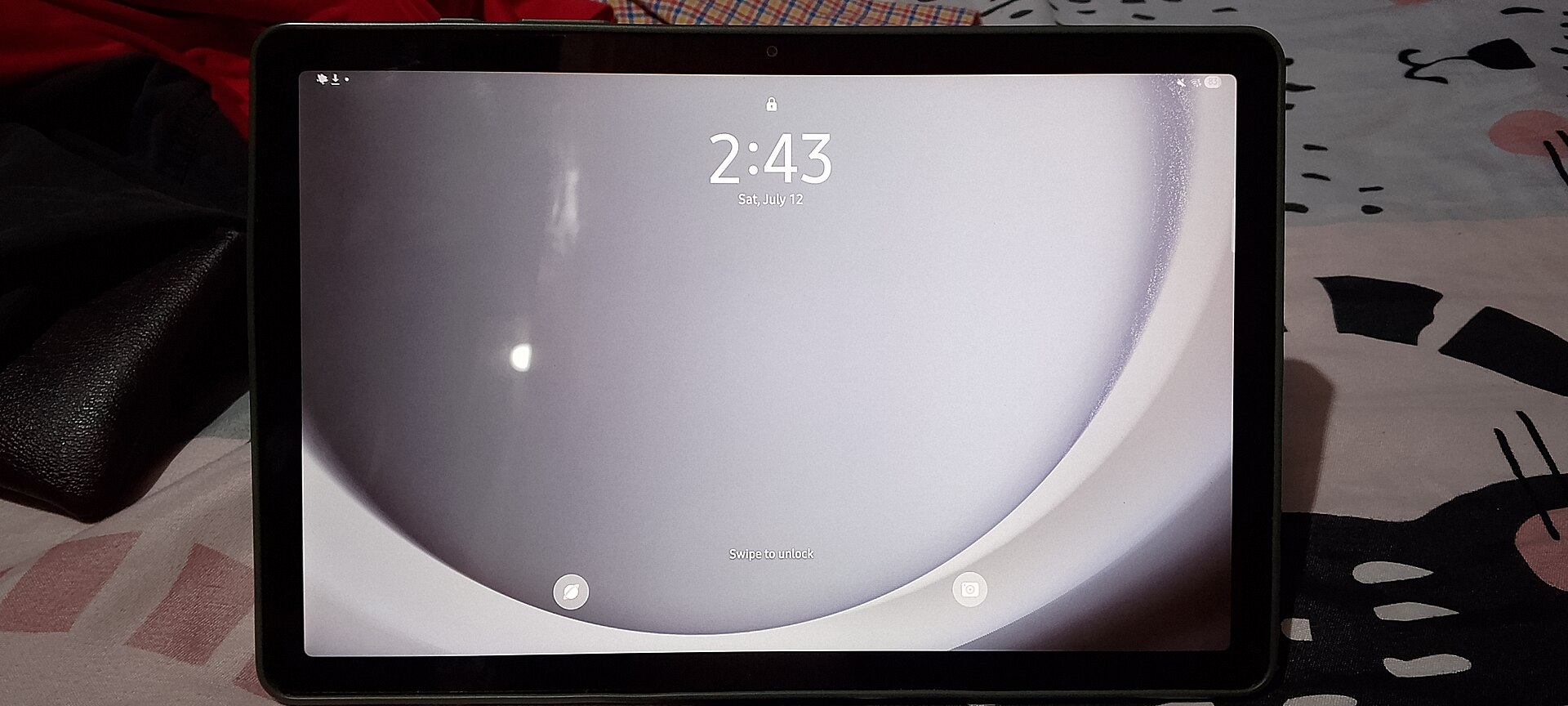
My actual pick for most families, and the closest thing this piece has to a controversial opinion: at this price I’d take a Samsung Galaxy Tab A9 over any Fire tablet, for any child old enough to have opinions about apps. The 8.7-inch model with 64GB has been selling for £110 to £115 all summer, comfortably inside budget with a rugged case on top.
The case for it is simple. It runs proper Android with full Google Play, so the apps your child actually asks for – the school reading app, the weird game their friends play, YouTube Kids – are all there. Google’s parental controls are free: Family Link handles screen-time limits, app approvals and bedtimes from your own phone, and Kids Space gives younger children a walled-garden interface. The screen is a bit dimmer than the Fire HD 10’s and the speakers are thinner, but the software experience is cleaner, with no storefront constantly tugging at your child’s sleeve.
What you give up is the safety net. There’s no worry-free guarantee; if it breaks in month three, that’s your problem. For a careful ten-year-old, fine. For a four-year-old who treats hardware as percussion, the Fire’s guarantee probably wins the argument on its own.
The bigger Tab A9+ is the better tablet, but at around £195 for the 64GB model it’s outside this budget, and honestly the 8.7-inch screen is the right size for small hands anyway.
The spec sheet, translated
Tablet listings at this price are written to confuse, so here’s what the numbers actually mean for a child’s device.
Storage is the one that bites. 32GB sounds plentiful until you learn the operating system eats a third of it, and a single film download runs 2GB to 5GB. For a tablet that’ll spend August storing offline films, 64GB is the realistic minimum – which is a point for the Tab A9, since the 64GB model sits inside budget while Fire Kids tablets default to 32GB. The Fire’s partial rescue is a microSD slot: a 128GB card costs about £10 in a supermarket and solves the problem, as long as you remember it exists before the motorway.
RAM decides how cross the tablet makes everyone. 3GB is the floor at this price and it shows when switching between apps; 4GB is noticeably calmer. Neither the Fire HD 10 nor the base Tab A9 will feel quick, and that’s fine. A child’s tablet needs to be patient, not fast.
Screen resolution matters more than brightness claims. The Fire HD 10’s 1080p panel is the best display you’ll get for the money, full stop. The Tab A9’s 8.7-inch screen runs a lower resolution, but across a smaller area, so in practice it looks fine and nobody under twelve has ever complained about it. What you can ignore entirely: refresh-rate marketing, camera megapixels (every camera at this price is dreadful, and that’s not what the tablet is for), and anything described as an AI feature.
Battery claims of 12 or 13 hours translate to seven or eight of actual video playback with the brightness up. Enough for the drive to Cornwall. Not enough for the drive to Cornwall and back on one charge, so pack the cable.
The £4.99-a-month catch to diarise now
One thing to write on the calendar the day any Fire Kids tablet arrives: the bundled year of Amazon Kids+ auto-renews at £4.99 a month when it ends. That’s £60 a year for content your child may have outgrown by then, and Amazon doesn’t exactly send a card. Set a reminder for month eleven and decide then whether it’s still earning its keep. Money Saving Expert has been banging the drum about forgotten auto-renewals for years, and this one is a textbook case.
While you’re at it, check what you already pay for. If your household has Netflix or Disney+, both allow child profiles and downloads, which covers the long-car-journey use case without Kids+ at all. The BBC’s iPlayer app does downloads too, free, and its children’s section is deeper than people remember. Between those and a library card (the Libby app lends children’s audiobooks at no cost), a family can skip subscription content entirely and the child will never notice the difference.
Kids+ earns its fee in one situation: children under six whose parents don’t want to vet apps individually. The pre-checked library is the actual product there. Past that age, kids know exactly which apps they want, and a filtered library of things they didn’t ask for starts gathering dust.
What to leave on the shelf
Two categories fail the test. The first is the sub-£60 no-name Android tablet – the sort with a made-up brand, a “kids” sticker and 32GB of storage that’s half-full out of the box. They ship with old versions of Android, stop getting security updates almost immediately, and the screens are dim, low-resolution panels that make everything look like it’s behind greaseproof paper. A cheap tablet a child won’t use isn’t a saving.
The second is the dedicated “learning tablet” aimed at ages three to five. They’re locked to one company’s content, the hardware is years behind a £115 Fire, and children outgrow them in about eighteen months. Which? has made a similar point in its tablet testing over the years: the best child’s tablet is usually a good normal tablet with sensible controls, not a plastic educational appliance.
Refurbished iPads deserve a one-line mention. A refurb iPad 9 hovers just above this budget, and if you can stretch, Apple’s Screen Time controls are decent. But under £150, at the refurb grades you’d be looking at, battery condition is a lottery I wouldn’t enter for a child’s main device.
Setting it up before the M5 does it for you
Whichever tablet wins, do the setup the night before you travel, not on the drive. This sounds obvious. It’s also the step most people skip, which is why every August service station contains at least one parent hunched over a tablet trying to remember an Amazon password on 4G.
Download the films and games while Download the films and games while you’re still on home wi-fi – a service-station hotspot at 11am on a Saturday in August is not a plan. Make the child profile, set the daily limits, and approve the first batch of apps so you’re not fielding permission requests from the front seat.
If the tablet is part of a bigger summer operation, we’ve covered the rest of the kit this month: our guide to choosing a family tent under £200 takes the same no-nonsense approach to canvas, and what £1,000 buys in the August peak is worth a read before you book anything. Flying instead? The 2026 hand luggage rules piece will save you a £48 surprise at the gate – and yes, a tablet counts as a personal item you can keep out for the bag check. For the garden days in between, there’s our garden Bluetooth speaker test.
The short version
Under-fives, or any child with a demolition record: Fire HD 10 Kids at £114.99, mostly for the guarantee. Seven and up, or anyone who’ll want real apps: Galaxy Tab A9 plus a £15 rugged case and free Family Link. Confident with settings and want the biggest saving: standard Fire HD 10 in a third-party case. Nobody: the £50 mystery-brand tablet, the Fire HD 8 Kids at full price, or a Kids+ subscription silently renewing into its third year.
Forty days of holiday left, give or take. What’s your screen-time plan actually going to survive – the tablet, or the rules you set for it?