

679 Racers to a Marathon-Style Ballot: How Hyrox Training Conquered Britain by 2026 – And the Injury Question Nobody Can Answer Yet
In 2021, the first London Hyrox pulled in 679 racers. By late 2024 the same city’s event needed a marathon-style ballot to cope with more than 15,000 entries, and this coming winter’s UK races are expected to fill before most people have worked out their Christmas plans. Hyrox training – the eight-kilometres-of-running-plus-eight-stations format behind all of this – has become the default programme on British gym floors, with more than 350 affiliated UK gyms running official classes and thousands more copying the workouts unofficially.
In This Article
- From 600 people in a Hamburg hall to a British ballot queue
- What Hyrox training actually asks of your body
- The injury question: what’s known, what’s guessed, and what’s simply made up
- The people the format genuinely suits
- Four groups who should give it a season first
- Racing this autumn? August is the build window
And here’s the detail that should slow you down before you tap “enter ballot”: the sport’s own medical advisers only began collecting structured injury data in December 2025. Britain signed up faster than anyone could count the bill.
From 600 people in a Hamburg hall to a British ballot queue
The numbers are silly. Hyrox was founded in Germany in 2017 by event organiser Christian Toetzke and former Olympic hockey player Moritz Fürste, and the first race in Hamburg in 2018 drew around 600 competitors. The 2023/24 season saw 175,000 athletes across more than 65 races. SportsPro reports that participation then jumped from 570,000 in the 2024/25 season to roughly 1.5 million in 2025/26, as the race calendar grew from 74 to 105 events. Puma signed on as global kit sponsor through 2027, MyProtein took the nutrition deal, and the organisers were projecting revenues of around $140 million for 2025.
The UK took to it harder than almost anywhere.
By 2024 there were an estimated 60,000 Hyrox athletes in Britain. London’s event went from those 679 pioneers to a ballot system in four seasons – the same mechanism the London Marathon uses to ration demand. Entry costs somewhere between £50 and £90 depending on when and what you book, and the typical competitor spends £200 to £400 a year once travel, coaching and the branded kit habit are counted. Around 38% of competitors are now women, up from 24% in 2020. On TikTok, race clips and sled-push form debates have racked up over 55 million views, which is where a fair chunk of Britain first met the sport.
The race day itself has turned into something closer to a festival than a fitness competition. Big events now pull five-figure spectator crowds, some venues charge for spectator tickets and sell them anyway, and the finisher patch has become the sort of thing people sew onto gym bags the way a previous generation displayed marathon medals. That social pull matters for what follows, because it’s dragging in people who haven’t competed at anything physical since school sports day.
New to all of it? We’ve since covered what the race involves, the all-in costs and the injury figures in our Hyrox for beginners guide.
What Hyrox training actually asks of your body
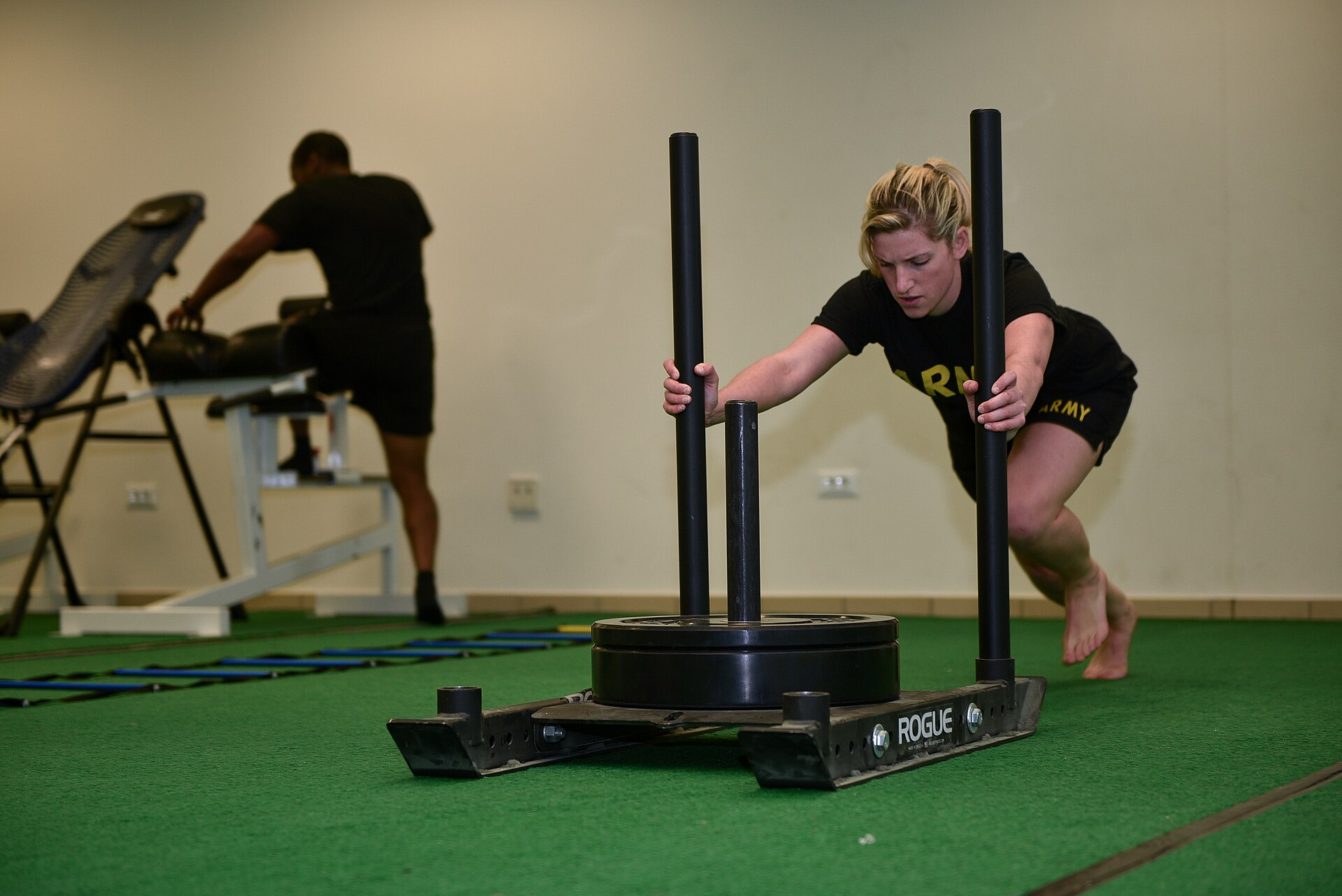
The race format never changes, which is a large part of the appeal. You run a kilometre, then hit a station, eight times over: SkiErg, sled push, sled pull, burpee broad jumps, a 1,000m row, farmers carry, sandbag lunges, and finally 100 wall balls. Every event worldwide uses the same layout, so your time in Glasgow is comparable with someone’s in Singapore. The average finisher takes about 90 minutes. Elites go under the hour.
There’s no time cap, and around 98% of entrants finish – a number that does a lot of work in the marketing. Hyrox training itself is hybrid work: running volume plus strength sessions, usually four or five sessions a week for people taking a race seriously. More than half your race time is spent running, something plenty of first-timers discover the hard way after months of practising sled pushes and hardly any 5ks.
Now for an unfashionable opinion: Hyrox’s real innovation is marketing, not programming. Strip away the wristbands and the arena lighting and you’ve got the circuit training your local leisure centre ran in 1995, packaged well and priced at £90. That’s not a dig at the training – circuits always worked. But nobody should feel intimidated into thinking the format itself is some advanced methodology you need a coach and a £200 kit list to attempt.
What the training week actually looks like, for someone taking a race seriously, is roughly this: two or three runs (one of them intervals, because the race is eight broken kilometres rather than one steady one), one or two strength sessions biased towards legs and carries, and one “compromised running” session – the sport’s term for practising the horrible experience of running immediately after heavy stations. Call it five to seven hours a week. That’s a real commitment, and it’s worth being clear-eyed that the people posting sub-70-minute times on Instagram are usually training eight-plus hours weekly and have been for years.
The time cost is the quiet filter. Plenty of people who’d finish the race comfortably never get near one because the training week doesn’t fit around a job and small children. The doubles format exists partly for them.
The injury question: what’s known, what’s guessed, and what’s simply made up
Here’s where the story gets thinner than the sport’s growth deserves. Sports physiotherapists at London clinic Pure Sports Medicine flag the same pattern most clinicians mention: the common Hyrox complaints are tendinopathies – Achilles, patellar and rotator cuff above all – driven by the combination of heavy sled work, lunges, burpee volume and repeated running under fatigue. Acute injuries like ankle sprains happen, but overuse is the theme.
What nobody has is proper numbers. Structured injury data collection inside the sport only began at Hyrox Anaheim in December 2025, led by US orthopaedic surgeon Dr Tate Cowley, who is careful to describe the early findings as “patterns rather than conclusions”. His main observation so far is the one sports medicine always lands on: injuries follow rapid changes in load. Runners who suddenly add heavy sleds, lifters who suddenly add 30km of weekly running, and returners who go from nothing to five sessions a week are the ones whose tendons complain.
You may have seen a “43% of Hyrox athletes get injured” statistic doing the rounds on social media. We tried to trace it to a published study and couldn’t – the closest thing is an unpublished undergraduate survey at the University of Limerick. Treat that number as folklore until someone prints a methodology.
For context, the comparison the sport’s defenders reach for is a fair one: recreational running is hardly benign, with studies of novice runners over the years recording injury rates that would shock anyone who thinks of jogging as the safe option. It’s entirely possible Hyrox comes out no worse – the strength element may even protect against some classic running injuries. Possible, but unproven. The Anaheim data project is tracking presentation rates, demographics, training history and experience level precisely because nobody can currently say.
The honest position is this: nobody currently knows whether Hyrox produces more injuries than marathon training. What is known is who’s turning up. At Hyrox Dublin, over 65% of entrants were 30 or older, and the sport’s own marketing celebrates how many racers are first-timers. A crowd of over-30s returning to competition after years away, doing a strength-plus-endurance format on a deadline, is precisely the group tendon problems love. My physio friend calls autumn “sled season” and swears her diary fills within a week of the ballot results going out. One clinic’s diary isn’t data either – but it’s suggestive.
The people the format genuinely suits
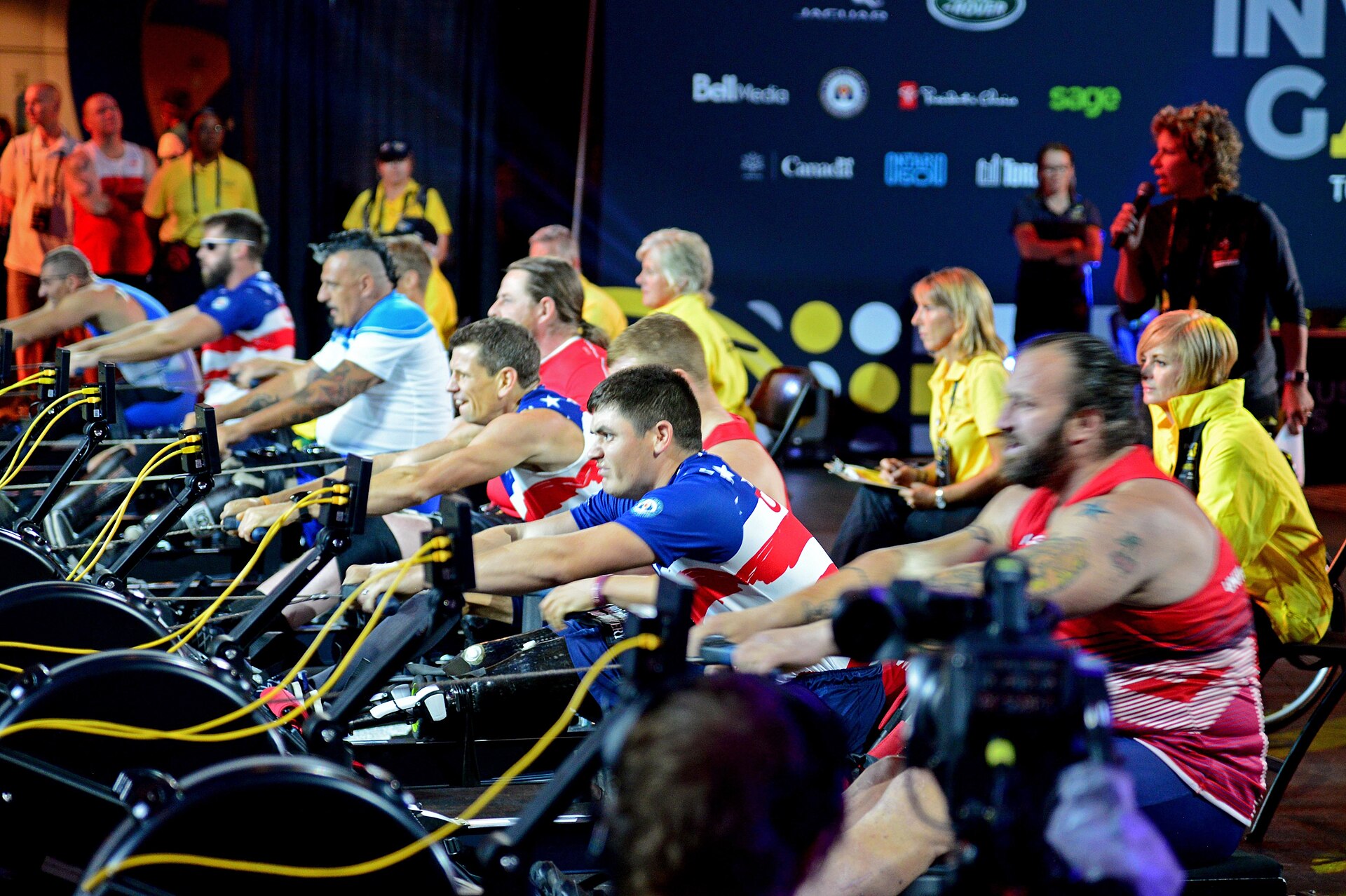
None of this makes Hyrox a bad idea. For a decent slice of Britain it’s close to an ideal one.
The NHS activity guidelines ask adults for 150 minutes of moderate cardio plus strength work twice a week – a combination most gym-goers manage for about three weeks each January. A Hyrox entry puts a date and a wristband on it, and race deadlines are stickier motivation than resolutions. If you’ve already got six months of consistent training behind you – some running, some lifting, nothing heroic – the format is well within reach, and the no-time-cap, 98%-finish structure means a bad day costs you pride rather than a DNF.
It suits runners who’ve avoided strength work for years and need a reason to touch a sled. It suits lapsed team-sport players who miss competing more than they miss training. And the doubles and relay formats – where you split the work with a partner or a team of four – are an underrated entry point that halves the load while you find out whether your calves agree with the whole idea. The oldest finisher to date is 74, which says something real about how scalable the day itself is.
The growth among women deserves a mention too. Going from 24% to 38% of the field in five years is a genuine shift for a strength-and-endurance event, and coaches will tell you the women’s fields are often better prepared than the men’s – fewer ego-driven crash builds, more actual programmes followed. The station weights scale by category, the atmosphere at the back of the field is reportedly the best in the venue, and for women coming out of the strength-training boom of the past few years the format is a natural next test.

Four groups who should give it a season first
The sofa-to-Hyrox crowd. If the race is your plan for getting fit, rather than a test of fitness you already have, you’re asking your tendons to adapt on a 12-week deadline when they generally want six months. Cardio adapts fast; connective tissue doesn’t. This mismatch is where those Achilles complaints come from.
Runners with no strength history. You’ll fly through the 8km and then meet a 152kg sled with cold quads. The stations punish exactly what distance running doesn’t build – grip strength, single-leg strength under load, upper-body pulling. Spend a season lifting first.
Lifters who don’t run. The mirror image, and arguably the more common case in British gyms. Being strong makes the stations comfortable and the running miserable; more than half the race is still running. Zone-out treadmill kilometres won’t cut it either – it’s running on trashed legs that decides your time.
Anyone carrying a niggle. Ninety minutes of racing with no time cap means enormous time under load, and race-day adrenaline is superb at muting the warning signals you’d normally respect. The insertional Achilles grumble you’ve been ignoring since spring won’t enjoy 100 wall balls. Sort it first; the races aren’t going anywhere.
Hyrox isn’t the only boom sport that grew faster than its own injury data. Britain passed a million padel players this year, and the rate at which they get hurt is higher than tennis, which almost nobody joining a club has been told.
Racing this autumn? August is the build window
UK race season clusters in the colder months, which makes late summer the sensible time to start building – and this particular summer complicates that. If you’re training through the current heat, the advice in our piece on exercising in a heatwave applies double to anyone dragging sleds in a tin-roofed unit gym in August, and it’s a rare legitimate use case for the electrolyte powders we were sniffy about for desk workers. Build gradually: if you’re starting from a normal gym routine, eight to twelve weeks of adding one quality run and one station-strength session a week gets you to a winter race in reasonable shape without the crash-plan tendon bill. Book the race for December or later rather than October if you’re starting from scratch now; the entry fee is the same and the extra eight weeks are free tendon insurance.
Recovery is where the Hyrox crowd overspends, mind. The £5-a-session ice bath habit is optional; sleep and rest days aren’t. A £7 foam roller from Decathlon does most of what the £400 massage gun does. And if the whole thing sounds appealing but the sled maths doesn’t, a season of reformer pilates or plain barbell work is a perfectly good year-one answer that nobody sells you a wristband for.
Hyrox will be enormous in Britain this winter with or without your entry. The interesting question is the one the sport can’t answer yet: when the injury data finally lands in a couple of seasons, will the 2026 boom look like a fitness success story or a tendinopathy epidemic with great production values? If you’ve raced one – or pulled out of one – what did your body have to say about it a week later?