Iceland Travel Guide: The Cliff Hotel and the Best of Rural Iceland
[toc]
Iceland Travel Guide: Why The Cliff Hotel Should Be on Your List
This iceland travel guide focuses on one of the country’s most remarkable properties: The Cliff, a boutique hotel set in the dramatic landscape of rural Iceland. If you are looking for an escape that feels genuinely otherworldly, this is it.
In This Article
- Iceland Travel Guide: Why The Cliff Hotel Should Be on Your List
- The Cliff Hotel: What Makes It Special
- Iceland Travel Guide: Getting There
- What to Do in the Area
- Iceland Travel Guide: Practical Tips
- Why Iceland Stays with You
- Frequently Asked Questions
- How much does a trip to Iceland cost?
- When is the best time to visit Iceland?
- Do you need a 4×4 in Iceland?
- Is Iceland safe to visit?
Iceland has become one of Europe’s most popular travel destinations, and for good reason. The combination of volcanic landscapes, geothermal pools, and the Northern Lights creates experiences you simply cannot find anywhere else.
The Cliff Hotel: What Makes It Special
The Cliff sits on the edge of a dramatic ravine in southern Iceland, surrounded by nothing but open sky and rugged terrain. The isolation is the point. There are no nearby towns, no traffic noise, and no light pollution.
The architecture is striking but sympathetic to its surroundings. Floor-to-ceiling windows frame the landscape like living paintings, and the interiors balance Scandinavian minimalism with genuine warmth.
Rooms are comfortable without being fussy. The focus is on the view and the experience rather than unnecessary luxury. A geothermal hot tub overlooking the ravine is the standout feature.
Iceland Travel Guide: Getting There
The Cliff is roughly a two-hour drive from Reykjavik along the Ring Road. The journey itself is part of the experience, passing waterfalls, black sand beaches, and moss-covered lava fields.
Hiring a car is essential for exploring rural Iceland. The roads are well-maintained but distances between stops can be significant. Allow plenty of time and resist the urge to rush.
The best time to visit depends on what you want to see. Summer offers midnight sun and easier driving conditions. Winter brings the Northern Lights and a more dramatic atmosphere, though roads can be challenging.
What to Do in the Area
The Golden Circle route passes within easy reach, taking in Thingvellir National Park, the Geysir geothermal area, and Gullfoss waterfall. This is Iceland’s most popular day trip for good reason.
The south coast offers some of the country’s most photographed locations. Seljalandsfoss and Skogafoss waterfalls are both spectacular, and the black sand beach at Vik is hauntingly beautiful.
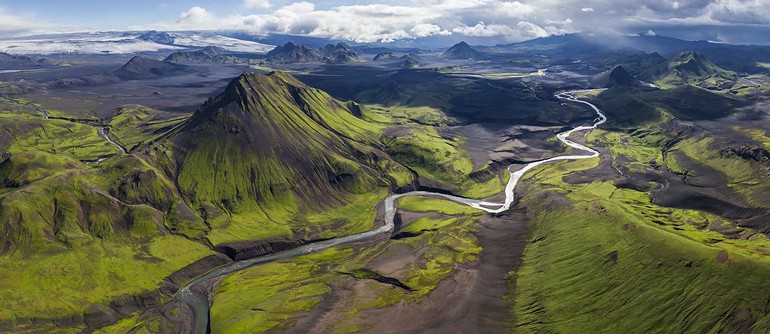
For something less touristy, explore the highland tracks and hidden hot springs that dot the interior. A local guide can show you spots that most visitors never find.
Iceland Travel Guide: Practical Tips
Iceland is expensive. Budget around £150 to £200 per day for food, fuel, and activities on top of accommodation costs. Eating at supermarkets and cooking where possible helps manage expenses.
The weather changes rapidly and dramatically. Layering is essential, and waterproof outer layers are non-negotiable regardless of the season. Pack for all conditions even in summer.
Pack light but smart. Space in hire cars is limited and you will want room for layers and hiking gear. Multi-purpose toiletries help too. Wild mini deodorants are compact, leak-proof, and perfect for travel without adding bulk to your bag.
Why Iceland Stays with You
Iceland is one of those destinations that changes how you see landscape. The scale, the silence, and the raw power of the geology create a sense of perspective that is hard to find elsewhere.
The Cliff captures this feeling perfectly. Sitting in a hot tub watching the Northern Lights dance above a volcanic ravine is not something you forget.
For more travel guides and destination recommendations, explore our coverage of UK and international trips worth taking.
Frequently Asked Questions
How much does a trip to Iceland cost?
A week in Iceland typically costs £1,500 to £2,500 per person including flights, car hire, accommodation, and activities. Budget options exist but Iceland remains one of Europe’s more expensive destinations.
When is the best time to visit Iceland?
June to August offers the best weather and longest days. September to March is best for Northern Lights. Each season has distinct advantages depending on your priorities.
Do you need a 4×4 in Iceland?
For the Ring Road and main tourist routes, a standard car is fine in summer. For highland tracks, winter driving, or exploring off the beaten path, a 4×4 is strongly recommended.
Is Iceland safe to visit?
Yes. Iceland is consistently ranked among the safest countries in the world. The main risks are weather-related, so respecting conditions and following local advice is important.
This iceland travel guide barely scratches the surface of what the country offers. Whether you stay at The Cliff or explore independently, Iceland delivers experiences that are genuinely unlike anywhere else on earth.