
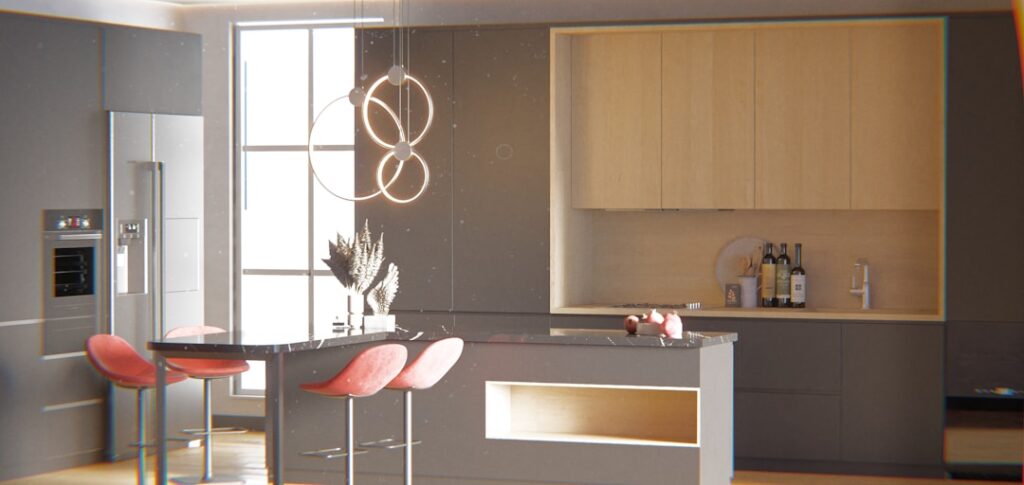
The Kitchen Trends Reshaping British Homes This Spring
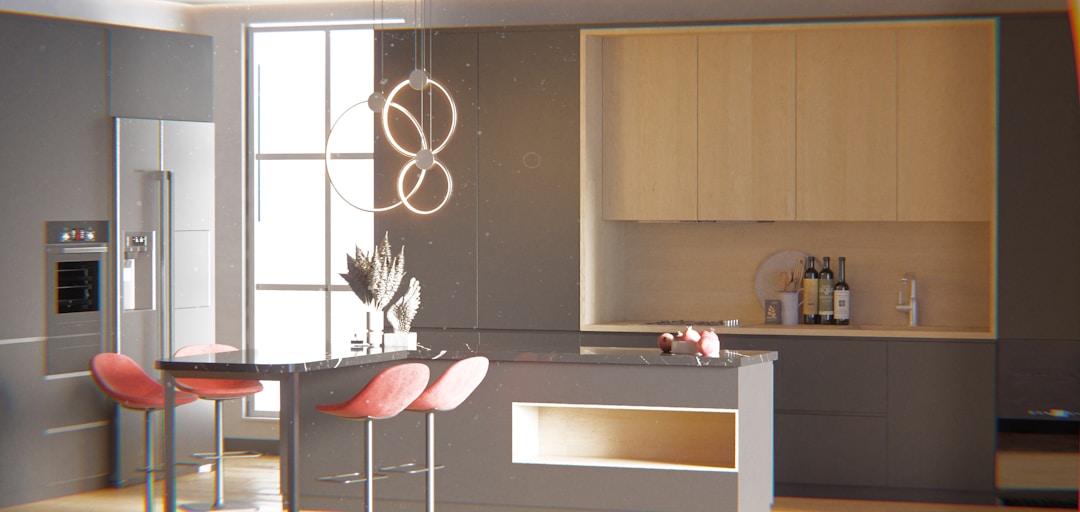
Walk into any newly fitted kitchen in Britain right now and you will notice something has shifted. The clinical whites and chrome finishes that dominated for the best part of a decade are quietly retreating, replaced by warmer palettes, softer shapes, and a renewed emphasis on the kitchen as a room people actually want to spend time in – not just cook in.
In This Article
Across showrooms from Edinburgh to Bath, designers are reporting a decisive turn towards earthier, more textured spaces. It is a movement driven partly by broader cultural shifts – a desire for calm and comfort at home – and partly by practical concerns about sustainability and material longevity. Whatever the motivation, the results are striking.
Earthy Neutrals Are Taking Over
Perhaps the single biggest change this year is colour. Cool greys and stark whites are being traded for tones that feel borrowed from the natural world – think taupe, mushroom, oat, stone, and clay. These are not bland or beige in the way neutrals have sometimes been accused of being. Instead, they bring a layered warmth that makes kitchens feel grounded and inviting.
For those wanting more depth, designers are reaching for olive green, burnt ochre, charcoal, and rich sand tones. These work particularly well on island units and larder cupboards, where a single block of deeper colour can anchor the entire room without overwhelming it. The effect is a kitchen that feels considered rather than clinical.
This shift towards warmer palettes extends to worktops and splashbacks too. Honed stone, tactile ceramics, and timber surfaces with visible grain are all in high demand, replacing the polished marble and composite surfaces that previously held sway.
Curved Lines and Softer Shapes
Hard edges are falling out of favour. Rounded cabinet profiles, gently curved island ends, and organic breakfast bar shapes have become one of the most requested features in bespoke kitchen design this year. The trend started gaining traction at the tail end of 2024, but it has properly embedded itself in 2026 as homeowners grow more confident with the look.
The appeal is partly aesthetic – curves soften a room and create a sense of flow that angular layouts can struggle to achieve. But there is a practical side too. Curved islands work better in open-plan living spaces where the kitchen needs to feel integrated with the rest of the room rather than boxed off. Rounded edges are also kinder to small children navigating around furniture, a detail that matters in family homes.
Kitchen designers note that curves work best when used selectively. A fully curved kitchen can feel gimmicky, but introducing rounded elements on the island or on a bank of tall units creates a pleasing contrast with the straighter lines of wall cabinetry.
The Rise of the Double Island
For anyone with the space to accommodate it, the double island has become the aspirational centrepiece of the 2026 kitchen. The concept is straightforward – one island handles food preparation, equipped with a sink, hob, or additional storage, while the second serves as a social hub for eating, working, or simply perching with a coffee.
This separation of tasks reflects how kitchens are genuinely used now. They are offices, homework stations, entertaining spaces, and cooking areas all at once. A single island, however generous, can struggle to serve all those purposes simultaneously. Two islands resolve the tension by giving distinct zones their own dedicated surface.
Even in smaller kitchens where a true double island is not feasible, the principle is being adapted. Designers are creating extended peninsulas or L-shaped islands that achieve a similar zonal effect without demanding a ballroom-sized floor plan.
Natural Materials Over Synthetic
Timber is back, and this time it is being celebrated rather than hidden. Textured, visibly grained wood – oak, ash, and walnut in particular – is replacing the smooth, lacquered cabinetry that dominated recent years. The wood is often left in its natural finish or treated with light oils that let the character of the grain show through.
This ties into a broader appetite for authenticity in kitchen materials. Handmade ceramic tiles, brushed brass hardware, fluted glass panels, and rattan drawer fronts are all appearing in showroom displays. The emphasis is on surfaces that age well and develop patina over time, rather than materials that look pristine on day one but deteriorate quickly.
Stone is following a similar trajectory. Rather than the highly polished marble that became ubiquitous a few years ago, homeowners are choosing honed or leathered finishes that feel more tactile and less formal. Limestone, travertine, and locally quarried stone are gaining popularity alongside more traditional granite and quartz options.
Lighting as a Design Feature
Kitchen lighting has evolved well beyond the functional downlight grid. In 2026, lighting is being treated as a design element in its own right – one that shapes the mood and atmosphere of the room just as much as the cabinetry or worktops.
Pendant lights over islands remain popular, but the style has shifted towards sculptural, statement pieces rather than the industrial-style filament bulbs that had their moment. Warm-toned LED strip lighting concealed beneath wall units or inside glass-fronted cabinets creates ambient layers that make the kitchen feel less like a workspace and more like a living room after dark.
Dimmable circuits and smart lighting controls have also moved from luxury extras to standard specifications in many new kitchen installations, allowing homeowners to shift the mood from bright and functional during meal preparation to softer and more relaxed for evening entertaining.
What This Means for Homeowners
The overarching theme running through all of these trends is a move away from kitchens designed primarily to impress and towards kitchens designed to be lived in. The perfectly styled, magazine-ready kitchen is giving way to something more human – rooms that feel warm, tactile, and personal.
For anyone planning a kitchen renovation this year, the good news is that many of these trends are remarkably practical. Earthy colours are forgiving with marks and fingerprints. Natural materials age gracefully. Curved elements improve traffic flow. And better lighting makes the room more pleasant to use at every hour of the day.
The British kitchen, it seems, is finally growing up – and it looks all the better for it.
If your kitchen is also working as your office this spring, our guide to small-space home offices in the UK for 2026 has practical fixes. And for spring produce worth cooking in that renovated kitchen, our wild garlic recipes are the seasonal place to start.