
Summer Wedding Guest Dressing UK 2026: The High Street Edit That Actually Works
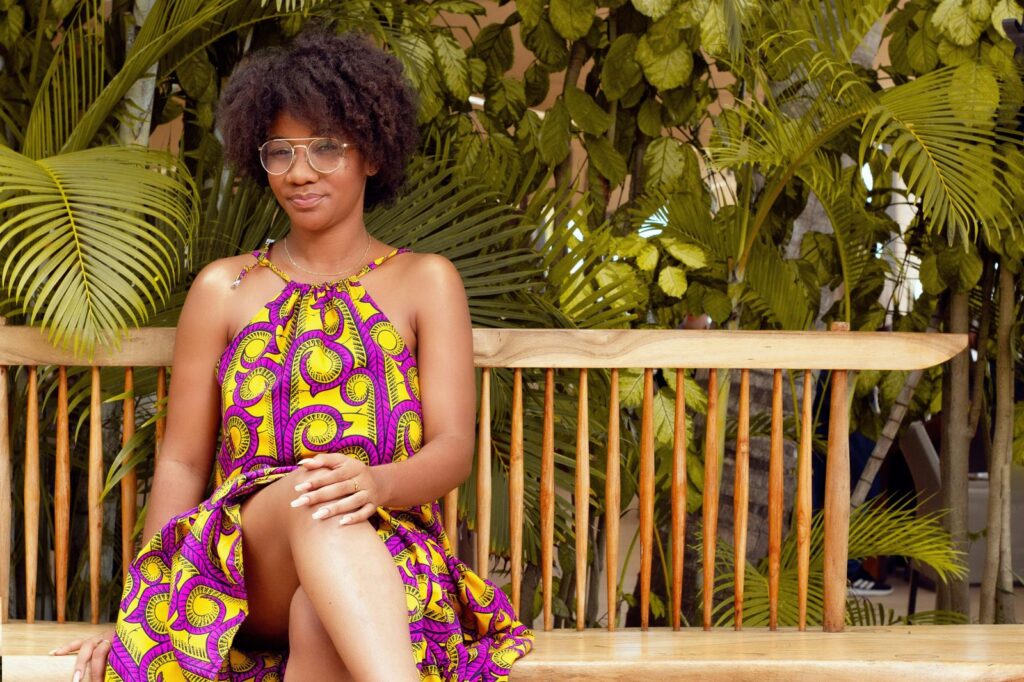
Wedding season arrives earlier every year, and 2026 is no exception. Save-the-dates are already stacking up for May, June and July, and that means the annual scramble for something decent to wear is underway. The pressure is real: you want to look considered, not costumed; you want to feel like yourself, not a stock photo; and you would quite like to avoid spending £300 on a dress you will wear once and then quietly resent. The good news is that the high street has stepped up this year, and a handful of indie labels are now producing occasion pieces that genuinely compete with designer. Here is how to navigate the season without losing your nerve or your pay packet.
In This Article
Why wedding guest dressing has shifted in 2026
The old rulebook, if there was one, has thinned out. Couples sending invitations this year are asking for less rigidity and more personality: dress codes like “dress to dance”, “garden party smart” and “anything but jeans” are turning up on stationery in greater numbers than ever. The industry has noticed. Drapers reported earlier this year that occasionwear sales across UK high street retailers grew at roughly twice the rate of the wider womenswear market through the 2025 autumn-winter trading period, driven by a younger guest demographic who want pieces they can wear again rather than single-outing novelties.
The knock-on effect is that retailers are producing wedding-adjacent dresses with real thought behind them. Cuts are softer, fabrics have improved, and the sweet spot between “too formal for lunch” and “not formal enough for a church” has finally been found by buyers who used to miss it by miles. If you have avoided shopping on the high street for an occasion in the last few years, you will be pleasantly surprised by what is on the rails this spring.
Decoding the dress code
The phrasing on the invitation is the first thing to interpret, and it tells you almost everything about what will and will not work on the day.
Black tie or formal: Floor-length is safest, but a well-cut midi in a substantial fabric (crepe, satin-back, heavier silk) will pass in almost all settings. Avoid anything cotton or linen here, which will read too casual under chandeliers.
Garden party, country wedding or marquee: This is where florals, soft tailoring and midi dresses in washable fabrics come into their own. Grass is not kind to stiletto heels, so a block heel, wedge or dressy flat is worth considering. Linen dresses have improved dramatically at the mid-market this year and are no longer the crumpled embarrassment they used to be by the time the speeches start.
City hall, registry or short-notice: A tailored two-piece, a slip dress with a blazer or a statement jumpsuit all work. The looseness of the brief is the point. If you have something that makes you feel polished on a normal weekday, it will almost certainly work here.
Destination: Think about what travels well. Crease-resistant fabrics, rolls rather than folds, and pieces that can survive a suitcase are doing a lot of unseen work. A versatile midi that can go from a beach lunch to an evening reception is worth more than two separate outfits.
The high street heroes worth your money
Marks & Spencer has quietly become one of the most reliable places to buy an occasion dress in the UK, and 2026 is probably its strongest season in a decade. The Autograph line has genuinely flattering cuts in drapier fabrics, and the per unit price – typically £59 to £129 – punches well above its weight. Look for anything in the current bias-cut midi range or the column dresses in crepe.
Whistles remains the sensible choice for anyone who wants structure without fuss. The tailoring is consistently good, the shoulder lines are clean, and the brand’s floral prints avoid the twee trap most high street florals fall into. Prices sit in the £150 to £250 range, which is not cheap but which you will feel on the hanger.
Zara has had a better occasionwear season than usual. The key is to sort ruthlessly: most of what looks striking online photographs better than it wears, but there are always five or six pieces per drop that genuinely work in the flesh. Check the fabric composition before committing. Anything with a decent viscose content or a lined skirt tends to hold its shape; the thinner polyester pieces photograph well and fall apart by the second dance.
Ghost continues to do what Ghost has always done: bias-cut florals in soft, sliding fabrics that look expensive and travel well. If you have never owned a Ghost dress, this is a good year to start. The new-season florals are notably less saturated than in recent collections, which makes them easier to wear to a second or third wedding without looking like you went back to the same shop.
H&M’s Studio collection, released in small drops, is worth bookmarking. The cuts are sharper than the main line and the tailoring is competitive with brands three times the price. The catch is availability: Studio pieces sell out in days and rarely return.
Where indie brands are beating the high street
A handful of UK independent labels are now producing occasionwear that feels considered in a way the high street cannot quite match, and the gap between them and full designer is narrowing.
Nobody’s Child is the obvious first port of call. The brand’s use of sustainable fabrics, combined with cuts that work on a range of body shapes, has made it a default for guests in their twenties and thirties. Prices are mid-range (£70 to £130), and the returns policy is generous. Their Happy Dance collaboration pieces tend to be the ones worth chasing.
Rixo has shaken off any lingering sense of it being a trend label and is now producing dresses that function as wardrobe investments. The house prints are distinctive without being loud, and the drape of their signature silk-blend fabrics is excellent. At £225 to £345 this is the upper end of the indie bracket, but the per-wear maths works if you have more than one occasion in the diary.
Never Fully Dressed is the pick for anyone who wants colour, print or drama without spending designer money. Their Jaspre dress, now reissued for its fourth season, is regularly cited by stylists as the single most reliable wedding guest purchase on the UK market.
Kitri, with its focus on limited-run designs, is the antidote to the “who else is wearing this” anxiety. Because stock is deliberately low, the chance of turning up in the same dress as another guest is vanishingly small. Prices sit in the £150 to £250 range, and the brand’s knitwear and co-ords are worth a look for rehearsal dinners too.
Accessories: where the outfit quietly gets made or broken
Most wedding outfits are undone by accessories that do not match the effort put into the dress. A carefully chosen midi in a beautiful fabric paired with a tired black day bag is a waste of both pieces.
The rule that has held up for several seasons, and is holding up again this year, is to let one accessory do the talking. A statement shoe, a statement bag or a statement earring, but not all three. The handbag trends worth paying attention to in spring 2026 lean heavily into structured top-handle shapes and soft metallics, both of which work for weddings without looking formal for the sake of it.
Jewellery has moved back towards gold this year after several seasons of silver dominance, and the Vogue UK accessories team have flagged heavier, sculptural gold pieces as the look that will carry through summer. If you are investing in one piece, make it a pair of decent earrings; they will photograph from every angle and pull the entire look together.
On shoes: heels that you can actually walk in matter more than their height. Block heels, kitten heels and dressy flats are all acceptable at almost every modern wedding. The only real error is wearing something you have not broken in, which will quietly wreck the reception for you.
Prints, florals and what to avoid
Florals are still the dominant print for summer weddings, but the palette has shifted. The muddy, earthy florals that dominated 2024 and 2025 have given way this season to cleaner, brighter groundings with more defined flower shapes. Polka dots are also back in force, partly because of the wider 1950s revival on the high street; our roundup of the best polka dot dresses for spring 2026 covers the pieces worth buying if you want to lean into the trend without looking like you are in fancy dress.
What to avoid: anything white, cream, ivory or pale champagne (still a hard no at almost every wedding); heavy beading, which looks dated and is uncomfortable to sit through a three-course meal in; and anything so statement you cannot wear it again. The new wedding economy is built on cost per wear, and a dress you will only put on once is a poor purchase at any price point.
One last piece of advice
Buy early. The single biggest mistake guests make every year is leaving it to the last fortnight, by which point the best sizes of the best dresses have gone and the choice narrows to whatever the algorithm is pushing. If you have three or more weddings in the summer, start with the dressiest one and work back; once you have the headline outfit, the rest falls into place much more easily.
And the question for you: of all the weddings you have been to, which dress did you actually re-wear, and which one has been languishing at the back of your wardrobe since the toast?




Three invites in my diary for June and I’ve been quietly panicking about the cost. Really helpful to see indie labels put next to the high street properly rather than just a M&S listicle – I’d never heard of half of them. Has anyone actually tried the rental route for these sorts of do’s? Tempted but worried about fit.
Rented from HURR last summer for a cousin’s wedding and the sizing was genuinely better than what I’d buy for myself – two sizes up from Zara in one case. The main thing is to book at least two weeks ahead so you can send it back if the fit’s off. Dry cleaning included on most of them which also felt worth it at the price.