Best UK Hideaway Hotels Under £200 a Night for 2026: Where to Go When Cornwall Feels Tired
Cornwall is, if you are honest about it, a bit broken. The narrow A30 still stops dead by mid-morning every Saturday in July. Padstow has the queueing density of a busy Pret. The Cotswolds, the other reflex pick for a UK escape, are running into something similar – Bourton-on-the-Water has spent the last two summers debating coach charges and “selfie tourism” in the parish council minutes. None of this is news. What is new, in 2026, is that more British travellers are quietly accepting it and looking elsewhere – which is why the best UK hideaway hotels under £200 a night are suddenly the most interesting category in domestic travel.
In This Article
- Why "hideaway" is doing the heavy lifting in 2026
- Why £200 is the honest ceiling
- Lord Crewe Arms, Blanchland (Northumberland)
- The Felin Fach Griffin, Brecon Beacons (Wales)
- The Black Bull, Sedbergh (Yorkshire Dales)
- The Talbot Hotel, Malton (North Yorkshire)
- Artist Residence (Brighton, Oxfordshire, Cornwall)
- The Olde Bell, Hurley (Berkshire)
- The Star Inn at Harome (North Yorkshire)
- How to actually book these properly
- What to skip
- The honest summary
This is not a list of luxury escapes. There are plenty of those, and most of them cost £400 a night without breakfast. This is a curated edit of small, characterful, often historic places to stay across England, Wales and Scotland where the headline midweek rate in shoulder season still lands under £200 a room, breakfast often included. Some are pubs with rooms. Some are restored coaching inns. One is a former vicarage. None of them are in a sponsored “best of” round-up paid for by the hotel group.
The criteria were simple. The hotel had to be independently owned or part of a small group of fewer than ten properties. It had to be somewhere a reader could plausibly reach without three trains and a hire car. It had to have a kitchen worth eating in. And it had to be the sort of place where you can take a book to the bar at five and nobody minds.
Why “hideaway” is doing the heavy lifting in 2026
“Hideaway” has become a useful word because everything else has been worn out. “Boutique” got applied to corporate chains around 2018 and lost meaning. “Luxury” now mostly signals price rather than experience. “Retreat” tends to imply yoga at six in the morning, which is not for everyone. Hideaway, for now, still suggests what it sounds like: somewhere small enough that the staff know your name by Saturday lunchtime, and far enough off the main road that you can hear the wind in the trees.
The other shift is structural. Post-pandemic, a wave of independent operators bought up tired coaching inns and rural pubs at the bottom of the market and refurbished them properly. The first round of these reopenings – Lord Crewe Arms in Blanchland, the Felin Fach Griffin in the Brecon Beacons, the Black Bull in Sedbergh – have now had several years to bed in. The food has settled. The rooms have been redecorated again. They have the slightly worn confidence of places that no longer need to prove anything.
According to Sawday’s annual review, demand for sub-100-room independent UK hotels grew faster than any other domestic accommodation category in 2025, and the Guardian’s travel desk has been running its weekly “Hotel of the Week” column almost exclusively on small inns and farmhouse stays since the start of the year. The trend is real. The question is which ones are worth your £170.
Why £200 is the honest ceiling
There is nothing magic about £200 a night. It is the point at which a UK hotel stops being a treat and starts being a financial decision you have to justify. Push past it and you are quickly into £280-£400 territory, which is where the Pig hotels live, along with Heckfield Place and the Newt – all genuinely good, all priced for a different conversation.
Under £200, midweek, shoulder season, with breakfast, you can still find rooms in proper hideaways. The trick is knowing where to look, when to look, and which specific properties hold the line on pricing rather than spiking the rate the moment a bank holiday appears. Every hotel below has been chosen on that basis. Prices quoted are indicative midweek rates for a standard double in spring or autumn – they will go up at weekends, in school holidays and through high summer.
If you are travelling with children, the calculations change a bit. Family rooms tend to add £30-£50 a night, and not every inn welcomes under-12s in the restaurant after seven. We have flagged the family-friendly options below. For a wider set of family-specific picks, our May Half Term UK 2026 family breaks guide covers the territory in more detail.
Lord Crewe Arms, Blanchland (Northumberland)
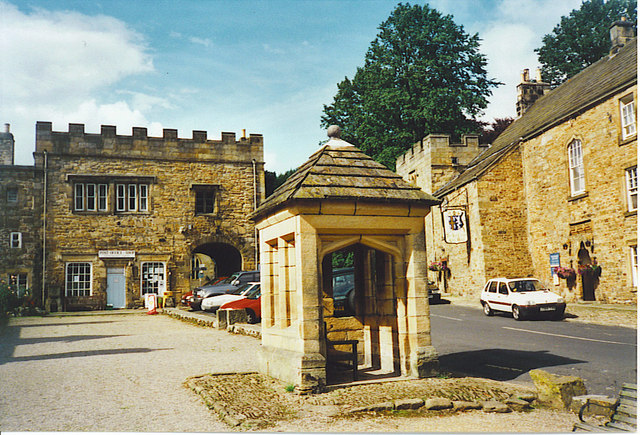
The strongest case for getting in the car for five hours. Blanchland is a stone village owned almost entirely by the Lord Crewe Trust, with the hotel set in a former 12th-century abbey. Bedrooms are split between the main inn, a converted miner’s cottage row across the square and a couple of estate houses. The Bishop’s Dining Room does proper Northumbrian cooking – mutton, game, the kind of pies that are not done ironically.
What it is good for: walking. The hotel sits at the edge of the North Pennines AONB with the Derwent Reservoir twenty minutes away and Hadrian’s Wall within striking range. Midweek doubles have typically started around £165 with breakfast included. Book directly – the website rate is usually the best.
The Felin Fach Griffin, Brecon Beacons (Wales)
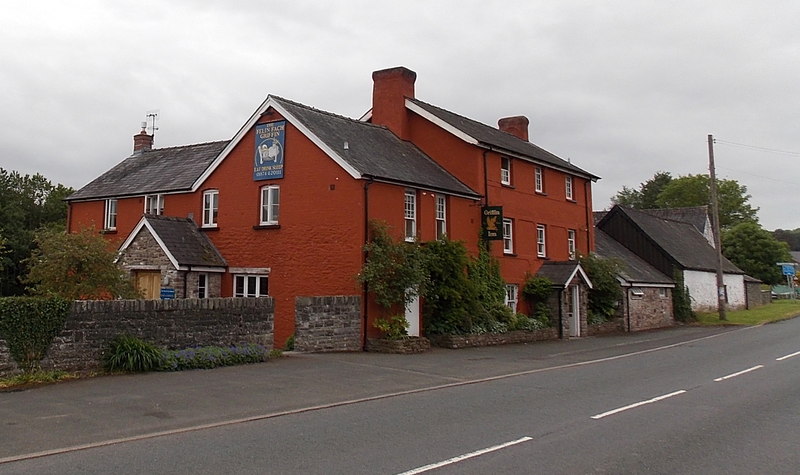
A pub-with-rooms run by the Inkin family for over twenty years, which in independent-hospitality terms makes it elder statesmen. Seven rooms above a low-beamed dining room that has been on every Welsh restaurant guide worth reading since the early 2000s. The cooking is honest – lamb from the farm down the road, fish in from Cardigan Bay, a kitchen garden that supplies most of the herbs.
What it is good for: stargazing and walking. The Brecon Beacons became one of only seventeen International Dark Sky Reserves on the planet, and Felin Fach is well inside the reserve boundary. Rates have typically sat around £160-£185 with breakfast and the option to add a set dinner for around £45. It is the kind of place that converts sceptics into Wales evangelists in a single weekend.
The Black Bull, Sedbergh (Yorkshire Dales)
Reopened a few years ago under chef Nina Matsunaga and her husband James, the Black Bull is what happens when a serious kitchen takes over a Yorkshire coaching inn and refuses to dumb it down. The food is Japanese-leaning British – aged beef with miso, locally-shot venison with seaweed – and it should not work in the middle of Sedbergh but it absolutely does.
Eighteen rooms above and around the pub, decorated with restraint. The town itself is England’s official “book town”, which is exactly the kind of fact you discover at breakfast. Midweek doubles have started around £140-£160 with breakfast. If you can get a weekend, get a weekend – this one has been climbing the awards lists and the rate is going to follow.
The Talbot Hotel, Malton (North Yorkshire)
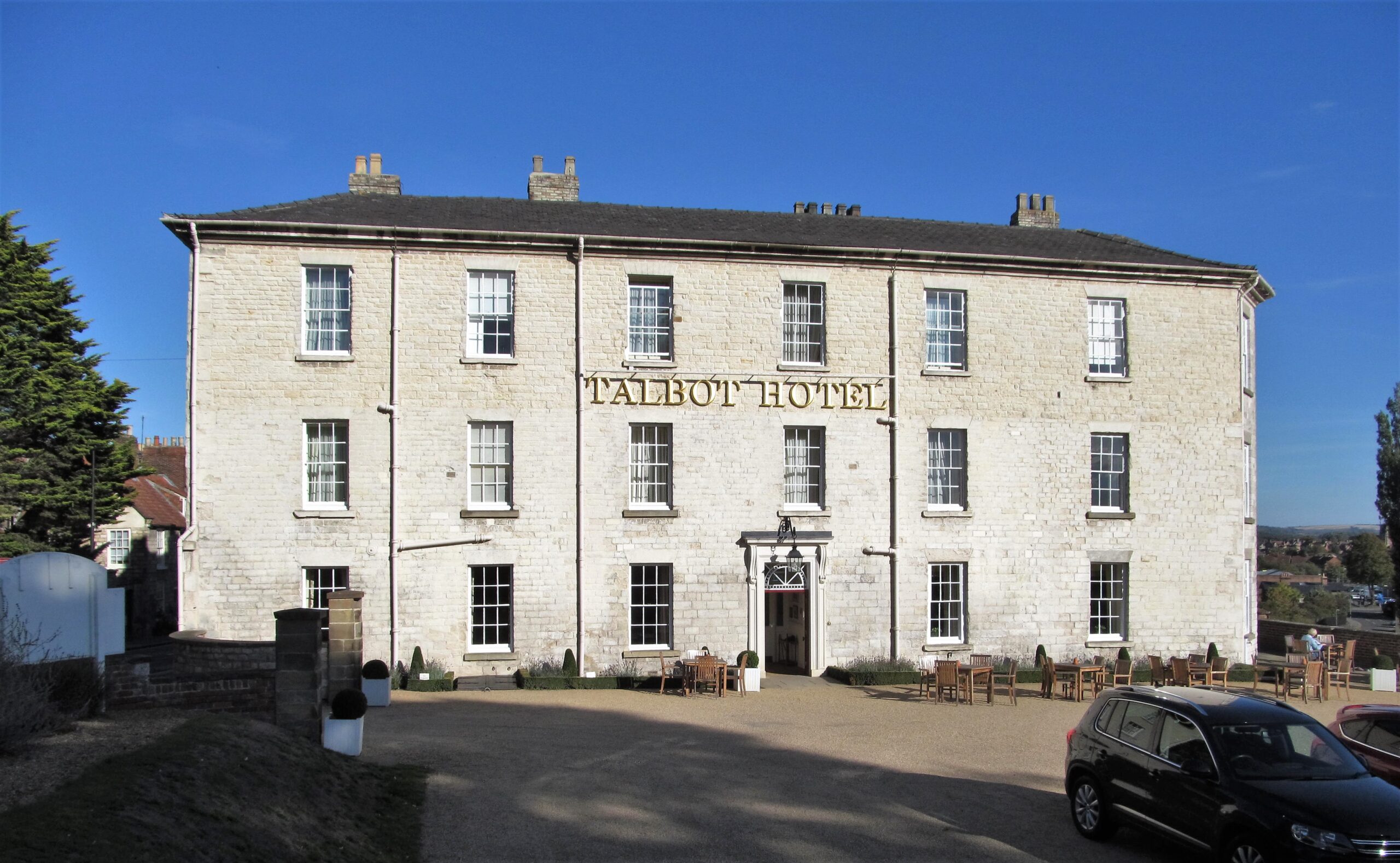
Malton has spent the last decade quietly turning itself into the food capital of the North, and the Talbot – owned by the Fitzwilliam Estate, sitting above the Derwent valley – is the obvious place to stay for the weekend market and the dozen-plus independent producers strung along the high street. The dining room overlooks the parkland. The bar does a properly cold martini.
The hotel has 26 rooms, which puts it at the larger end of this list, but the feel is still firmly inn rather than corporate. Midweek doubles in spring and autumn have typically started around £160 with breakfast. The Saturday food market is the actual reason to come; the cooking school next door is the reason you might stay a second night.
Artist Residence (Brighton, Oxfordshire, Cornwall)
The exception in this list, because it is a small group rather than a single property. Justin and Charlotte Salisbury have built four hotels over fifteen years, each one in a beautiful old building – a Regency townhouse in Brighton, a former vicarage in Cornwall, a farmhouse on the Oxfordshire Downs – and each one personally decorated rather than corporate-designed. The aesthetic is patterned wallpaper, brass taps, the right kind of clutter. The food in the kitchens has settled into a confident place.
Pricing varies. The Brighton townhouse rooms have started around £175 midweek out of season. The Oxfordshire farmhouse is usually closer to £200. Cornwall is the most expensive and probably the one to skip on a budget. If you have not stayed in one yet, the Brighton property is the easiest entry point – twenty minutes from the station, ten minutes from the seafront.
The Olde Bell, Hurley (Berkshire)
A 12th-century coaching inn on the Thames, half an hour from Reading and very useful if you cannot face going further. The Olde Bell has had a couple of ownership cycles in recent years and the current restoration has steadied it – the bedrooms in the main inn are the ones to ask for, the cottages across the lane are a bit hit-and-miss.
It is not the most exciting hideaway on this list, but it is the most logistically forgiving. You can walk to dinner in the village, you can do a proper Thames-side walk in the morning, and the train back into London takes under an hour. Midweek rates have typically started around £150 with breakfast. Useful as a one-night break when you cannot commit to three.
The Star Inn at Harome (North Yorkshire)
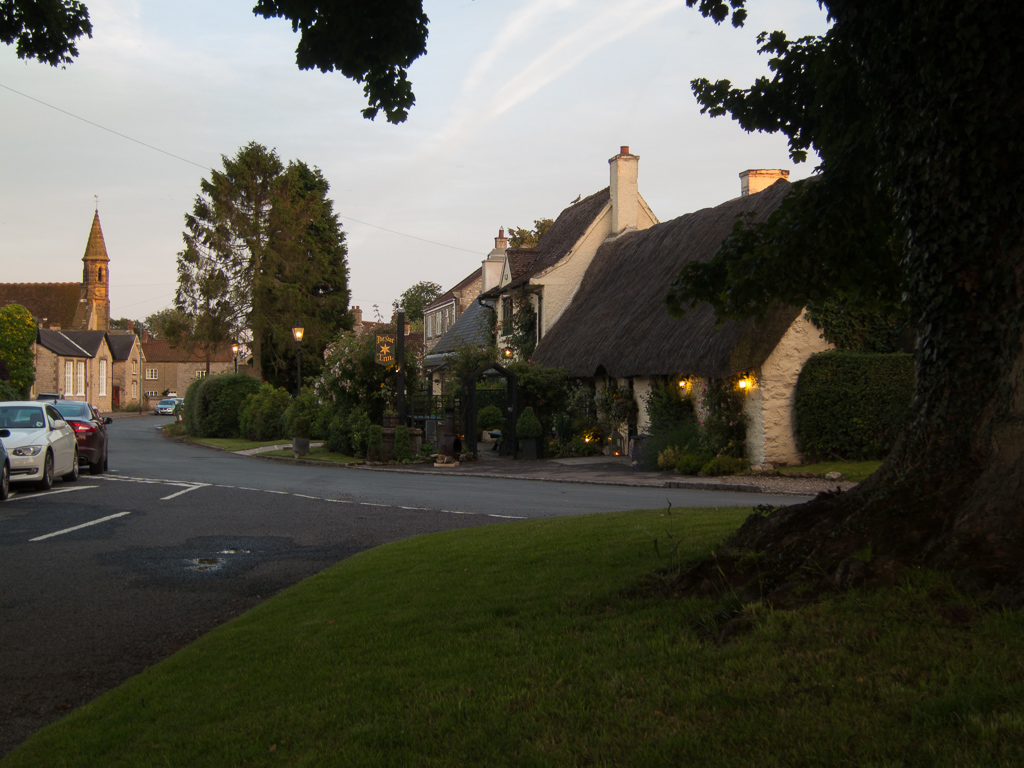
Chef Andrew Pern’s thatched inn on the edge of the North York Moors, a Michelin star since 2002 (back, lost briefly after the 2021 fire, back again). The dining room is the headline; the rooms – split between the inn itself and a converted farm complex called Cross House Lodge a hundred yards down the lane – are quietly excellent.
Cross House rooms in particular punch above the rate. Midweek doubles with breakfast have typically started around £180. You will spend more on dinner than you do on the room, and you should – it is one of the best country kitchens in England. Wild swimming spots and moorland walks within ten minutes of the door; our UK wild swimming guide has a list of the closest entry points.
How to actually book these properly
Direct is almost always cheapest. Every hotel above publishes its rates on its own website, and most match or beat the third-party sites because they save the commission. The exception is when a third-party platform is running a sale – Mr & Mrs Smith does occasional 20% off weekends, and Sawday’s runs late-availability deals through its newsletter. Sign up to both. They will email you when something on this list drops a price.
For dates, Tuesday-to-Thursday is the sweet spot. Most of these inns run a “stay two nights, get a free third” deal in November and February – the genuinely quiet months. School holidays and bank holiday weekends will add 30-50% to the rate and lose you most of the charm.
Skip the dynamic-pricing aggregators – Booking.com and Expedia in particular – when researching small properties. They tend to show a higher base rate, and small hotels regularly hold back their best rooms from the platforms entirely. Check the hotel’s own website, then call. A surprising number of these places still answer the phone and will give you a better rate or a free room upgrade for a midweek booking made directly.
What to skip
A few patterns to avoid. Anything described as “boutique” by a chain – the word has been weaponised by mid-market groups and almost never delivers. Anything that lists “concierge” as an amenity and then has a Travelodge-style check-in desk. Anything in a town centre that bills itself as “an authentic country escape”. And, more controversially: most of the new-build “shepherd’s hut” sites that have proliferated across the Cotswolds and the South Downs since 2022. The cooking is rarely there, the heating is patchy, and the rate is rarely better than a proper inn with a kitchen and a bath.
The other category to be wary of is the hotel that has been bought by a private equity group in the last 18 months. The early signs are usually a glossy new website, a renamed restaurant and a 15% rate increase. The food normally goes off six months in. If a place you loved has gone through this cycle, give it a year and check back.
The honest summary
None of these hotels are going to give you the social-media moment of a £400 country house. What they will give you is a properly cooked dinner, a bed that does not squeak, a bath you can actually fit in, and the sense that you have stayed somewhere specific rather than somewhere standard. For under £200 a night that is, in 2026, increasingly rare.
If you have been priced out of the obvious choices – or you have just done Cornwall too many times – this is where the genuine value sits. The North Pennines, the Brecon Beacons, the Yorkshire Dales and the upper Thames have all been quietly running better hotels than the parts of the country with the marketing budgets. The trick is just deciding to drive somewhere different.
For more on getting a