UK Wild Swimming 2026: Why The Summer Habit Is Reshaping British Weekends
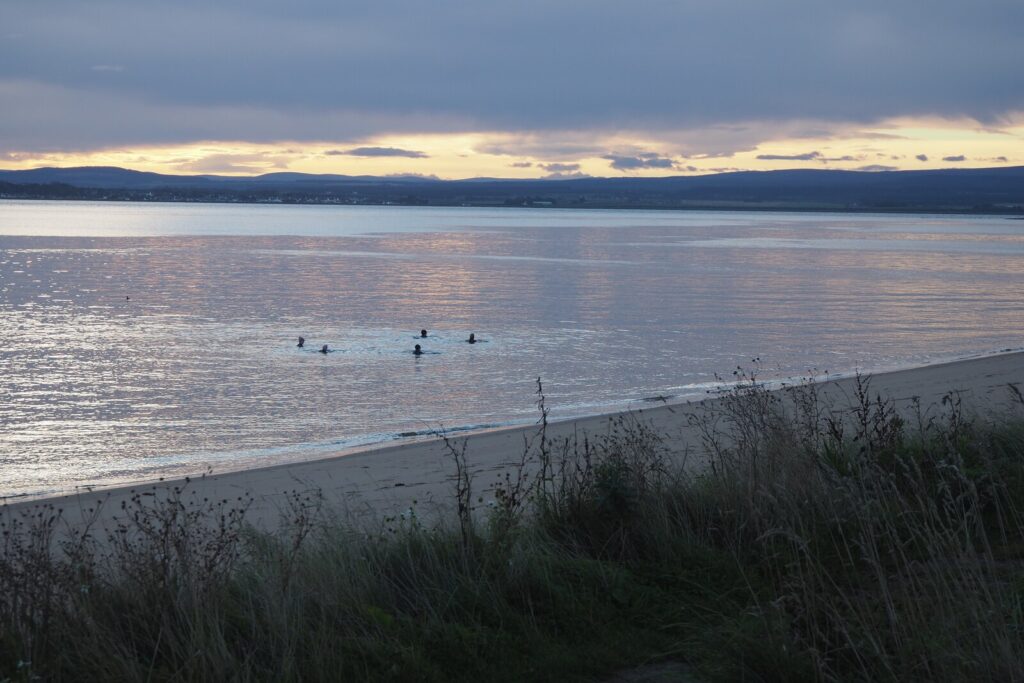
Walk down to almost any river meander, lido or quiet stretch of British coast on a Saturday morning this year and you will find someone in a swimsuit and a woolly hat, towel folded on the bank, debating water temperature with a stranger. UK wild swimming 2026 is no longer the preserve of cold-water evangelists and a handful of Hampstead regulars. It has quietly become one of the defining summer habits of British weekends, and the numbers behind it are bigger than most people realise. We’ve since looked at what the studies actually show in a separate piece on cold water swimming benefits – September, when the sea is warmest, is the sensible time to start.
In This Article
- Why UK wild swimming 2026 is a genuine cultural shift, not a passing trend
- What changed this spring that swimmers need to know about
- How to check whether a spot is actually swimmable
- River, sea, lido or reservoir? Picking your water
- The kit question, honestly answered
- What cold water does for you – and what it doesn't
- Where the new generation of swimmers is going
- How to start without overthinking it
- The bigger picture
This is not another listicle of pretty spots. It’s a look at why the practice has spread so fast, what has changed this spring that anyone planning to swim outdoors needs to know, and how to get started without overcomplicating it.
Why UK wild swimming 2026 is a genuine cultural shift, not a passing trend
The growth curve is striking. Sport England research shows the number of UK adults who regularly swim in lakes, rivers or the sea has more than doubled in seven years, rising from around 266,000 in 2016-17 to 543,000 in 2023-24. The Outdoor Swimming Society now lists more than 200,000 members, and the number of organised outdoor swimming groups across the country grew by roughly 340% between 2019 and 2024.
What is interesting is who is doing it. The fastest-growing age bracket is over-75s, up 45% over the last decade, with the 55-74 group close behind. Female participation has outpaced male participation. This is not a hardcore endurance crowd. It is largely older swimmers, women, retirees and weekenders who have found a low-cost, low-equipment habit that gets them outside, into nature and into a community without needing a gym membership or a podcast.
Cold-water immersion has also moved from fringe biohack to something your GP might mention. Research linking regular cold exposure to improved mood, reduced inflammation and better sleep has been picked up by mainstream UK health coverage, and the practice now sits comfortably alongside walking, yoga and running in the wellbeing conversation. Plenty of swimmers now finish the dip in one of Britain’s new beach saunas, turning a cold plunge into a hot-and-cold ritual.
What changed this spring that swimmers need to know about
The most important news for anyone heading into open water this summer is regulatory rather than meteorological. New bathing water reforms came into force on 15 May 2026 in England, and on 1 April in Wales, changing how bathing sites are designated and monitored. Campaigners including Surfers Against Sewage have warned that the reforms could narrow which sites qualify for designation in the first place, and have filed a judicial review.
The practical implication: do not assume your nearest swim spot has the same regulatory status it did last year. Around 600 sites in the UK currently hold designated bathing water status, with 13 new ones proposed in February 2026. Outside those, water quality monitoring is patchier and the responsibility shifts back to the swimmer.
The other figure worth holding in mind is the headline number from 2024: raw sewage was discharged into UK waters for 4.7 million hours across the year. The infrastructure problem is real, and the gap between “looks clean” and “is clean” matters more than ever.
How to check whether a spot is actually swimmable
The single most useful tool for anyone planning a wild swim in 2026 is the Safer Seas & Rivers Service app from Surfers Against Sewage. It now logs real-time water quality data at 370 locations across England, Wales, Scotland and Northern Ireland, and alerts users when untreated sewage is discharged at any monitored site. The Rivers Trust’s sewage map covers a similar role for inland waters in England and Wales.
A sensible pre-swim routine takes about two minutes. Check the app for the most recent discharge alert at your chosen spot. Look upstream for obvious agricultural run-off after rain. Avoid swimming for at least 48 hours after heavy rainfall, when combined sewer overflows are most active. If the water has an unusual smell, sheen or foam, do not get in.
None of this should put anyone off. Most regular wild swimmers swim without incident every week. The point is that the habit comes with a small amount of homework attached, and the tools to do that homework are now genuinely good.
River, sea, lido or reservoir? Picking your water
Not all open water is the same, and the differences matter more than most beginner guides admit.
| Water | Quality and safety picture | Cost | Best suited to |
|---|---|---|---|
| Designated river or lake site | Tested May to September; SAS app covers many | Free | Swimmers with a group and a tow float |
| Undesignated river stretch | Little or no official monitoring – the homework is yours | Free | Experienced swimmers who know the stretch |
| Sea, lifeguarded beach | The best-monitored water in Britain; mind the tide times | Free | First-timers and families |
| Tidal pool | Refreshed twice a day, sheltered from swell | Free | Nervous swimmers wanting real seawater |
| Lido | Chlorinated, lifeguarded, occasionally even heated | £5-£9 a swim | Anyone at all |
| Reservoir | Swimming banned at almost every one, for good reason | – | Nobody |
The reservoir line isn’t officialdom being a killjoy. Reservoirs pair deceptively calm surfaces with genuinely dangerous conditions: water that stays cold at depth all summer, sudden underwater shelves, and working machinery such as pumps and towers. Water companies ban swimming at nearly all of them, and a depressing share of the drownings reported in every UK heatwave happen in exactly these places. There is always a better option nearby.
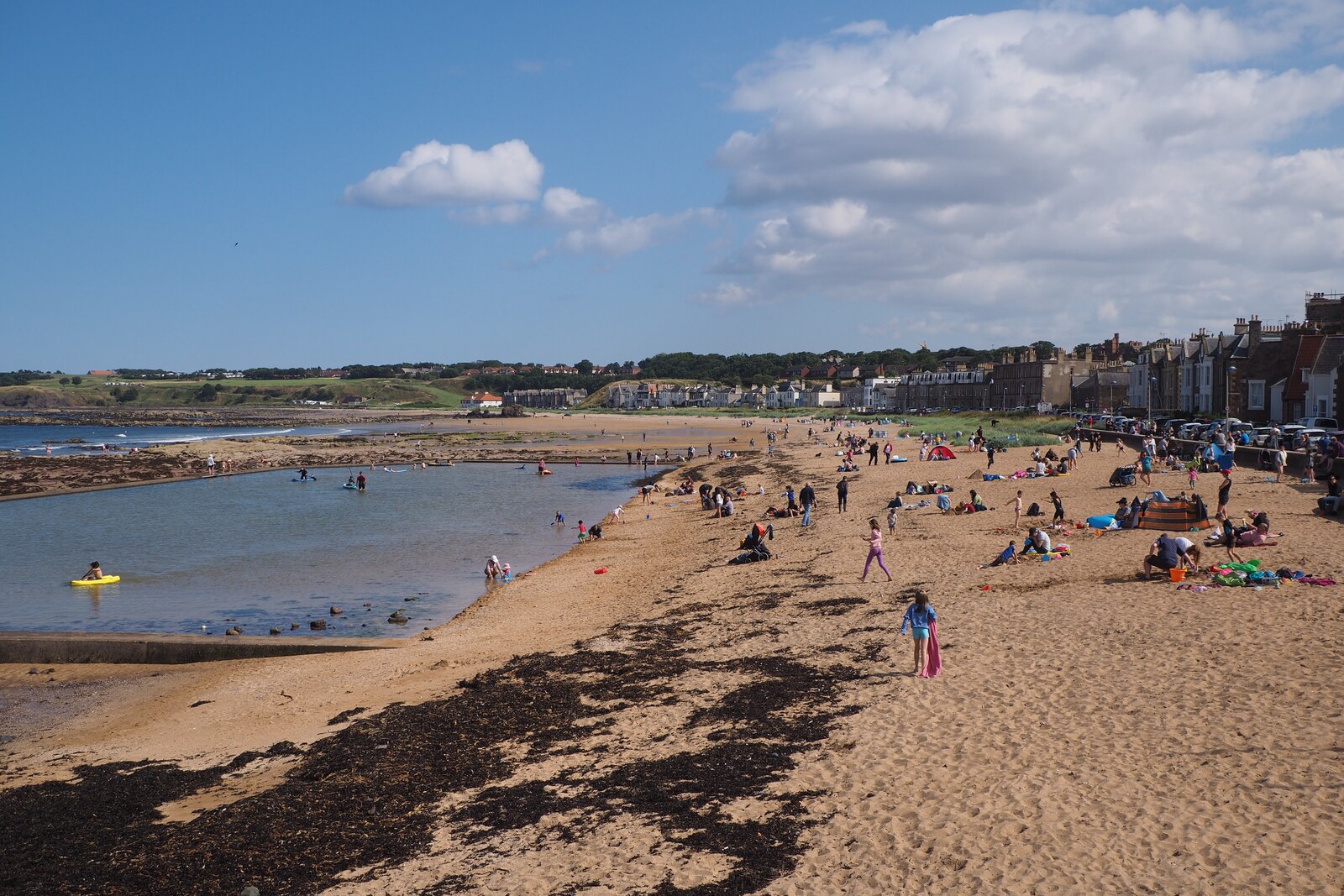
Tidal pools deserve a special mention. They’re free, they refill with every tide, and they take the two scariest variables – currents and depth – off the table. If the open sea feels like too much, the pools at Bude, Marazion, Margate and Cellardyke are the gentlest introduction Britain offers.
The kit question, honestly answered
The most expensive thing about wild swimming is the coffee afterwards. To start, all you really need is a swimsuit, a towel, a warm hat and a dry change of clothes. Add a brightly coloured tow float if you are swimming anywhere with boat traffic – Swim Secure and Decathlon both make perfectly good ones for £15 to £25 – and a pair of neoprene gloves and socks (around £12 to £15 each) if you plan to swim through autumn.
Wetsuits are optional and divisive. Many regulars prefer to swim in a costume year-round because the cold itself is part of the point. If you are swimming for distance rather than dipping, a 3mm summer wetsuit makes the experience meaningfully easier without committing you to a serious outdoor sport budget. The kit creep from there – tow floats with dry compartments, changing robes, neoprene caps, waterproof watches – is real, but none of it is required.
One contrarian note on the changing robe arms race. A Dryrobe costs about £165 and has become the unofficial uniform of every riverbank in the country, but in July a £20 towel poncho does the identical job. Buy the expensive one if you’ll still be swimming in January; otherwise it’s a very warm way of announcing that you swim outdoors.
The unspoken rule is that the best wild swimming kit is the kit that gets you in the water. Anything that adds friction to a Sunday morning swim works against you.
What cold water does for you – and what it doesn’t
The health claims around cold water have inflated faster than the participation numbers, so it’s worth separating solid ground from wishful thinking.
The mood case is the strongest. The evidence base is still made up of small studies, but it points the same way as the testimony of nearly everyone who swims regularly: the post-swim lift is real, repeatable and lasts for hours. For a habit that costs nothing, that’s a remarkable return.
The immunity case is shakier. The study everyone quotes is a 2016 Dutch trial in which around 3,000 volunteers finished their morning showers cold and recorded 29% fewer sickness absence days. But a cold shower isn’t a river in February, the outcomes were self-reported, and nobody has replicated the result at scale in open water. And the claims about brown fat and weight loss run further still ahead of the data. Believe the mood benefits; file the rest under promising.
The risk ledger is worth stating plainly, because it’s the opposite of what most people assume. Cold shock, not hypothermia, is the thing that kills swimmers in Britain. Anything below 15°C counts as cold water – and most UK fresh water sits below that for ten months of the year – so sudden immersion can trigger an involuntary gasp and a spike in heart rate that’s dangerous in the first minute, not the thirtieth. The RNLI’s advice if you get into trouble is to float: lean back, spread your arms, let your breathing settle, then swim. UK sea temperatures peak at around 17-18°C in late August; rivers mostly hover between 14 and 16°C in high summer. Pleasant once you’re in. Never warm.
Where the new generation of swimmers is going
The most-talked-about spots remain the obvious ones: the Hampstead Heath ponds, Buckler’s Hard on the Beaulieu River, the tidal pools at Bude and Marazion, Llyn Padarn in Snowdonia, Loch Morlich in the Cairngorms. What has changed is the spread. Local groups in less-celebrated places – the Avon at Saltford, the Ribble around Clitheroe, sections of the Wye, urban lidos in Stockport and Glasgow – have built genuine weekend communities.
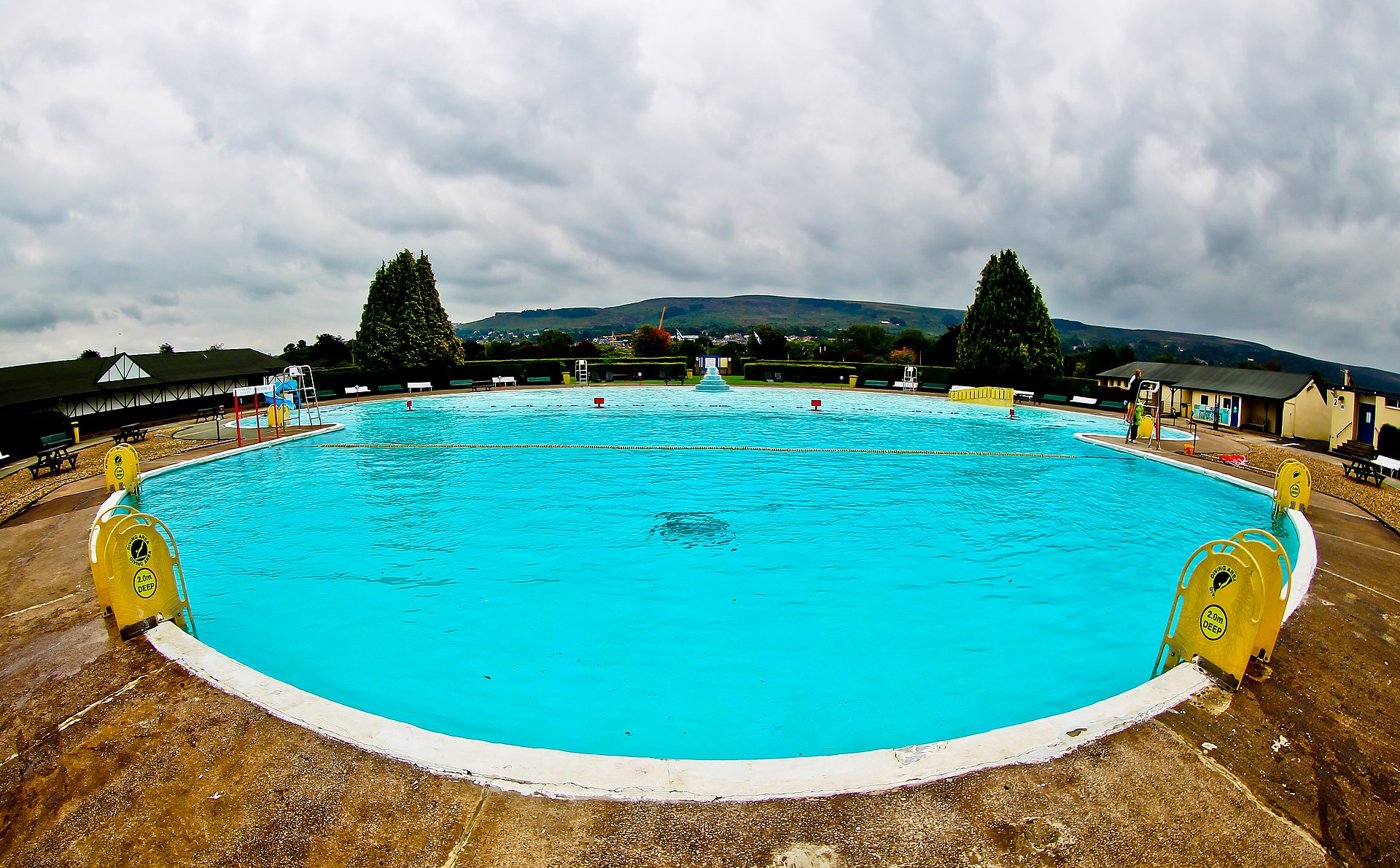
Lidos in particular have had a quiet renaissance. After years of council closures, several restored sites reopened in the early 2020s and are now booked solid on summer weekends. If a regulated, lifeguarded body of water sounds less intimidating than a river, that is a very reasonable place to start – our guide to the best lidos in the UK for 2026 covers nine open-air pools that earn the detour.
For people thinking about wild swimming as part of a wider summer trip, it pairs neatly with the slow-travel shift that has reshaped British holidays this year. Readers who enjoyed our piece on UK sleeper train holidays in 2026 will recognise the same logic at work: low-effort, low-flight, high-payoff weekends within Britain. If you are travelling with children, the best UK seaside holidays for families in 2026 guide highlights spots where the swimming and the day out come built in.
How to start without overthinking it
The honest answer is that almost everyone who has taken up wild swimming in the last three years did the same thing: found a local group, turned up once, swam for four minutes, drank a tea, and went back the next week. The barrier is almost always psychological, not physical.
A few practical pointers. Never swim alone if you can avoid it – either join a group (the Outdoor Swimming Society’s regional Facebook pages are a good starting point) or take a friend who will sit on the bank. Get in slowly and breathe out as the cold hits, which short-circuits the gasp reflex. Stay close to your exit point until you know your limits. Get out before you stop feeling cold – the afterdrop will land twenty minutes later regardless. Warm up gradually with layers and a hot drink rather than a hot shower.
Half-term, bank holidays and long summer evenings are the easiest entry points. If you missed our May half-term UK 2026 family breaks coverage, the same principle applies to summer planning: pick somewhere with easy parking, a clean spot to swim and a pub within walking distance, and the rest tends to take care of itself.
The bigger picture
What makes UK wild swimming 2026 worth paying attention to is not the demographic data or the kit market or the regulatory drama, though all of those are interesting. It is that a country with a difficult relationship with both its weather and its rivers has, fairly quietly, built one of the largest community outdoor movements in Europe. It costs almost nothing. It gets people outside through the months when they would otherwise hibernate. It has knock-on effects on river campaigning, on local economies, on how people use their weekends.
It also sits alongside zone 2 training in the slower-is-better shift reshaping British fitness – and if you’re building strength for cold-water days, reformer Pilates is the studio counterpart, now one of the hardest classes in Britain to book.
The summer of 2026 looks set to be the busiest yet. If the river feels like a step too far this weekend, start at the lido and work outwards. The water only gets wilder from there.