
Vegan Pesto Recipe UK: How to Make Dairy-Free Pesto That Tastes Better Than Shop-Bought
Vegan Pesto Recipe UK: Simple and Delicious
A good vegan pesto recipe UK cooks can rely on transforms simple meals into something special. Shop-bought vegan pesto often disappoints with bland flavour and excessive oil. Making your own takes ten minutes and tastes dramatically better.
In This Article
- Vegan Pesto Recipe UK: Simple and Delicious
- In This Article
- Cashew Kale Pesto
- Classic Basil and Pine Nut
- Sun-Dried Tomato Pesto
- Storage Tips
- Beyond Pasta
- Nutritional Benefits
- Frequently Asked Questions
- Can I substitute other nuts for cashews?
- Is nutritional yeast essential?
- Can I use frozen kale?
- How do I make pesto less bitter?
This vegan pesto recipe UK guide covers three variations using accessible ingredients, plus tips for storing and using pesto across multiple meals.
In This Article
- Classic cashew kale pesto recipe
- Basil and pine nut variation
- Sun-dried tomato pesto
- Storage and freezing tips
- Ways to use pesto beyond pasta
Cashew Kale Pesto
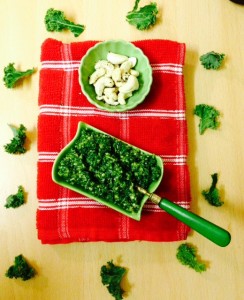
This is the standout vegan pesto recipe UK ingredients make particularly well. British kale is available year-round, affordable, and produces a vibrant green pesto with earthy depth.
You need 100g curly kale with stems removed, 50g raw cashews, 2 cloves of garlic, juice of half a lemon, 3 tablespoons of nutritional yeast, 100ml extra virgin olive oil, and salt to taste.
Blend the cashews first until coarsely ground. Add the kale, garlic, lemon juice, and nutritional yeast. Pulse while drizzling in olive oil until you reach your preferred consistency. Season with salt.
The result is rich, slightly nutty, and satisfyingly savoury. Nutritional yeast provides the umami depth that traditional pesto gets from Parmesan. Most people cannot tell this is dairy-free.
Classic Basil and Pine Nut
For a more traditional approach, swap kale for 60g fresh basil leaves and cashews for 30g pine nuts. The method is identical. Toast the pine nuts lightly in a dry pan first for deeper flavour.
Fresh basil pesto is best made in small batches and used quickly. The bright green colour and delicate flavour deteriorate faster than heartier kale-based versions.
Sun-Dried Tomato Pesto
Blend 100g sun-dried tomatoes in oil with 50g cashews, 2 garlic cloves, a handful of fresh basil, 2 tablespoons nutritional yeast, and enough olive oil to reach a spreadable consistency.
This variation is outstanding on bruschetta, stirred through risotto, or used as a pizza base instead of tomato sauce. The concentrated sweetness of sun-dried tomatoes creates an intensely flavourful result.
Storage Tips
Fresh pesto keeps in the fridge for five to seven days in an airtight jar. Pour a thin layer of olive oil over the surface to prevent oxidation and maintain the bright green colour.
Freeze pesto in ice cube trays for convenient portions. Once frozen, transfer cubes to a freezer bag. Each cube equals approximately one serving. They defrost in minutes at room temperature or can be added directly to hot pasta.
Frozen pesto retains flavour and colour for up to three months. This makes batch cooking practical and eliminates waste from unused portions.
Beyond Pasta
Pesto elevates simple dishes with minimal effort. Spread it on toast with sliced avocado for a quick lunch. Stir it through scrambled eggs or mix it into mashed potato for unexpected flavour.
Use pesto as a salad dressing base. Thin with extra olive oil and lemon juice for a vibrant dressing that works particularly well with grain salads and roasted vegetable bowls.
Marinate tofu or vegetables in pesto before roasting. The oil content bastes the food during cooking while the herbs and garlic create a flavourful crust.
Pesto flatbreads make excellent party food. Spread pesto on shop-bought flatbreads, top with cherry tomatoes and rocket, and bake for five minutes. Simple, impressive, and entirely plant-based.
Nutritional Benefits
Kale is one of the most nutrient-dense foods available. Rich in vitamins K, A, and C, plus iron and calcium, it adds genuine nutritional value to a condiment that most people consider purely for flavour.
Cashews provide healthy fats, protein, and minerals including magnesium and zinc. Combined with olive oil’s heart-healthy monounsaturated fats, vegan pesto is a nutritionally dense addition to your diet.
Frequently Asked Questions
Can I substitute other nuts for cashews?
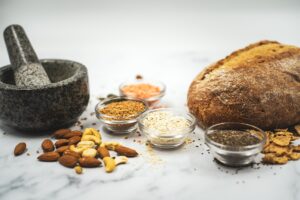
Absolutely. Walnuts, almonds, and sunflower seeds all work well. Each produces a slightly different flavour profile. Walnuts add bitterness that some people enjoy while almonds create a milder result.
Is nutritional yeast essential?
It provides the cheesy, umami flavour that makes vegan pesto convincing. Without it, the pesto will taste good but lack the savoury depth. Miso paste is an alternative if nutritional yeast is unavailable.
Can I use frozen kale?
Yes. Frozen kale works well and is often cheaper. Defrost and squeeze out excess moisture before blending. The flavour is comparable to fresh.
How do I make pesto less bitter?
Blanching kale briefly in boiling water for 30 seconds before blending reduces bitterness. Extra lemon juice and a pinch of sugar also help balance strong green flavours.
This one slots neatly into a weeknight rotation – pair it with our 15 minute weeknight dinners UK formula or the blue zone recipes worth cooking this spring for a full plant-led week without much thinking.
Find more recipe and food guides on our site. For sustainable personal care that matches your plant-based lifestyle, explore Wild’s vegan deodorant range.
Over to you: which nut swap gave you the closest flavour to shop-bought without any of the greasiness? Drop your version in the comments.



Pingback: Wild Garlic Recipes: Easy UK Weeknight Dinners 2026