Blue Zone Recipes UK 2026: 5 Easy Weeknight Dinners Built Around Beans and Greens
Blue zone recipes UK home cooks can actually pull off on a Tuesday have quietly become one of the strongest food trends of 2026. After a year of restrictive diet noise – cortisol drinks, seed-oil panics, ultra-processed league tables – a generation of British shoppers is looking instead at how the world’s longest-lived people actually eat, and adapting it to Tesco, Aldi and the local greengrocer. The good news for blue zone recipes UK fans is that the staples already line your shelves.
In This Article
- What Makes Blue Zone Recipes UK Cooks Should Care About Different?
- Five Blue Zone Recipes UK Supermarkets Already Stock
- 1. Sardinian Minestrone with Cannellini Beans
- 2. Ikarian Longevity Stew
- 3. Okinawan Sweet Potato and Miso Soup
- 4. Costa Rican Gallo Pinto
- 5. Loma Linda Walnut and Lentil Bolognese
- Tips for Cooking Blue Zone Recipes UK Shoppers Can Stick To On A Budget
- Frequently Asked Questions About Blue Zone Recipes UK
- What are blue zone recipes?
- Are blue zone recipes expensive to make in the UK?
- Can I follow blue zone recipes if I am not vegetarian?
- How long do blue zone recipes take to cook?
I have spent the past few weeks cooking my way through Blue Zone-inspired dishes using only what’s stocked in mainstream UK supermarkets, and adapting them for British weeknights. Here are five plant-led recipes worth your time, what surprised me, and how to build the whole approach around the way you already shop. If you are hunting for weeknight ideas more broadly, our 15 minute weeknight dinners UK guide pairs neatly with this one, and the store cupboard dinners UK round-up runs the same playbook with kit you already own.
What Makes Blue Zone Recipes UK Cooks Should Care About Different?
The term “Blue Zones” was coined by researcher Dan Buettner, who identified five communities with the highest concentrations of centenarians: Okinawa in Japan, Sardinia in Italy, Nicoya in Costa Rica, Ikaria in Greece and Loma Linda in California. Despite being spread across the globe, their diets share striking similarities, and the science has held up: a 2023 review in the BMJ found that swapping a typical Western diet for a Mediterranean-style, plant-forward pattern is associated with a meaningful drop in cardiovascular risk and all-cause mortality, broadly in line with the NHS guidance on Mediterranean eating.
Meat is eaten sparingly – roughly five times a month on average. Beans and lentils form the cornerstone of most meals, paired with locally grown vegetables, whole grains and nuts. Processed food barely features. It is not restrictive or trendy. It is just proper cooking with real ingredients, which is probably why it works so well.
Five Blue Zone Recipes UK Supermarkets Already Stock
1. Sardinian Minestrone with Cannellini Beans
This is the dish I keep coming back to. Sardinian minestrone is thicker and heartier than the watery versions you might be used to. Dice an onion, two carrots and a couple of celery sticks, then soften them in a good glug of extra virgin olive oil. Add a tin of chopped tomatoes, a drained tin of cannellini beans, a handful of cavolo nero (about £1.50 from most supermarkets) and a litre of vegetable stock.
Let it simmer for 30 minutes, stir in some small pasta shapes for the last 10, and finish with a grating of Parmesan. It makes four generous portions and costs roughly £4 to £5 in total. Hard to argue with that.
2. Ikarian Longevity Stew
This one comes from the Greek island of Ikaria, where a third of the population lives past 90. Soak 250g of black-eyed beans overnight, then cook them with a diced onion, two chopped tomatoes, a bay leaf and a generous amount of olive oil. The key is to cook it low and slow for about an hour until the beans are completely tender and the liquid has thickened into a rich sauce.
Serve it with crusty sourdough and a squeeze of lemon. It is the kind of meal that feels like it shouldn’t be as good as it is. A bag of dried black-eyed beans costs about 80p at Aldi, so this is genuinely budget-friendly cooking.
3. Okinawan Sweet Potato and Miso Soup
Sweet potatoes are a staple in Okinawa, where they make up a significant portion of the traditional diet. Peel and cube two medium sweet potatoes (roughly 400g), simmer them in 800ml of dashi or vegetable stock until soft, then stir in two tablespoons of white miso paste. If you cannot find dashi, our spring vegetable round-up has stock-cube swaps that work fine here.
Top with sliced spring onions and a sprinkle of sesame seeds. It takes about 20 minutes from start to finish, and it is wonderfully warming for those chilly April evenings we are still getting.
4. Costa Rican Gallo Pinto
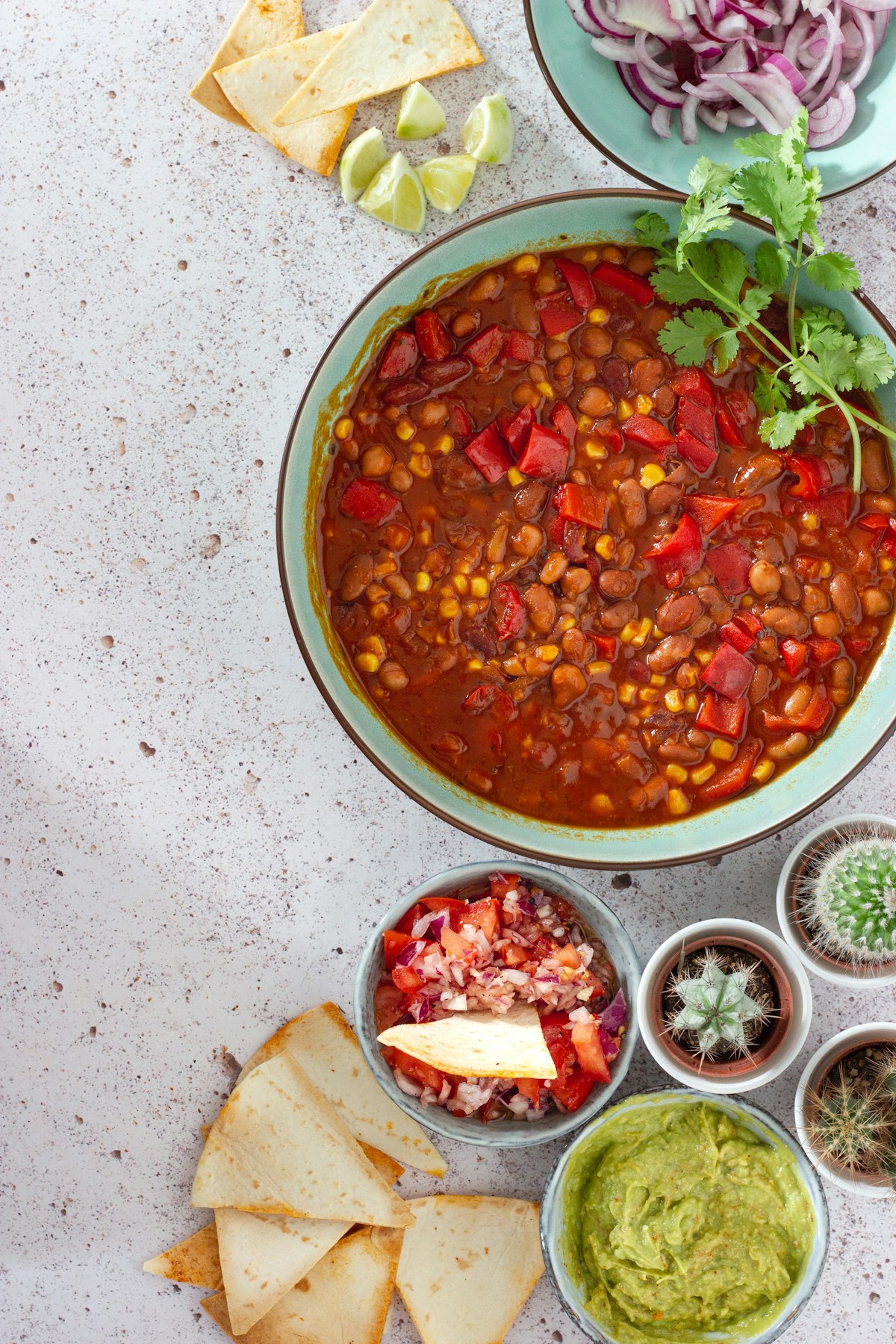
Gallo Pinto translates as “spotted rooster” and it is eaten for breakfast across Nicoya. Cook a finely diced onion and a chopped red pepper in a little oil until soft. Add a tin of black beans (drained but reserve the liquid), a portion of cooked rice, and a splash of Worcestershire sauce or Salsa Lizano if you can find it.
Fry everything together until the rice gets slightly crispy at the edges. Serve with a fried egg on top and some fresh coriander. It is filling, cheap and genuinely delicious – the sort of breakfast that keeps you going well past lunch.
5. Loma Linda Walnut and Lentil Bolognese
The Seventh-day Adventist community in Loma Linda, California follows a largely plant-based diet. This recipe swaps mince for a mixture of green lentils and chopped walnuts, which gives a surprisingly meaty texture. Cook 150g of green lentils until just tender, then drain. In a separate pan, soften an onion and two cloves of garlic, add a tin of chopped tomatoes, a tablespoon of tomato puree, a teaspoon of dried oregano and the cooked lentils.
Roughly chop 50g of walnuts and stir them through in the last five minutes. Serve over spaghetti or, if you are following the seasonal British approach, with some wild garlic stirred in at the end. It feeds four for under £6.
Tips for Cooking Blue Zone Recipes UK Shoppers Can Stick To On A Budget
One thing I have noticed is that blue zone cooking is inherently affordable. Dried beans and lentils cost pennies per portion. A 500g bag of dried chickpeas from Tesco is about £1.10 and will give you six to eight servings. Tinned alternatives are nearly as good and save you the overnight soaking.
Stock up on extra virgin olive oil – it is used liberally in all Mediterranean Blue Zone cooking. Aldi’s Specially Selected range is around £3.49 for 500ml and perfectly decent for everyday use. Seasonal vegetables from your local market will always be cheaper and tastier than supermarket imports, so it is worth checking what is available. Right now, potatoes are still great value and incredibly versatile.
Frequently Asked Questions About Blue Zone Recipes UK
What are blue zone recipes?
Blue zone recipes are dishes based on the traditional diets of people living in the world’s five Blue Zones – regions where residents live significantly longer than average. They focus on plant-based ingredients like beans, lentils, whole grains, vegetables, nuts and olive oil, with meat eaten only occasionally.
Are blue zone recipes expensive to make in the UK?
Not at all. Most blue zone recipes rely on store cupboard staples like dried beans, lentils, tinned tomatoes and olive oil. A typical meal costs between £1 and £2 per portion when using UK supermarket ingredients. Buying dried pulses in bulk and shopping seasonally keeps costs even lower.
Can I follow blue zone recipes if I am not vegetarian?
Yes. Blue zone diets are not strictly vegetarian. People in these regions do eat meat, but typically only a few times a month and in small portions. Fish appears more regularly, particularly in Sardinia and Okinawa. The emphasis is on making plants the centre of your plate rather than cutting anything out entirely.
How long do blue zone recipes take to cook?
Most blue zone recipes are surprisingly quick. The soups and stews in this article take 30 to 45 minutes of mostly hands-off simmering. Dishes like Gallo Pinto or the walnut Bolognese come together in about 20 minutes. The only extra step is soaking dried beans overnight if you are not using tinned ones.
Blue zone cooking is not a fad diet or a wellness trend with an expiry date. It is how millions of people have been eating for generations, and the results speak for themselves. If you are looking for meals that are cheap, simple and genuinely good for you, blue zone recipes UK shoppers can build a week around are a solid place to start. For more ideas built around what is already in your cupboards, our store cupboard dinners UK round-up runs the same playbook with what you already own, and the slow cooker spring recipes guide is a solid match for batch-cook Sundays.
Which of these blue zone recipes UK kitchens already have the ingredients for would you actually cook on a Tuesday, and is there a Sardinian or Okinawan dish you would love a British version of? Tell us in the comments below.
If you want more vegetable-forward weeknight cooking, our easy Korean recipes hit similar notes with a bit more punch.