Virtual Reality Trends 2026: 7 Surprising Shifts Changing How We Live
In This Article
- Table of Contents
- Headsets Are Getting Lighter and Smarter
- Virtual Reality Trends 2026 in the Workplace
- Gaming Has Taken a Massive Leap Forward
- VR Health and Fitness Is Going Mainstream
- Social VR Spaces Are Replacing Video Calls
- Education and Training Are Being Transformed
- UK Adoption Is Accelerating Fast
- Frequently Asked Questions
- What are the biggest virtual reality trends 2026?
- Is VR worth buying in 2026?
- How is virtual reality being used in UK workplaces?
- Will VR replace traditional screens?
Table of Contents
- Headsets Are Getting Lighter and Smarter
- Virtual Reality Trends 2026 in the Workplace
- Gaming Has Taken a Massive Leap Forward
- VR Health and Fitness Is Going Mainstream
- Social VR Spaces Are Replacing Video Calls
- Education and Training Are Being Transformed
- UK Adoption Is Accelerating Fast
- Frequently Asked Questions
Virtual reality trends 2026 are proving that VR is no longer a novelty reserved for gamers and tech enthusiasts. This year has seen a genuine shift in how ordinary people interact with immersive technology.
From lighter headsets to practical workplace tools, the changes are hard to ignore. Here are seven of the most significant virtual reality trends 2026 has brought to the fore.
Headsets Are Getting Lighter and Smarter
The biggest barrier to VR adoption has always been comfort. Bulky headsets that left red marks on your face were never going to win over the mainstream.
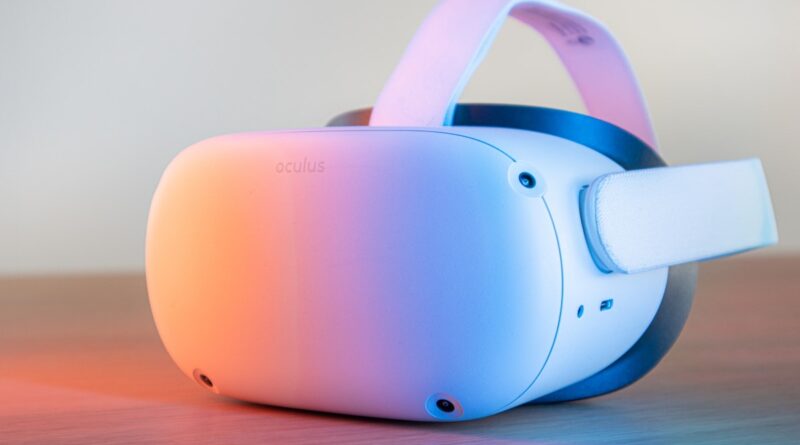
That is finally changing. The latest generation of headsets weigh significantly less than their predecessors and offer battery life that actually lasts a full session.
Standalone devices have also eliminated the need for expensive gaming PCs. You put the headset on and it works – no cables, no external sensors, no fuss.
This shift in hardware is one of the most important virtual reality trends 2026 has delivered. It is making VR accessible to people who would never have considered it before.
Virtual Reality Trends 2026 in the Workplace
Remote working created a demand for better collaboration tools. VR is now stepping in where video calls fall short.
Companies across the UK are using virtual meeting rooms where colleagues can sketch ideas on shared whiteboards and walk through 3D prototypes. It is a far cry from staring at a grid of faces on a screen.
Architecture firms, engineering companies, and healthcare providers have been early adopters. They are using VR to visualise complex projects before a single brick is laid.
The return on investment is becoming clearer too. Businesses report shorter design cycles and fewer costly mistakes when teams can interact with virtual models in real time.
Gaming Has Taken a Massive Leap Forward
Gaming remains the primary driver of consumer VR sales. The focus has shifted from gimmicky experiences to fully realised worlds with genuine depth.
Multiplayer VR games are particularly popular right now. Playing alongside friends in a shared virtual space offers something that flat-screen gaming simply cannot replicate.
The rise of VR arcades across UK high streets is another telling sign. These venues let people try premium experiences without committing to buying a headset, as reported by BBC Technology.
If you are interested in how technology is reshaping leisure time, our piece on the tech making family travel easier in 2026 covers similar ground.
VR Health and Fitness Is Going Mainstream
Fitness apps in VR have moved well beyond the novelty stage. Structured workout programmes now offer personal coaching, calorie tracking, and community challenges.
The appeal is obvious. A 30-minute boxing session in VR can burn as many calories as a traditional workout, but it feels like playing a game rather than grinding through reps.
NHS-backed pilot programmes are also exploring VR for physiotherapy and mental health treatment. You can read more about digital health initiatives on the NHS website.
This crossover between health and virtual reality trends 2026 is one of the most promising developments for the technology going forward.
Social VR Spaces Are Replacing Video Calls
The metaverse hype has quietened down, but social VR is thriving in a more practical form. Platforms have matured considerably, offering spaces where people genuinely want to spend time.
Users attend live concerts, visit virtual galleries, and join hobby groups – all from their living rooms. For people with mobility issues or those in remote areas, social VR provides a connection that video calls cannot match.
The sense of physical presence makes interactions feel more natural and less draining. It is a step change from the flat experience of a video call.
Among virtual reality trends 2026, social VR has seen the strongest growth in users aged 35 and above. This is not just a young person’s technology any more.
Education and Training Are Being Transformed
Schools and universities have been slower to adopt VR, but 2026 is proving to be a turning point. Interactive history lessons, virtual science labs, and immersive language learning are all gaining traction in UK classrooms.
Corporate training is where VR is making the biggest impact, though. Retail chains use it to simulate customer interactions, while logistics companies train warehouse staff in virtual environments.
The cost savings are substantial. Virtual training eliminates the need for physical equipment, travel, and dedicated training facilities.
If you enjoy reading about smart tech improving everyday life, you might also like our review of the best robot vacuums under £300 in the UK.
UK Adoption Is Accelerating Fast
The UK VR and AR market has grown by over 30 percent in 2026 according to industry analysts. That is a significant jump that reflects both consumer enthusiasm and serious enterprise investment.
London, Manchester, and Bristol have emerged as hubs for VR development. Startups are attracting funding from both domestic and international investors.
Government support has helped too. Grants for immersive technology projects and tax relief for VR content creators have made the UK one of the more attractive markets for virtual reality trends 2026.
High street retailers are beginning to experiment with VR showrooms as well. Trying on clothes virtually or previewing furniture in your own living room via a headset is becoming a genuine part of the shopping experience.
Frequently Asked Questions
What are the biggest virtual reality trends 2026?
The most significant virtual reality trends 2026 include lighter standalone headsets, workplace VR adoption, fitness applications going mainstream, and growing UK market investment.
Is VR worth buying in 2026?
For most people, yes. Entry-level headsets are more affordable than ever, and the range of content from gaming to fitness to productivity makes VR a genuinely useful purchase.
How is virtual reality being used in UK workplaces?
UK companies are using VR for virtual meetings, 3D design reviews, employee training, and customer experience simulations. Industries like architecture, healthcare, and retail have been the earliest adopters.
Will VR replace traditional screens?
Not entirely, but VR is increasingly complementing traditional screens for specific tasks. For immersive experiences and training, virtual reality trends 2026 suggest VR offers clear advantages over flat displays.