
Waterbeds Comeback: Why They Disappeared and How They Have Changed
[toc]
Waterbeds Comeback: Are They Worth Trying Again?
The waterbeds comeback might surprise you. Once a symbol of 1970s excess, waterbeds disappeared from most UK bedrooms by the 1990s. But modern versions have quietly returned with improved technology that addresses the problems that drove people away.
In This Article
- Waterbeds Comeback: Are They Worth Trying Again?
- Why Waterbeds Disappeared
- Waterbeds Comeback: What Has Changed
- Health Benefits of Waterbeds
- Waterbeds Comeback: The Drawbacks
- Creating a Better Sleep Environment
- Frequently Asked Questions
- Are modern waterbeds comfortable?
- How long do waterbeds last?
- Can waterbeds leak?
- How much does a waterbed cost in the UK?
If you are curious about whether a waterbed deserves a place in your home, here is what has changed and whether the updated designs are genuinely worth considering.
Why Waterbeds Disappeared
The original waterbeds had serious practical issues. They were incredibly heavy, often requiring structural floor assessments before installation. Leaks were common and catastrophic when they happened.
Temperature was another problem. Unheated waterbeds felt cold in winter, while heated versions ran up electricity bills. The constant sloshing motion also bothered light sleepers and their partners.
By the 1990s, memory foam mattresses arrived and offered pressure relief without the hassle. Waterbeds fell out of favour almost overnight and became more of a punchline than a serious bedroom option.
Waterbeds Comeback: What Has Changed
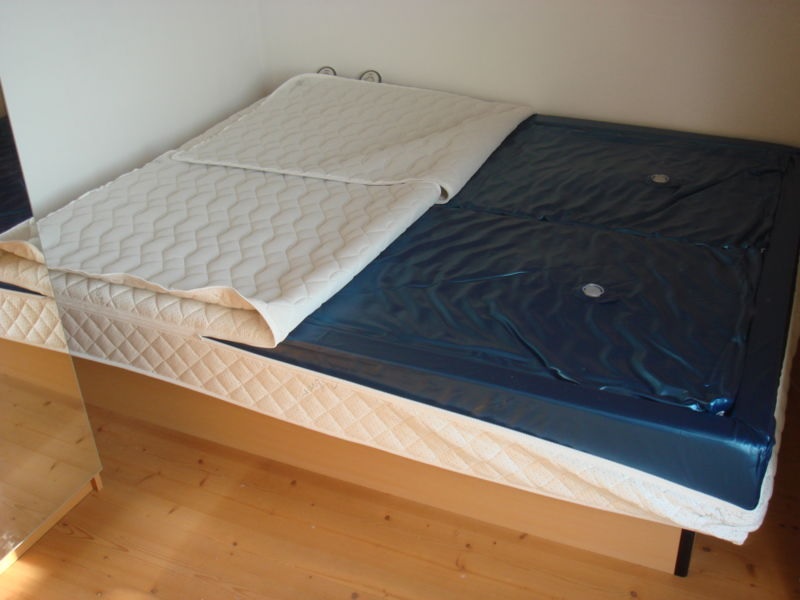
Modern waterbeds bear little resemblance to their 1970s predecessors. Waveless technology uses internal baffles and fibre layers to eliminate the sloshing motion that made older models impractical.
Dual-chamber designs allow each side of the bed to have different firmness levels, addressing one of the biggest complaints from couples. Temperature control systems are more efficient and maintain consistent warmth.
The weight issue has been partially addressed too. While still heavier than standard mattresses, modern softside waterbeds look like conventional beds and do not require the reinforced frames that hardside models demanded.
Health Benefits of Waterbeds
Waterbeds offer genuine therapeutic benefits for certain conditions. The even weight distribution reduces pressure points, which can help people with back pain, arthritis, and circulation problems.
The warmth from heated waterbeds can soothe muscle tension and stiffness. Some physiotherapists and chiropractors recommend them for patients with chronic pain conditions.
For allergy sufferers, waterbeds have an advantage over traditional mattresses. The vinyl surface does not harbour dust mites, making them one of the most hypoallergenic bed options available.
Waterbeds Comeback: The Drawbacks
Despite improvements, waterbeds still have limitations. They are more expensive than equivalent quality spring or foam mattresses, with good models starting from around £800.
Maintenance is required. The water needs conditioning every six months to prevent algae growth, and the vinyl surface needs occasional treatment to stay supple. This is minimal effort but more than a standard mattress demands.
Moving house with a waterbed is more complicated than with a regular mattress. Draining, transporting, and refilling takes time and planning, which can be a genuine inconvenience.
Creating a Better Sleep Environment
Whatever mattress you choose, good sleep hygiene makes the biggest difference to sleep quality. A cool, dark room, consistent bedtime, and limiting screen time before sleep all contribute more than any mattress.
Your evening routine sets the tone for good sleep. Small rituals like a warm shower and applying products you enjoy signal to your body that it is time to wind down. Wild deodorant comes in calming scents like Coconut and Vanilla that complement a relaxing bedtime routine.
For more home and lifestyle recommendations, explore our guides covering bedroom design, sleep tips, and product reviews.
Frequently Asked Questions
Are modern waterbeds comfortable?
Yes. Modern waveless waterbeds provide supportive, pressure-relieving comfort comparable to high-end memory foam mattresses. The sloshing and instability of older models has been effectively eliminated.
How long do waterbeds last?
A quality waterbed mattress typically lasts 15 to 20 years with proper maintenance, significantly longer than most spring or foam mattresses which average 8 to 10 years.
Can waterbeds leak?
Modern waterbed materials are much more durable than earlier versions. Leaks are rare but can occur. Most come with patch kits, and the safety liner beneath the mattress contains any water if a leak does happen.
How much does a waterbed cost in the UK?
Entry-level softside waterbeds start from around £500. Quality models with waveless technology and dual temperature control typically cost £800 to £1,500.
The waterbeds comeback is real, if modest. Modern versions address most of the problems that drove them out of favour, and they offer genuine benefits for specific needs. Whether they are right for you depends on your priorities and willingness to accept the maintenance trade-off.