My Armpits, Before and After: Six Weeks on Wild’s Sensitive Deodorant
I put up with itchy, blotchy armpits for the best part of three years. I assumed it was shaving, or heat, or stress, or one of the dozen other things we blame before we suspect the obvious. It never once occurred to me that the deodorant I applied every single morning was the problem.
In This Article
It was.
The Before
My underarms were permanently pink at best. On bad weeks there were raised bumps, dry flaky patches, and an itch that would flare up in meetings at precisely the moment I couldn’t do anything about it. I bought “gentle” versions of the big supermarket brands. I switched from spray to roll-on and back. Nothing changed, because I was swapping one cocktail of synthetic fragrance and alcohol for another with different branding.
If any of that sounds familiar, look at your deodorant’s ingredient list. It’s a long read, and most of it isn’t there for your benefit. Your skin might be paying for it in exactly the way mine was – and plenty of people go years without making the connection.
The Switch
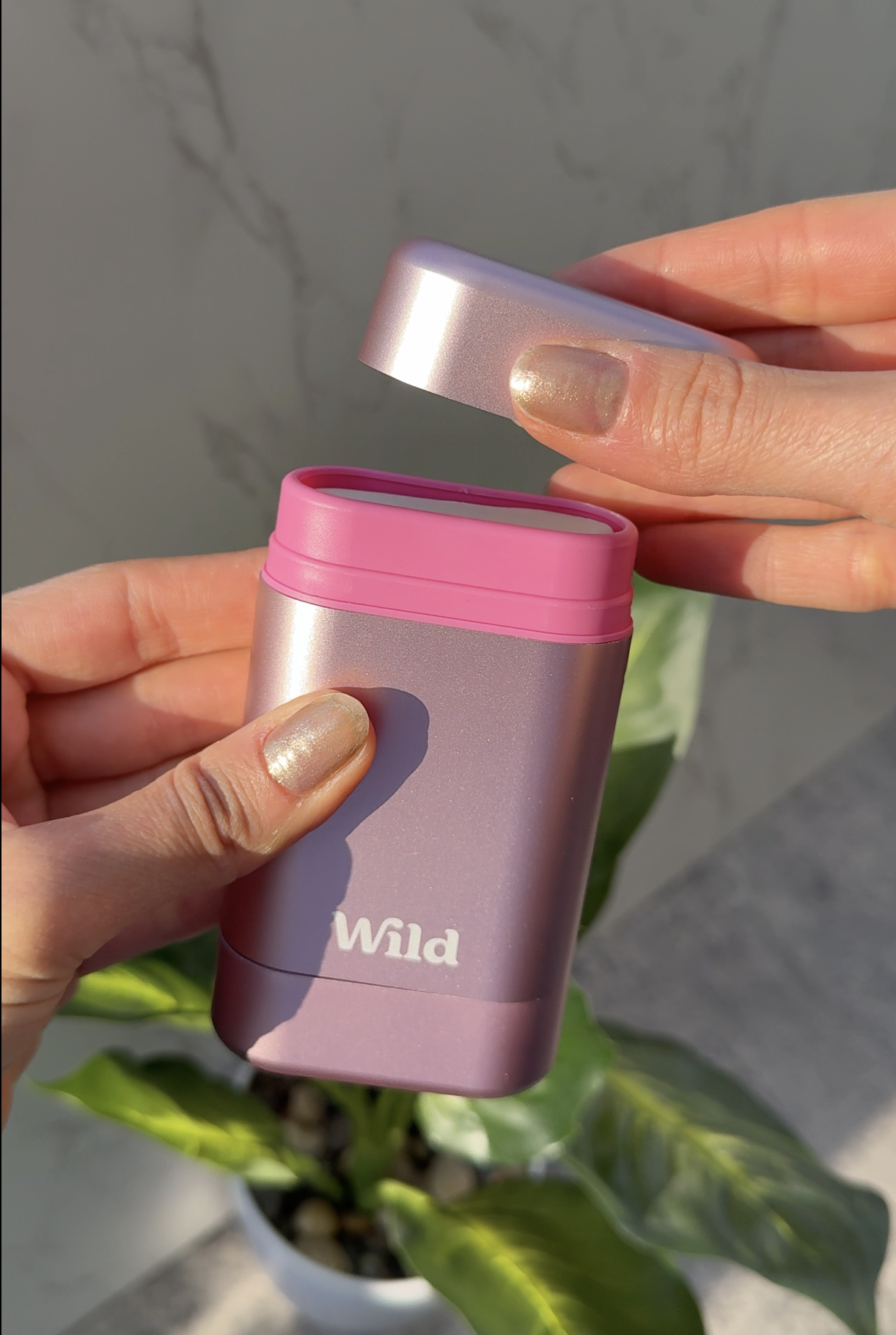
A dermatologist friend suggested cutting synthetic fragrance from anything that touched the area, and Wild’s sensitive skin deodorant kept coming up when I looked into natural options. The formula is built around skin-friendly ingredients – shea butter to moisturise, tapioca starch to absorb moisture – and the sensitive range leaves out bicarbonate of soda, which can bother very reactive skin.
I committed to six weeks. Long enough for my skin to actually show me something, rather than the three impatient days I’d normally give a new product.
Lifestyle Reviewer readers get money off a first order with code WILDSTICK at wearewild.com.
The After
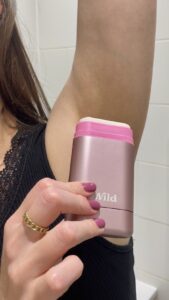
Week one, the itching eased. By week three the redness had visibly faded, and at six weeks my underarms looked like ordinary skin again – which sounds like a low bar until you’ve spent years without it. The before and after photos genuinely surprised me. I’d forgotten what “calm” looked like under there.
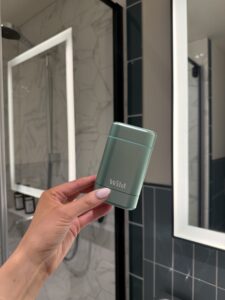
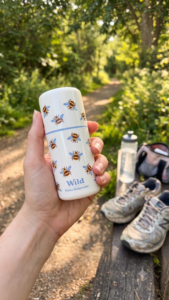
Odour protection held up all day too, which I’ll admit I doubted. The 24 hour claim is fair. And the stick itself is pleasant to use: it glides on without dragging, the refillable case looks smart on a shelf, and refills just click in when one runs out.
Would I Recommend It?
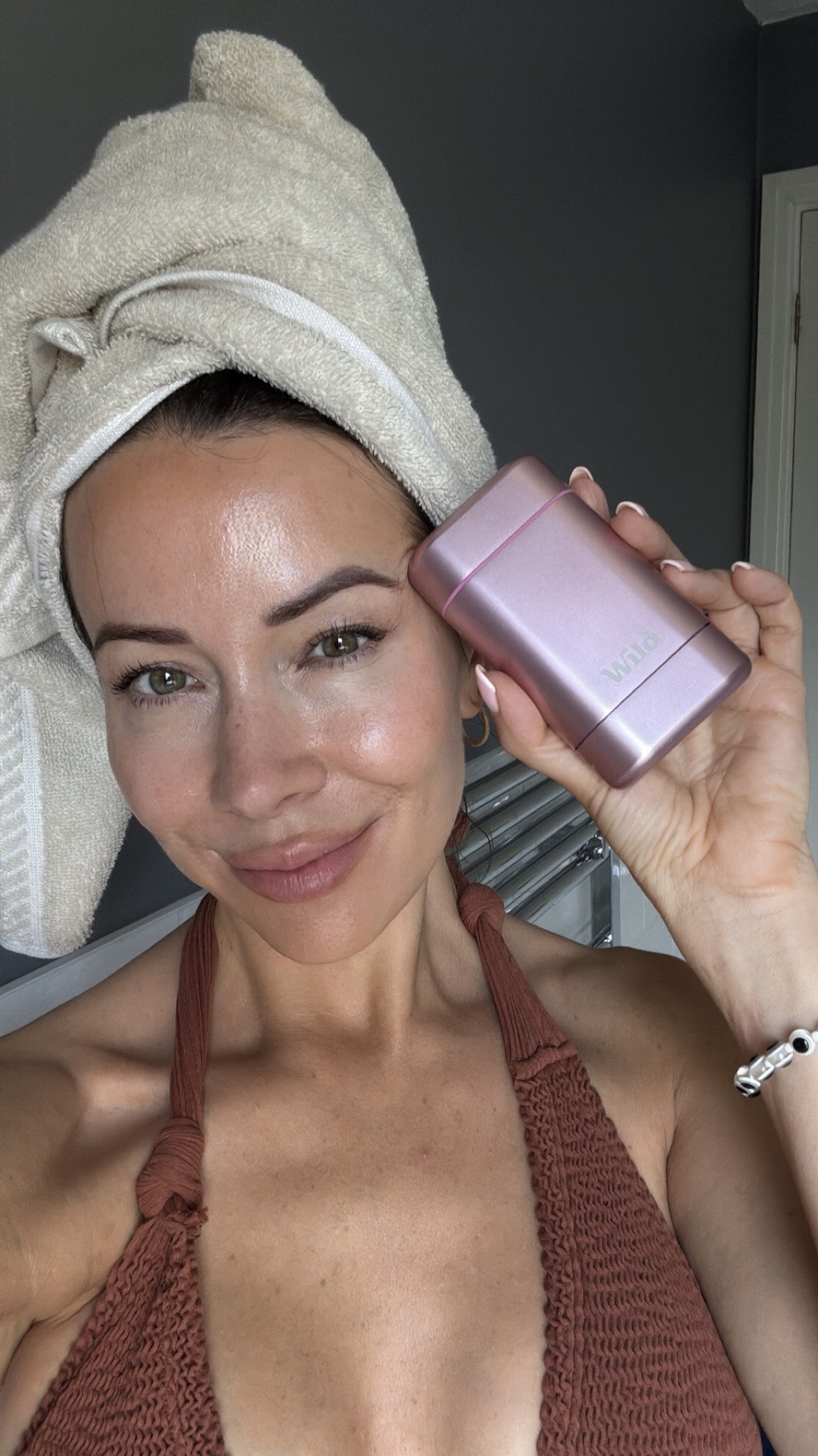
Without hesitation, and I’d add one thing: don’t wait three years like I did. If your armpits are irritated more often than not, the product you apply there daily is the first suspect, not the last. Switching cost me nothing but the price of a deodorant, and it’s the single best skin decision I’ve made in ages.
Frequently Asked Questions
How long before I’d see a difference?
Everyone’s skin is different, but mine improved noticeably within a fortnight. Give it at least four to six weeks for a fair trial.
What makes the sensitive range different from Wild’s standard deodorant?
It’s made without bicarbonate of soda, the one natural ingredient that can still bother highly reactive skin. Everything else – the refillable case, the scents, the natural formula – carries over.
Does it still work on hot days?
Yes. It controls odour for a full 24 hours. It’s a deodorant rather than an antiperspirant, so you’ll still sweat normally – if you want sweat protection too, Wild makes a separate antiperspirant roll-on.
Is it worth the price over a supermarket deodorant?
For me, unquestionably. My £2 supermarket habit was costing me three years of sore skin.
Give your armpits the six week test – code WILDSTICK gets you money off your first order at wearewild.com.