Is Methylene Blue Safe? The Blue Biohacker Drops of 2026, a 26-Person Memory Study – and Who Should Steer Clear
The most-watched methylene blue videos all end the same way: someone sticks out a tongue the colour of a Smurf and says they’ve never felt sharper. So is methylene blue safe to drink for a brain boost? For a large slice of British adults, no – and the reason has nothing to do with blue tongues. It’s that this old textile dye blocks the same enzyme that some antidepressants are designed to work around, and the licensed UK version carries a warning about “serious or fatal” reactions when the two meet.
In This Article
- What the blue-tongue crowd are actually drinking
- Is methylene blue safe if you take an antidepressant? This is the bit that matters
- The 26-person study holding up the brain-boost claim
- The Alzheimer's story is the interesting part – and it's Scottish
- "It's been used safely for 130 years" is the wrong argument
- What it does to you that the adverts mention in small print
- Who should steer clear – and who it might one day help
- Where I'd spend the money instead
That warning is printed in black and white in the product information for the only methylene blue licensed as a medicine here. It just never makes it into the videos.
Methylene blue has spent 2025 and 2026 drifting from American biohacking podcasts into British basket carts, sold online as dropper bottles of “brain fuel” and mitochondrial support. With Black Friday a week away and the nootropic aisle doing its annual stocking-filler push, it’s worth looking at what the evidence actually says before anyone clicks “add to basket”.
What the blue-tongue crowd are actually drinking
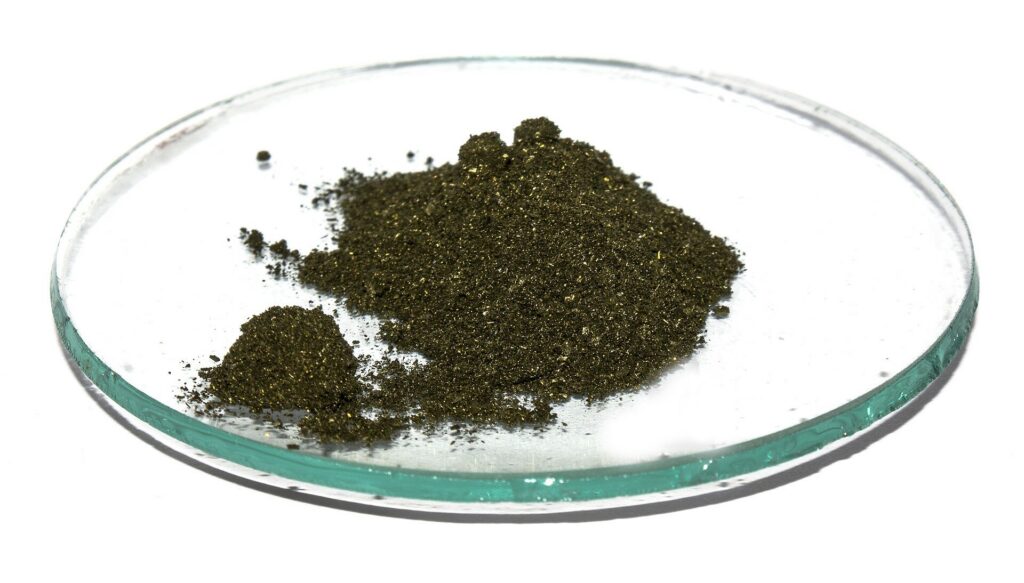
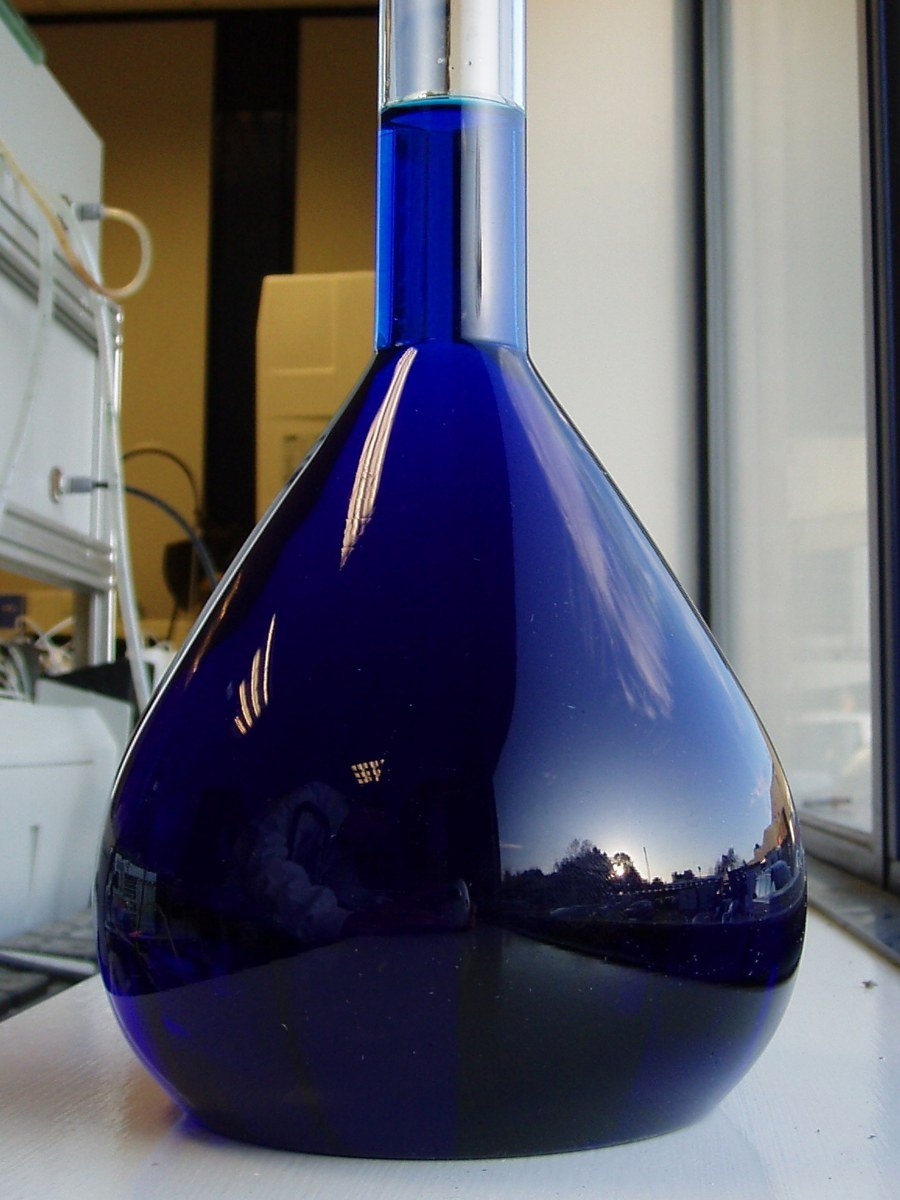
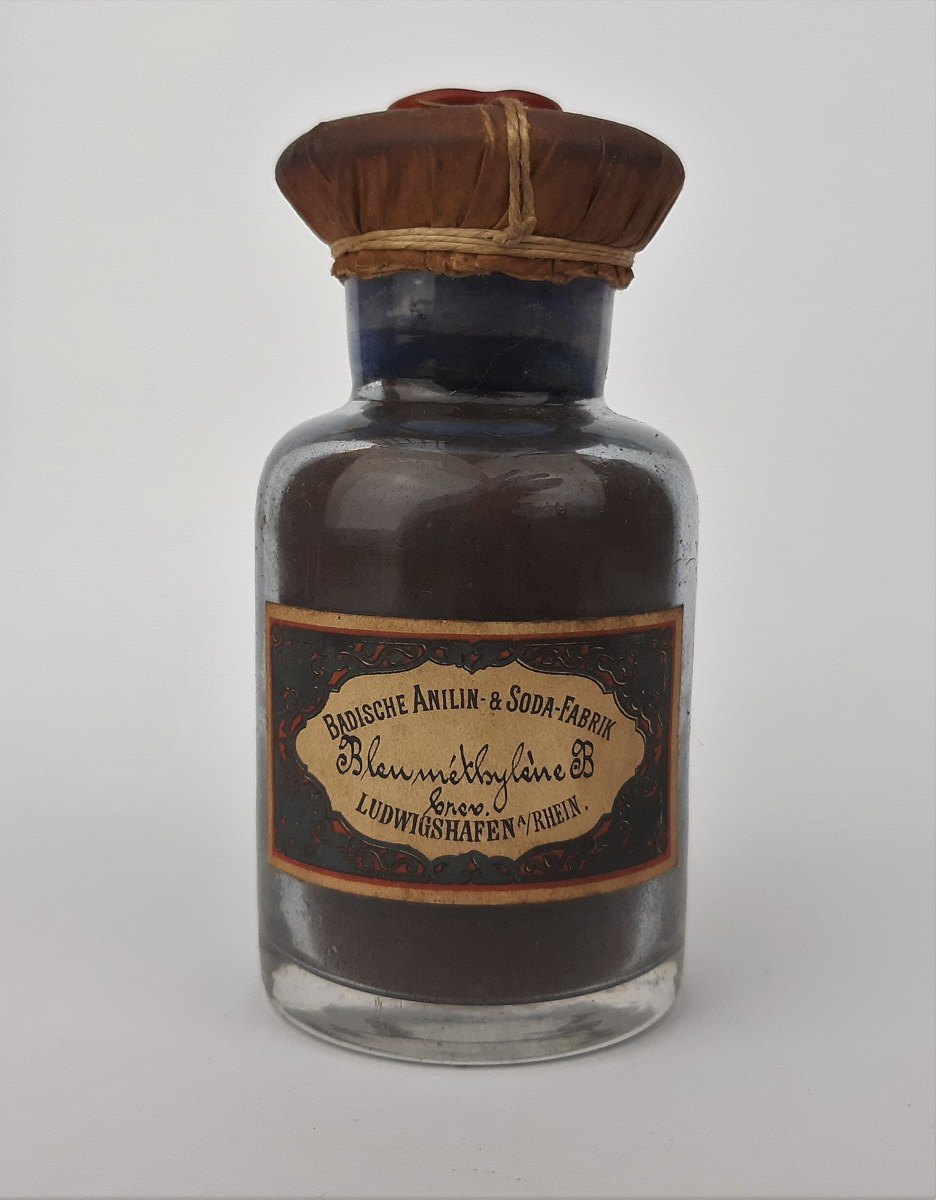
Methylene blue was first made in 1876 as a dye for cotton. Within 15 years Paul Ehrlich was using it to treat malaria, which makes it one of the oldest synthetic drugs still in use. Today its main medical job is unglamorous: in hospital, it’s injected to reverse methaemoglobinaemia, a rare condition where blood can’t carry oxygen properly, often triggered by certain drugs or chemicals. It’s also used as a surgical marker dye and, yes, as a fish-tank treatment for fungal infections, which is where most people’s parents will have come across it.
The wellness pitch is different. Fans say low doses help mitochondria – the energy-producing parts of cells – make more energy, sharpen memory and lift mood. Much of the current buzz traces back to a viral early-2025 clip of Robert F Kennedy Jr squirting blue liquid into a glass, which was widely assumed to be methylene blue (he hasn’t publicly said what it was). Joe Rogan has said Kennedy told him about it, and the longevity entrepreneur Bryan Johnson has talked about taking it too.
And the product people are buying online isn’t a licensed medicine. It’s usually a 1% solution in a dropper bottle, sometimes labelled “pharmaceutical grade”, sometimes not, with dosing instructions that vary wildly from brand to brand. The licensed UK product, Proveblue, is a hospital injection given by a doctor at 1-2mg per kilo of body weight, with a strict ceiling on the total dose. The online drops come with nothing like that supervision.
Is methylene blue safe if you take an antidepressant? This is the bit that matters
Here’s the problem in one sentence: methylene blue is a potent inhibitor of monoamine oxidase A, the enzyme that breaks down serotonin. Combine it with a drug that raises serotonin and you can tip into serotonin syndrome, a reaction that runs from shivering, sweating and a racing heart to seizures and, rarely, death. The UK product information for Proveblue, published on the electronic medicines compendium, says it “may cause serious or fatal serotonergic syndrome when used in combination with serotonergic drugs”, and lists SSRIs such as sertraline and citalopram, SNRIs like venlafaxine, mirtazapine, bupropion, buspirone, clomipramine and opioids including tramadol and fentanyl. Even dextromethorphan, the cough suppressant in some pharmacy cold remedies, is on the list. In hospital, doctors check for these drugs before they give a dose. Nobody checks before you order a dropper bottle online.
That matters because antidepressants are about as common as prescriptions get in Britain. NHS prescribing data puts the number of people in England receiving an antidepressant each year at more than eight million. The NHS guidance on sertraline, the most prescribed of them, already warns patients about serotonin syndrome with other serotonin-raising products. Methylene blue isn’t on most people’s radar as one of those products, because it’s sold as a supplement rather than a drug.
Australia has already seen what happens next. As the Guardian’s Donna Lu reported last November, Western Australia’s poisons centre logged nine methylene blue calls in 2025, against about one a year previously, while Queensland and Victoria each took eight – more than their previous four years combined. Carol Wylie, who manages the Queensland centre, said most of the exposures “appear to be linked to the ingestion of methylene blue for unapproved wellness purposes”. The Australian medicines regulator issued a safety advisory on the SSRI interaction in September 2025.
There’s a second group with a hard stop. People with G6PD deficiency, an inherited enzyme problem that’s more common in people with African, Mediterranean, Middle Eastern and Asian heritage, can have their red blood cells break down when they take methylene blue. It’s a formal contraindication for the licensed product. Plenty of people with G6PD deficiency don’t know they have it.
The 26-person study holding up the brain-boost claim
Strip away the testimonials and the human evidence for methylene blue as a cognitive enhancer in healthy people is thin. The study that gets passed around most is a 2016 trial from the University of Texas Health Science Center in San Antonio, published in Radiology. Researchers gave 26 healthy adults aged 22 to 62 either a single 280mg oral dose or a placebo, then put them in an fMRI scanner. The methylene blue group got about 7% more answers right on a memory-retrieval task.
Seven per cent, once, in 26 people.
That’s a perfectly reasonable early-stage finding. It isn’t evidence that a few drops a day for months makes you sharper, and the authors never claimed it was. The dose was also far higher than most wellness products suggest – which tells you either the products are underdosed for the claimed effect, or people chasing the study result are taking amounts nobody has tested for long-term daily use. Neither is reassuring.
A smaller 2023 study gave eight healthy women intravenous methylene blue and found brain blood flow dropped by roughly 8% and estimated brain oxygen use fell by 8 to 12%, depending on dose. That’s the opposite of the “more energy for your brain” story, though eight people can’t settle anything either way. Dr Roger Rothenberg of Temple University Hospital told National Geographic there are “maybe four to six randomized studies in human beings” on general cognition. For a product marketed as a daily brain supplement, that’s a very small pile.
The Alzheimer’s story is the interesting part – and it’s Scottish
If there’s a serious scientific case for methylene blue-type drugs in the brain, it’s in dementia rather than productivity. And a lot of that work came out of Aberdeen. TauRx, the company spun out of research by Professor Claude Wischik at the University of Aberdeen, has spent two decades developing derivatives of methylene blue designed to stop tau protein clumping in the brains of people with Alzheimer’s.
The results have been mixed at best. A large phase 3 trial of its drug LMTM, published in the Lancet in 2016, didn’t show the benefit the company hoped for as an add-on treatment. TauRx has since applied to the MHRA for a UK licence for hydromethylthionine mesylate (HMTM), a 4mg oral tablet, for mild cognitive impairment and mild to moderate Alzheimer’s. At its last public update in October 2025, the company said the MHRA needed “further information before a final determination” could be made.
Two things follow from that. First, a regulator is taking a long, hard look at a carefully dosed, purpose-built derivative for people with a serious disease, and still hasn’t said yes. Second, even the people who think this chemistry has promise for dementia are working with a specific molecule at a specific dose, tested in trials with hundreds of participants. That’s a world away from a dropper bottle of dye bought on Black Friday.
“It’s been used safely for 130 years” is the wrong argument
This is the line you’ll see on almost every methylene blue product page, and it’s the one I’d push back on hardest. Yes, methylene blue has a long medical history. But that history is short courses, in hospital, at measured doses, given by people who’ve checked your medication list and your G6PD status first. Morphine has a long medical history too. Nobody would argue that makes it a sensible daily supplement.
The long history also cuts the other way. The serotonin interaction wasn’t spotted for decades, because methylene blue was mostly given in emergencies to people who weren’t on modern antidepressants – SSRIs only arrived in the late 1980s. Reports of serotonin toxicity after surgical use of methylene blue built up through the 2000s, and the warnings that now sit in the product information came out of that. A drug can be old and well-understood in one setting while being poorly understood in another. Daily, unsupervised, low-dose use by healthy 30-somethings is the poorly understood setting.
What it does to you that the adverts mention in small print
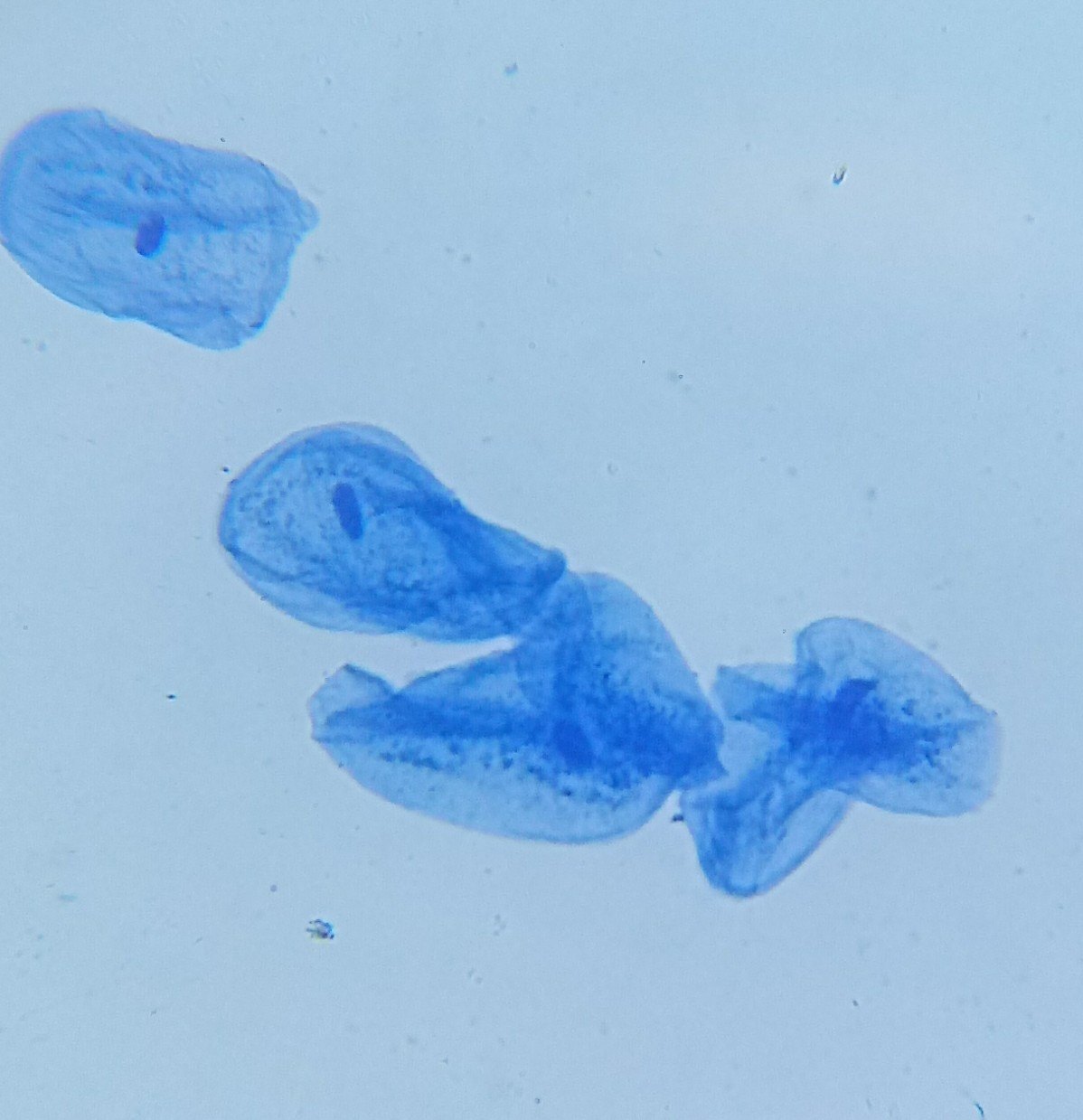
Blue or green wee is the famous one, and it’s harmless. The licensed product information lists it as “very common”, alongside blue discolouration of the skin. Fans treat it as a badge. But a blue tint to lips and skin is also what doctors look for when someone isn’t getting enough oxygen, and methylene blue can throw off pulse oximeter readings, so it muddles exactly the signs a paramedic would check if something did go wrong.
Other reported side effects include nausea, dizziness, headache, sweating and sensitivity to sunlight. At higher doses, and this is the odd bit, methylene blue can actually cause the methaemoglobinaemia it’s used to treat. It also stains teeth if you take the drops neat, and it’ll leave blue rings in a white mug that a squirt of Fairy won’t shift. Small stuff, but it tells you how much dye you’re putting through your body.
And because the drops sold online aren’t licensed medicines, there’s no guarantee of what’s in them or how pure they are. Industrial and aquarium grades of methylene blue can contain heavy-metal impurities such as arsenic, which is why the pharmaceutical grade exists in the first place. A label claiming “USP grade” is only as good as the company printing it.
Who should steer clear – and who it might one day help
The list of people who should leave methylene blue alone is longer than the list of people with a sound reason to take it. Steer clear if any of these apply:
- You take an SSRI, SNRI, MAOI, mirtazapine, bupropion, buspirone or clomipramine. Don’t stop a prescribed antidepressant to try methylene blue either – that comes with its own problems.
- You take tramadol, fentanyl, pethidine or other serotonin-raising painkillers, or use cough medicines containing dextromethorphan.
- You have G6PD deficiency, or a family history of it and you’ve never been tested.
- You’re pregnant, trying to conceive or breastfeeding.
- You have kidney problems, because the licensed product needs dose reductions in kidney impairment for a reason.
Who might it help? People in hospital with methaemoglobinaemia, for certain. Perhaps, eventually, people with Alzheimer’s, if a carefully designed derivative clears regulators – but that’s a different product and a decision for a specialist. For a healthy adult wanting to feel sharper at work in December, I can’t find a group the current evidence supports, and I’d put it in the same drawer as NMN and BPC-157: interesting lab chemistry sold years ahead of the human data.
Where I’d spend the money instead
The pattern is familiar by now. A compound with a real but narrow medical use gets picked up by a podcast, filtered through TikTok and sold back to us as daily wellness with the hospital context cut off. We’ve seen it with IV vitamin drips and with shilajit, and methylene blue is the latest one, with a sharper downside than most.
If what you want is a clearer head through the dark weeks before Christmas, the boring options have better evidence: a consistent wake-up time, daylight before 10am, a caffeine cut-off that doesn’t wreck your sleep, and fewer nights where the work party runs into a Wednesday. None of them come with a dropper or turn your tongue blue. But none of them need a warning about fatal drug interactions either.
If you’re on an antidepressant and you’ve already bought a bottle, stop and talk to your GP or pharmacist before you use it – they can check your full medication list in a couple of minutes. That’s a much shorter wait than the internet would have you believe.
Have you seen methylene blue being pushed in your feeds or your gym this autumn – and did anyone selling it mention the antidepressant warning?