
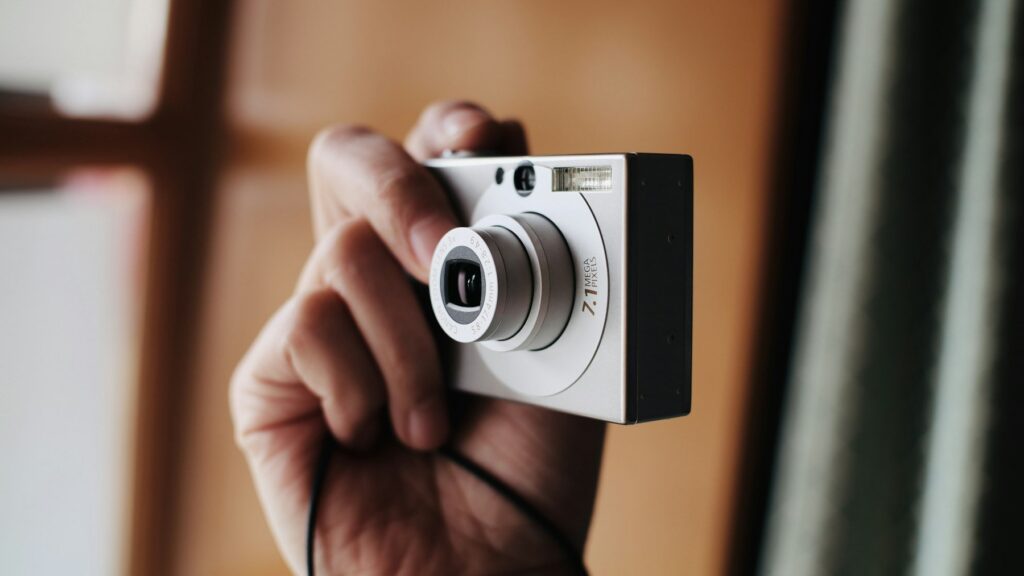
Best Digital Camera for a Teenager in 2026: Why the £111 Kodak Beats the £466 Canon on the Christmas List
The camera at the top of a lot of Christmas lists this year is an eight-year-old Canon, and the cheapest one I can find on PriceSpy today costs £465.99. That’s the Canon PowerShot SX740 HS, a superzoom first announced in 2018, and if you’re shopping for a digital camera for a teenager in 2026 it’s the model you’ll hear about first. My advice is to ignore it. A £111 Kodak gets most teenagers 90% of what they actually want, and the reasons why say a lot about what this trend is really about.
In This Article
- Why teenagers want a camera that's worse than their phone
- The £466 problem with the Canon everyone's asking for
- The best digital camera for a teenager: Kodak Pixpro FZ55
- Every option compared, from £35 to £466
- The free option: the old camera in your loft
- Should you wait for Black Friday?
- What I'd actually buy, by budget
I’ve spent the last few weeks pricing up every route into the “digicam” look, from £35 keyring cameras to the Canon on everyone’s wishlist, and weighing them against what a teenager will actually do with one. Here’s where I’ve landed.
Why teenagers want a camera that’s worse than their phone
Let’s get the obvious objection out of the way. Yes, the phone in your teenager’s pocket takes sharper, cleaner, better-exposed pictures than almost anything on this list. That isn’t the point, and parents who lead with it tend to lose the argument fast.
The appeal is the look and the ritual. A small sensor with a built-in flash fired straight at a group of friends gives you hard shadows, slightly blown-out faces, a bit of grain and colour that hasn’t been smoothed over by a phone’s processing. It looks like 2007 because it basically is 2007. And there’s a second reason that gets less attention: a camera that can’t post to Instagram is a camera you can take to a party without anyone worrying where the photos are going. The pictures come off a memory card later, picked through on a laptop, and half of them never leave the card at all. For a generation that’s been told to put the phone away since primary school, there’s something appealing about a gadget that’s only good for one thing.
The numbers back up the hype, though not as dramatically as TikTok would suggest. According to the camera industry body CIPA, around 2.4 million fixed-lens compact cameras were shipped worldwide in 2025, the highest figure since 2021, as Digital Camera World reported in February. But in 2010 that figure was more than 108.5 million. Today’s boom is about 2% of the old market. Canon told NPR its point-and-shoot sales rose nearly sevenfold between 2022 and 2025, and the screen-free brand Camp Snap says its sales more than doubled in a year, according to youth research firm YPulse.
Small market, sudden demand. You can probably guess what that’s done to prices.
The £466 problem with the Canon everyone’s asking for
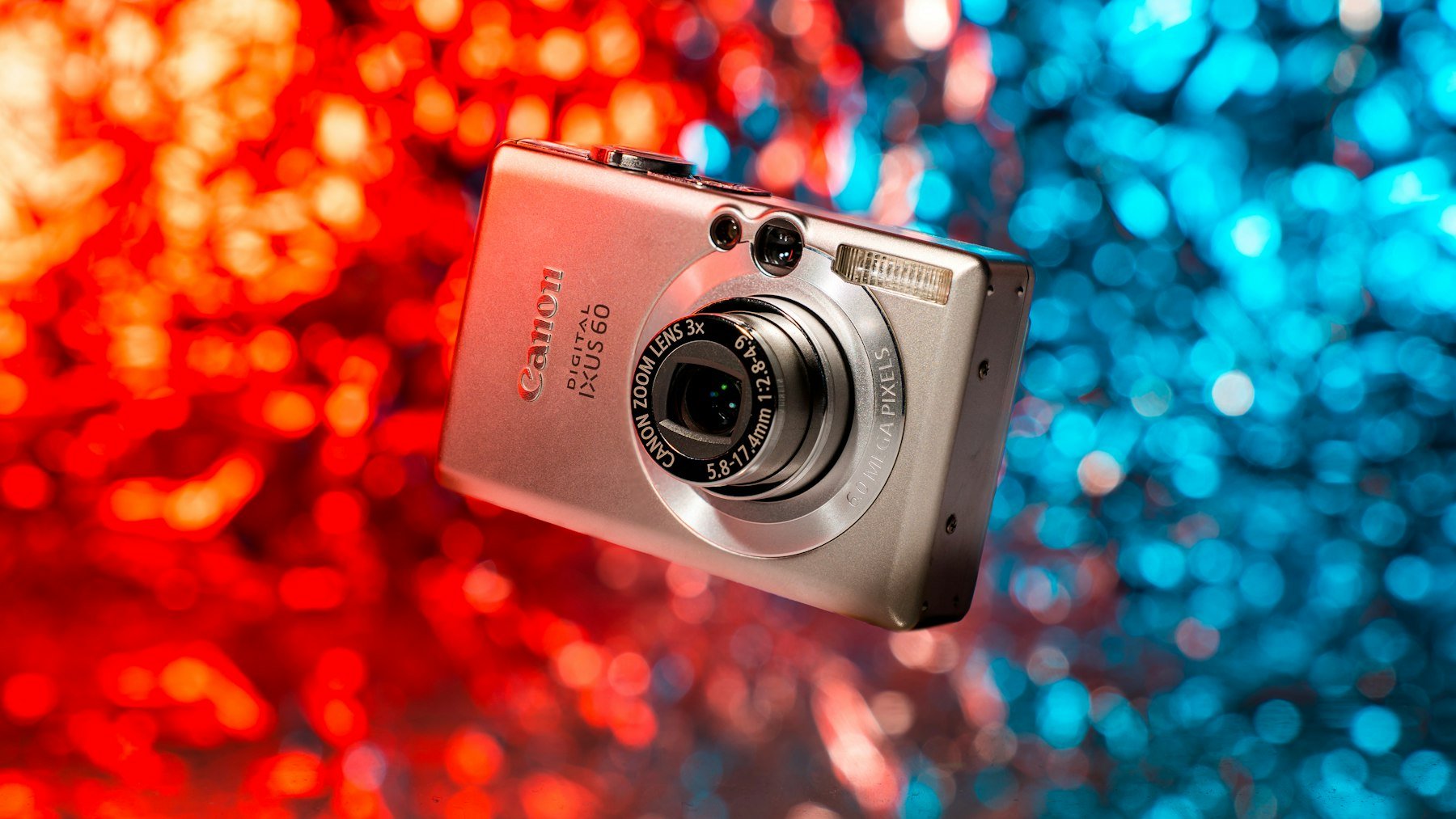
The SX740 HS is a decent little camera. It has a 20.3-megapixel sensor, a 40x optical zoom, 4K video and a 3-inch flip-up screen that makes it good for selfies. It also has the right badge. When a teenager says “a Canon”, this is often the one they mean, because it’s one of the few compacts Canon still makes and the one that keeps turning up in “what’s in my bag” videos.
But look at what it costs now. PriceSpy’s lowest listing today is £465.99 from a marketplace seller, with the next at £509.99. Canon’s own UK store lists the SX740 HS Lite Edition at £509.99, and it’s out of stock online. That’s a lot of money for a camera whose sensor is the same small 1/2.3-inch size as cameras costing a quarter of the price. You’re paying for the zoom, the 4K and, if we’re being honest, the logo.
Supply isn’t about to fix itself either. Canon has said it’ll keep increasing compact production, but in April it also warned that rising memory chip costs would knock around ¥50.3 billion off its results this year. Cheap compacts have thin margins, and they’re the first thing squeezed when components get pricier.
So here’s my contrarian position, and some readers won’t like it: for most 14 to 17-year-olds, the SX740 HS is the wrong present at this price. It’s too good at the things they don’t care about (a 40x zoom is wonderful for birdwatching and pointless at a sleepover) and too expensive to risk in a coat pocket at a gig. If you were going to spend £466, I’d rather you spent £111 on a camera and the rest on something else on the list.
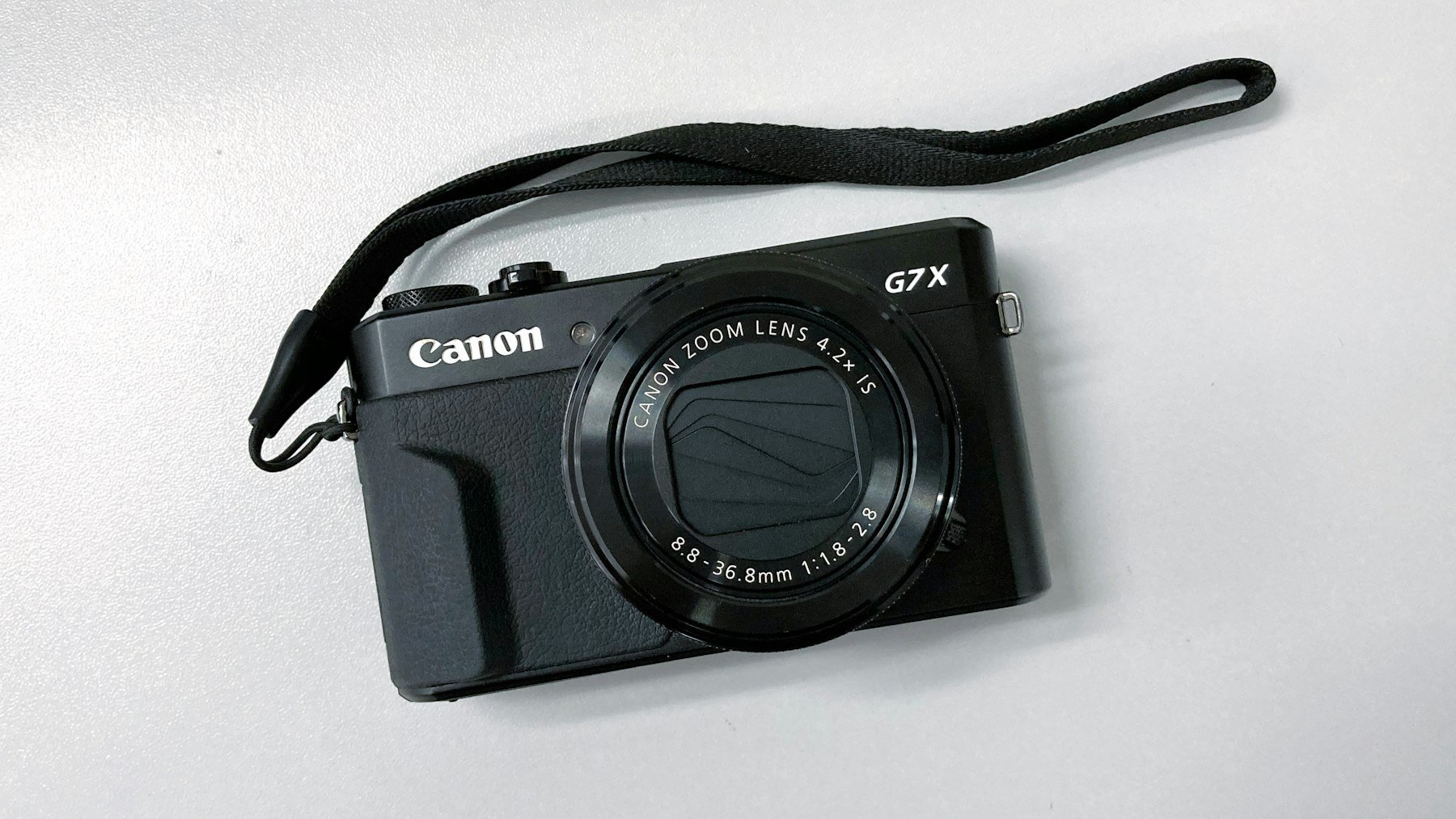
The best digital camera for a teenager: Kodak Pixpro FZ55
The Kodak Pixpro FZ55 is the one I’d buy. PriceSpy has it from £111.49 at Amazon this week, with a falling three-month trend, and Wex lists it at £129. For that you get a 16-megapixel 1/2.3-inch sensor (the same size as the Canon’s), a 5x optical zoom starting at a 28mm wide angle, a 2.7-inch screen, 1080p video and a body that weighs 106g. It comes in several colours, including red and pink, and the colourful ones are the ones teenagers actually want.
It isn’t a great camera in any technical sense. Low-light shots without the flash get muddy quickly, the autofocus can hunt indoors, and the screen is fine rather than good. It’s also a bit plasticky; the battery door feels like it’ll be the first thing to go.
But it does the job this trend asks of it. The flash is bright and harsh in exactly the way the look depends on. The zoom is real optical zoom rather than the digital cropping you get on the cheap unbranded cameras flooding Amazon. And it takes standard SD cards, so you’re not hunting for odd formats. If your 16-year-old has asked for “a Canon like on TikTok”, I’d bet the complaint about getting a red Kodak lasts about as long as it takes to open the box.
Budget an extra tenner or so for a 32GB SD card and a padded case. Most shops won’t include either.
Every option compared, from £35 to £466
Prices below are what I found on 19 November, eight days before Black Friday (27 November). They’ll move.
| Camera | Price seen | Sensor and resolution | Zoom | Who it suits | Verdict |
|---|---|---|---|---|---|
| Kodak Charmera (keyring) | £35 (Jessops) | 1.6MP, 1/4in | None | Stocking filler | A toy, priced like one |
| Camp Snap (screen-free) | £59-£69 (Urban Outfitters) | Basic | None | Phone-free purists, younger teens | Fun, limited |
| Kodak Pixpro C1 | £79 (Wex) | 13MP, 1/3in | None (fixed 26mm f/2) | Pocket-first shooters | Good second choice |
| Kodak Pixpro FZ55 | £111.49-£129 | 16MP, 1/2.3in | 5x optical | Most teenagers | Buy this one |
| Panasonic Lumix FZ82D | £379 (Wex) | 18.1MP, 1/2.3in | 60x optical | Wildlife and sport fans | Too big for the brief |
| Canon PowerShot SX740 HS | from £465.99 (PriceSpy) | 20.3MP, 1/2.3in | 40x optical | Keen photographers | Good camera, bad price |
A couple of these need more than a line in a table.
The Kodak Charmera went viral last year and it’s easy to see why. It’s tiny (30g), it clips to a bag, and it comes in a blind box, so you don’t know which colour you’re getting until it’s open. But it shoots 1.6-megapixel stills at 1440 x 1080, which is roughly what a mid-2000s phone camera managed, and it needs a microSD card that isn’t in the box. TechRadar’s reviewer called it one of the worst-quality cameras he’d used in years. Buy it for the novelty and the keyring, not the pictures. Urban Outfitters had it at £37 on sale this week; Jessops is at £35.
Camp Snap has no screen at all. You press the button, it takes the photo, and you see the results later, like a disposable that doesn’t need developing. I like the idea more than the execution. It’s freeing for a 12-year-old and a bit of a faff for a 17-year-old who wants to check whether everyone’s eyes were open. At £59 to £69 it’s not that much cheaper than the Pixpro C1, which does more.
The Kodak Pixpro C1 is my pick if the FZ55 feels bulky. It’s a fixed-lens camera with a bright f/2 lens equivalent to 26mm, a 13MP sensor and Full HD video, at £79 from Wex. There’s no optical zoom and its smaller 1/3-inch sensor tops out at ISO 1600, so dark rooms are a struggle without the flash. But it’s properly pocketable, and for parties that matters more than zoom.
The free option: the old camera in your loft
Before you spend anything, check the drawers. The cameras teenagers are hunting for on resale sites are mostly the ones their parents bought between about 2005 and 2012: Canon IXUS models, Sony Cyber-shots, Panasonic Lumix compacts, Nikon Coolpix. Plenty of them are sitting in a kitchen drawer next to a tangle of old phone chargers.
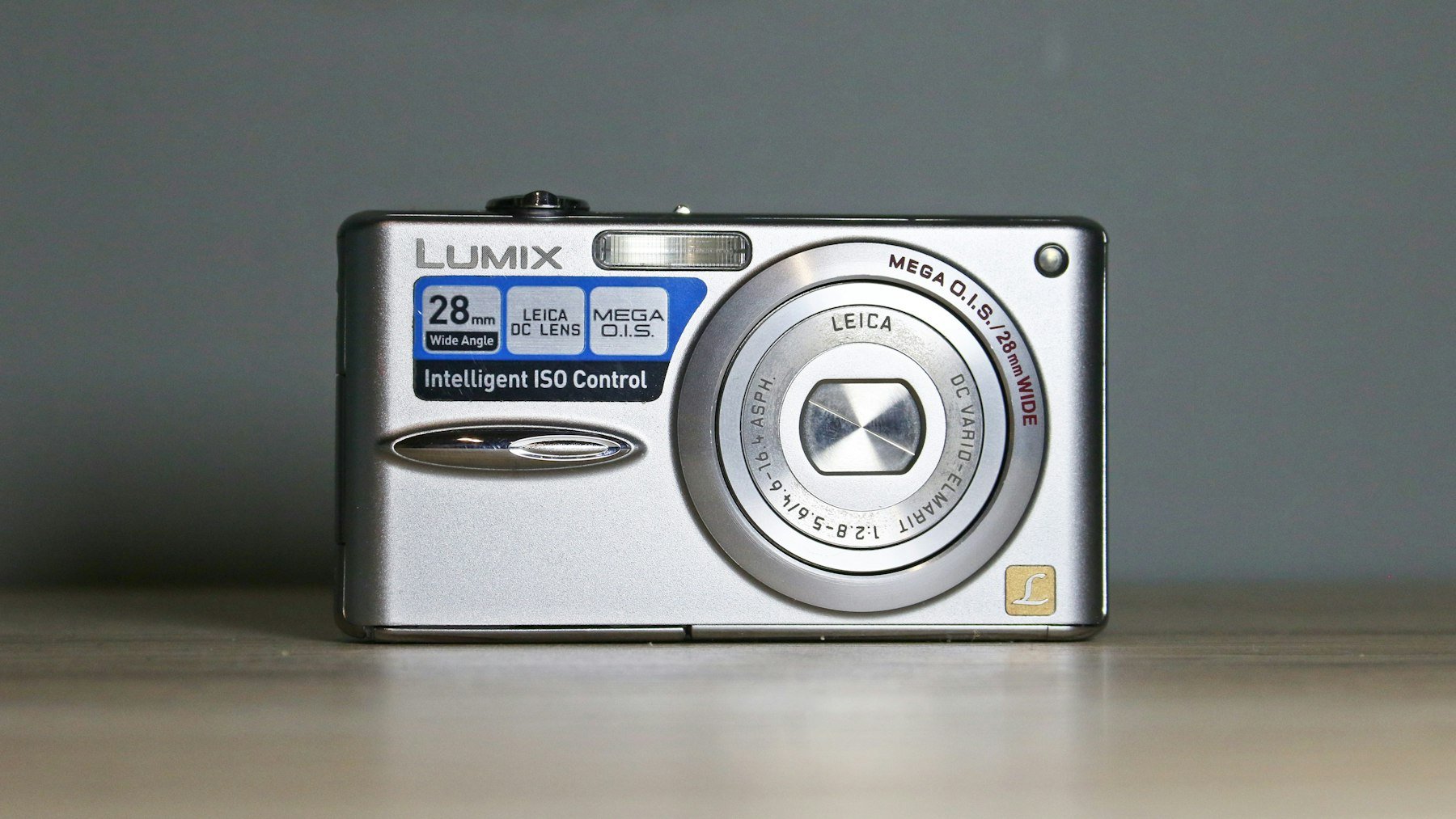
If you find one, there are four things to check before you wrap it. First, the battery. Lithium batteries that have sat flat for ten years often won’t hold a charge, and replacements for older models can be hard to find, so charge it overnight and see if it lasts a day. Second, the charger. Most cameras from that era used a model-specific wall charger, not USB, and if it’s gone you’ll be buying a third-party one online. Third, the memory card. Older Sony cameras used Memory Stick and some Olympus and Fujifilm models used xD cards, both of which are now awkward to buy and read. A Canon or Panasonic that takes SD cards is the easy win. Fourth, the lens cover. If the little shutter over the lens sticks or the lens won’t retract, walk away; that’s usually the end of a compact.
If you’re buying second-hand rather than digging one out, stick to sellers with returns. CeX and the refurbished sections of camera shops give you a warranty. A private seller on a marketplace app listing a “Y2K aesthetic digicam” doesn’t, and that phrase alone seems to add a premium.
Should you wait for Black Friday?
For the budget Kodaks, I don’t think the wait buys you much. The FZ55 has already dropped to the low £110s on Amazon, PriceSpy shows a falling trend, and the biggest risk now is stock rather than price. Wex was showing the black FZ55 as “awaiting stock” today. If you want a particular colour, buy it this week.
For the Canon, Black Friday might shave something off marketplace prices, but I wouldn’t expect it to come back to anything like sensible money before Christmas. Demand is too strong and supply too thin. Our Black Friday 2026 tech deals guide goes through when waiting pays and when it doesn’t, product by product, and the logic there applies here too.
If the camera is one of several big presents, it’s worth thinking about the total. A £111 FZ55 alongside a console is a very different Christmas budget to a £466 Canon alongside one; our Switch 2 or PS5 for Christmas breakdown covers the other half of that sum. And if you’re trying to buy something that gets a teenager off their phone for an hour, a camera sits nicely next to a sub-£100 e-reader. For younger ones, the same phone-free thinking is behind the £20 brick phone we recommended in September.

What I’d actually buy, by budget
Under £40: the Kodak Charmera, as a stocking filler, with a microSD card. Go in knowing the photos are poor.
Under £80: the Kodak Pixpro C1. It’s small enough to live in a pocket and the f/2 lens gives it a fighting chance indoors.
Around £110 to £130: the Kodak Pixpro FZ55. This is the best digital camera for a teenager for most families this Christmas, and the one I’d put under our tree.
Over £350: only if your teenager is already serious about photography and wants zoom for sport or wildlife. Even then I’d look hard at whether the money would be better spent on a second-hand mirrorless camera. For the party-snap look, it’s wasted.
And one last thing that’s easy to forget. A camera is only as good as the habit around it. The ones that get used are the ones where someone also sorts out where the photos would end up, whether that’s a shared folder, a printed album or a cheap photo printer, rather than leaving 600 images on an SD card until next summer. Think about that bit before the 25th, not after.
Is your teenager asking for a digicam this year, and are you giving in to the Canon or talking them round to something cheaper? Tell us in the comments.