
Rosacea Triggers: What Actually Sets Off a Flare, What the NHS Prescribes and the £11 Routine That Calms It
Sun is the biggest rosacea trigger there is. In the largest survey of its kind, 81 per cent of 1,066 people with rosacea said it set their skin off – ahead of stress, hot weather, wind and alcohol. That ranking is useful, but it also explains why so many people in Britain get their rosacea triggers wrong. We assume the sun is a July problem, so the SPF goes back in the drawer in September, just as the other big culprits (wind, cold air, radiators on full, hot baths, a second mug of tea) arrive together. Autumn and winter are when British rosacea tends to get louder, not quieter.
In This Article
- First, what rosacea is (and why acne products make it worse)
- The rosacea triggers, ranked by how many people they affect
- The UK weather triggers, in the order they'll catch you
- Food and drink: fewer culprits than you've been told
- Four rosacea myths worth dropping
- The skincare ingredients to drop
- What an over-the-counter routine costs
- A calm-skin routine for the colder months
- Stress, exercise and hormones
- What the NHS can prescribe
- Where to start this week
This guide ranks the rosacea triggers that actually show up in the data, explains which ones matter most in a UK autumn and winter, sets out the skincare that helps and the skincare that makes it worse, and walks through what a GP can prescribe under current NHS guidance. It’s not a list of 40 foods to fear. Most people have two or three triggers that do most of the damage, and the job is finding yours.
First, what rosacea is (and why acne products make it worse)
Rosacea is a long-term inflammatory condition of the central face – cheeks, nose, chin and forehead. It shows up as flushing, persistent redness, small visible blood vessels, and in some people bumps and pustules that look a lot like spots. A pooled analysis of 32 studies covering more than 26 million people, published in the British Journal of Dermatology in 2018, put the prevalence at around 5.5 per cent of adults, most often diagnosed between 45 and 60. Women are diagnosed more often, although men tend to get the more severe thickening around the nose.
It gets mistaken for acne because of the bumps, or an allergy because of the redness. It’s neither. Acne is about oil and blocked pores. Rosacea is driven by overactive blood vessels, a jumpy nerve response and an over-eager immune reaction in the skin, with demodex mites (which live on everyone’s face) playing a part for some people. That’s why the standard spot kit – gritty scrubs, benzoyl peroxide, stripping foam cleansers – usually makes rosacea dramatically worse.
And it doesn’t go away. It’s managed, not cured.
The rosacea triggers, ranked by how many people they affect
The figures below come from the National Rosacea Society’s trigger survey of 1,066 patients. It’s American and it’s old, but nobody has run a bigger one since, and UK dermatology leaflets still list much the same triggers in the same order.
| Trigger | % who said it caused flares | How much it matters in a UK autumn/winter |
|---|---|---|
| Sun exposure | 81% | Still matters – UV doesn’t switch off in September |
| Emotional stress | 79% | Year-round |
| Hot weather | 75% | Low outdoors; swap it for overheated rooms |
| Wind | 57% | High – peak season |
| Heavy exercise | 56% | High in heated gyms and hot classes |
| Alcohol | 52% | High – party season |
| Hot baths | 51% | High |
| Cold weather | 46% | High |
| Spicy food | 45% | Year-round |
| Humidity | 44% | Moderate |
| Indoor heat | 41% | High – radiators and log burners |
| Skincare products | 41% | Year-round |
| Hot drinks | 36% | High |
| Cosmetics | 27% | Year-round |
Two things jump out. The top of the list is dominated by heat and weather, not food. And the famous diet triggers – dairy, certain fruit and veg, marinated meat – were each reported by fewer than one in seven people. If you’ve cut out cheese and tomatoes and still flush every time you walk into a warm pub, that’s why.
The UK weather triggers, in the order they’ll catch you
British weather is almost purpose-built to antagonise rosacea, and the problem isn’t one extreme. It’s the constant switching.
Temperature swings. Walking from a 4C street into a 22C office makes the facial blood vessels clamp down and then open up fast. That rebound is the flush. It’s also why a cold morning run can leave you redder an hour later than it did during the run itself. A scarf pulled up over the cheeks on the way in, then a few minutes in a cooler hallway before you hit the heating, sounds fussy. It works.
Wind. Coastal wind and the dry easterlies we get from late autumn strip the skin barrier quickly, and a damaged barrier makes everything else sting more. This is the season for a thicker moisturiser, not a lighter one.
Indoor heat. Central heating, fan heaters, log burners and the heated car seat all count. Some people find the dry air from radiators is as bad as the heat itself; a bowl of water on the radiator or a cheap humidifier in the bedroom is worth a try.
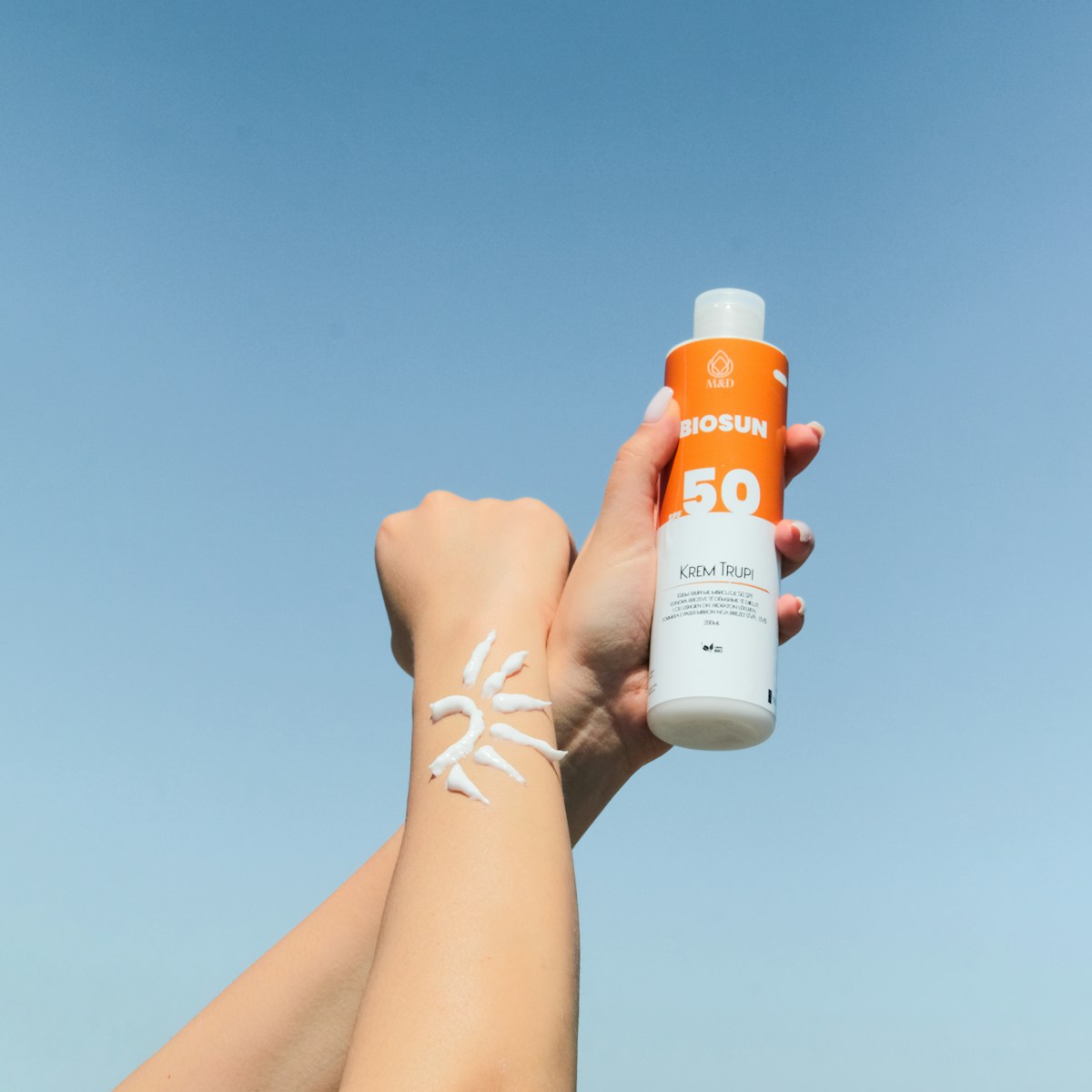
Year-round UV. The NHS guidance GPs work from says people with rosacea should use a high-factor sunscreen, minimum SPF 30, whenever sun exposure is likely, and avoid sunbeds entirely. Winter UV is weaker, but a bright October afternoon is still enough to set off sensitive skin. Mineral formulas (zinc oxide) are usually better tolerated than chemical filters, and a tinted one doubles as a redness-cancelling base. We’ve tested the best British sunscreen brands if you want specific picks, and why an SPF moisturiser usually isn’t enough on its own.
Food and drink: fewer culprits than you’ve been told
Food triggers are more personal than the internet suggests. A small handful come up again and again, and most of them are about heat rather than ingredients.
- Alcohol. Just over half of people with rosacea say it sets them off. Red wine gets the blame most often, and plenty of people find a glass of Rioja flushes them where a gin and tonic doesn’t – though alcohol of any kind widens blood vessels, so “switch to white” isn’t a reliable fix. If you did Sober September this year, what your skin did in the fortnight after you started drinking again is a very clean experiment.
- Hot drinks. It’s the temperature, not the caffeine, for most people. A tea left to cool for five minutes is often fine when a freshly boiled one isn’t.
- Spicy food. Capsaicin acts on the same nerve receptors involved in flushing. A Friday curry can set off a Saturday flare.
- Hot soups, stews and anything eaten steaming – same principle as tea
- Histamine-heavy foods like aged cheese, cured meats and some fermented foods. These bother a minority of people, not most.
The NHS and the British Association of Dermatologists both recommend a trigger diary rather than an elimination diet, and I’d agree. For a fortnight, write down what you ate and drank (including how hot it was), where you were, what the weather did, and how your face looked two hours later. The pattern usually shows itself in under a week. It’s far less miserable than cutting out six food groups on a hunch.
Four rosacea myths worth dropping
“It’s caused by drinking.” No. Alcohol can trigger flares, but people who never drink get rosacea too, and the red, bulbous “drinker’s nose” (rhinophyma) is a form of rosacea, not a sign of heavy drinking. That myth has done a lot of damage to people’s willingness to ask for help.
“It’s just sensitive skin.” Sensitive skin stings. Rosacea also flushes, stays red and, in some forms, produces bumps and pustules and can affect the eyes. It’s a diagnosable condition with licensed treatments.
“Cutting out dairy and gluten will fix it.” Fewer than one in ten people in the survey linked dairy to their flares. For most, the weather matters far more than the menu.
“Natural remedies are gentler.” Essential oils, witch hazel with alcohol and fragranced “botanical” creams are some of the most common products people report stinging. Natural isn’t the same as calm.
The skincare ingredients to drop
This is where a lot of UK rosacea gets actively worse, because most skincare advice on social media is aimed at oily or acne-prone skin. If you’re flushing, stinging or getting bumps, stop using:
- Physical scrubs and grainy exfoliators
- High-strength glycolic, lactic or salicylic leave-on acids
- Fragranced moisturisers – including some of the “sensitive” ranges on the high street
- Alcohol-heavy toners
- Strong l-ascorbic acid vitamin C serums (above roughly 10 per cent)
- Retinoids as a DIY experiment. They can have a place, but not without advice.
- Topical steroid creams on the face. UK prescribing guidance warns against them, because they can make rosacea much worse once you stop.
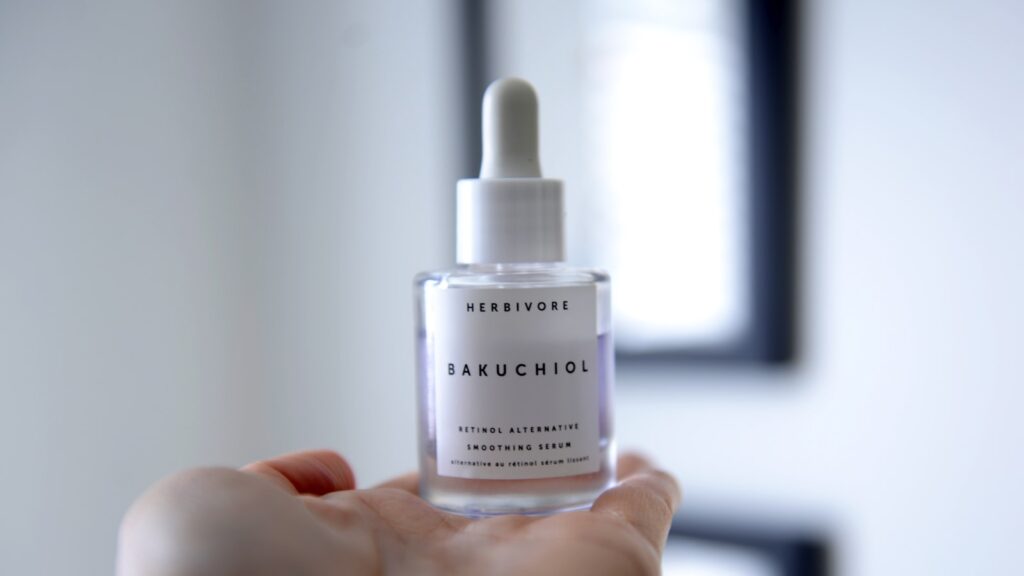
The ingredients that help are the boring ones. Azelaic acid is the over-the-counter active with the best trial evidence for rosacea – the prescription 15 per cent gel is a licensed treatment, and a 2015 Cochrane review rated the evidence for it as high quality. Niacinamide at 4 to 5 per cent supports the barrier and can take the edge off redness. Centella (cica), madecassoside and panthenol are well tolerated, and our guide to madecassoside for reactive skin covers the best of them. Polyglutamic and hyaluronic acid hydrate without provoking a flush. For more detail, read our pieces on azelaic acid in the UK, how azelaic acid works on rosacea and polyglutamic acid.
What an over-the-counter routine costs
You don’t need to spend much. These are the products people with rosacea reach for most often, with the prices we found online in September 2026 (they move around, so treat them as a guide).
| Product | What it does | Typical UK price | Our take |
|---|---|---|---|
| The Ordinary Azelaic Acid Suspension 10% (30ml) | Azelaic acid for redness and bumps | About £11 at Boots | The best-value place to start. Slightly gritty texture, can sting for the first week. |
| Paula’s Choice 10% Azelaic Acid Booster (30ml) | Azelaic acid in a smoother gel-cream | £22 to £37 depending on retailer | Nicer to use, but only worth it if The Ordinary’s texture puts you off. |
| La Roche-Posay Rosaliac AR (now Toleriane Rosaliac AR Concentrate) | Redness-reducing serum | From around £23 online | Comfortable and calming; the azelaic acid will do more for bumps. |
| Avène Antirougeurs range | Soothing creams for chronic redness | From around £14 | Good as a moisturiser for reactive skin. Don’t expect it to shift persistent redness. |
| Any fragrance-free mineral SPF 30-50 | Protection from the number one trigger | £8 to £30 | The single most important product on this list. |
Here’s the contrarian bit: the “anti-redness” serums are the least essential part of this. Azelaic acid and daily SPF do most of the work. The dedicated redness creams are pleasant, but I wouldn’t pay for one before you’ve got the other two sorted.
A calm-skin routine for the colder months
Keep it short. Rosacea does better with less.
Morning: rinse with lukewarm water or use a non-foaming, fragrance-free cleanser. Apply a moisturiser with ceramides or niacinamide, then a mineral SPF 30 or 50 – yes, in November.
Evening: the same gentle cleanser. Two or three nights a week, a pea-sized amount of 10 per cent azelaic acid, building up to nightly only if your skin copes. Moisturiser on top while the skin is still slightly damp. If it stings or feels tight, drop back to twice a week.
That’s it. No layering actives, no weekly peels, no clay masks, no jade roller from the fridge. A dull routine done every day beats a clever one done when you remember. And in winter it’s worth going thicker on the moisturiser at night; people who slug with a balm often find it helps wind-chapped cheeks, though a heavy occlusive can aggravate bumps in some people, so try it on one cheek first.
Stress, exercise and hormones
Rosacea has a heavy nervous-system component, which is why stress sits second on the list at 79 per cent. Anything that fires up the fight-or-flight response – running late for the train, a difficult meeting, an argument, embarrassment itself – can produce a flush, and the flush then becomes something else to feel self-conscious about. It’s a nasty loop. Slow breathing through the nose during a flush sounds daft, but plenty of people find it takes the edge off.
Exercise is the trigger people least want to give up, and they shouldn’t. Just move it somewhere cooler: early morning or outdoors instead of a packed spin class, shorter intervals, a cold flannel on the neck between sets, water nearby. Hot yoga is, as you’d expect, a bit of a disaster for most people with rosacea.
Hormones matter too. Plenty of women notice rosacea worsens around perimenopause, which fits with oestrogen’s effect on blood vessels and the skin barrier, and hot flushes and rosacea flushing can feed off each other. If previously mild rosacea has turned into something louder in your forties, mention it alongside any other symptoms. Our perimenopause skincare guide covers the wider picture.
One more that often gets missed: medicines. UK prescribing guidance notes that some drugs, including calcium-channel blockers used for blood pressure, can aggravate flushing. Don’t stop anything on your own, but if your rosacea got worse after starting a new medicine, ask your GP or pharmacist whether they’re linked.
What the NHS can prescribe
You can spend years chasing rosacea with high-street skincare. Prescription treatment works better, and it’s on offer from your GP. The table below follows current NHS primary care guidance (it mirrors one area’s June 2026 guideline, which is based on NICE’s summary for GPs).
| Main symptom | Usual first option | What to know |
|---|---|---|
| Persistent redness | Brimonidine gel (Mirvaso), used as needed | Works within about 30 minutes and peaks at 3-6 hours, then wears off. Start with less than the maximum dose for a week, as it can cause rebound redness in some people. |
| Mild to moderate bumps and pustules | Ivermectin 1% cream (Soolantra) once a day | Course of 8-12 weeks; also targets demodex mites. Azelaic acid 15% gel (Finacea) or metronidazole cream are the alternatives. |
| Moderate to severe bumps | Ivermectin plus low-dose doxycycline (40mg modified release) | Doxycycline for 8-12 weeks, reviewed at 6 weeks. The dose is too low to act as a conventional antibiotic. |
| Eye symptoms | Warm compresses, lid cleaning, artificial tears | Eye pain, blurred vision or light sensitivity needs urgent referral. |
| Thickened skin on the nose | Specialist referral | Surgery or laser treatment is rarely NHS funded. |
The trial evidence behind these is good. A Cochrane review of 106 trials found high-quality evidence for topical azelaic acid, topical ivermectin, brimonidine, doxycycline and isotretinoin. Laser and IPL (intense pulsed light) treatment for visible blood vessels is widely available in UK clinics, but it’s almost always private, so price it up before you go.
Book a GP appointment if over-the-counter care hasn’t got flares under control within a couple of months, if you’re getting persistent bumps, or if your rosacea is getting you down – NHS referral criteria include psychological distress. If your eyes feel gritty, dry or sore, go sooner: that can be ocular rosacea. The NHS rosacea page and the British Association of Dermatologists leaflet are both worth reading before your appointment.
Where to start this week
Don’t try to fix everything at once. Put a mineral SPF by the front door. Swap your cleanser for something fragrance-free. Start a two-week diary. If you’re only going to buy one active, make it a 10 per cent azelaic acid, and give it six weeks before you judge it.
But the people who do best with rosacea aren’t the ones with the most products. They’re the ones who’ve worked out their own top two or three triggers and stopped fighting the rest. So which one do you suspect most, and what would it take to test it properly before Christmas?

Really helpful breakdown. The wind bit surprised me – I always blamed the red wine and the hot tea and spent years dodging both. Turns out my Sunday walks along the seafront in Brighton were doing more damage than the odd glass of Rioja. I have been on azelaic acid for a couple of months and it genuinely has helped, though finding a SPF that does not sting is still the challenge. Any brand you would actually recommend on that front?
Mineral SPFs have been my saving grace for about eighteen months. The Bioderma Photoderm AR is the one I keep coming back to – does not sting and the slight tint takes the edge off the white cast. La Roche-Posay Anthelios UVMune 400 mineral is my backup, no fragrance and no alcohol. The Boots Soltan mineral SPF50 is the cheap one that actually works if budget matters.