Best British Comedians 2026: The 9 Acts to Book Before the Fringe Sells Out
Britain has quietly become a nation of comedy bookers. With Worthy Farm sitting empty this summer and festival money burning a hole in a few million pockets, stand-up has stepped in as the live night out of 2026 – and the numbers back it up. The Edinburgh Fringe programme passed 3,599 registered shows before its full launch in June, Chortle currently lists over 33,000 upcoming comedy events across the UK, and the autumn arena calendar is stacked deeper than it’s been in years. So if you’re after the best British comedians 2026 has to offer, and want to know which of them deserve your money before August sells them out, this is the list.
In This Article
- A comedy summer without Glastonbury
- Best British comedians 2026: how this list works
- The Fringe hours to book first
- The wildcards worth a punt
- The arena tours that earn the ticket price
- Two names about to get much bigger
- The biggest tour of the year is the one I’d skip
- If Edinburgh isn’t happening for you
For what that scale means on the ground in August – and why the best ticket at the Fringe still costs nothing – we’ve gone deeper in our Edinburgh Fringe 2026 piece.
Not a ranking of national treasures. A booking guide.
A comedy summer without Glastonbury
The fallow year changed the shape of this summer more than anyone predicted. We covered the Fringe’s unusually political 2026 programme last month, and the wider point stands: with the last weekend of June suddenly free, a chunk of Britain’s live-event spending has drifted towards comedy. Promoters have noticed. The Fringe runs 7 to 31 August this year, and the festival’s own announcements tell the story – a single spring batch added 1,508 shows, taking the total to 3,599 before the printed programme even existed. That programme has now produced its verdict too: the Edinburgh Comedy Awards 2026 shortlist is out, six shows chasing the £10,000.
And that’s just Edinburgh. The touring circuit is carrying Greg Davies, Kevin Bridges, Bill Bailey, Peter Kay, Mo Gilligan, Romesh Ranganathan and Ricky Gervais through British arenas this year, while a generation of podcast-built acts fills theatres the old TV panel-show route used to fill. It’s a strange, crowded, healthy moment for British stand-up. Crowded is the problem. Nobody can see all of it, and plenty of what’s on sale isn’t very good.
There’s an economic logic underneath the boom that’s worth spelling out. A comedy ticket is one of the last live nights out that hasn’t been repriced into a luxury. Gig tickets for major artists have climbed relentlessly, football is a subscription with extras, and a festival weekend now costs what a package holiday did. Against all that, a theatre seat for a touring comic – or a tenner-and-change Fringe hour – looks almost quaint. Comedy also doesn’t need a stage set, a band, or a three-hour build; it needs a person, a microphone and a room. In a squeezed year, the cheap art form wins. That’s not a romantic story, but it’s the true one, and it goes a long way to explaining why the circuit is this full.
Best British comedians 2026: how this list works
Two rules. Everyone here has a show you can actually book now – a Fringe run, a tour, a residency – because a list of brilliant comedians with nothing on sale is trivia, not journalism. And everyone here is doing new material in 2026, not a repackaged greatest hits with a fresh poster.
That second rule cuts more people than you’d think.
The Fringe hours to book first
Ahir Shah – Golden. Shah won the Edinburgh Comedy Award in 2023 with Ends, a show about family and citizenship that later landed on Netflix, and Golden is his return to the festival that made him. The new hour covers family and money – his two most reliable subjects – and on past form it will be the most quotable sixty minutes on the Mile. Shah writes like an essayist and delivers like a club comic, which is a rarer combination than it sounds. Golden has already picked up a stack of five-star notices on its way to Edinburgh. Book the first week; the awards buzz will do the rest.
Simon Amstell – I Love It Here. Amstell brings his latest to the Fringe after a sold-out London run at the Arches beneath London Bridge, and it’s the strongest thing he’s done in years – a story about a Hollywood party, an unnamed famous crush, and what happens when a man who built a career on self-loathing starts to suspect he’s fine. Chortle’s Steve Bennett gave it four stars and called him “like the Dalai Lama of comedy”, offering “guidance towards enlightenment that has so often eluded him”, and noted that his “candour about his intensely-examined emotions ensure I Love It Here is a human story anyone can connect to, even if they’ve never had a pep talk from Charli XCX”. You can read the full Chortle review, but the short version is that the 75 minutes fly.
Jack Rooke – Good Grief. The Big Boys creator is reviving his debut show a decade on from its first Fringe run, updated for everything that’s happened since – including the BAFTA. Revivals can be vanity projects. This one isn’t, because Good Grief was always about his dad’s death and the strange comedy of surviving it, and ten more years of hindsight is exactly the ingredient that material rewards. Expect it to be the most gently devastating hour of the festival.
Russell Kane – HyperActive. Sixteen years after winning the Edinburgh Comedy Award, Kane is back at the Fringe with a show about living with a brain that won’t idle. He remains the most kinetic performer in British comedy – the energy is the act – and a full Fringe run from someone at his level of touring fame is unusual enough to be worth the ticket on its own. Not subtle. Doesn’t need to be.
The wildcards worth a punt
Every good Fringe diary needs a couple of bookings that aren’t safe bets, and this year’s programme has some proper curiosities in it.
Rory Bremner is at the festival with Making an Impression, and the timing is sharper than it looks. Britain’s foremost political impressionist working a room in the middle of the most politically charged Fringe programme in years is either going to be a victory lap or a properly spiky hour, and both versions sound like a good night. Impressionism is deeply unfashionable in comedy right now, which is exactly why a master of it feels fresh again.
Joe Lycett is hosting a mixed-bill stand-up night for a five-show run, which is the kind of booking that rewards trust – you won’t know the line-up in advance, but Lycett’s taste and his compering are both reliable, and mixed bills are how you find the act you’ll be boring your friends about next year. Jack Dee and Mike Wozniak are both in town too, and Jason Byrne is marking thirty years of stand-up, which for anyone who has seen him work a crowd is thirty years of controlled chaos. None of these will trouble the awards conversation. All of them will be better value than half the shows that do.
The arena tours that earn the ticket price
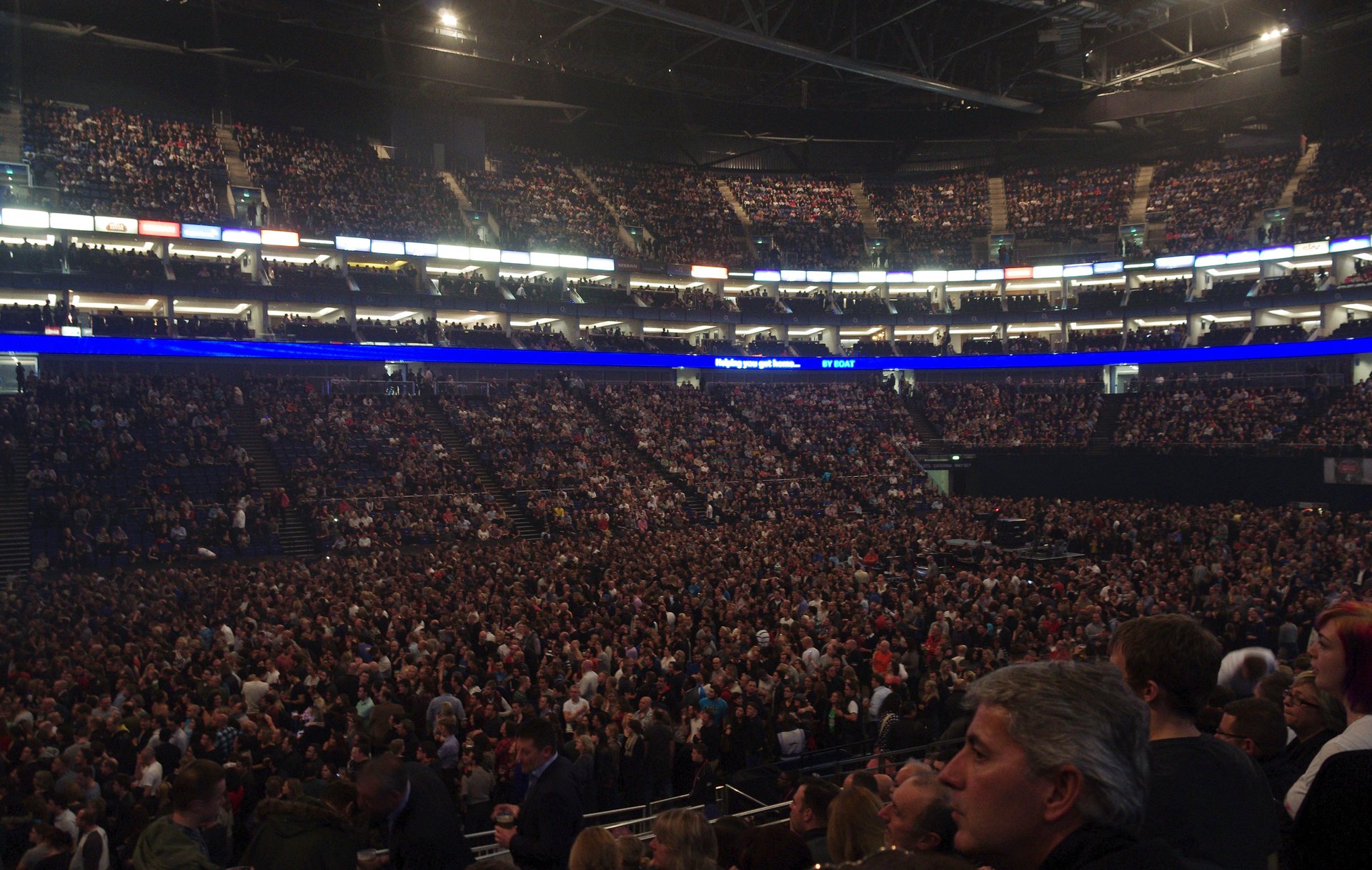
Arena comedy is a compromised format. You’re watching a screen with a person somewhere below it, the intimacy that makes stand-up work is gone, and you’ve paid three times the price of a theatre seat for the privilege. But a few acts really do fill the room, and this year’s crop is better than most.
Greg Davies – Full Fat Legend. Post-Taskmaster, Davies has become something close to a national institution – we looked at why Taskmaster is beating streaming drama earlier this year, and his stand-up is where all that goodwill gets cashed in. He’s a physical storyteller whose material is built from humiliation at scale, and unlike most panel-show names, the live hour is where he’s best, not worst.
Kevin Bridges. Still the sharpest crowd-reader in the country. Bridges sells out multiple nights in Glasgow the way other comics sell out one, and his working-class material has aged into something more observational and less laddish without losing the punch. What’s underrated about Bridges is the craft: the callbacks are architectural, the act-outs are precise, and he makes twelve thousand people feel like a pub back room, which is the single hardest trick in arena comedy. If he’s within an hour of you, go.
Lenny Henry – Still at Large. His first stand-up tour in over a decade, billed as part stand-up, part storytelling and part conversation. That framing is doing honest work – this is a look back across fifty years of British entertainment from someone who shaped a fair amount of it. It won’t be the fastest laugh-rate on this list. It might be the show you think about longest afterwards. And there’s a version of this tour that becomes the live event of the autumn – Henry has half a century of rooms, riots and receipts to draw on, and no British comic of his stature has waited this long between tours.
Two names about to get much bigger
Ania Magliano – Peach Fuzz. The SNL UK and Taskmaster booking tells you which direction this is heading. Magliano has been the best pound-for-pound joke writer of her Fringe generation for a couple of years, and Peach Fuzz is currently touring UK rooms small enough that you’ll be telling people about it later. That window is closing. Comics don’t stay in 200-seat venues after American television finds them. See her now, in a room where you can hear the person next to you laugh, or see her later from row forty of somewhere with a cloakroom queue.
Adam Rowe – Fashionism. Rowe built his audience the modern way – the Have A Word podcast rather than TV panel shows – and it’s the same route we traced in our British podcasts round-up this spring. The Liverpudlian’s new hour is being billed as his best, and his club-honed style travels well to bigger rooms: no concept, no staging, just relentless material. He’s proof that the streaming-era comedy boom has made the old gatekeepers optional.
The biggest tour of the year is the one I’d skip
Ricky Gervais takes the Legend tour through Britain’s biggest arenas from September to December, and it will sell every seat. Fine. But nothing about the recent output suggests the new hour will differ much from the last two: the same targets, the same shrugging delivery, the same twenty minutes of material stretched across ninety by audience-baiting pauses. Gervais at his best was genuinely great, and the box office says plenty of people still think he is. The box office is measuring fame, not form.
For the price of one Legend ticket you could see Shah, Magliano and Rowe and still cover the booking fees. That’s the better night out, and it isn’t close.
If Edinburgh isn’t happening for you
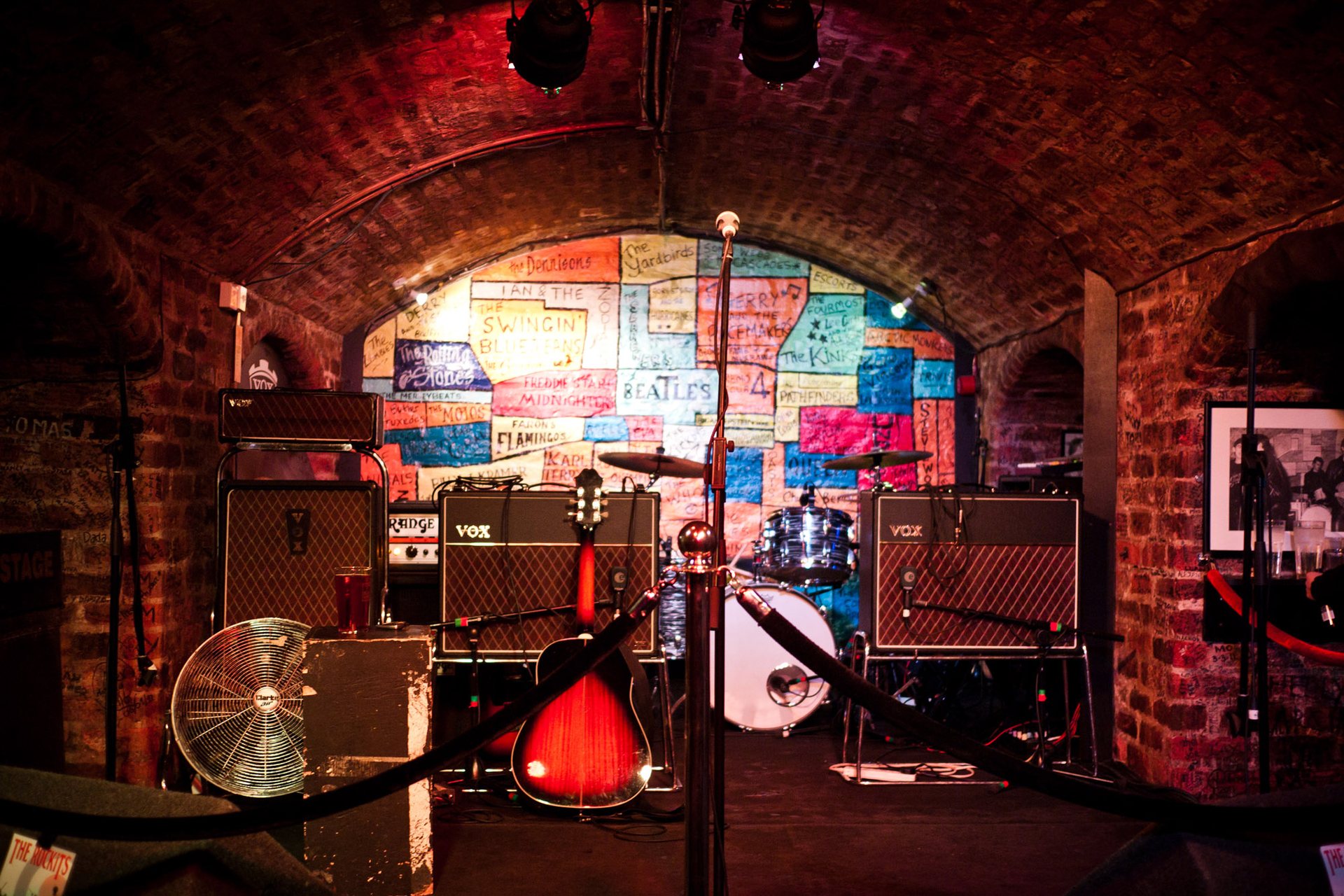
You don’t need the festival. July is preview season, which means most of the Fringe list above is playing small London and regional rooms for a fraction of the August price – loose, sometimes shambolic, often funnier for it. There’s a real pleasure in watching a comic find out in real time which jokes work, and preview audiences get material that will be cut by August, which makes them the only people who ever hear it. Chortle’s listings are the best way to find them, and previews are the closest thing British comedy has to a secret.
A word on booking tactics, learned the hard way. For the Fringe, book accommodation before shows – Edinburgh beds in August are the real scarce resource, and a wallet full of tickets is no comfort in a hostel bunk in Leith. For tours, the first-announced dates are rarely the last; extra nights get added once a run sells, usually in the same venues, so missing the initial rush isn’t fatal. And for anything in a room under 300 seats, just buy the ticket. Small-room comedy doesn’t do resale markets or returns queues. It does sold out, and then it does gone.
The autumn tours will still be on sale when the Fringe reviews land, so there’s no rush on the arenas. The small rooms are the ones that vanish.
Comedy in 2026 has ended up in an odd, happy place: bigger than it’s ever been at the top, weirder and more plentiful than it’s ever been at the bottom, with a fallow-year summer funnelling new audiences into both. The only real mistake is staying home. Who’s the act you’d add to this list – and which one do you think we’ve got wrong?
British music had a similar year, with home-grown acts dominating the charts in a way our best British albums of 2026 roundup gets into.