Edinburgh Fringe 2026: Why The Festival’s Most Political Programme In Years Reflects Britain’s Anxious Summer
The Edinburgh Fringe has always functioned as a stress test for the national mood. This year’s programme – 3,649 shows from 71 countries, sprawled across 258 venues – confirms what regulars sensed when previews started leaking in April. The Edinburgh Fringe 2026 is the most thematically anxious in a decade, and the strands the festival itself has flagged read less like a marketing exercise and more like a diagnosis.
In This Article
- A Programme Built Around AI, Cults And The Manosphere
- What 3,649 Shows Actually Tell Us About 2026
- The Comedy Heavyweights Returning To Edinburgh
- The Shows Critics Are Already Watching
- Why The Venues Themselves Tell A Story
- The Scottish Voices Holding Their Own
- How Streamers Are Watching Edinburgh Closer Than Ever
- Edinburgh’s Tipping Point: Cost, Crowds And The Critic’s Dilemma
- What This Programme Says About Britain Right Now
Since this piece went up we’ve also looked at the other side of the coin: why the free shows are the best ticket at this year’s Fringe.
The full programme went live on 4 June. Within 48 hours, almost every Scottish title had its own preview list, and Time Out, Chortle and Broadway World were already running picks. If the Fringe is normally where you discover what Britain will be arguing about in autumn, the 2026 edition has cut out the middleman and put the arguments straight on the poster.
A Programme Built Around AI, Cults And The Manosphere
The official press release leaned harder on themes than it has in years. The festival’s own communications named “artificial intelligence, cults, the manosphere, identity, social class, Y2K nostalgia, the state of the world, and resilience and hope” as the dominant strands of this year’s Edinburgh Fringe 2026 programme. That is a striking list. It is also notably more confrontational than 2025, when the marketing leaned on joy and play.
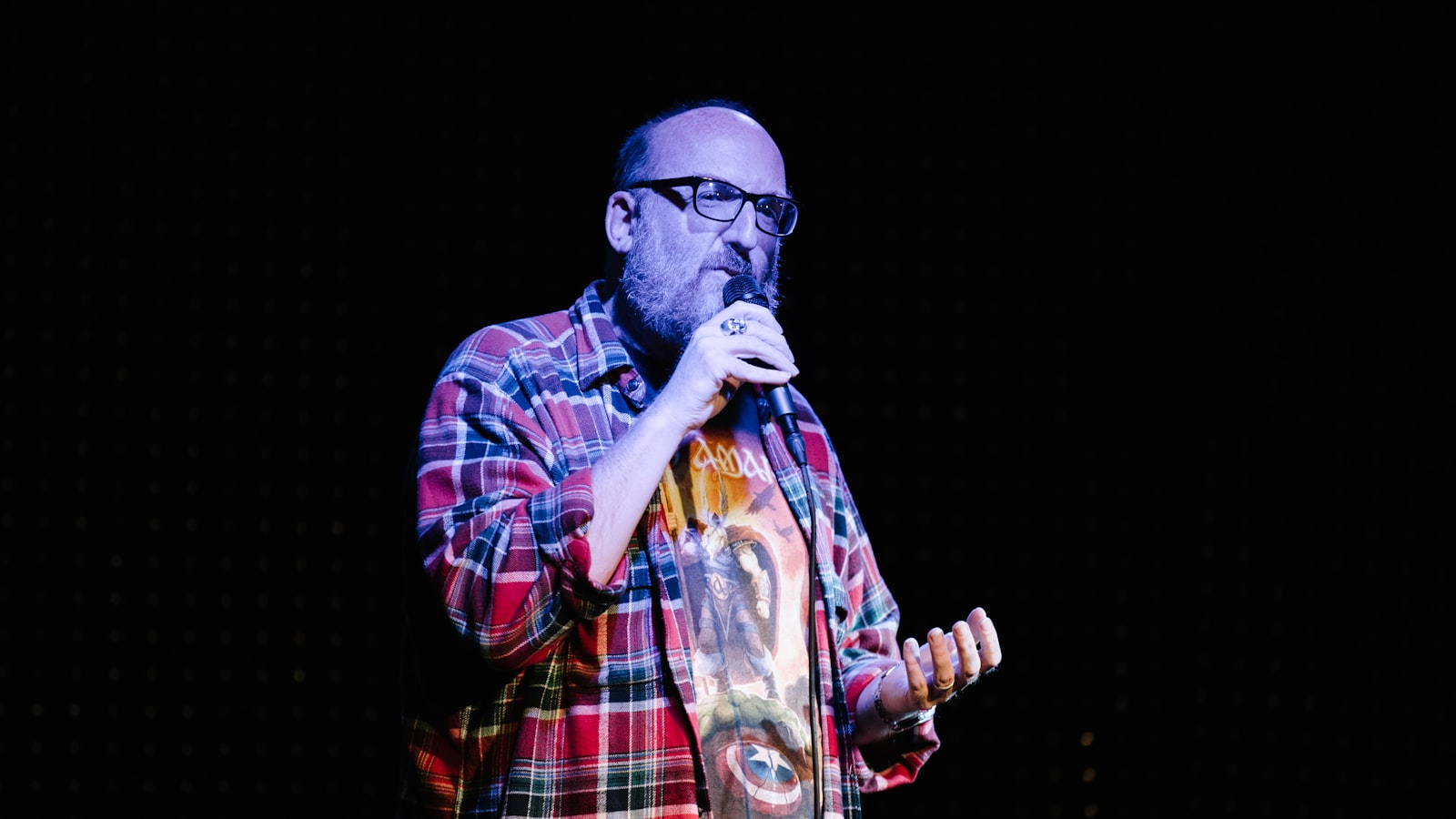
You can see the pattern repeating across venues. Aideen McQueen’s Wo-Manosphere at the reopened Gilded Balloon Teviot tackles online masculinity head-on. Brit Barron’s CHURCH interrogates evangelical cult culture from the inside. Fab Goualin’s Mixed Messages threads identity politics through stand-up. Sam Nicoresti returns with Baby Doomer, the show that won her last year’s Edinburgh Comedy Award, a piece that splices millennial existential dread with internet-poisoned humour. Even the more straightforward stand-up titles – Ahir Shah’s Golden, Daniel Sloss’s BITTER – sit closer to confessional essay than punchline showcase.
What’s missing from the 2026 mix is the usual cushion of pure escapism. There is still nonsense comedy, of course; there always is. But the headline-grabbing shows are not selling you a holiday from real life. They are selling you the texture of real life, slightly heightened, in a 45-seat room with bad ventilation. The “resilience and hope” thread the festival included almost reads like a defensive afterthought against the bleaker dominant tone.
What 3,649 Shows Actually Tell Us About 2026
Numbers always sound abstract at Fringe time. Most people interact with about ten shows over a four-day visit. So 3,649 is, in practical terms, more than anyone will see. But the breakdown matters.
The programme contains 1,401 comedy shows, 1,025 theatre productions and 168 musicals and opera performances, with the remainder split across cabaret, dance, kids’ shows, music and spoken word. Comedy still dominates. The theatre count, though, is the quietly important figure. After a long stretch where serious theatre seemed to be retreating from Edinburgh, the 2026 numbers suggest a recovery – which would track with our analysis of why London’s West End is having its most ambitious stage season in years.
The Fringe also published a total performance count of 53,884. The arithmetic – around 14.8 shows per production – tells you that runs are slightly shorter on average than 2024 levels, which lines up with the cost pressure on artists that has been the dominant Fringe story for three summers running. Fewer performers can afford a full three-week run; more are squeezing five-day stints around tour dates elsewhere. That is not a programme-wide collapse, but it is a structural shift worth tracking.
The international footprint – 71 countries – is steady rather than expanding. Australia, the United States and Canada remain the big three non-UK contingents. The notable new development is a small but visible cluster of Korean and Taiwanese theatre companies, several making their Fringe debuts at Summerhall and ZOO Venues.
The Comedy Heavyweights Returning To Edinburgh
If you have a fixed week in August and a finite budget, the smart Fringe move has always been to book the proven names early and the gambles later. 2026 is unusually rich at the top of that pyramid. The Scotsman reported that 18 returning Edinburgh Comedy Award winners are performing this year. That list includes Frank Skinner, Rose Matafeo, Sam Nicoresti and Ahir Shah.
Joe Lycett is hosting a five-night mixed bill of stand-up – the kind of curated room that often turns up surprise material the host is testing for a Netflix taping. Ruby Wax returns with Absolutely Famous, drawing on stories from a career that spans BBC and US television. Kristen Schaal brings The Legend of Crystal Shell for four nights. Mark Watson has a short run of Before It Overtakes Us. Daniel Sloss, who has been quietly building a global audience the British press tends to underestimate, returns with BITTER. Larry Dean, fresh from a year at Saturday Night Live, presents Hellbent. Rhys James brings Chop Logic.
The point is not just star wattage. It is that comedians who could comfortably tour 1,500-seat theatres are choosing to spend August in small Edinburgh rooms charging £15 to £22. That used to be a given. After Covid, the calendar maths got harder. Their return in this volume in 2026 is itself a signal – the Fringe is still where the most ambitious comedy work gets road-tested, which we explored in the context of why British stand-up has quietly taken over Netflix UK.
The Shows Critics Are Already Watching
Industry preview lists from early June pointed at the same handful of titles. A few worth marking out now, before the August scramble.
Big Dog at Gilded Balloon is the year’s most-tipped new theatre piece, a study of masculinity that has been described as a companion piece to the manosphere wave. Sophie Power’s CVNT returns after a 2025 run that sold out at Pleasance Courtyard and picked up a Stage Award nomination – a relentless one-woman performance built around the gendered slur and the audiences who flinch at it. Did You Charge Your Phone For The End Of The World? – a title that captures the 2026 mood in nine words – has been previewed in Broadway World’s pick of the programme and is the kind of premise-driven theatre that either becomes the talk of the festival or vanishes in week one.
On the comedy side, Susie McCabe’s Coming of Rage is the show most often mentioned by industry types when asked what is likely to win this year’s Edinburgh Comedy Award. McCabe is a Glaswegian who has been on the cusp for three years. The 2026 show, by all accounts, is the one that has finally landed. Ania Magliano, who broke into a wider audience via Taskmaster and SNL UK, returns with a show that is in early-summer preview the kind of word-of-mouth darling that 2024 had with Stuart Laws.
Outside the obvious comedy slots, three theatre productions are picking up the loudest critic chatter. A new adaptation of a 2024 Booker-shortlisted novel is being staged at Traverse, with a cast that includes two recognisable BBC drama faces. A Welsh-language piece at Summerhall, performed with English surtitles, has been talked about since its Cardiff preview. And a verbatim piece built from Online Safety Act consultation transcripts has surprisingly become one of the most pre-booked political theatre runs of the festival.
Why The Venues Themselves Tell A Story
If the programme is unusually anxious, the venues are unusually ambitious. Gilded Balloon Teviot reopens after a long building programme. Co-directors Karen and Katy Koren have rebuilt the Teviot Row House operation with upgraded performance spaces and now run four locations – Patter House, the National Museum of Scotland, the year-round Gilded Saloon pub and Teviot itself.
Summerhall has done something more radical. The Main Hall, which kept the same end-on seating for 14 years, has been physically torn out and rebuilt with a custom horseshoe configuration. The decision is partly aesthetic and partly an admission that the old setup was hostile to the kind of immersive work Summerhall now stakes its identity on. The venue is also opening an immersive Sauna Theatre – a literal sauna doubling as a 12-person performance space – which is either gimmicky or genuinely interesting depending on how the early-week previews go.
Pianodrome, the company that builds amphitheatres entirely from reclaimed pianos, has a new and more permanent-feeling Edinburgh space for 2026. Worth a visit even if you skip the show on inside it. ZOO Venues, Underbelly, Pleasance and Assembly all return with roughly steady footprints – the big four account for nearly a third of the festival’s total performance count between them.
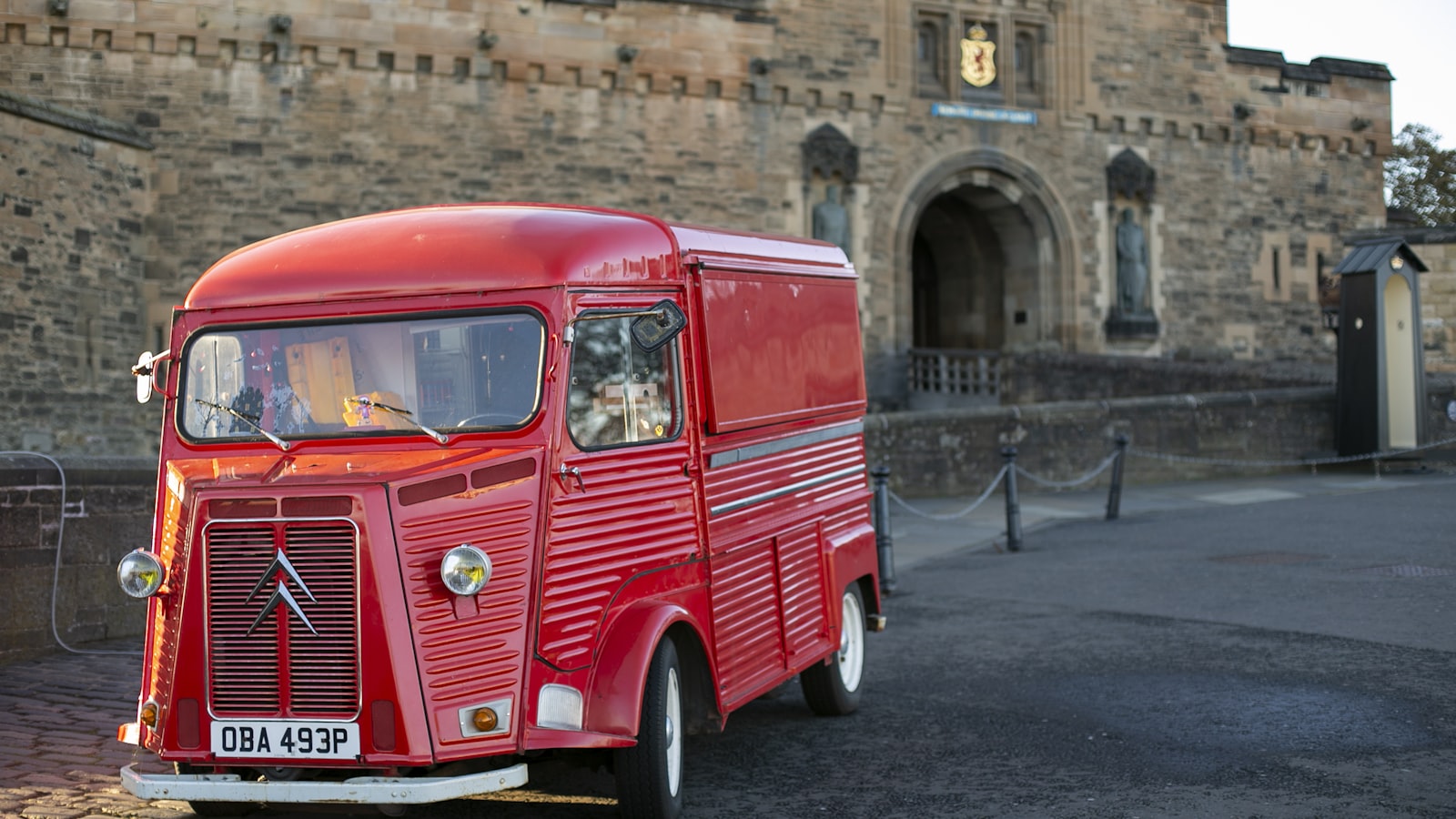
The infrastructural ambition matters because the Fringe’s quieter crisis is not artistic. It is structural. Accommodation costs in Edinburgh in August have risen faster than performer fees for six consecutive years. Venues investing in proper performance spaces is, in some sense, the only sustainable answer the Fringe has to that pressure.
The Scottish Voices Holding Their Own
The Fringe attracts so much international attention that home-grown voices sometimes get drowned out. The 2026 programme has an unusually strong Scottish bench. Susie McCabe leads. Connor Burns brings FLOW, which has been steadily building a younger audience on TikTok. Daniel Sloss returns home with BITTER, a show that played to 2,000-seat venues abroad and is being scaled down for a Fringe-appropriate room. Craig Hill, an Edinburgh institution at this point, presents You’re Not Even Safe Up the Back!.
There is also a small but visible Northern Irish presence around the Comedy Award winners’ rooms, and a Welsh contingent led by a wave of newer acts working through the Pleasance development programme. The Scottish theatre delegation has its strongest year since 2019 – partly because Creative Scotland’s project funding round in November 2025 was unusually kind to Fringe-bound work, partly because the National Theatre of Scotland has a higher-profile presence than in recent festivals.
How Streamers Are Watching Edinburgh Closer Than Ever
An open secret of the past five Fringes is the number of commissioning editors quietly moving between the Pleasance, the Traverse and the Gilded Balloon with notebooks and contract lawyers. 2026 looks set to intensify that. Netflix UK, Amazon, Disney+ and the BBC have all confirmed development executives on the ground for the first ten days, and Channel 4’s comedy commissioning team has been previewing material since the spring tours.
The pattern, by now, is familiar. A show goes well at Edinburgh in August. By Christmas, there is a tour announcement. By the following summer, there is a half-hour pilot or a special. Sam Nicoresti’s Baby Doomer is reportedly already in development as a half-hour. Ahir Shah has a long-running BBC sitcom that traces directly back to a 2023 Fringe set. The connection between Edinburgh’s room culture and what eventually lands on UK streamers, which we examined in British sitcoms 2026, is now arguably the most influential development pipeline in British comedy.
For audiences, that has two consequences. First, the most exciting shows at Edinburgh are increasingly worth catching there rather than waiting for the streaming version, because the streamed version will, by definition, be a different and tamer piece of work. Second, ticket prices for those shows have crept up to reflect the value of the room as a development showcase. £22 for an hour with a comedian who is essentially debuting their next Netflix special is, frankly, still good value, but it is no longer the £8 entry it was in 2010.
Edinburgh’s Tipping Point: Cost, Crowds And The Critic’s Dilemma
This is the part of any honest Fringe preview that gets glossed over. The festival is expensive to attend. Accommodation across central Edinburgh for the first weekend of the Fringe routinely runs at four to five times the year-round average. A four-day trip with two adults, decent accommodation and ten shows is, in 2026, comfortably a £1,500 holiday before you factor in food and travel.
That cost spiral has consequences. Smaller shows in 50-seat venues struggle to find audiences not because the work is bad but because punters with limited budgets default to the names they recognise. The Edinburgh Comedy Award newcomer category, traditionally where the festival’s reputation for discovery was made, has been quietly squeezed.
There are workarounds. The two-for-one preview weekend at the start of the festival remains the best value the Fringe offers. Free Fringe and Free Festival shows have grown in both number and ambition – genuinely competitive work, just monetised differently. And for anyone driving the maths from outside Edinburgh, the cheapest move is to skip the first weekend, travel in mid-festival when prices soften slightly, and book accommodation outside the central postcodes. For practical details on the rail side, we covered why Britain’s overnight rail network is the smartest summer trip option last month.
The critic’s dilemma is the other side of this. With 3,649 shows, no reviewer sees more than a fraction. The result is that the same 60 or so shows get the bulk of coverage, while genuinely interesting work in 20-seat rooms goes unwritten about. The Fringe has tried various forms of preview programme to fix this. None has worked. The honest advice for a 2026 visitor is to read the previews for the headline names, then take recommendations from the queue at whichever show you actually saw.
What This Programme Says About Britain Right Now
A festival is a long pre-commitment. Most of the shows in the 2026 programme were written in 2025. The themes they cluster around – AI anxiety, cult-curious online culture, the manosphere, social class, Y2K nostalgia – tell you what was on British minds 12 to 18 months ago. The fact that those themes still feel urgent in June 2026 says something about how stuck the national conversation is.
Edinburgh has done this before. The 2008 Fringe, in the early weeks of the financial crisis, was full of shows about money, debt and the limits of capitalism. The 2017 Fringe was the Brexit Fringe, however much organisers protested otherwise. The 2026 edition is the algorithmic-anxiety Fringe, which is to say the AI-and-internet-poisoning Fringe, which is to say the Fringe of a country trying to work out what its own attention is for any more.
Classical music is wrestling with the same national mood – our look at the BBC Proms 2026 American-themed season covers how Radio 3 is reading it.
That makes for a programme worth taking seriously, not as a tourist itinerary but as a piece of cultural data. There is enough straightforward fun in the listings to keep a casual visitor happy. The comedy-music crossover that drove conversations about the Glastonbury fallow year turns up in at least a dozen variety shows. But the centre of gravity has shifted. The most talked-about shows at this year’s Edinburgh Fringe 2026 are the ones that look hardest at where Britain has ended up online, and what comes next.