
The Cortisol Detox Myth UK 2026: What The Wellness Trend Gets Wrong – And What Actually Works
Type “cortisol” into TikTok and you’ll get roughly the same 30 seconds of advice on repeat: your face is puffy because of it, your belly is bloated because of it, and the fix is a £35 tub of powder that promises to flush it all out. The cortisol detox has become one of the loudest wellness trends in Britain this year, and most of what it tells you is wrong.
In This Article
- What cortisol actually is, and why the “detox” framing falls apart
- Where the “cortisol face” and “cortisol belly” idea came from
- The supplements: what the evidence actually says
- What’s actually in the £35 tub
- The things that genuinely lower cortisol (and are free)
- The at-home cortisol test question
- The morning-routine rules that don’t hold up
- Why this trend spread so fast
- The cortisol detox verdict: what to actually do
Not misguided-but-well-meaning wrong. Just wrong.
Cortisol isn’t a toxin. You can’t detox from it, and you wouldn’t want to. It’s a hormone your body makes on purpose, every single day, and without it you’d be dead within a fortnight. So before you hand over money for anything claiming to “reset” or “balance” it, it’s worth understanding what the hormone actually does – and why the version of it circulating on your feed bears almost no relation to the real thing.
What cortisol actually is, and why the “detox” framing falls apart
Cortisol is a glucocorticoid made by your adrenal glands, the two little caps that sit on top of your kidneys. It follows a daily rhythm. Levels climb sharply in the half hour after you wake up – that’s the reason you can drag yourself out of bed at all – then taper down through the day to a low point around midnight. This pattern is called the cortisol awakening response, and it’s one of the most reliable things in human physiology.
The hormone does a lot. It regulates blood sugar, keeps blood pressure steady, dampens inflammation, and helps convert food into usable energy. When you’re genuinely under threat – a near-miss on the motorway, a job interview, a proper fright – cortisol is part of what floods your system to get you through it. That’s the “stress hormone” reputation, and it’s earned. But framing cortisol as the enemy is like calling insulin the enemy because diabetes exists.
The NHS is clear that stress itself is a normal response rather than a medical condition, and its guidance on managing stress says nothing about supplements or detoxes. It talks about sleep, movement, and the boring, unglamorous business of dealing with whatever’s actually stressing you out. There’s a reason for that.
Where the “cortisol face” and “cortisol belly” idea came from
Here’s the kernel of truth the trend is built on. There’s a real medical condition, Cushing’s syndrome, where the body is exposed to very high cortisol over a long period. It can cause a rounded “moon face”, weight gain around the middle, thin skin that bruises easily and purple stretch marks. The NHS describes it as rare, and it’s usually caused either by long-term steroid medication or, less often, by a tumour.
So yes – extreme, sustained cortisol excess can change how your face and body look. But Cushing’s is diagnosed through blood, urine and saliva testing by an endocrinologist, and it affects a tiny number of people. The puffiness you noticed in a selfie after a bad night’s sleep and three glasses of wine is not Cushing’s. It’s a bad night’s sleep and three glasses of wine.
The trend took a genuine but rare condition and stretched it over the entire population. Now every bloated morning, every stubborn bit of belly fat, every tired-looking photo gets blamed on “high cortisol” – a self-diagnosis nobody has actually measured. And once you’ve convinced someone they have a problem, selling them the solution is easy.
The supplements: what the evidence actually says
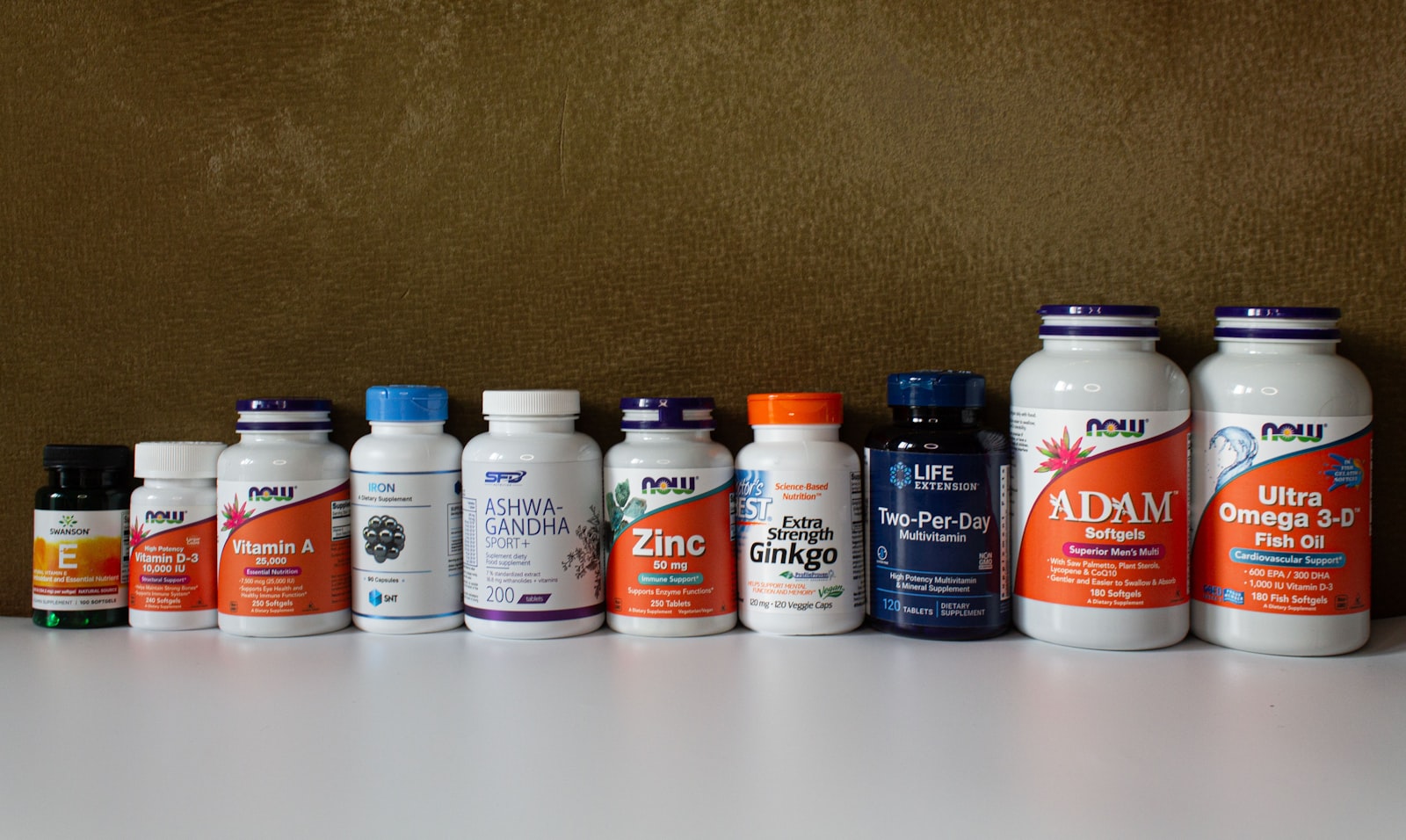
Ashwagandha is the big one. It’s an adaptogenic herb used in Ayurvedic medicine, and it’s in most of the “cortisol support” products lining the shelves in Holland & Barrett. The pitch is that it lowers cortisol and calms your stress response.
The honest position: there’s some evidence, and it’s weak. A number of small trials have found modest reductions in self-reported stress and, in some cases, measured cortisol among people taking ashwagandha extract. But these studies tend to be small, short, and frequently funded by the companies making the supplements. That doesn’t make them worthless. It does mean you should hold the results loosely, because the pattern of “small industry-funded trial shows promising result” is one that rarely survives larger independent testing.
And even where the effect is real, look at what’s being measured. A statistically significant drop in a lab cortisol reading is not the same as looking less puffy or losing weight round your middle. Those are the outcomes the marketing implies. They’re not the outcomes the trials measured.
My honest take, having watched supplement trends come and go: for most people, cortisol-support powders are a waste of money. If you want to spend £30 a month improving your stress levels, a monthly sports massage or a few sessions with a therapist will do more. This is the same problem I flagged with electrolyte powders – a real physiological mechanism gets stretched into a marketing story that the science underneath doesn’t support. Ashwagandha isn’t dangerous for most healthy adults, though it’s not recommended in pregnancy and can interact with thyroid and sedative medication. But “probably harmless and possibly a bit useful” is a long way from what the labels promise.
If you’re weighing up any supplement on a wellness claim, the same evidence questions apply: who ran the trial, how big was it, and did they measure the thing you actually care about?
What’s actually in the £35 tub
Turn a “cortisol support” product over and read the back and you’ll usually find the same short cast of ingredients. Ashwagandha, which we’ve covered. Magnesium, often magnesium glycinate. L-theanine, an amino acid from tea leaves. A B-vitamin complex. Sometimes vitamin C, sometimes a pinch of rhodiola. It’s worth knowing which of these has anything behind it and which is there to pad the label.
Magnesium is the one with the strongest case, and it’s got nothing to do with a special cortisol formula. Plenty of people in Britain don’t get quite enough, and low magnesium is linked to poorer sleep and higher perceived stress. But you can buy a month of plain magnesium glycinate for a few quid rather than £35, and you’ll get the same mineral without the story wrapped round it. L-theanine has a small amount of research suggesting it takes the edge off caffeine jitters and promotes a calm-but-alert state – genuinely interesting, genuinely modest, and not really a cortisol drug. The B vitamins and vitamin C are effectively filler unless you’re actually deficient, which most people eating a normal diet aren’t.
So a chunk of what you’re paying for is a handful of cheap, mostly sensible ingredients you could buy separately for a fraction of the price, plus a brand name and a promise. The promise is the expensive bit. Strip it away and you’re left with magnesium and a nice tub. There’s nothing wrong with taking magnesium if your sleep’s poor. There’s plenty wrong with paying a tenfold markup because someone attached the word “cortisol” to it.
One more thing worth saying plainly. Supplements in the UK are regulated as food, not medicine, which means the bar for what a company can put in the tub is lower than most people assume, and the claims are policed loosely. “Supports a healthy stress response” is the kind of soft phrasing that means very little and commits the maker to nothing.
The things that genuinely lower cortisol (and are free)

Sleep is the big one, and it’s not close. Poor sleep pushes cortisol up, and elevated cortisol makes sleep worse, which is a nasty little loop to be stuck in. Fixing your sleep does more for your stress hormones than any tub of powder, and it costs nothing. This is partly why the sleep-optimisation trend has taken off, though some of those hacks are more marketing than substance too.
Exercise is the one people find counterintuitive. A hard workout actually spikes cortisol in the moment – that’s the point, it’s part of the physical stress that makes you fitter. But people who exercise regularly tend to have a healthier overall cortisol pattern and recover from stress faster. The catch is dose. Chronic overtraining, especially long grinding cardio with no recovery, can keep cortisol elevated. That’s one of the arguments behind slower, lower-intensity training – you get the stress-management benefit without hammering your system into the ground.
Then there’s the unsexy stuff. Time outdoors. Actual social contact, the in-person kind, not scrolling. Cutting back on caffeine, which directly raises cortisol – if you’re anxious and downing four coffees before noon, that’s worth a look before you blame your adrenal glands. And here’s the uncomfortable one the trend skips entirely: if your cortisol is chronically high because your job is grinding you down or you’re in a bad relationship, no herb fixes that. The stressor is the problem. The hormone is just the messenger.
The at-home cortisol test question
Alongside the powders, a market has sprung up for at-home cortisol tests – usually a saliva sample you post off, sometimes a finger-prick blood kit. They’ll cost you anywhere from £40 to well over £100.
Cortisol testing is real and clinically useful. It’s how endocrinologists investigate conditions like Cushing’s or Addison’s disease. But there’s a gap between clinical testing and a kit ordered off an Instagram ad. Cortisol swings wildly through the day and jumps in response to almost anything – a stressful commute, a skipped breakfast, the mild stress of doing the test itself. A single snapshot tells you very little. Clinicians interpret cortisol in the context of your symptoms, timing, and often several samples. A number on an app, with no clinical context, is closer to noise than insight.
If you genuinely suspect a hormonal problem – unexplained weight change, persistent fatigue, the physical signs mentioned earlier – see a GP. That’s not me being cautious for the sake of it. It’s that the serious conditions these tests gesture at need proper diagnosis, and the reassuring-or-alarming number from a home kit can send you in the wrong direction on both counts.

The morning-routine rules that don’t hold up
A whole sub-genre of the trend is about the first hour of your day. The two rules you’ll hear most: don’t touch coffee until 90 minutes after waking, and drink an “adrenal cocktail” – usually orange juice, coconut water, salt and cream of tartar – to steady your cortisol.
The coffee rule has a sliver of logic to it. Your cortisol awakening response peaks in that first half hour or so, and the theory goes that adding caffeine on top blunts your natural rhythm or builds tolerance faster. But the evidence that delaying your coffee by an hour and a half does anything measurable for your stress or energy is thin to non-existent. If waiting suits you, fine. If you need your coffee the second your feet hit the floor, there’s no good reason to feel guilty about it. It’s the sort of rule that sounds precise and science-flavoured while resting on almost nothing.
The adrenal cocktail is worse, because it’s built on the adrenal-fatigue idea that specialists rejected years ago. Your adrenal glands aren’t running low on salt and vitamin C that need topping up first thing. You’re drinking sugary, salty juice and telling yourself it’s medicine. If you like the taste, have it. Just don’t imagine it’s regulating a hormone.
What genuinely helps in the morning is duller: daylight in your eyes reasonably soon after waking, which supports your body clock and, with it, a healthier cortisol rhythm. No cocktail required, and it’s free.
Why this trend spread so fast
Cortisol was the perfect candidate for a viral wellness panic. It’s a real hormone, so the whole thing sounds scientific. It’s linked to stress, which everyone has. And it can be blamed for a grab-bag of common complaints – tiredness, belly fat, a puffy face, poor sleep – that lots of people are self-conscious about. Give people a single villain for several problems at once and a product that promises to slay it, and the thing sells itself.
The wellness industry does this on a loop. A few years back it was “adrenal fatigue”, a supposed condition where your adrenals were so worn out by stress they stopped producing enough cortisol. The supplement aisle filled with adrenal-support products. The trouble was that endocrine specialists never accepted adrenal fatigue as a real diagnosis, and the evidence for it didn’t hold up. The cortisol detox is the same idea wearing new clothes – only this time the story is too much cortisol instead of too little.
The cortisol detox verdict: what to actually do
If you’re feeling frazzled, tired and generally stressed, that’s worth taking seriously. But take it seriously in the way the evidence supports. Sort your sleep out. Move your body most days without flogging yourself into the ground. Get outside. Deal with the actual source of the stress, even when that’s harder than buying a tub of something. And if your symptoms are persistent or physical enough to worry you, book in with a GP rather than a wellness brand.
The cortisol detox gets one thing right: chronic stress is bad for you, and the hormone is part of the story. Everything after that – the puffiness panic, the powders, the postal spit tests – is a solution to a problem you probably don’t have.
What’s the last wellness product you bought on the strength of a 30-second video, and did it do a single thing you could actually feel?
This article is for general information and isn’t medical advice. If you have concerns about your health or persistent symptoms, speak to your GP or a qualified healthcare professional.