
Harry Styles Wembley 2026: Why the 12-Night Residency Is Reshaping British Live Music
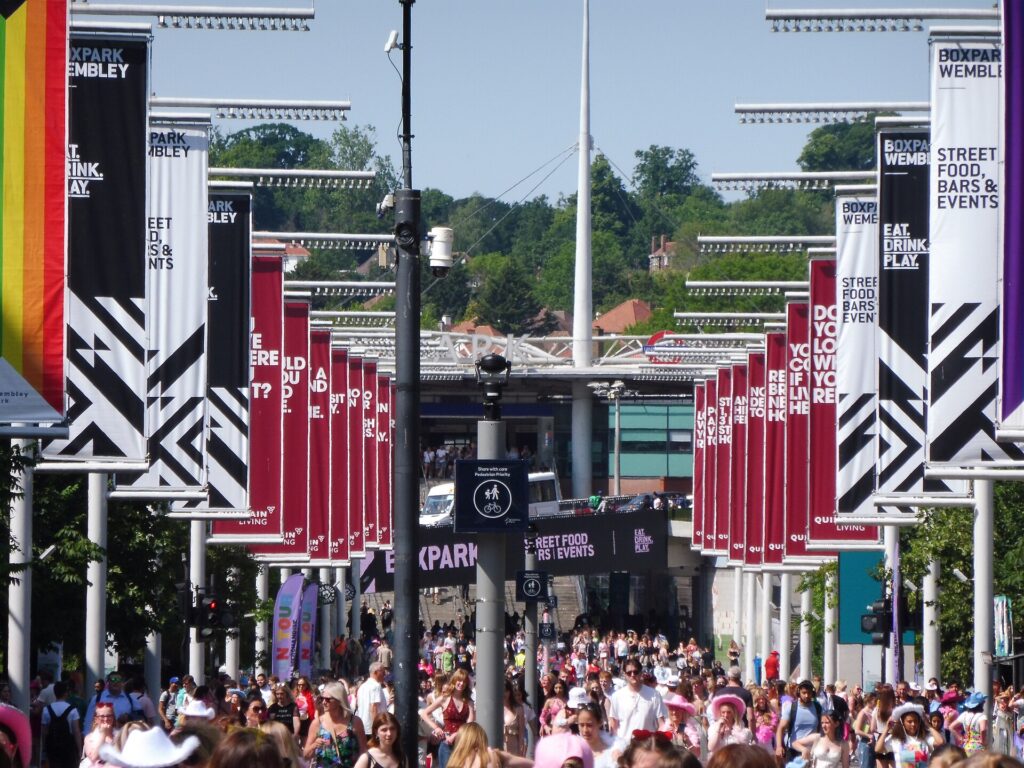
Tomorrow night, Harry Styles walks out at Wembley Stadium for the twelfth time in three weeks. Twelve nights, one venue, roughly a million tickets – and not a single date in Manchester, Glasgow, Cardiff or anywhere else in Britain. The Harry Styles Wembley 2026 residency is the biggest run of shows one artist has ever played at the stadium in a single year, beating the record Coldplay set only last summer. It’s also the clearest sign yet that the British stadium tour, the kind that used to trundle up the M6 every June, is being quietly replaced by something else entirely: the London residency.
In This Article
He’s not alone in that. Ariana Grande’s ten sold-out nights at the O2 tell the same story at arena scale – one city, one venue, and everyone else travels.
Whether that’s a triumph or a problem depends a lot on your postcode.
Twelve nights, one postcode
The scale of the thing takes a moment to sink in. The Together, Together tour rolled into Wembley on 12 June and doesn’t leave until 4 July – a longer continuous booking than most West End previews get. Shania Twain has the support slot, and the guest list across the run has included Jorja Smith, Jamie xx and Skye Newman, which tells you something about how these residencies now work: each night is pitched as its own event, with its own surprises, so fans buy tickets to more than one.
And plenty do. Official Charts reported that the run gives Styles the record for the most Wembley shows by any artist in a single year. The album it supports, Kiss All The Time. Disco, Occasionally., earned him the biggest opening week for a male solo artist since Ed Sheeran’s ÷ in 2017, and with 226,000 combined chart units it’s the UK’s biggest album of 2026 so far. The demand is real. Nobody is papering the house here.
But look at what’s missing. In 2010, a pop act this size would have played Sunderland, Coventry, two nights in Manchester and a rainy Millennium Stadium date in Cardiff. In 2026, the itinerary for Britain reads: London, London, London, London, London, London, London, London, London, London, London, London.
Coldplay built the template. Everyone else photocopied it
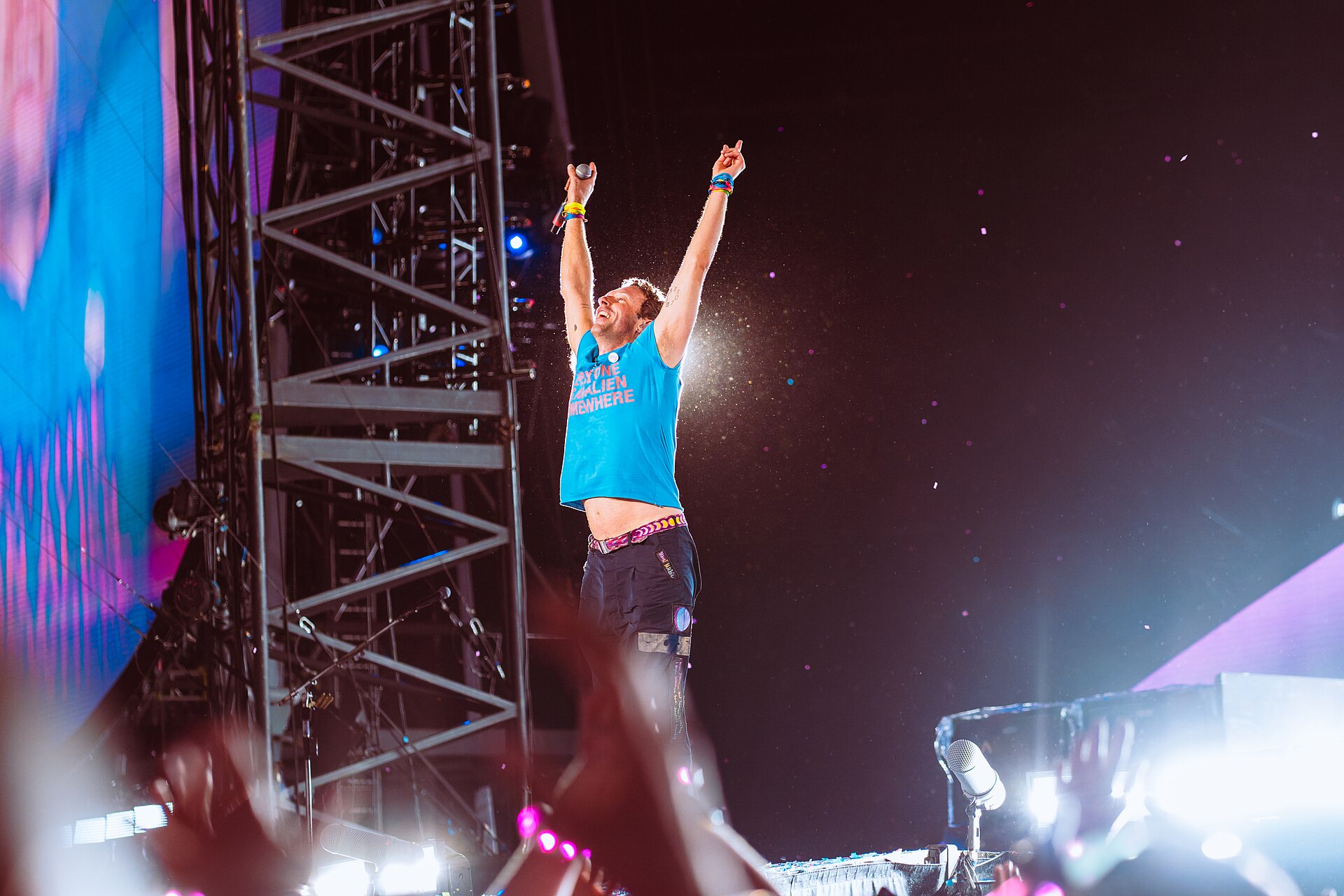
Last summer was the proof of concept. Coldplay played ten nights at Wembley, Oasis played seven, Dua Lipa added her own multi-night stint, and the stadium put more than two million people through its turnstiles across the season. Before that you can trace the idea back through Taylor Swift’s eight Eras shows at Wembley in 2024, and Adele skipping Britain altogether that same year to play ten nights in a purpose-built pop-up stadium in Munich.
The industry has noticed. Pollstar’s year-end analysis found that by the close of 2025, six acts – Swift, Beyoncé, Coldplay, Oasis, The Weeknd and Morgan Wallen – had played 513 stadium concerts across just 104 cities between them. Fewer places, more nights. The tour is no longer a journey; it’s an address.
The economics are not complicated. A stadium production now involves hundreds of trucks, custom staging that takes days to assemble, and freight costs that have climbed sharply since the pandemic. Every time the circus moves, somebody pays for the move. Park it in one place for a month and the sums change completely: one build, one strike, no dead days on the motorway. Add the sustainability argument – Wembley used the Coldplay run to pilot greener staging and travel schemes – and you can see why every promoter in London is now trying to book the next twelve-night run rather than the next twelve-city tour.
There’s a quieter reason too, and it’s the audience. Streaming-era fandom is national, not local. A fan in Aberdeen follows the same accounts, watches the same clips and feels the same pull as one in Camden. Promoters have worked out that she’ll travel. So the show stops coming to her.
The £300 night out
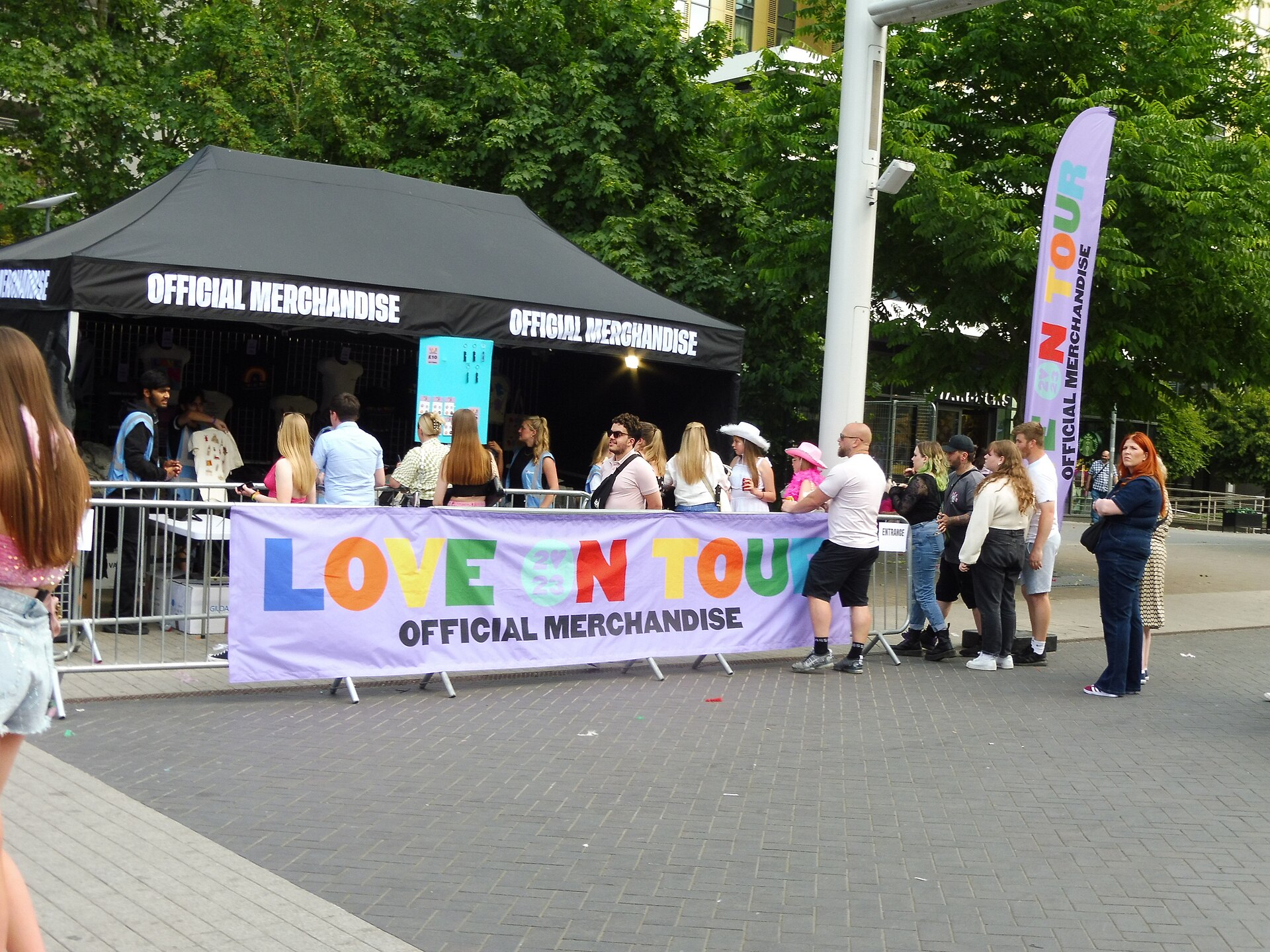
Before the cultural argument, the financial one, because for most families it comes first. The residency model quietly rewrites what a gig costs depending on where you start from. Face value is the same for everyone; the total is anything but. Coach or train fares, a night in a hotel whose booking system knows exactly why you’re coming, breakfast, the Tube, the merch stand – a two-ticket trip from Leeds or Belfast can clear £600 before anyone’s bought a programme. For a London fan the same evening costs the price of the ticket and a Zone 4 journey home.
Layer the recent history of ticket pricing on top and the picture sharpens. The Oasis reunion sale in 2024 became a national scandal when so-called in-demand pricing pushed standard standing tickets from around £148 to £355 while fans sat in the queue, and the Competition and Markets Authority opened an investigation into how those sales were run. The row changed the conversation. It didn’t change the direction of travel: big shows keep getting scarcer, more concentrated and more expensive to attend, and every one of those forces points the same way – towards fans treating live music as an annual pilgrimage rather than a regular habit.
Promoters will tell you, correctly, that these trips are chosen freely and sell out anyway. Both things are true. But “people will pay it” has never been the same claim as “it’s working well”, and an industry that mistakes the first for the second tends to find out the difference suddenly.
What the Harry Styles Wembley 2026 run means if you don’t live near London

Here’s where I’ll break ranks with the general mood of celebration, because I think the residency era is being sold to us as a treat when it’s at least partly a symptom. The same year Harry Styles plays twelve nights in one London postcode, the Music Venue Trust’s annual report found that more than half of Britain’s grassroots venues made no profit at all in 2025, that the sector shed around 6,000 jobs, and that 30 venues closed for good. Music Week reported the bleakest number of the lot: 175 UK towns and cities, home to an estimated 25 million people, no longer receive regular touring shows from professional artists at all.
Those two facts are not unrelated. Live music’s money, attention and infrastructure are pooling in a handful of mega-events in a handful of cities, while the circuit that used to carry music everywhere else thins out year by year. The residency didn’t cause that – margins of 2.5% and business-rates rises did most of the damage – but it accelerates the logic. Why underwrite a risky Tuesday in Stoke when the same capital can buy another guaranteed sell-out at Wembley?
And the cost hasn’t vanished. It’s been transferred to the fan. A Wembley ticket is only the start once you’ve added a train from Newcastle, a hotel that’s tripled its rates for the week and food at stadium prices. The fan from the North East pays hundreds of pounds more for the same show a Londoner reaches on the Metropolitan line. We used to call it a tour because the artist did the travelling.
I’ve lost count of the people who’ve told me this year that their teenager’s first gig was a £300 overnight operation. Mine was a support act at a scruffy local venue that no longer exists. That’s not nostalgia; it’s a pipeline question. The British jazz generation currently filling festival bills learned its trade in exactly the kind of small rooms that are now closing at a rate of more than one a month.
The case for the residency, made properly
It’s also worth remembering the residency isn’t some 2020s invention cooked up in a promoter’s spreadsheet. Elvis effectively invented the modern version in Las Vegas in 1969. Kate Bush’s 22 nights at Hammersmith in 2014 remain the most coveted British ticket of the century, and nobody complained that she didn’t take Before the Dawn to Hull. When an artist has a real artistic reason to root a show in one room, audiences have always understood. The difference now is that the exception has become the default, and the reasons are logistical rather than creative.
None of which means the residency is a con. The shows themselves are, by most accounts, better. A production designed for one venue can do things a touring rig can’t – the staging doesn’t have to fold into a lorry by 2am. Artists sleep in the same bed for a month and it shows in the voice. The guest-spot culture, where a Jamie xx or a Jorja Smith wanders on unannounced, only works when a run is long enough for word to spread.
There’s a decent green argument too. Hundreds of thousands of fans on trains to one venue with its own transport hub is plausibly cleaner than a fleet of trucks doing fifteen legs, though the industry has been suspiciously slow to publish full numbers either way. The touring business’s own carbon accounting tends to gloss over audience travel, which most independent studies put at the bulk of a show’s footprint – so the honest answer is that nobody has properly done the maths yet.
And Wembley itself deserves some credit. It has become seriously good at this – a stadium that can turn around ten Coldplay nights, seven Oasis nights, cup finals and NFL fixtures in the same calendar year is a proper operation, and the concert income helps fund the FA. If Britain is going to have one great global music address, there are worse candidates.
Still. “The shows are brilliant” and “the system producing them is lopsided” can both be true, and this summer they both are.
The counterweights are small, but they exist
The industry knows how this looks, which is why 2026 has also been the year of the corrective gesture. The £1 grassroots levy on arena and stadium tickets – which we covered when it landed in June – pushes a pound from every big-show ticket towards small venues, and the Music Venue Trust has launched Liveline, a funded national touring programme designed to get professional shows back into the 175 towns the circuit abandoned. Neither is transformative on its own. A pound a ticket against a £300 fan weekend is a rounding error. But both admit, in public, that the market stopped doing this by itself.
There are hopeful signs at the other end of the pipeline as well. The vinyl revival we wrote about last week shows younger fans are happy to spend on music as an object and an identity, not just an event. And the extraordinary run of British number one albums this year suggests the talent supply is in rude health. The question is whether the live economy underneath it holds long enough for the next Styles – who was, remember, a sixteen-year-old from Holmes Chapel fronting a school covers band – to get his first hundred shows in.
Where this actually goes next
Expect more of it, and quickly. Promoters talk openly about Wembley as a summer “season” now, programmed like a festival: a June residency, a July residency, an August blockbuster. The 2027 slots are already being fought over. The next logical step – artists announcing a London month and a Manchester week as their entire UK presence – is probably one announcement away. Co-op Live and the Etihad give Manchester the hardware to host its own residencies, and if the model spreads to two or three cities rather than one, most of the fairness problem softens.
And it is no coincidence the residency model is peaking in a summer without Pilton. Our piece on Glastonbury’s 2026 fallow year looks at what happens to British live music when the anchor event takes a year off. WOMAD’s move to a brand-new Wiltshire estate is the other side of the same redistribution.
That’s the version worth rooting for. A Britain where the mega-show anchors London and a rebuilt touring circuit carries everything else would be the best of both. A Britain where twelve nights at Wembley coexists with 175 towns getting nothing is the version we drift into if nobody pushes back.
And if the mega-show has priced you out entirely, the other end of British live music still has a door open: a £48 route into the Last Night of the Proms survives even though every ballot has closed.
So enjoy the last night tomorrow if you’ve got a ticket – by every account it’s a remarkable show. But it’s worth asking, somewhere between the confetti and the last train: when was the last time a tour this size came to you?