Best Smart Rings UK 2026: The £399 Ring, the £5.99 Monthly Rent, and the Rivals That Skip It
The most important number in the smart ring market isn’t on any spec sheet. It’s £5.99 – the monthly subscription Oura charges before it’ll show you the detailed analysis of data your £349 ring collected while you slept. Over three years that’s another £215, which turns the best smart rings UK 2026 question into something less about sensors and more about how you feel paying rent on your own heart rate.
In This Article
- Why rings are winning the bedtime argument
- Oura Ring 4: still the one to beat, with an asterisk
- Samsung Galaxy Ring: same money, no rent
- Ultrahuman Ring Air: the training pick
- RingConn Gen 2: the essentials, cheapest
- Who should buy which
- Living with one: the unglamorous bits
- The four compared
- The subscription maths nobody does at the checkout
- What a ring can’t do – and what it shouldn’t claim
- The £40 Amazon rings: leave them
- Sizing: take the plastic kit seriously
- Frequently asked questions
- Are smart rings accurate for health tracking?
- How long does a smart ring last?
- Can you shower or swim in one?
- Can a smart ring diagnose sleep apnoea?
- Do smart rings work with iPhone and Android?
So here’s the short version before the long one. The Oura Ring 4 is still the most polished ring you can put on your finger, and the subscription is still the most irritating thing about it. Samsung’s Galaxy Ring costs £399, charges nothing monthly, and is the better buy for most Android owners. Ultrahuman’s Ring Air undercuts both at £329 with no subscription and suits people who train seriously. And RingConn’s Gen 2 covers the essentials for less than any of them.
Why rings are winning the bedtime argument
Smart rings took off for one main reason: nobody wants to sleep in a watch. The wrist computer that’s useful at 2pm is a glowing nuisance at 2am, and the people most interested in sleep data were the ones taking their tracker off at night. A ring weighs under 10 grams, has no screen, and sits on a finger where the pulse signal is actually stronger than at the wrist. You forget it’s there. That’s the whole pitch, and it works.
It also plugs neatly into Britain’s current sleep and health-data obsession – the same one driving mouth taping and £300 glucose monitors for healthy people. A ring is the gentlest entry point into that world: sleep stages, resting heart rate, heart rate variability, skin temperature and blood oxygen, all collected passively while you do nothing.
But the market has split into two camps: rings that charge a subscription and rings that don’t. That split matters more than any sensor difference.
Oura Ring 4: still the one to beat, with an asterisk
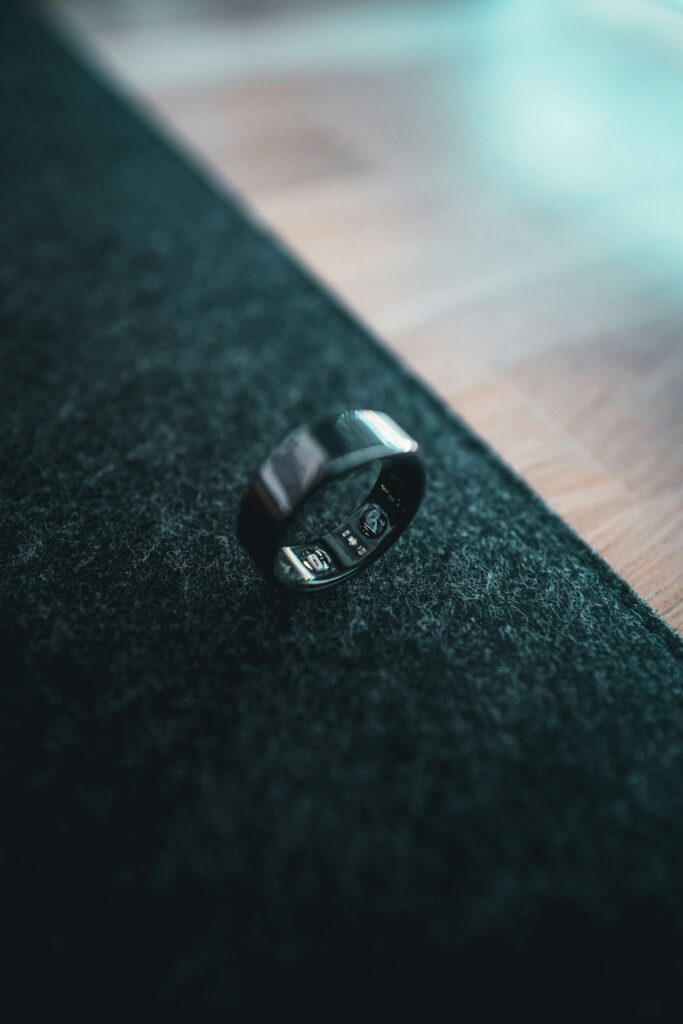
Oura has been at this longer than anyone, and it shows. The Ring 4’s app is the benchmark: sleep, readiness and activity distilled into scores that actually change behaviour, with the accuracy to back them up. Battery runs about a week. Build quality is excellent. If a friend asked which ring feels most finished, it’s this one, no hesitation.
Now the asterisk. The ring starts at £349 (closer to £499 if you want it in gold), and without the £5.99 monthly membership you get three bare scores and little else. The detailed analysis – the part that makes Oura worth having – sits behind the paywall. That’s a deliberate commercial choice, and it’s the reason this ring isn’t the automatic recommendation it would otherwise be.
Samsung Galaxy Ring: same money, no rent
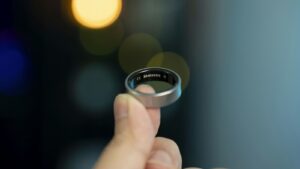
The Galaxy Ring arrived in 2024 at £399 with one genuinely disruptive decision: no subscription, ever. Everything the ring measures lands in Samsung Health for nothing. Sleep tracking is solid, comfort is excellent, and while the analysis isn’t as rich or as persuasive as Oura’s, most people honestly won’t notice the gap after the first fortnight.
The catch is compatibility. It’s Android only – iPhone owners are out entirely – and a few features work best with a Samsung phone in particular. Within those limits, it’s the value judgement made simple: the same upfront money as Oura with £72 a year staying in your pocket.
Ultrahuman Ring Air: the training pick
Ultrahuman’s Ring Air is the one serious gym-goers keep ending up with. At £329 with no subscription, the app leans hard into movement, recovery and metabolic health, and its insights feel more actionable if you’re training several times a week. It tracks how exercise affects your body over time in more detail than the mainstream apps bother with.
Battery is about six days. The titanium shell is light and has taken a year of barbell knurling in stride, by all accounts. The app is busier than Oura’s and takes a week to learn your way around – a fair trade for keeping £72 a year.
RingConn Gen 2: the essentials, cheapest
RingConn’s pitch is simple: the core measurements – sleep, stress, blood oxygen, heart rate variability – with no subscription, at the lowest price of the four. RingConn sells direct and the price moves about with its frequent sales, so budget somewhere around the £300 mark and check the current figure before you order.
Battery life is the best here, at seven to eight days. The app is the least refined of the group, though it’s improved steadily and covers everything most buyers actually look at. For a first ring bought out of curiosity rather than conviction, this is where I’d start.
Who should buy which
The data obsessive who’ll read the app every morning over coffee: Oura Ring 4. The analysis is the best there is, and if you’ll actually use it, the subscription earns its keep. Just go in with your eyes open about the three-year cost.
The Android owner who wants one purchase and no ongoing admin: Galaxy Ring. It’s the least fussy ownership experience of the four and the one I’d hand to a parent.
The five-sessions-a-week gym-goer or runner: Ultrahuman Ring Air. Its recovery and load metrics are built for people who train, not people who stroll, and the £329 flat price is the best pound-for-pound deal here for that crowd.
The curious first-timer who isn’t sure a ring will stick: RingConn Gen 2. Lowest cost of entry, longest battery, nothing to cancel if the novelty wears off by spring.
Living with one: the unglamorous bits
A few things the product pages skip. Charging is a small ritual – each ring has its own little cradle, and the sensible habit is dropping the ring on it during your morning shower once or twice a week rather than waiting for the low-battery nag. Miss a night’s charge and you lose a night’s data; there’s no catching up.
Scratches happen. Titanium resists them but doesn’t refuse them, and six months of dumbbells, door handles and house keys will leave fine marks on any finish – the matte colours hide it better than the polished ones. Lifters should either wear the ring on the other hand or budget for character marks. And if you already wear actual jewellery, think about which finger the smart ring gets, because two rings on neighbouring fingers click together constantly and the noise will drive you spare.
None of this is a reason not to buy. It’s just the gap between the render on the website and month four of ownership.
The four compared
| Ring | Price | Subscription | Battery | Works with |
|---|---|---|---|---|
| Oura Ring 4 | From £349 | £5.99/month | ~7 days | iPhone and Android |
| Samsung Galaxy Ring | £399 | None | ~6-7 days | Android only |
| Ultrahuman Ring Air | £329 | None | ~6 days | iPhone and Android |
| RingConn Gen 2 | Around £300 | None | 7-8 days | iPhone and Android |
The subscription maths nobody does at the checkout
Run the numbers over the life of the ring, because the shop page won’t. An Oura Ring 4 at £349 plus £5.99 a month comes to roughly £565 over three years – and three years is about what the sealed battery is good for. The Galaxy Ring over the same period: £399, full stop. The Ultrahuman: £329. The cheapest Oura ends up the most expensive ring in this article, and it’s not close.
Is Oura’s analysis better? Yes. Is it £200-better over three years? For someone who reads the app daily and acts on it, maybe. For everyone else the subscription is a tax on forgetting to cancel, and Oura knows it.

What a ring can’t do – and what it shouldn’t claim
No screen means no notifications, no GPS and no mid-run pace. Runners and cyclists will still want a watch – our guide to the best smartwatches under £200 covers that side – and plenty of people sensibly run both: watch by day, ring by night.
The health claims deserve a harder look. These are wellness devices, not medical ones. A ring estimating your blood oxygen or flagging an odd heart rhythm is a prompt to pay attention, not a diagnosis – and the blood oxygen figure in particular is closer to a gimmick than a health tool for most wearers. If something in the data genuinely worries you, that’s a GP conversation, not an upgrade decision or a £299 full-body scan.
According to Wareable’s testing, the accuracy gap between rings and watches has narrowed considerably – but accuracy at measuring is not the same as authority to diagnose. Worth keeping the two separate.
The £40 Amazon rings: leave them
Search “smart ring” on Amazon and you’ll find pages of unbranded rings at £30-£60 promising everything the £349 ones do. The hardware is superficially similar; the difference is everything after. The sensor data is poor, the apps are clumsy and often quietly abandoned, and your health data goes somewhere you’ll never audit. A cheap ring that measures your sleep badly is worse than no ring, because you’ll believe it.
If the budget is genuinely £60, put it towards decent earbuds instead and buy the ring when the price of the RingConn drops. You’ll get more for the money.
Sizing: take the plastic kit seriously
Every brand here sends a free sizing kit before your ring ships – a Jiffy bag with a strip of plastic dummy rings – and the temptation is to try one on for ten seconds and pick. Don’t. Wear your best-guess size for a full 48 hours, including overnight and through a workout. Fingers swell in the evening, shrink in the cold, and a ring that’s snug at 9am can be stuck by 9pm.
Ring sizes also don’t transfer neatly from jewellery sizing, and most people land a size off their wedding-ring assumption. Two days with the plastic dummy saves a fortnight of exchange postage.
Frequently asked questions
Are smart rings accurate for health tracking?
The good ones, yes. Modern rings use the same photoplethysmography (PPG) sensors as smartwatches, and independent testing puts heart rate accuracy within 1-2 BPM for the models above. Sleep tracking is often more reliable than wrist-based devices because the finger gives a stronger pulse signal. Sleep-stage estimates remain estimates on any consumer wearable, though.
How long does a smart ring last?
Plan for two to three years. The sealed battery degrades with charging cycles and can’t be replaced, though the titanium shells shrug off daily wear. Oura and Samsung both run trade-in schemes when you upgrade.
Can you shower or swim in one?
All four carry at least an IP68 rating, so showering and shallow swimming are fine – the Oura Ring 4 is rated to 100 metres. Chlorine and saltwater can degrade the sensors over time, so rinse the ring in fresh water after a pool session.
Can a smart ring diagnose sleep apnoea?
No, and be wary of any marketing that implies otherwise. A ring can surface patterns worth acting on – restless nights, dips in blood oxygen – but diagnosis needs a proper sleep assessment. If you snore heavily, wake gasping or feel wrecked every morning despite decent hours, take that to your GP rather than reading tea leaves in an app.
Do smart rings work with iPhone and Android?
Oura, Ultrahuman and RingConn all support both. The Galaxy Ring is the exception: Android only, with its full feature set reserved for Samsung phones. iPhone owners should cross it off the list before comparing anything else.
One more thing worth knowing before you buy: Apple still doesn’t make a ring, and the rumour mill has been promising one for years. If it ever arrives, prices and subscriptions across this whole list will get interesting overnight. But a ring bought today will have paid for itself in decent sleep data long before that happens.