Easy Korean Recipes to Make at Home This Spring
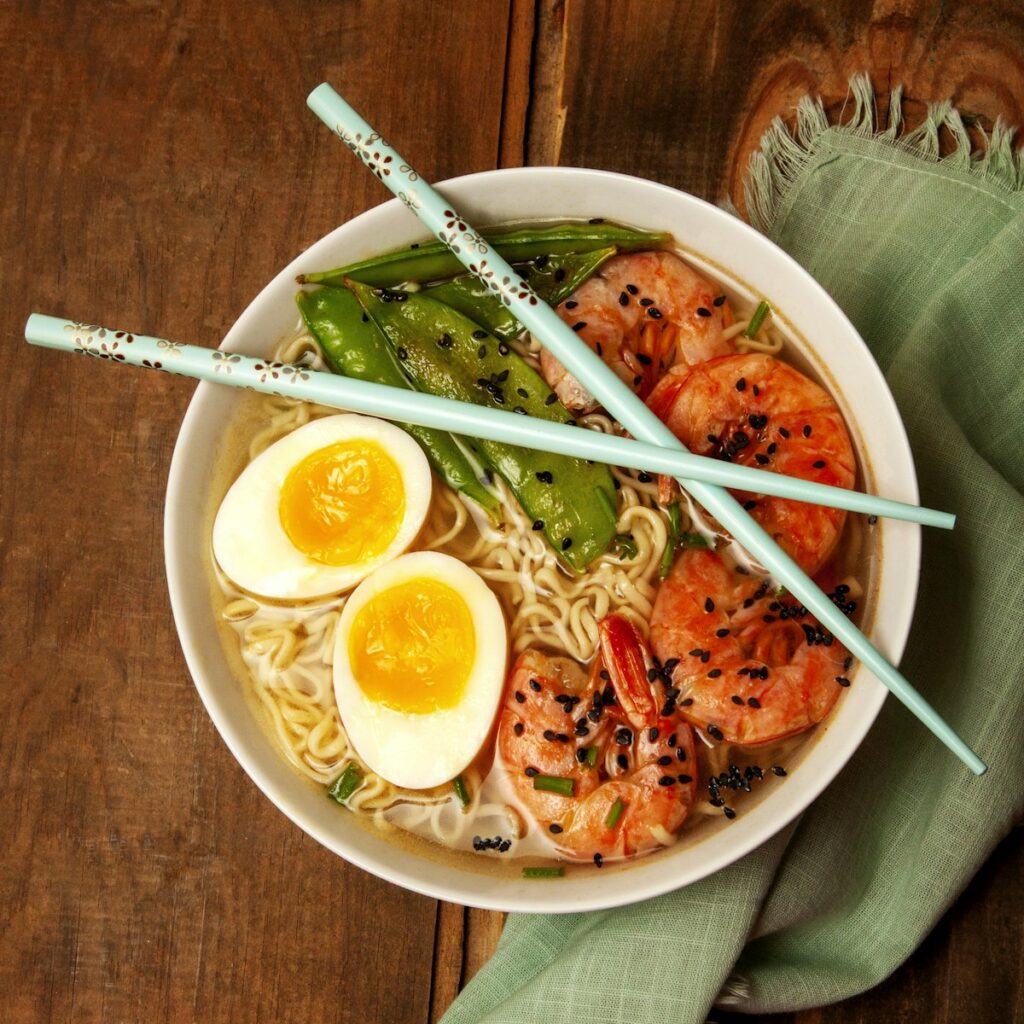
Korean food has gone from niche to nearly mainstream in the UK, and it’s not hard to see why. Bold flavours, simple techniques and ingredients you can now pick up at most major supermarkets make it one of the most accessible global cuisines to try at home. If you’ve been curious about cooking Korean but weren’t sure where to start, these easy Korean recipes to make at home are a solid first step.
In This Article
- Why Korean Food Is Trending in the UK
- Easy Korean Recipes to Make at Home This Week
- Bibimbap (Korean Mixed Rice Bowl)
- Kimchi Fried Rice
- Korean Beef Bulgogi
- Tteokbokki (Spicy Rice Cakes)
- Gochujang Chicken Thighs
- Pajeon (Korean Spring Onion Pancakes)
- Where to Find Korean Ingredients in the UK
- Frequently Asked Questions
- What Korean dishes are easiest for beginners?
- Can I find Korean ingredients in UK supermarkets?
- Is Korean food healthy?
- What is the difference between gochujang and gochugaru?
From crispy bibimbap bowls to fiery kimchi fried rice, Korean cooking is all about layering flavour without fuss. Most of these dishes come together in under 30 minutes, and you won’t need to hunt down a specialist shop to find what you need.
Why Korean Food Is Trending in the UK
The rise of Korean food in Britain has been building for years, driven in part by K-pop culture and social media. But 2026 has seen it properly hit its stride. Ocado added 50 new Korean products to its range earlier this year, and brands like Sun Hee have rolled 20 new lines into Tesco, including ready-made udon noodle bowls and cooking sauces.
According to Bidfood’s 2026 food trends report, Korean flavours are among the fastest-growing in UK foodservice. The most popular dishes with British consumers include Korean fried chicken, bulgogi, dumplings and, of course, kimchi. Fermented ingredients like gochujang – a sweet, spicy chilli paste – have become store-cupboard staples for a growing number of home cooks.
Easy Korean Recipes to Make at Home This Week
You don’t need years of practice or a cupboard full of obscure pastes to cook good Korean food. These four recipes use ingredients available at Tesco, Sainsbury’s, Waitrose and most Asian supermarkets. Each one serves two and takes no more than 30 minutes from start to finish.
Bibimbap (Korean Mixed Rice Bowl)
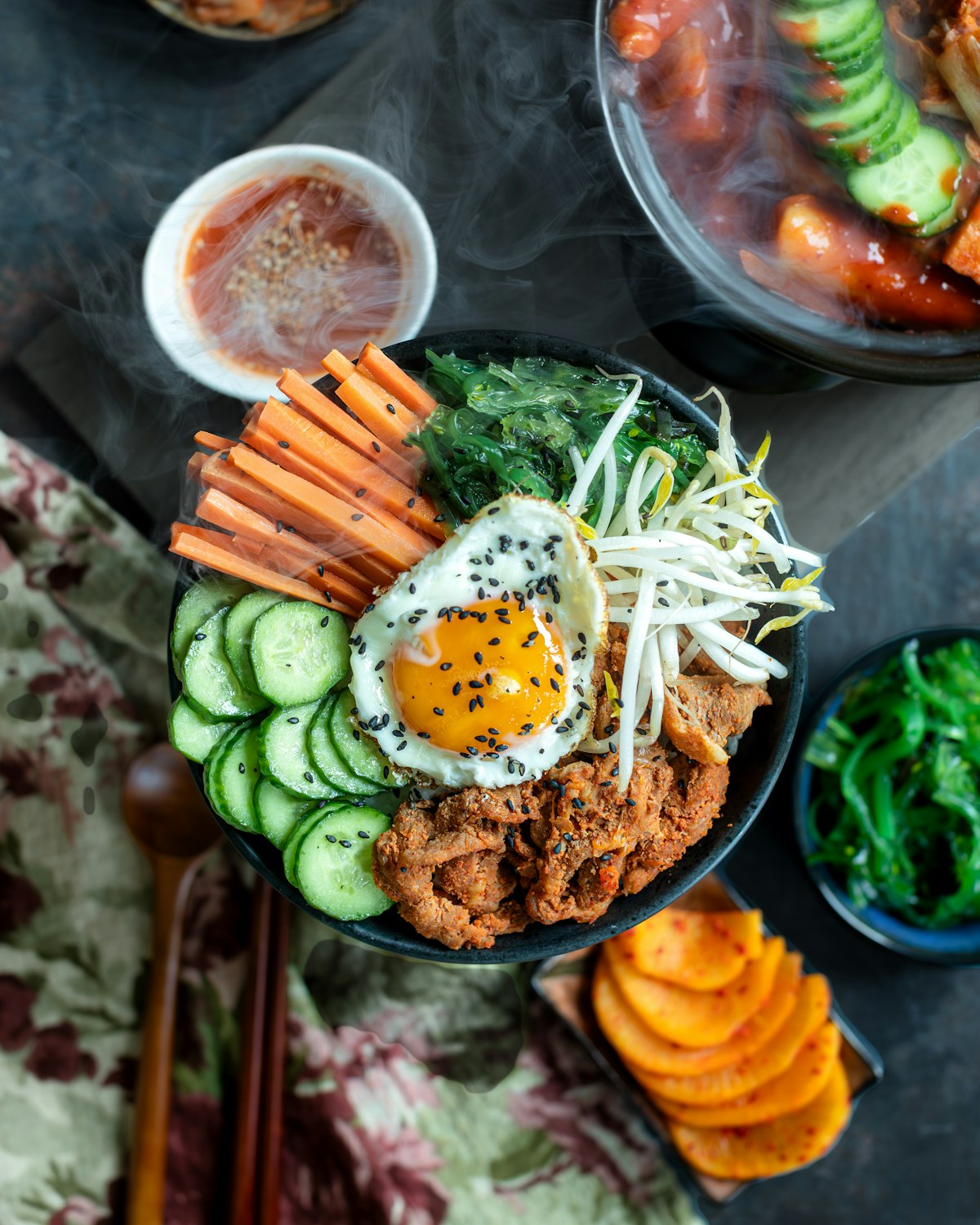
Bibimbap is essentially a rice bowl topped with sauteed vegetables, a fried egg and a generous spoonful of gochujang. It’s endlessly adaptable, which makes it perfect for using up whatever’s in the fridge.
Cook 200g of rice and divide between two bowls. In a hot pan, quickly stir-fry shredded carrots, courgette, spinach and beansprouts separately, seasoning each with a splash of sesame oil and soy sauce. Arrange the veg on top of the rice, add a fried egg with a runny yolk, and finish with a tablespoon of gochujang and a scattering of sesame seeds. Mix everything together before eating. A 60g tube of gochujang from Sainsbury’s costs around £2.50.
Kimchi Fried Rice
This is arguably the simplest Korean recipe you’ll ever make, and it’s a brilliant way to use up leftover rice. Day-old rice works best here because it’s drier and fries more evenly.
Heat a tablespoon of vegetable oil in a large pan or wok. Add 150g of chopped kimchi (around £3 a jar from most supermarkets) and fry for two minutes until slightly caramelised. Stir in 400g of cold cooked rice, a tablespoon of soy sauce and a teaspoon of sesame oil. Fry everything together for three to four minutes, pressing the rice into the pan to get some crispy bits. Serve topped with a fried egg and sliced spring onions. If you like a bit of heat, add a teaspoon of gochujang while frying. The whole thing takes about 10 minutes, and it’s one of those meals that tastes far better than it has any right to.
If you’re looking for more quick weeknight meals, our guide to the best jacket potato toppings has plenty of budget-friendly ideas too.
Korean Beef Bulgogi
Bulgogi means ‘fire meat’ in Korean, and it’s one of the country’s most well-known dishes. Thin slices of beef are marinated in a sweet and savoury sauce, then quickly seared in a hot pan.
For the marinade, mix together two tablespoons of soy sauce, one tablespoon of brown sugar, a tablespoon of sesame oil, two minced garlic cloves and a teaspoon of grated ginger. Slice 300g of sirloin or rump steak as thinly as you can (popping it in the freezer for 20 minutes first makes this much easier) and toss it in the marinade. Leave it for at least 15 minutes, though an hour is better. Sear the beef in a very hot pan for two to three minutes – don’t overcrowd it or it’ll steam instead of caramelise. Serve with rice, lettuce leaves for wrapping, and a drizzle of sesame oil and fresh herbs.
Tteokbokki (Spicy Rice Cakes)
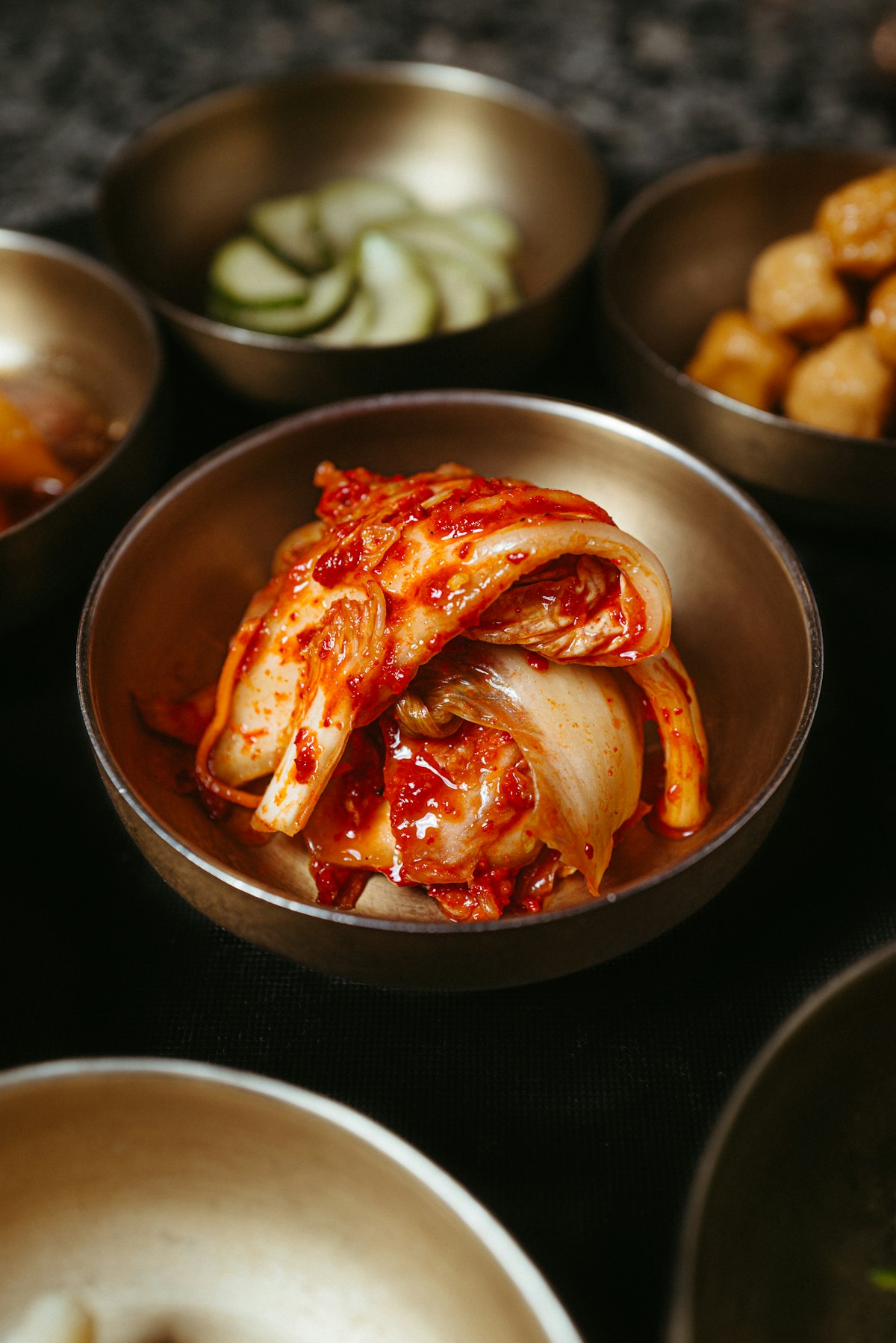
Tteokbokki is Korean street food at its best – chewy rice cakes in a thick, sweet and spicy sauce. It’s incredibly moreish, and the rice cakes have a satisfying bounce that you won’t find in any other dish. You can buy frozen rice cakes from most Asian supermarkets or online for around £3 to £4 per pack.
Bring 300ml of water or anchovy stock to a simmer. Add two tablespoons of gochujang, one tablespoon of gochugaru (Korean chilli flakes – optional but worth it), a tablespoon of sugar and a tablespoon of soy sauce. Stir until the paste dissolves, then add 250g of rice cakes. Cook for eight to ten minutes until the sauce has thickened and the rice cakes are soft and chewy. Finish with sliced spring onions and sesame seeds. Some people add fish cakes or a hard-boiled egg, which is worth trying once you’ve got the basic version down.
Gochujang Chicken Thighs
This might be the easiest recipe on the list. Mix two tablespoons of gochujang with a tablespoon each of soy sauce, honey, and sesame oil. Coat chicken thighs in the mixture and bake at 200°C for 25-30 minutes until sticky and charred at the edges. Serve with rice and a simple cucumber salad dressed with rice vinegar. Chicken thighs work best because they stay juicy, but you could use drumsticks or tofu for a vegetarian version. The marinade also works brilliantly on salmon, just reduce the cooking time to about 12-15 minutes.
Pajeon (Korean Spring Onion Pancakes)
These savoury pancakes are a proper crowd-pleaser. Mix 100g plain flour with 100ml ice-cold water, an egg, and a pinch of salt until you’ve got a thin batter. Slice a bunch of spring onions lengthways, fold them through the batter, and fry in a generous amount of vegetable oil until golden and crisp on both sides. Serve with a dipping sauce made from soy sauce, rice vinegar, a pinch of sugar, and some sliced chilli. They’re brilliant as a starter or alongside other Korean dishes. For a more substantial version, add prawns or squid to the batter.
Where to Find Korean Ingredients in the UK
Five years ago, you’d have struggled to find gochujang outside of a specialist Asian grocery. That’s changed dramatically. Tesco, Sainsbury’s, Waitrose and M&S all stock Korean cooking pastes, noodles and kimchi in their world food aisles. Ocado has one of the widest ranges online, and if you want to go deeper, The Grocer reports that Korean food is one of the fastest-growing categories in UK retail.
For more specialist items like rice cakes, doenjang (fermented soybean paste) or dried seaweed, online shops like SeeWoo and the Korean Food Company deliver nationwide. Prices are reasonable – a 500g tub of gochujang typically costs between £4 and £6 and will last you months.
For another easy at-home recipe trend this spring, have a look at our easy matcha recipes guide.
Frequently Asked Questions
What Korean dishes are easiest for beginners?
Kimchi fried rice and bibimbap are the two best starting points. Both use readily available ingredients, require minimal cooking skill and come together in under 20 minutes. Once you’re comfortable with those, tteokbokki and bulgogi are natural next steps.
Can I find Korean ingredients in UK supermarkets?
Yes. Most major UK supermarkets now stock gochujang, kimchi, Korean noodles and cooking sauces. Tesco, Sainsbury’s, Waitrose and Ocado all have dedicated Korean sections in their world food aisles. For specialist items like rice cakes or doenjang, try online retailers such as SeeWoo.
Is Korean food healthy?
Much of Korean cuisine is naturally nutritious. Dishes tend to be built around vegetables, fermented foods like kimchi (which supports gut health), lean proteins and rice. Kimchi in particular is rich in probiotics, vitamins A and C, and fibre. That said, some dishes can be high in sodium, so it’s worth going easy on the soy sauce if that’s a concern.
What is the difference between gochujang and gochugaru?
Gochujang is a thick, fermented chilli paste with a sweet, savoury and spicy flavour. It’s used as a sauce or marinade base. Gochugaru is dried Korean chilli flakes, which are milder and smokier. They serve different purposes in cooking – gochujang adds depth and sweetness, while gochugaru provides a cleaner heat. Both are available in UK supermarkets from around £2.50 to £6.