
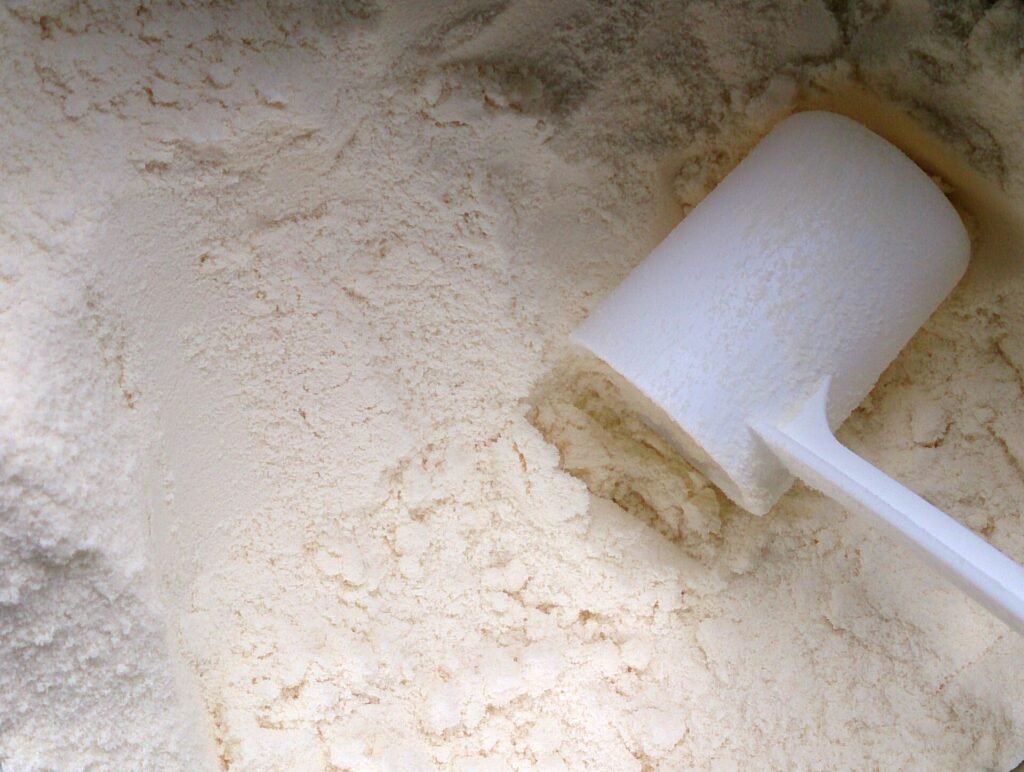
FeaturedHealthHealth & Beauty

Bovine Colostrum Benefits: What 152 Gym-Goers and a Newborn Calf Reveal About 2026’s ‘Liquid Gold’ – And Why Your Scoop Is 20 Times Too Small

Somewhere in Britain this morning, a grown adult stirred a spoonful of a newborn calf’s first meal into a glass of water, paid about £2 for the privilege, and felt quietly virtuous about it. Bovine colostrum – the thick, yellowish milk a cow produces in the first few days after calving – has spent 2026 becoming the supplement everyone’s aunt has suddenly heard of. The list of claimed bovine colostrum benefits grows by the week: immunity, gut health, skin, hair, recovery, focus, and whatever else the caption needs it to be. TikTok calls it liquid gold. The jars are small and frosted, priced like perfume, and they keep selling out.

The evidence is thinner than the marketing. And considerably stranger.

Here’s the short version before we get into it. The most cited trials behind colostrum involve a grand total of 152 people, all of them regular exercisers. Those trials used doses of 10 to 60 grams a day. The fashionable jars give you roughly one gram per scoop. So even if you believe every word of the science – and there are reasons to believe some of it – the product in your kitchen is delivering around a twentieth of the dose that produced the results on the label’s mood board. The best-known American brand charges $120 a jar, and UK wellness retailers have happily imported both the powder and the price tag. Holland & Barrett, to be fair, has quietly stocked unglamorous tubs of the stuff for years, back when the only people buying it were bodybuilders on forums.

Why calves get colostrum – and why you’re not a calf

Colostrum is the first milk any mammal produces, and in cows it’s a genuinely remarkable substance. It’s dense with antibodies – immunoglobulins IgG and IgA – along with lactoferrin, growth factors, enzymes and a hefty protein load. A newborn calf is born with almost no immune protection of its own, and colostrum is how the mother hands hers over.

But the delivery mechanism is the interesting bit. For roughly the first 24 hours of life, a calf’s gut is open – permeable enough to absorb whole antibodies directly into the bloodstream. Farmers obsess over this window because a calf that misses it often doesn’t survive. After a day or so, the gut closes, and that trick is gone forever.

You never had that window for cow antibodies. Your gut closed decades ago. An adult human digestive system treats an immunoglobulin much like it treats a chicken breast: as protein to be broken down. Some IgG does survive the journey through stomach acid better than most proteins – colostrum’s antibodies are surprisingly resistant – but surviving transit isn’t the same as being absorbed intact into your blood to fight infection. Whatever colostrum does for an adult, it’s doing it locally, in the gut, not circulating through your body like a software update.

How liquid gold reached the British high street

Colostrum isn’t new. Dairy farmers have sold the surplus for decades, and sports nutrition brands were pressing it into tablets back when Men’s Health was still a print-first magazine. What changed is the packaging.

The current wave started in America, where the market leader sells a frosted jar of freeze-dried colostrum for $120 and has built the sort of celebrity following that used to attach itself to athleisure brands. British wellness retailers picked it up through 2025, and by this spring the powder had colonised UK gym bags, wedding-prep routines and roughly every third video on my For You page. I first clocked it in April, when a woman at my gym tipped a sachet into her water bottle with the reverence normally reserved for communion.

The price structure tells you what kind of product this is. At the boutique end you’re paying £2 to £3 a day – £70 to £90 a month – for roughly a gram of powder per serving. Meanwhile the unfashionable end of the market, the plain tubs that sit near the protein flapjacks in Holland & Barrett, sells the same substance in 300 gram quantities for a fraction of the per-gram price, with none of the frosted-glass ceremony. Same cows. Same first milking. One of them has a founder who does podcast interviews about ancestral immunity.

Dairy cattle grazing a hillside field in Devon
Image: Wikimedia Commons

The bovine colostrum benefits with real trials behind them

None of which means it does nothing. This is where colostrum gets more interesting than most of the powders it shares a shelf with.

The strongest evidence sits in a 2016 systematic review and meta-analysis by Jones and colleagues, published in BMC Sports Science, Medicine and Rehabilitation. It pooled five randomised controlled trials – 152 participants in total, all people in regular exercise training – and found that colostrum supplementation cut days with upper respiratory symptoms by 44% compared with placebo, and the number of sickness episodes by 38%. For hard-training athletes, who famously catch everything going in the weeks after heavy blocks, that’s not a trivial finding.

There’s also a cluster of small studies suggesting colostrum reduces the gut permeability that heavy exercise causes – the reason some marathon runners’ stomachs fall apart at mile 20. Strenuous exercise, above all in heat, temporarily loosens the junctions between gut cells, and a couple of trials found that around 20 grams of colostrum a day blunted that effect. If you’ve ever abandoned a long summer run for reasons you’d rather not discuss, this is the research aimed at you. In clinical settings, meanwhile, colostrum preparations have been used for children with infectious diarrhoea in lower-income countries, with mixed but real results.

Two caveats before anyone sprints to the checkout. The trials are small – 152 people across five studies is a modest evidence base for a nine-figure global market, and reviewers have graded the study quality as middling at best. And every one of those participants was in structured, heavy training. Not one trial in the meta-analysis looked at ordinary people living ordinary lives, which is precisely who’s buying the jars.

So the honest summary isn’t “snake oil”. It’s narrower and less sellable: a specific benefit, in a specific population, at a specific dose. Which brings us to the problem.

Your scoop is about 20 times too small

Go back to those trials. The doses used across the colostrum research generally run from 10 grams to 60 grams a day, with 20 grams a common figure in the exercise studies. Now pick up one of 2026’s frosted jars and read the serving size. Most give you about a gram. Some less.

Registered dietitians have been pointing this out for a while – Abby Langer’s review of the biggest brand is bracingly direct about the gap between the doses research supports and the dose in the tin. The brands’ response is usually something about proprietary processing making their gram work harder. You can decide how convinced you are by that.

And run the arithmetic the other way, because it’s where this gets silly. At boutique-brand prices, a research-scale 20 gram daily dose would cost you somewhere north of £40 a day. Nobody is paying that. So the market has settled on selling a dose with no trials behind it, at a price that implies it’s precious, to people who read about trials done at twenty times the amount. The old agricultural-grade tubs – the ones that taste faintly of malted milk and come with a scoop the size of a coffee measure – at least get you into the right dosing territory, at the cost of feeling like you’re prepping a calf feed. Which, in a sense, you are.

Runners setting off through a tree-lined UK park - the trials behind bovine colostrum benefits were all done on people in regular training
Image: Wikimedia Commons

The marketing went somewhere it shouldn’t

Colostrum’s rise has followed the same arc as every trend supplement of the past few years: a kernel of real science, a wildly extrapolated claims list, and eventually a line that crosses into trouble. Dietitians reviewing the category have flagged marketing that implied colostrum could stand in for a flu jab – a claim with no trial anywhere near it, and a dangerous one to whisper at people making decisions for elderly parents or asthmatic kids.

In the UK, food supplements can’t legally make medicinal claims, which is why labels lean on the great weasel verb “supports”. Your immune system is “supported” the way a lamppost supports a drunk. We’ve watched this pattern before – ashwagandha’s claims ran so far ahead of its safety data that Denmark banned it, and NMN was selling longevity to Britain’s biohackers while regulators were still arguing about whether it was legal to sell at all. Colostrum is unusual only in that the underlying science is a bit better than average. The gap between evidence and Instagram is the same width as ever.

There’s a quieter issue too. Researchers writing in The Conversation have called adult colostrum supplementation a gamble, and part of their point is about what we don’t know: long-term data on adults taking concentrated growth factors like IGF-1 day after day simply doesn’t exist. Probably fine. But “probably fine” is a strange thing to pay £90 a month for.

Who might actually get something out of it

Here’s my read, and it’s more generous than you might expect by this point. If you’re training seriously – proper endurance volume, a marathon build, that sort of thing – and you reliably go down with two or three colds every winter, colostrum at a real dose is one of the few trendy supplements with a plausible, trial-backed case. The URS data was collected in people like you. I’d rate it above almost everything else in the wellness aisle for that narrow use, greens powders very much included.

That’s the contrarian bit. Now the exclusions, because they matter more.

If you have a dairy allergy, colostrum is simply off the table – it’s the most concentrated dairy product you can buy. The lactose content also varies enough between brands that intolerant guts should be wary. If you’re pregnant, there’s no meaningful safety data, so don’t. If you’re vegan, this is milk, whatever the branding implies. And if you’re a generally healthy person who catches the odd cold and wants an “immune upgrade” – the actual target market, judging by the adverts – there isn’t a single trial showing it does anything for you at all. The NHS’s boring, evergreen advice that most people get what they need from a normal varied diet has survived every supplement trend since it was written. It’ll survive this one.

One more group deserves a mention: anyone immunocompromised, on immunosuppressants, or managing a serious condition who’s been told by a wellness account that colostrum will “rebuild” their defences. Talk to your consultant, not a supplement brand. The people with the most riding on their immune systems are exactly the people this marketing finds, and exactly the people the trials never included.

A large tub of whey protein next to a small tub of creatine powder
Image: Wikimedia Commons

What I’d spend the £90 on instead

If the goal is fewer sick days and a settled gut, £90 a month is an embarrassment of riches. A decent whey protein – which, incidentally, contains its own small amounts of lactoferrin and immunoglobulins, being made from the same milk – costs about £25 and helps you hit the protein target most Britons actually miss. Creatine remains the rare supplement the evidence actually backs, at roughly a fiver a month. A big pot of kefir from the supermarket does more documented work for your gut than a gram of freeze-dried anything. That leaves change for a flu jab if you’re not eligible for a free one, which does the job colostrum’s marketing only gestures at.

Or, radical option: bank it. We’ve run the numbers before on what £97-a-pouch greens powders actually buy you, and the conclusion holds here. The supplement industry’s great talent is converting your anxiety about winter into recurring revenue. Colostrum is its most elegant product yet – a substance that really is miraculous, for a customer that really isn’t you.

I’ll admit the jars are lovely, though. Mine sits on the shelf half-finished, next to the mushroom coffee from last year’s version of this exact article.

Have you been taking it? I’d honestly like to know – did colostrum do anything for you that a decent whey and an early night wouldn’t have done cheaper?

Amara Osei

Amara Osei writes about health, fitness and wellbeing, with a particular interest in how wellness trends cross over from social media into mainstream UK culture. Before moving into journalism she worked as a personal trainer in London, and she still treats every new fitness product with the suspicion of someone who's had to hold a plank in a church hall at 6am. She has a degree in Sports Science from Loughborough and writes regularly on sleep, supplements, recovery and the realities of fitting exercise into a busy week.

Leave a Reply

Your email address will not be published. Required fields are marked *