The Big Light Is Dead: How Living Room Lighting Became Britain’s Favourite Argument – And the £9 Fix Before the Nights Draw In
Flick the big light on in the wrong living room and you’ll feel the mood curdle. At some point in the last few years, living room lighting became one of Britain’s most dependable domestic arguments – ahead of the thermostat, only just behind whose turn it is to empty the dishwasher. When the energy supplier Egg polled the country on it, 46% declared themselves firm believers in leaving the big light off. Just 14.5% admitted to using it regularly. The rest of us live in the guilty middle: on for the hoovering, off the second the doorbell goes.
In This Article
- How the ceiling light became a social sin
- What the numbers say about the argument
- The sleep science, read properly
- The five-lamp living room
- Where the lamps go: steal the hotel trick
- Living room lighting for under £60: what the money buys
- In defence of the big light
- Getting the room ready for the dark months
And the timing matters more than usual now. Sunset in London is already before seven, and at about 4.40pm on Sunday 25 October it goes down for good until March. Lamp season is here, and there’s a £9 way into it.
How the ceiling light became a social sin
Most British living rooms were wired with exactly one lighting circuit: a single pendant, dead centre of the ceiling, wearing whatever shade came with the house. For decades that pendant held a 100-watt incandescent bulb, which threw out warm, yellowish light because it couldn’t do anything else. It wasn’t subtle. But it wasn’t cold, either.
Then incandescent bulbs were phased out, energy bills did what they did, and the nation restocked its bulb drawer from supermarket multipacks – which is where the wrong turn happened. Those multipacks lean heavily towards “cool white”, which sits around 4000K on the colour temperature scale, against the 2700K of the old bulbs. Screw a 4000K bulb into a bare-ish ceiling pendant and you’ve recreated the lighting of an NHS waiting room in your own front room: one source, straight down, no soft shadows, and a colour that makes everyone look like ham. Small wonder a generation decided the fitting itself was the enemy and switched to lamps in protest.
Here’s the bit the argument keeps missing. The fitting took the blame, but the bulb did the crime.
What the numbers say about the argument
Egg’s survey is a lovely piece of seemingly pointless research that turns out to be a decent map of the national mood. Beyond the headline figure, it found the anti-big-light resistance strongest in Liverpool and Leeds, while London, Leicester, Birmingham and Cambridge came out as the country’s most committed switcher-onners. Nobody has offered a convincing theory for the geography. I’m guessing here, but my suspicion is rental stock – once you’ve lived under enough landlord paper shades, you learn to reach for a lamp early.
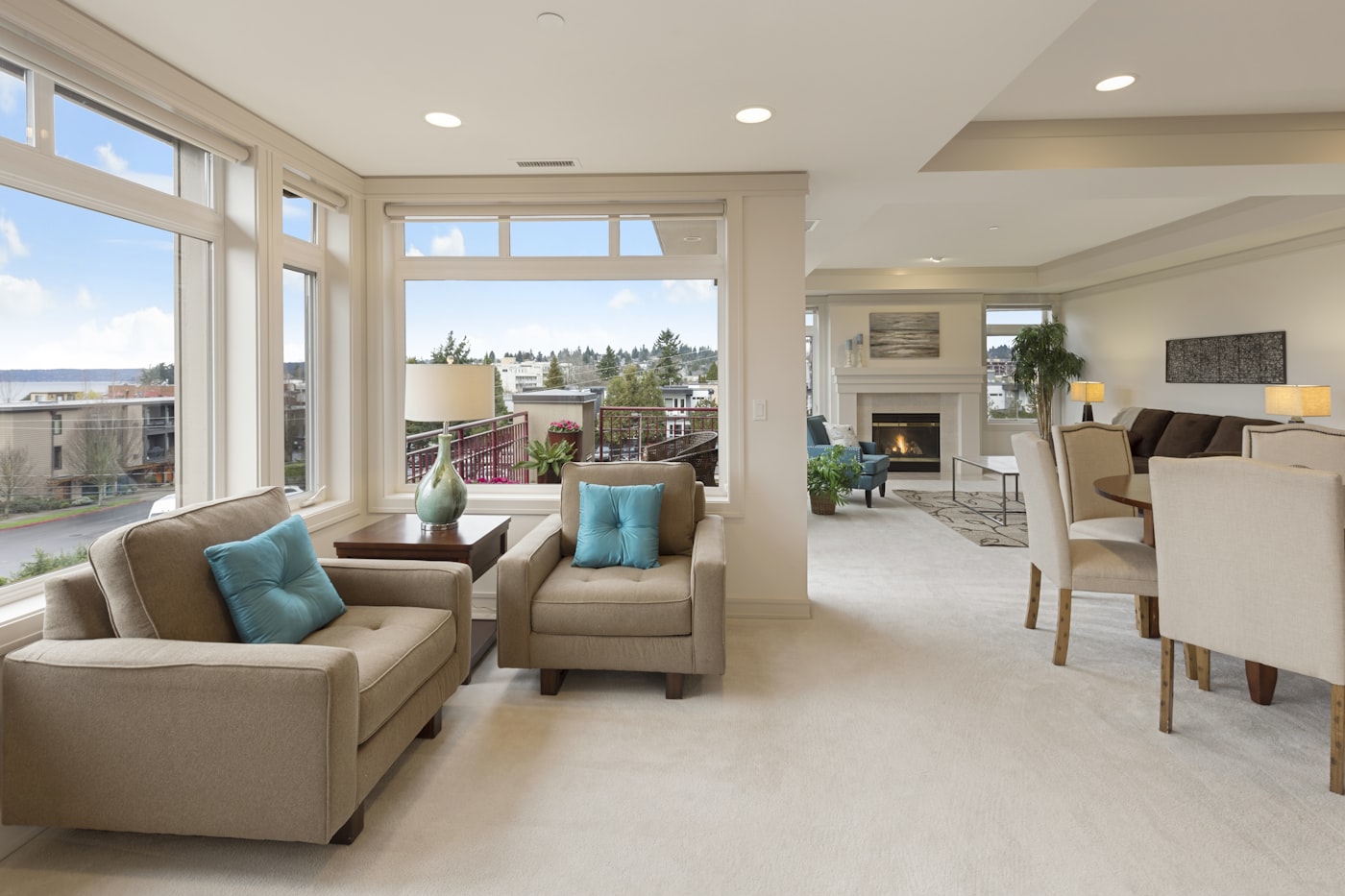
There’s real science underneath the squabble. A ceiling fixture is a single bright source above eye level, which is glare, which your eyes read as discomfort long before your brain works out why. It also lights the whole room evenly, and evenly lit rooms feel like offices; the eye wants pools of light and shadow to give a space depth. Brightness is part of it too – a big light setup can push out well over 1,500 lumens, while a table lamp sits nearer 400 to 800, which is closer to what an evening body clock wants. Dim, warm light after dark is the standard sleep advice for a reason.
There’s a generational flavour to it as well. “Little lamps” has been a running joke online for a couple of years now – the ritual round of switching on five small lights instead of one big one has become shorthand for having your life together, in the way that a Sunday reset video or a decanted fridge used to be. Ask someone under 35 about “nice lighting” and they’ll know exactly what you mean. Ask their dad and he’ll tell you he can’t see his crossword.
The sleep science, read properly
The sleep argument gets repeated a lot, so here’s what the research found rather than what the captions say. A 2020 study in Scientific Reports, led by Sean Cain at Monash University, measured evening light in people’s own homes with a wearable spectrometer rather than in a lab. Nearly half the homes were bright enough in the evening to cut melatonin by 50%. The range between individuals was enormous – from no suppression at all to 87% under the same average home – and more evening light than a person’s own norm went with more time awake after going to bed. That’s a real effect, measured in real living rooms, and it’s the strongest evidence the anti-big-light lot have.
But read it again. The study measured how much light reached the eye. It didn’t measure whether that light came from the ceiling or a table. A 1,521-lumen “100W equivalent” bulb in a lamp at eye level next to the sofa puts more light into your retinas than a dim pendant three metres up. I’ve sat in plenty of lamp-only living rooms that were brighter at eye height than the big light ever was, because someone bought the brightest bulbs in the shop and pointed them at their own face. So the rule isn’t lamps versus ceiling. It’s how much light, what colour, and where it lands. Get those wrong and a room full of lamps is just a bigger big light in five pieces.
The five-lamp living room
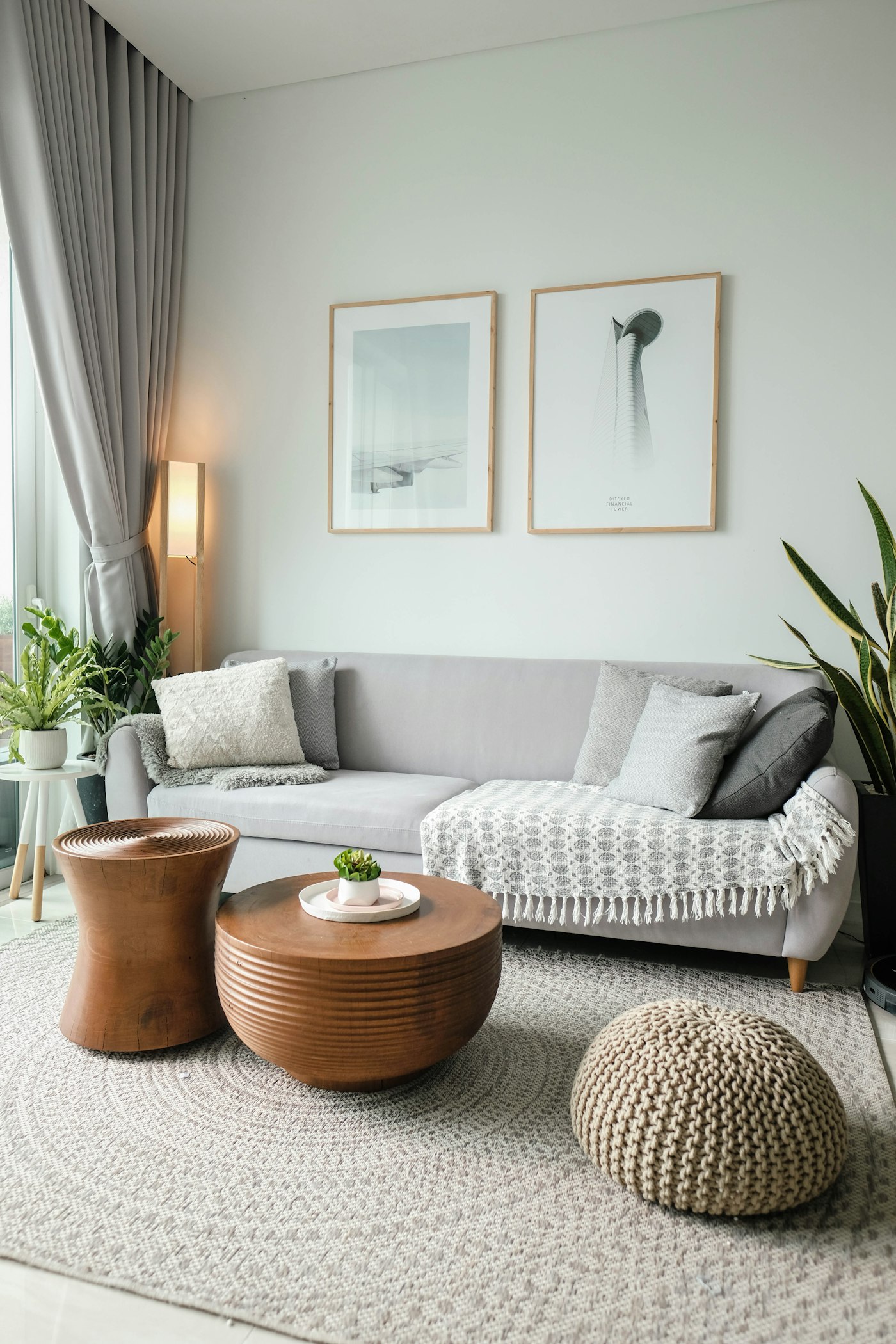
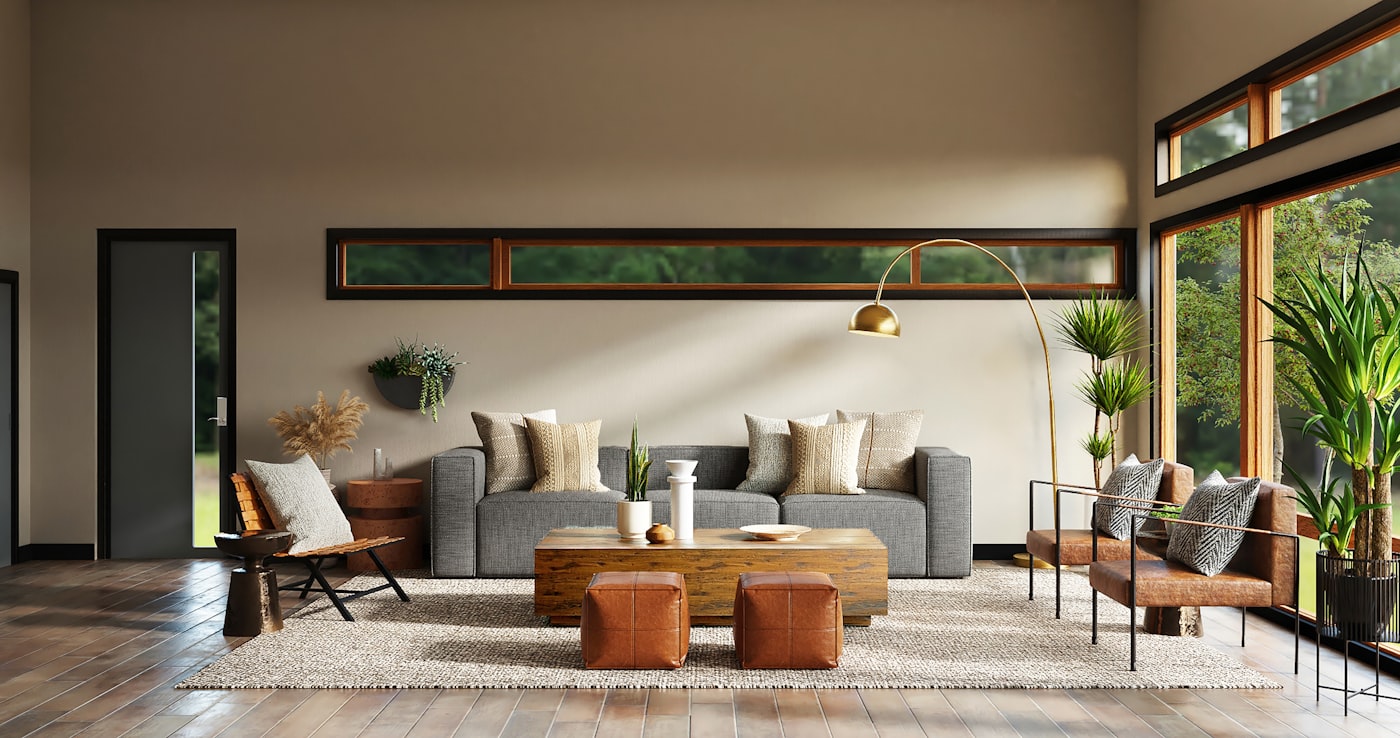
What replaced the pendant isn’t one lamp. It’s a layering habit: a reading lamp by the chair, something warm on the sideboard, a floor lamp rescuing the dead corner, and – the connoisseur’s move – a small light tucked behind the telly. That last one has a proper name, bias lighting, and it softens the contrast between a bright screen and a dark wall so your eyes don’t have to work as hard through a four-episode October evening. Keep most of it below eye level and the room instantly reads as somewhere to stay put.
The trend industry has noticed which way this is going. Ideal Home’s lighting trends for 2026 are all lamp-shaped: aged metals and brushed brass, fabric shades in linen and jute that filter light rather than bounce it, and bases with soft, wavy silhouettes. It slots neatly into the wider softening of British rooms – the same instinct behind colour drenching, where walls, skirting and ceiling all get the same moody shade, and the reason Britain’s floors are going soft again. Hard grey minimalism is being quietly walked out of the building.
Renters aren’t locked out of any of this, by the way. Rechargeable cordless lamps – every high-street homeware brand now does one for £25 to £40 – will sit on a shelf that’s nowhere near a socket, and plug-in wall lights hang off a single picture hook. No rewiring, no lost deposit.
One caveat on the cordless ones, because every autumn lookbook this year has one on a shelf. Dunelm’s Keko rechargeable touch lamp is £20, charges in four hours, runs for six to eight, and puts out 180 lumens. That’s a candle and a half. It will light a bookshelf, a mantelpiece or a dinner table where everyone’s face is close, and nothing else. M&S’s £95 alabaster version does the same job with a lovelier glow; Pooky’s rechargeable pieces run from about £116 to £183; the Zafferano Poldina on every restaurant table in Soho is north of £150. All of them are accent lights, and the ones that claim to light a room are lying. Batteries age, too – a cell that runs eight hours in year one runs five in year three, and the lamp becomes something you charge on the worktop and forget on the shelf. Buy one, for the one spot with no plug. Don’t build the room around them.
Where the lamps go: steal the hotel trick
Owning lamps and placing lamps are different skills, and the second one is why a hotel bar feels expensive at 9pm. The trick is embarrassingly simple: light the edges, not the middle. Aim for a rough triangle of light around the room – one source left, one right, one deep – so that wherever you sit, there’s a warm pool in your eyeline and darkness somewhere behind it. Corners matter most. An unlit corner reads as a smaller room; put a floor lamp in the deadest one and the walls appear to move outwards.
Heights are the other half of it. If every light in the room sits at the same level, the effect is oddly flat no matter how many you’ve bought, so stagger them: something at ankle height, a couple at table height, one tall. A lamp in front of a mirror is the oldest cheat in the book and still works – you get the glow twice for one bulb. And resist the urge to point anything at the sofa. Light for the room to look at, not to sit under; the reading chair gets the one exception.
None of this costs anything. It’s the same four lamps, moved.
Living room lighting for under £60: what the money buys
Start with the cheapest good lamp in Britain. IKEA’s TÄRNABY – the £9 one shaped like an old kerosene lamp, with the exposed amber bulb and a built-in dimmer – has quietly become a bit of a cult object, and Ideal Home called it underrated for good reason. Turned low on a shelf it does about 80% of what a £200 designer lamp does. I put one on the hall table in January and the big light out there hasn’t been touched since.
The second-best buy in the same aisle is the one nobody photographs: the TÅGARP uplighter, an ugly-ish £10 floor lamp that bounces light off the ceiling and back down, softly, which is what the big light was supposed to do all along. Put it in the corner behind the telly. Skip FADO, the £19 glass globe everyone does photograph – a bare bulb inside plain glass at eye level is a glare machine, a bedroom lamp pretending to be a living room lamp. A TÅGARP in the corner, a TÄRNABY by the sofa, a £15 ÅRSTID on the other side and a £7 GRÖNÖ low on the bookshelf comes to £51 off IKEA’s UK site this week: four points of light for about what a Friday takeaway for four costs. You’ll want a four-gang extension lead from Screwfix for about £6, because the sockets are never where the lamps want to be.
Then sort your bulbs, because this is where most rooms are quietly going wrong. Check the box for two things: “warm white” and 2700K (some brands label it 2200K for an even more candlelit look – also fine). Anything marked cool white, daylight or 4000K and above belongs in a garage. A pair of decent warm LED bulbs costs under a tenner in any supermarket, and swapping them into the lamps you already own is the single cheapest improvement in home decor. That’s the £6 version of this entire article.
Smart bulbs are worth it if you want the whole room to shift from bright to amber at 9pm without getting up. Wiz tunable white bulbs run about £11.99 each, colour ones £14.99, and they connect straight to your wi-fi with no hub. IKEA’s new KAJPLATS range undercuts both: a 1,055-lumen white-spectrum bulb that slides from 2200K to 4000K is £6, a BILRESA remote is £3, and the bulb pairs straight to it without the £70 hub. And then there’s Philips Hue, which every guide recommends and which I think most living rooms should skip: £14.99 for the basic white bulb is fair, but the £50-odd Bridge that unclogs its best features means you’re £100 deep before the second lamp is lit. Hue makes sense when you’re wiring a whole house into scenes and automations. For one living room, Wiz does the job at a third of the cost.
Two warnings from bitter experience before you head to the till. First, if a lamp has a built-in dimmer – the TÄRNABY does – it needs a bulb marked “dimmable”, or you’ll get a flicker like a haunted house; plenty of cheap LEDs aren’t, and the box admits it only in small print. Second, if you’re buying secondhand bases, give the flex a proper look. A frayed cord or a plug that’s been replaced with electrical tape isn’t a bargain, it’s a job for someone who charges £40 an hour. A wobbly base and a scorched shade, on the other hand, are fine: shades are the cheapest part to replace and half the reason old lamps get donated at all.
While you’re reading boxes, learn the two numbers that matter. Kelvin is the colour (2700K and below for living spaces, as above), and lumens are the brightness – around 400 to 500 per lamp is right for atmosphere, 700 to 800 for a reading light. Ignore the watts; on an LED box the wattage tells you about the electricity bill, not the light. Four £3 bulbs bought on those two numbers will beat one £25 “designer” bulb bought on vibes.
A worked basket, since price caps are this site’s love language: TÄRNABY at £9, a secondhand lamp base for £8 from a charity shop (or something older and better – the antiques market is absurdly cheap right now), a new fabric shade for £15, and two Wiz bulbs at £24. That’s £56 for a room that looks like it was done on purpose.
In defence of the big light
Now the unfashionable bit: the big light deserves a partial pardon. Try hoovering by the light of four table lamps. Try finding a dropped earring, or checking whether the carpet is stained or just shadowed, or reading small print on a Friday night form. There’s an age dimension the lamp lobby politely ignores, too – lighting engineers reckon a 60-year-old needs roughly two to three times as much light as a teenager for the same task. Team Big Light isn’t wrong. It’s just been given terrible equipment.
The designers Homes & Gardens interviewed about the debate mostly land in the same place: the ceiling light is fine as one layer among several – dimmable, warm, wearing a shade that actually diffuses. So don’t rip the pendant out. Put a warm dimmable bulb in it, hang a fabric shade that hides the bare bulb, and demote it from main character to understudy. It gets used for cleaning, lost keys and jigsaws; the lamps do the evenings.
Getting the room ready for the dark months
The running costs are almost funny. Five lamps wearing 8-watt LED bulbs draw 40 watts between them; five hours of that is 0.2 units of electricity, which at current unit rates is about 5p an evening. Rough sums, but the order of magnitude is right – your kettle spends more on one round of tea. The one genuine saving is the old 300W halogen uplighter still lurking in some spare rooms: five hours of that is about 40p a night, close to £12 a month, and swapping it for a £10 TÅGARP with a £5 LED in it pays for itself before the clocks go forward. With Ofgem’s October price cap landing soon, lighting is one of the few corners of the house you can make nicer and barely notice on the bill.
September is the month to do it. The same logic applies here as to booking the chimney sweep now: sort the cosy infrastructure before everyone else remembers it exists and the good stuff sells through.
Lighting is only half of how a living room reads after dark; the other half is the window, and our guide to curtain trends for 2026 explains why the pelmet is back and the eyelet is on its way out.
The clocks go back on 25 October. Somewhere around then, every living room in Britain will make its choice for the winter – the flat white glare of the ceiling, or four or five little pools of amber. You already know which room you’d rather be sitting in. The only question left is whether you’ll have sorted the lamps by then, or whether you’ll be standing in a picked-over IKEA lighting aisle in November, wondering where all the £9 lamps went.