
Mercury Prize 2026: Why Britain’s £25,000 Album Award Sounds Better in Newcastle
At half ten on Thursday morning, someone on 6 Music will read out twelve album titles, and by lunchtime a decent chunk of British music will be quietly furious about at least four of them. The Mercury Prize 2026 shortlist arrives on 30 July, announced live on BBC Radio 6 Music and BBC Sounds, and for the second year running the whole circus points north: the winner will be crowned at Newcastle’s Utilita Arena on 22 October, with tickets on general sale now. London, for the second consecutive autumn, doesn’t get a look-in.
In This Article
- Mercury Prize 2026: the dates, the tickets and the small print
- Why Newcastle gets to keep it
- The Sam Fender problem (a good problem)
- What winning actually does (and doesn't do)
- A jury built from radio, not broadsheets
- Who should be sweating on Thursday
- An arena is an odd home for an album prize – which is exactly why it works
Good.
That last word needs defending, so here’s the case. The Mercury spent three decades as a London dinner that the rest of the country watched through a keyhole. One year in Newcastle put nearly 8,000 visitors into the city and £874,724 through its tills, according to figures reported by NME. And it gave the prize something it hadn’t had in years: a crowd that actually wanted to be there.
Mercury Prize 2026: the dates, the tickets and the small print
The shortlist – twelve ‘Albums of the Year’ by British or Irish artists – goes out live on BBC Radio 6 Music and BBC Sounds from 10.30am on Thursday 30 July. The awards show follows on Thursday 22 October at the Utilita Arena in Newcastle, an 11,000-capacity venue that normally hosts arena rock and ice hockey, with live performances from many of the twelve shortlisted acts and the winner announced at the end of the night. BBC Music carries the broadcast.
Tickets are on general sale now through AXS, the prize’s official seller, per Newcastle City Council, which is partnering on the event for the second year. If last October is any guide, waiting is a mistake – the 2025 show pulled visitors from all over the country, and this one has a bigger reputation to trade on.
The eligibility window covers albums released between 30 August 2025 and 17 July 2026, which means anything that dropped this spring is in play and anything arriving in August isn’t – a quirk that catches out at least one big release every year. The winner takes home £25,000. Hold that number in your head, because it’s the least interesting thing about the prize and somehow also the point.
If you can’t make Newcastle in October, the shortlist morning itself has become a fixture worth planning around. Thursday’s announcement runs live on 6 Music from half ten, and the station typically spends the rest of the day playing through the twelve records while everyone argues about the omissions. It’s the closest thing British music has to results day.
Why Newcastle gets to keep it
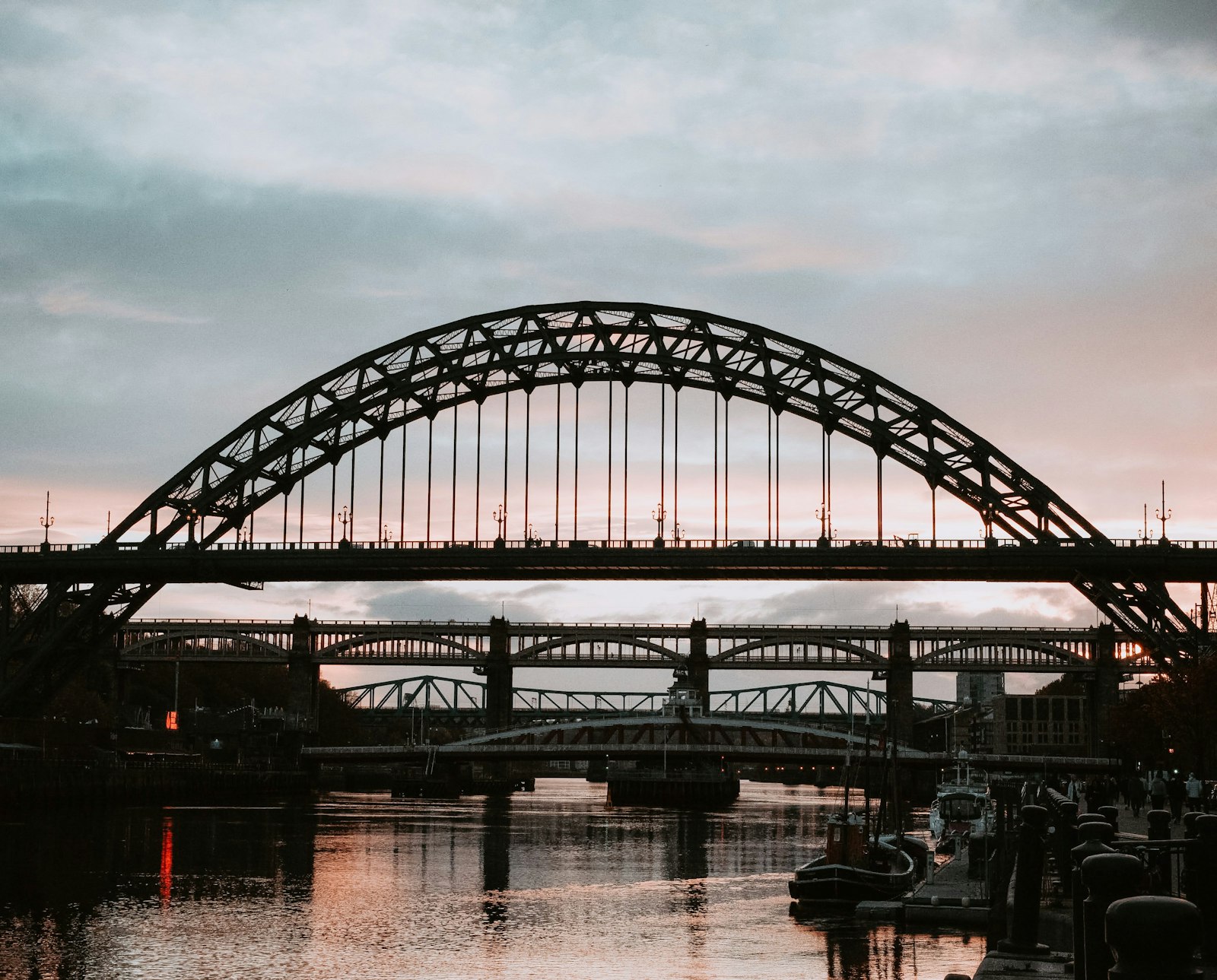
For 32 years the Mercury never left London. Then in 2025 it moved to Newcastle, and the numbers that came back were the kind councils frame and hang in reception: £874,724 in combined visitor spend, an estimated £552,868 added to the regional economy, and 35 local people gaining work experience off the back of one Thursday night.
But the better argument isn’t economic. In London, the Mercury was one industry evening among hundreds, wedged into a calendar that also contains the Brits, the fashion weeks and whatever’s on at the O2 that night. In Newcastle it’s an occasion the whole city arranges itself around. Maia Beth, the Radio 1 presenter returning to host the prize’s red carpet and artist interviews, put it plainly: “Having it in Newcastle brought attention to a place I’m so proud of, and I can’t wait to be back celebrating the best music in the best place.”
Here’s the opinion bit, and I’ll stand behind it: the Brit Awards shift more tickets, pull bigger sponsors and get more tabloid coverage, and the Mercury matters more than all of that put together. One is a marketing exercise with a live audience. The other is the only night of the year when a jazz quintet, a debut indie band and an arena headliner compete on level terms for the same cheque. Moving it out of London is the best decision the prize has made since it stopped giving Radiohead the runner-up slot.
It also passes a simpler test: would anyone miss it? Strip the Mercury out of the London calendar and the city would barely register the loss. Take it away from Newcastle now and you’d have a civic argument on your hands. My mate in Gateshead, who couldn’t name three Mercury winners before last year, watched the whole 2025 ceremony because it was happening up the road – and that, more than any spreadsheet, is what an award for new British music is supposed to do.
The Sam Fender problem (a good problem)
Last year’s ceremony ended with about as perfect a piece of theatre as an awards show can produce: a North Shields songwriter winning the country’s biggest album prize twenty minutes from his front door. Sam Fender took the 2025 award for ‘People Watching’, beating Pulp, Wolf Alice, CMAT and Fontaines D.C. – who, incidentally, headline Reading and Leeds next month, which tells you something about how quickly Mercury also-rans stop being also-rans.
“I didn’t think that was going to happen at all,” Fender told the BBC on the night, admitting he’d “spent the last 10 minutes crying”. The judges called the record a “classic album” with “cohesion, character and ambition”. It had already sold 107,000 copies in its first week – the fastest-selling album by a British artist since Harry Styles’ ‘Harry’s House’ in 2022 – so this wasn’t the Mercury doing its usual job of introducing the winner to the public. It was the prize confirming what the public already knew.
And then Fender gave the £25,000 away, handing the lot to the Music Venue Trust to support small gig venues. Which rather sharpens the question of what the prize money is for. Twenty-five grand doesn’t change an arena act’s life. It absolutely changes the life of a debut band on an independent label – roughly a year of not having day jobs.
The 2026 edition can’t repeat the hometown fairy tale, and it shouldn’t try. What it needs is the other kind of Mercury night: the one where the room finds out about somebody.
What winning actually does (and doesn’t do)
The list of past winners reads like a fair history of British music’s last three decades: PJ Harvey (twice, still the only artist to manage it), Arctic Monkeys, Young Fathers, Dave, Little Simz, Wolf Alice, Ezra Collective, English Teacher. Some of those acts were already enormous when they won. Others were transformed by it.
And that second group is where the prize earns its keep. Ezra Collective went from cult live act to major venues and a Brit to their name. English Teacher’s 2024 win took a debut album on an independent label and put it in front of the whole country in a single evening. When the Mercury anoints a record people already own, it’s a pleasant bit of ceremony. When it anoints one they don’t, it redraws somebody’s next five years.
There’s a lazy bit of received wisdom that says the opposite – the so-called Mercury curse, the idea that winning sinks careers. It doesn’t survive contact with the winners list. What people call a curse is usually just a left-field record getting a bigger spotlight than its maker wanted, and the discomfort that follows. That’s not a flaw in the prize. That’s the prize working.
Worth remembering, too, that the judges aren’t picking a career. They’re picking an album, from one twelve-month window, argued over in a room until somebody gives in. Treating the result as a verdict on anyone’s future is where the discourse usually goes wrong – and it’ll go wrong again this year, about twenty minutes after the envelope opens.

A jury built from radio, not broadsheets
The judging team announced this week is striking for what it’s made of. The chair is Jeff Smith, Head of Music for Radio 2 and 6 Music. Around him sit Jamie Cullum (Radio 2), Sian Eleri (Radio 1), AFRODEUTSCHE (Radio 3 Unwind and 6 Music), Danielle Perry (Absolute Radio and Jazz FM), MistaJam, broadcaster and writer Sophie Williams, music programming consultant Lea Stonhill – and, holding up the print end more or less alone, The Times’ chief rock and pop critic Will Hodgkinson and Kerrang! creative director Phil Alexander.
That’s a panel that skews heavily towards people whose day job is deciding what gets played, not what gets praised. You can read that two ways. The nervous reading: radio people have playlists to protect and a professional instinct for the broadly likeable, which could produce a safe list. The generous reading: nobody hears more new British music in a year than the people programming it, and the Mercury’s best recent calls – Ezra Collective, English Teacher – were hardly safe.
I lean generous, with one caveat. A great Mercury shortlist should contain at least four records that send you straight to the search bar. The worst lists in the prize’s history aren’t the controversial ones – they’re the respectable ones, where every name was already on daytime rotation. If all twelve titles on Thursday are records you’ve heard of, something’s gone wrong.
Who should be sweating on Thursday
Honestly, nobody outside the judging room knows the twelve, and I’m not going to pretend otherwise. But the eligibility window – late August 2025 to mid-July 2026 – takes in a strong British year, and a few things seem worth saying.
RAYE’s ‘This Music May Contain Hope’, the 73-minute statement piece we reviewed in March, is exactly the kind of ambitious, album-shaped album this prize exists to reward, and its absence would be the morning’s first argument. The London jazz players who’ve spent the decade outgrowing the underground usually land at least one slot, and deserve two. And history says clear your diary for one complete unknown: English Teacher were a word-of-mouth concern before 2024; Ezra Collective were a live band with a cult following before the prize made them a headline act.
The other thing to watch on Thursday is genre spread. The prize takes pride in setting folk next to grime next to post-punk, and the make-up of the twelve is usually a decent temperature check on where the industry thinks the energy is. A list heavy on guitar bands says one thing; a list where half the entries came out of the UK’s rap, jazz and electronic ends says another. My hunch – and I’m guessing here, cheerfully – is the latter. The most interesting British records of the past year haven’t been made by four blokes with amps.
Betting on the Mercury is a mug’s game. That’s the appeal.
An arena is an odd home for an album prize – which is exactly why it works
There’s something faintly absurd about 11,000 people filling a hockey arena to celebrate the album, a format the industry has spent fifteen years telling us is dead. Except the evidence keeps refusing to cooperate. Vinyl sales keep climbing. Listening bars – rooms where people pay to sit and hear records in full – are opening across British cities faster than pubs are closing. The album didn’t die; it just stopped being the default and became a choice.
The Mercury show is the live version of that choice. It’s not a greatest-hits night. Acts play material from the shortlisted records to a room that has, in many cases, bought tickets before knowing who’s on the bill. That’s a strange, trusting transaction, closer in spirit to queueing for an £8 Proms ticket than to anything else in British live music: you’re buying the institution, not the line-up.
Thursday’s twelve names will tell us what kind of year the judges think British music has had – cautious or curious, familiar or new. The ceremony in October will tell us whether Newcastle’s version of the Mercury is a clever relocation or the start of the prize meaning something bigger outside the M25. My money’s on the second.
So, before the judges spoil it for you: which album from the last twelve months would you hand the £25,000 to?