Food Warming Tray for Christmas Dinner 2026: The £45 Buffet Server I’d Buy This Black Friday, and the 63C Number No Box Prints
Every Christmas dinner I’ve ever cooked has gone wrong at the same moment: about twenty minutes before serving, when the turkey’s resting, the roast potatoes need the top shelf at full whack, and there’s nowhere left to put the red cabbage, the pigs in blankets, the bread sauce and the third tray of parsnips. A food warming tray is the cheapest fix for that bottleneck I’ve found, and this Black Friday the decent ones sit between about £30 and £60. But there’s a number missing from almost every box, and it matters more than the wattage.
In This Article
- What a food warming tray actually does at Christmas
- The 63C problem nobody prints on the box
- Four types of food warming tray, and the two worth buying
- What your money buys, from £30 to £105
- Running costs: pennies, not pounds
- Is Black Friday the day to buy one?
- Before you order: the checks that save a return
That number is 63C. It’s the temperature UK food safety rules use for keeping cooked food hot, and very few home warming trays tell you whether they reach it.
What a food warming tray actually does at Christmas
Strip away the marketing and there are two jobs. One is holding cooked food at serving temperature for an hour or two while everything else catches up. The other is keeping a buffet warm while people graze, which is what most of these products were designed for and why so many of them are called “buffet servers” rather than warming trays.
For Christmas dinner, the first job is the one that counts. You want somewhere to park finished dishes so the oven can be cranked up for the potatoes and Yorkshires, and you want those dishes to be as hot at 2.30pm as they were at 2pm. A warming tray doesn’t cook anything. It won’t rescue a lukewarm dish, and it won’t crisp anything up; put roast potatoes under a plastic lid and they’ll steam themselves soft within half an hour. I learnt that the hard way two Christmases ago, with a tray of potatoes that went in golden and came out looking like they’d been boiled.
So the honest pitch is narrow. It’s a parking space with a heater. For anything wet or saucy – gravy, red cabbage, cauliflower cheese, bread sauce, stuffing, peas – it works brilliantly. For anything that’s meant to be crisp, it’s the wrong tool, and you’re better off leaving those in the oven until the last minute.
The 63C problem nobody prints on the box
The Food Standards Agency’s guidance for food businesses says hot food should be held at 63C or above. There’s a small allowance: cooked food can sit below 63C for up to two hours, once, before it should be eaten, chilled or thrown away. That’s the rule a café works to, not a family kitchen, but the science behind it doesn’t change when it’s your mother-in-law’s stuffing on the sideboard.
Here’s where it gets awkward. Most budget buffet servers just say “variable temperature” and give you a dial with no numbers on it. The Quest 16510 at Currys, one of the most common models in UK homes, lists 300W and a temperature dial, and nothing in degrees. The VonShef four-tray sold through Tesco’s marketplace says “variable thermostat dial”, again with no maximum. Where a figure is given, it varies wildly: the Aldi Ambiano electric Lazy Susan heats to 60C, while the English Electric round hot tray claims 145C.
Sixty degrees sounds close enough. It isn’t, quite, if you’re planning to leave food out for the afternoon.
And the figures on the box aren’t always accurate anyway. When Consumer Reports tested food warming mats in the US, it found every mat either failed to reach its claimed maximum or overshot it by a wide margin. One glass model ran more than 100F hotter than advertised, and the magazine told readers not to use it. That’s an American test of American products, but plenty of the same silicone and glass mats are sold here under different brand names.
My advice is cheap and boring: a probe thermometer, the kind Lakeland sells for under a tenner. Stick it in the gravy after 45 minutes on the tray. If it’s reading under 63C, turn the dial up, or treat the two-hour clock as running. You’ll know more about your warming tray after one test than any product listing will tell you.
Four types of food warming tray, and the two worth buying
The category is messier than it looks. Search “food warming tray” on Argos or Amazon and you’ll get at least four quite different things mixed together, and the one you want for a roast dinner isn’t always the one at the top of the results.
Buffet servers with pans and lids. A flat heated base, usually around 63-65cm wide, with three or four removable stainless pans and clear plastic lids. The Quest 16510 (three pans, 7.2 litres total, 300W) and the VonShef four-tray (two 2.4-litre pans and two 1.2-litre pans, 7.2 litres, £44.99 at Tesco at the time of writing) are typical. This is the type I’d buy for Christmas dinner. The lids keep moisture in, the pans go in the dishwasher, and you can lift the pans out and use the base as a plate warmer.
Flat hot plates and hot trays. A single glass or metal surface you put your own dishes on. The English Electric round tray (35cm, £59.99) and a larger 70 x 45cm hotplate that runs to about £105 sit here, along with the Daewoo double stainless hot plate at around £35. These suit people who want to serve in their own ceramic dishes. They’re also the type that gets hottest, which can be a problem with thin glass.
Roll-up silicone mats. Light, cheap to store, and all over social media this autumn. I’m not convinced. They’re the category Consumer Reports had trouble with, and a soft mat on a tablecloth is a less stable base for a full dish of gravy than I’d like with children around.
Tealight warmers. The Brabantia two-burner warmer at around £33 looks lovely and comes with a long warranty, but a couple of tealights won’t hold a big dish of stuffing at a safe temperature for an hour. They’re for keeping a teapot or a fondue warm. Skip them for this job.
That leaves two real options: a lidded buffet server if you want an all-in-one unit, or a flat hot tray if you’d rather serve from your own dishes. Everything else is a compromise.
What your money buys, from £30 to £105
Prices move around a lot this week, so treat these as rough bands rather than promises.
Around £30. This is the Quest and Tower three- and four-tray territory. One Mumsnet user said she paid no more than £30 for her Quest large buffet server, and another reported the Tower four-tray at B&M dropping from £35 to £29. At this price you get a basic dial, thin pans and lids that clip on loosely. They do the job. Nothing to write home about, but for one day a year that’s fine.
Around £45. The VonShef four-tray at £44.99 is the one I’d point most people towards. The split of two big pans and two small ones suits a roast better than three equal pans, because you’ll have more stuffing and red cabbage than bread sauce. The 63cm width is the same as the cheaper models, so it still fits on a normal sideboard. VonShef also sells a five-tray, 9.6-litre, 400W version through Argos for bigger gatherings.
Around £60. The English Electric round hot tray at £59.99 is the pick if you’d rather not have a buffet-style unit on display. It heats in about five minutes and claims to stay warm for up to half an hour unplugged, so you can carry it to the table. A 35cm circle won’t hold more than two serving dishes at once, though.
£100 and up. The big 70 x 45cm glass hotplates, around £105, reach 135C in five minutes and will take four or five dishes. If you host Christmas every year for a dozen people, I can see the case. For a family of five, it’s a lot of glass to find cupboard space for in January, and I’d rather put the money towards a decent dual-drawer air fryer, which takes pressure off the oven in a way a warming tray can’t.
There’s one odd one out. The Progress cordless hot plate, about £45, charges for 15 minutes and then keeps food hot for up to an hour with no cable trailing across the table. It’s a clever idea for a crowded dining room with one socket in the wrong corner. I’d still want to check it with a thermometer at the 45-minute mark before trusting it for the full hour.
Running costs: pennies, not pounds
This is the part people worry about and shouldn’t. A 300W buffet server running for three hours on Christmas Day uses 0.9kWh. At the rate under October’s price cap – roughly 27p per kWh – that’s about 24p. The 400W five-tray version costs about 32p for the same three hours. Even the big glass hotplates won’t add more than a pound or so across the whole day.
Your Christmas lights will cost more over the season than the warming tray does on the day; we worked out that a 1,000-bulb LED tree costs about £1.44 for the whole of December, and the warming tray will be on for a single afternoon. The bigger saving is indirect. With finished dishes parked on the sideboard, the oven doesn’t have to stay on for an extra hour at low heat just to keep things warm, and you’re not reheating everything in the microwave one bowl at a time.
Is Black Friday the day to buy one?
Probably not for the reason the banners suggest. Which? has found year after year that most Black Friday “deals” were the same price or cheaper at some other point in the year, and small kitchen appliances are no exception. A £29 Tower buffet server is a £29 Tower buffet server in March as well.
But the timing still works, for a dull reason: stock. Buffet servers are seasonal in British shops. They turn up in October, sell through in early December, and by the week before Christmas the cheaper models are often sold out or only available from marketplace sellers with slow delivery. Buying this weekend means you’ve got it in the house, tested and working, with three weeks’ slack. That’s worth more than an extra £5 off.
If you’re filling a basket today anyway, it’s the same logic we applied to the bean-to-cup coffee machines this Black Friday: check the price history on the retailer’s own site, ignore the “was” price, and only buy what you’d have bought at full price in December.
Before you order: the checks that save a return
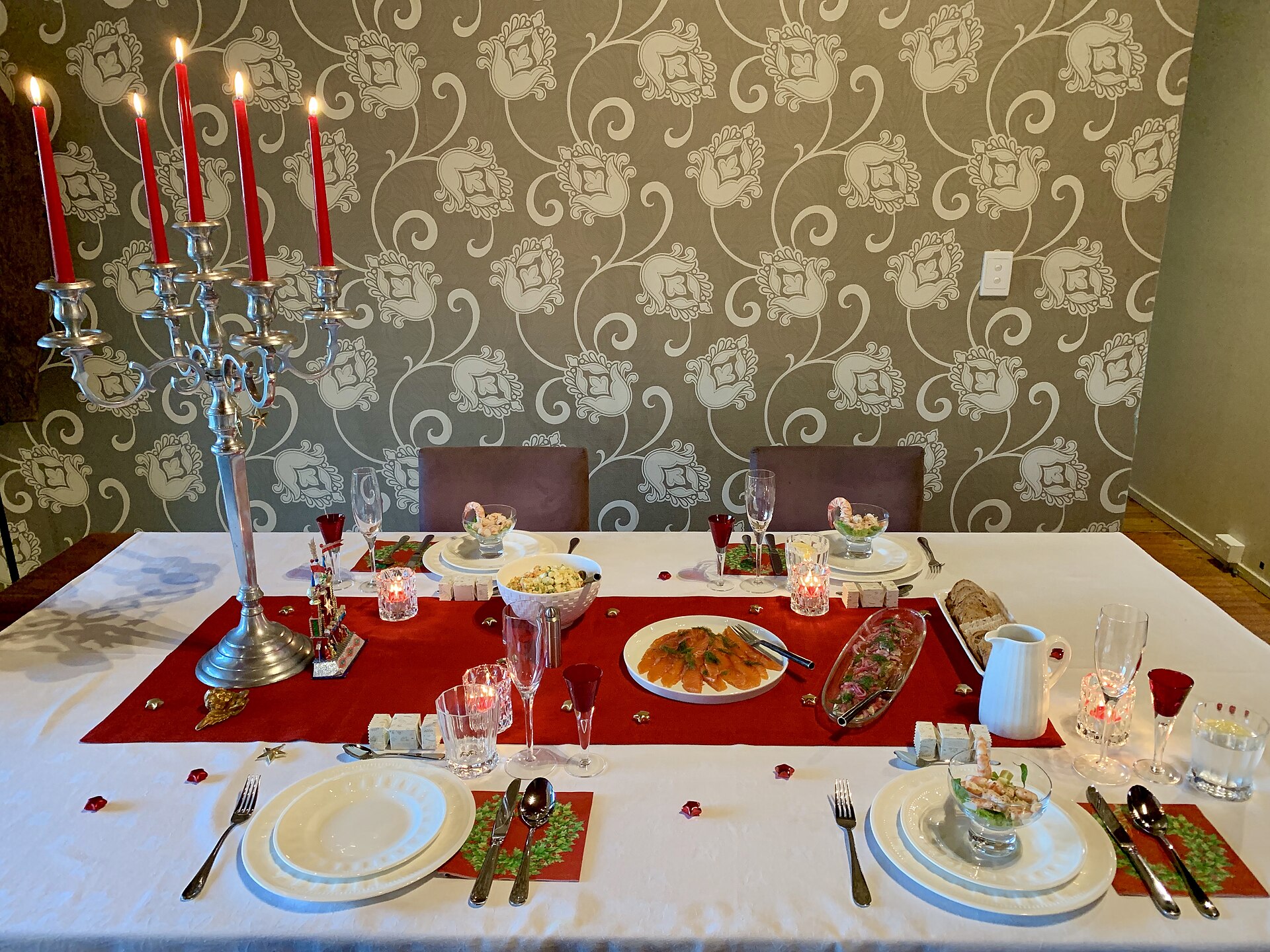
Measure the space first. Most three- and four-tray buffet servers are around 63-65cm wide and 36cm deep, which is wider than many people expect and wider than plenty of kitchen worktop gaps. If it’s going on a sideboard in the dining room, you’ll also need a socket within reach, and it’s better to know now than to run an extension lead across the floor on Christmas Day with a toddler about. If you’ve already spent the autumn rearranging the dining room around a “collected, not bought” Christmas look, check the warming tray isn’t going to end up wedged between the candles and the greenery.
Check the pans. Removable, dishwasher-safe stainless steel pans are standard on the Quest and VonShef models and they’re the main reason I’d pick a buffet server over a flat tray. Washing up after Christmas dinner is bad enough without hand-scrubbing a fixed tray.
Look for a dial with numbers, or at least a light. VonShef’s instructions tell you to wait for the indicator light to go off before loading food, which is a sensible habit with any model: switch it on 15 minutes before you need it so the base is properly hot.
Then do a dry run, ideally this weekend. Heat a pan of water, put it on the tray for an hour and take its temperature. It’s a ten-minute job and it’ll tell you whether your new food warming tray holds 63C or drifts into the 50s, which changes how long you can leave the stuffing out. Do that and you’ve done more testing than most of the listings have.
The one thing I’d still like to know is whether anyone has found a way to keep roast potatoes crisp for more than ten minutes outside the oven – so what’s your trick, and does it involve a warming tray at all?