Bean to Cup Coffee Machine Under £400 This Black Friday: The Bestseller Is £4 Cheaper Than Last Year – and the Milk Jug Worth Paying For
The De’Longhi Magnifica S, the machine that turns up at the top of almost every cheap bean to cup coffee machine under £400 list, sold for £299 last Black Friday. This morning it’s £294.99 on Amazon. That’s a £4 saving, after a year of build-up, countdown banners and “up to 50% off” emails.
In This Article
- The Black Friday bean to cup coffee machine "deal" that saved £4
- What £270 to £300 actually buys
- The milk question decides everything
- The £329 machine that isn't bean to cup – and why I'd still look at it
- The Sage and De'Longhi models I'd skip at this price
- What a cup really costs once the box is open
- So which bean to cup coffee machine under £400 should you buy today?
So no, Black Friday hasn’t done much for the bottom of this market. But it has moved prices a little further up the range, and it’s made one or two machines that were never quite in this budget suddenly sit inside it. If you’ve been drinking a £3.80 flat white from the place by the station every weekday since September and fancy stopping, today is still a reasonable day to buy. You just need to know where the real discounts are, and which “deal” is last year’s price in a new jacket.
The Black Friday bean to cup coffee machine “deal” that saved £4
Batch Coffee Club runs a tracker that sets this year’s Black Friday prices next to last year’s, and it makes for awkward reading if you work in a retailer’s marketing department. The Magnifica S at £294.99 against £299 a year ago. The Sage Bambino Plus (not a bean to cup, but the machine a lot of people cross-shop) at £399 this year against £329 last November – so it’s dearer now than it was then. The Sage Barista Express at £499 against £479.95 last year. You can see the full table on Batch Coffee Club’s Black Friday coffee machine tracker, though bear in mind its prices were last checked on 12 November and Amazon has shuffled things since.
None of this is a scandal. Budget bean to cup machines have been discounted so often for so long that their “was” prices are mostly fiction, and the street price has settled at roughly £270 to £300 whatever the month. What it does mean is that you shouldn’t panic-buy one at 11pm tonight because a red badge says 45% off. The badge is measuring against an RRP nobody pays.
The bigger cuts this week are on the £500 to £1,000 machines. TechRadar’s barista-trained deals editor, Cat Ellis, lists the De’Longhi Rivelia at £599 (down from £748.99) and the Eletta Explore at £749.99 (from £969.99) in her Black Friday espresso machine round-up. That’s where the money’s moving. Down at the £300 mark, you’re buying at roughly the normal price, and that’s fine as long as you know it.
What £270 to £300 actually buys
At this price you get a built-in burr grinder, a removable brew unit, a water tank of around a litre and a half, and a button that makes espresso. That’s the core of it. What changes between models is the milk, the number of drinks on the panel and how much plastic is involved.
The two names that matter at the bottom of the market are the De’Longhi Magnifica S and Philips’ 2200 and 2300 series. Both have been around in one form or another for years, both are mostly plastic, and both will make a perfectly decent espresso from supermarket beans. Which? tests bean to cup machines with a lab assessment and a blind taste panel, and says in its bean to cup buying guide that the category runs from about £250 to well over £1,500 – and that price doesn’t feed into its test scores. That’s worth repeating to anyone eyeing a £1,199 touchscreen machine today. The expensive models add convenience and choice. They don’t automatically add flavour.
What you won’t get under £400 is a machine that does everything with one press while you’re putting your shoes on. You’ll get either good espresso plus a steam wand you have to use yourself, or a one-touch milk system that costs more and needs more cleaning. Pick your compromise.
Prices this morning, for the record:
- De’Longhi Magnifica S – £294.99 at Amazon (via Batch Coffee Club’s tracker). Manual steam wand, simple dial controls.
- Philips 2300 Series – £294.99 at Amazon, according to a live HotUKDeals listing. Check the model code before you pay, because the 2300 comes in several versions.
- Philips 2200 Series (EP2220/EP2224, classic frother) – listed from about £269 to £279 on PriceSpy.
- Philips 2200 Series with LatteGo (EP2230) – listed from about £409 on PriceSpy, which nudges it just over our cap.
- De’Longhi La Specialista Arte – £329 at Amazon (was £529.99), or the Arte Truestart Edition at £329.99 at Currys. Not a true bean to cup – more on that below.
A Philips 2200 briefly showed up at £94.99 on Amazon earlier in the week, sold by Philips itself. It was gone before most people saw it. I’m guessing here, but a price that low on a machine that normally sits near £270 looks more like a listing error than a deal, and I wouldn’t spend Black Friday refreshing in the hope it comes back.
The milk question decides everything
If you drink espresso, Americanos or long blacks, stop reading this section and buy the cheapest machine with a grinder you like the look of. You’re done.
Most of us aren’t like that, though. Most of Britain drinks lattes and flat whites, and milk is where cheap bean to cup machines either earn their space on the worktop or end up as a very large, very expensive Americano maker. There are two systems at this price and they suit completely different people. The first is the classic steam wand, sometimes called a panarello, which is what the Magnifica S and the cheaper Philips 2200 models have. You fill a jug with cold milk, dunk the wand in, open the steam valve and wait. It works, and once you’ve done it a dozen times it takes about a minute, but it makes a mess, it needs wiping straight after every use or the milk bakes on, and it gives you hot frothy milk rather than the silky microfoam you’d get in a decent café. The second is Philips’ LatteGo, a two-piece plastic milk jug that clips on the front with no tubes at all, so the whole thing comes apart and goes under the tap or in the dishwasher. It’s the reason a lot of people buy Philips in the first place.
My view, which not everyone shares: the LatteGo is worth paying more for, even though it pushes you to roughly £400 and even though the coffee itself is no better. The cheapest machine in a household that drinks four lattes a day isn’t the cheapest machine if nobody can face the steam wand by February. I’ve watched friends buy the £270 wand version, use it with real enthusiasm until about Burns Night, then quietly go back to the Nespresso pods in the cupboard. The jug that rinses clean in 15 seconds is what keeps a machine in use.
The catch is that Philips’ model codes are a bit of a faff. The EP2220 and EP2224 are the classic-frother versions; the EP2230 is the LatteGo. Listings don’t always make that obvious in the headline, and the photos aren’t always of the right machine. Read the code. Then read it again.
The £329 machine that isn’t bean to cup – and why I’d still look at it
The De’Longhi La Specialista Arte is the odd one out on this list. It’s down to £329 at Amazon from £529.99, and the Arte Truestart Edition is £329.99 at Currys. It has a built-in grinder with eight settings and a 15-bar pump. But it’s a traditional espresso machine with a portafilter, not an automatic bean to cup. You grind into the basket, tamp it yourself using the dosing guide, lock it in and pull the shot. The Standard’s testers put it in their Black Friday picks this week; TechRadar gives it four and a half stars.
Why include it? Because it’s the biggest real discount anywhere near this budget – around £200 off a price it has actually sold at – and because a lot of people searching for a bean to cup coffee machine under £400 really want “fresh coffee from beans without buying a separate grinder”. The Arte does that, and its steam wand is a proper one that’ll make the kind of microfoam the panarello on a Magnifica S can’t.
But.
It’s more work, every single morning. It’s messier. And if two of you are making coffee at 7.15am before the school run, the one-button machine wins every time. I’d only point the Arte at someone who already enjoys the process of making coffee, or who has been watching barista videos at midnight and wants to learn. For everyone else it’s a lovely machine that’ll end up being used at weekends.
The Sage and De’Longhi models I’d skip at this price
The Sage Barista Express keeps appearing in Black Friday lists as if it were a bargain. At £499 (from £629.95), it’s a good machine. It’s also £20 more than it was last November, it’s £100 over the budget most people searching this have in mind, and it’s a manual machine like the Arte. If you want the manual route, the Arte at £329 gets you most of the way for £170 less. I’d skip the Sage unless you’ve already decided you want to get serious about espresso and you’ll keep the machine for the best part of a decade.
The Bambino Plus at £399 is a tidy little machine with no grinder, so you’d need to add one (or buy pre-ground, which defeats the point). It’s also £70 dearer than last Black Friday. Not today.
The De’Longhi Rivelia is the interesting one. At £599, down from £748.99, it’s no longer an under-£400 machine, but TechRadar called its milk frothing “one of the best we’ve tested” and gave it five stars, and it has two swappable bean hoppers so one person can have decaf and another a dark roast without tipping beans in and out. If you’re stretching, stretch to that rather than to the Barista Express. If you aren’t, don’t let it talk you into spending £300 more than you meant to.
The £1,199 Sage Barista Touch Impress is a whole other conversation, and Which?’s point about price and taste scores is the one to hold on to while you scroll past it.
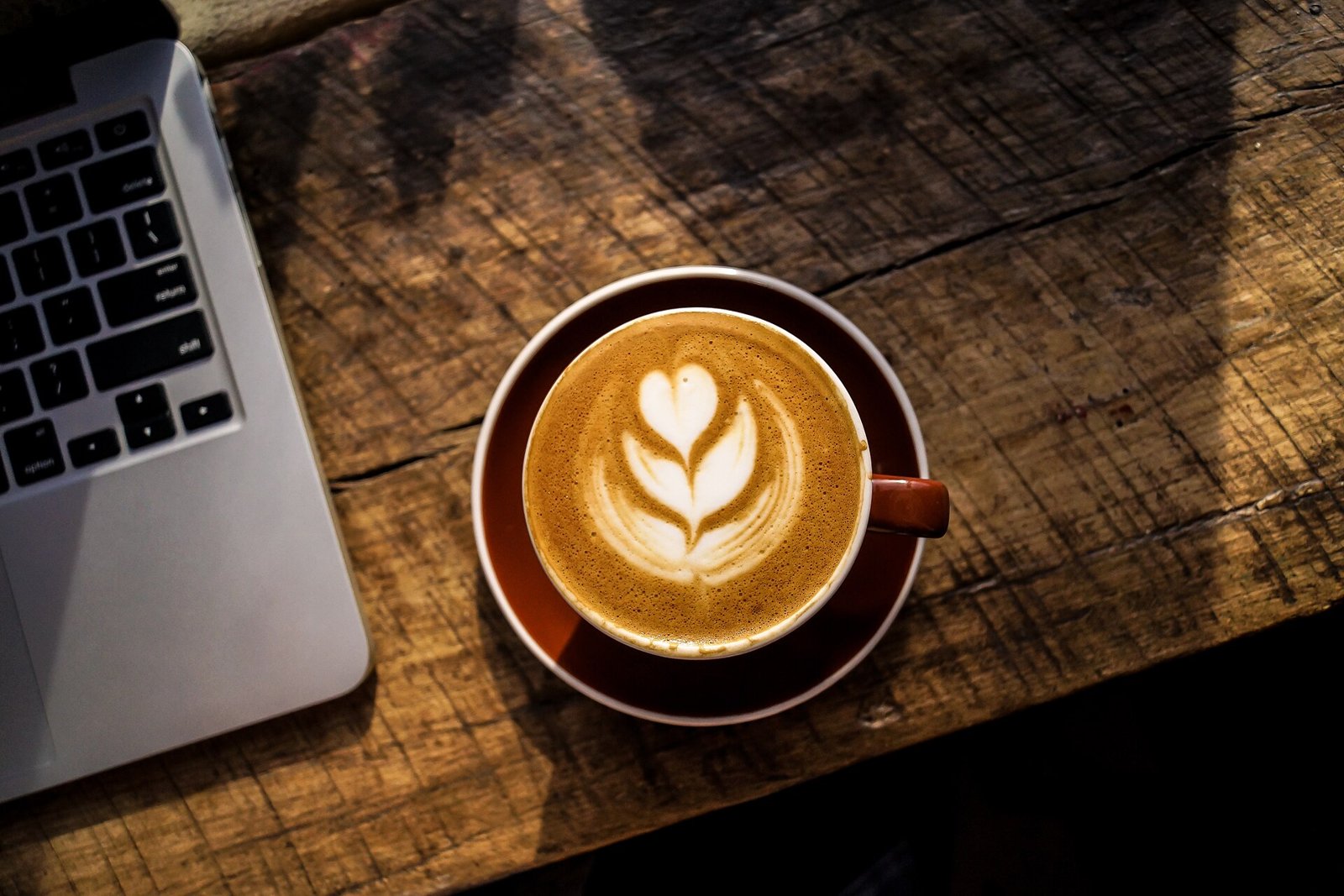
What a cup really costs once the box is open
This is where bean to cup machines quietly win, and it’s the bit the Black Friday banners never mention.
Decent supermarket or roaster beans run from about £10 to £15 for 250g. A bean to cup machine uses somewhere around 7g to 10g of coffee per shot depending on the strength setting, so a 250g bag gives you roughly 25 to 35 shots. Call it 35p to 55p of coffee per cup, plus maybe 10p to 15p of milk for a latte. You’re making a flat white at home for around 60p. The one from the station costs six times that.
On those numbers, a £295 machine pays for itself after about 100 coffees that would otherwise have been bought out – roughly a working day’s coffee for five months. Even the LatteGo version at about £400 is paid off by Easter if you’re a daily café buyer. If you’re not, and you mostly drink instant at home, the maths is much less convincing. A bean to cup machine replaces café coffee very well. It replaces a jar of Kenco very expensively.
There are running costs beyond beans, of course. You’ll need descaler every couple of months in a hard-water area (most of the south and east of England), a water filter if the machine takes one, and five minutes a week rinsing the brew unit under the tap. Both De’Longhi and Philips let you pull the brew group out for cleaning on these models; do it, or you’ll get stale, bitter coffee by March. If you subscribe to beans, our Pact Coffee review is worth a look, though a bag from Lidl or Aldi does the job perfectly well in an automatic machine, where the grinder can’t do justice to a £14 single-origin anyway.
One more thing nobody tells you: these machines are loud. The grinder kicks off with a noise like someone emptying a bag of gravel into a blender, and in an open-plan kitchen at 6.30am that will wake whoever’s asleep upstairs. It’s a small thing until it isn’t.
If you’re also planning a bit of a kitchen refresh, our piece on kitchen trends for 2026 is a reminder that a big black plastic box doesn’t sit quietly on a blue or green worktop wall. Measure the space under your wall cupboards too – you’ll need room above the machine to lift the lid and fill the bean hopper.
So which bean to cup coffee machine under £400 should you buy today?
If you drink black coffee or espresso: the De’Longhi Magnifica S at £294.99. It’s not much of a Black Friday deal, but it’s a dependable machine at its usual fair price, and you won’t be using the steam wand much anyway.
If you drink lattes and you’re the only one who uses the machine: the cheaper Philips 2200 or 2300 with a classic frother, at roughly £270 to £295, is fine. You’ll learn the wand.
If a household of milk drinkers is going to share it, find a Philips with LatteGo, check the model code, and accept you’ll pay roughly £400 for it. That’s the one I’d buy.
And if what you really want is better coffee rather than easier coffee, the La Specialista Arte at £329 is the one real bargain at this price this week, as long as you go in knowing it’s a hands-on machine.
Whichever one you go for, don’t drink four of them after lunch – our look at the caffeine cut-off time explains why a 3pm flat white is still in your system when you’re trying to sleep. And if the Black Friday noise is wearing you down, it’s worth remembering how many of the “deals” in our Prime Big Deal Days round-up in October came back at the same price a few weeks later.
So here’s the question I’d put to anyone hovering over the buy button this weekend: is it the coffee you’re paying for, or the 15 minutes back in your morning?