Best Dash Cam Under £100 UK 2026: The Insurance Myth and the Cameras That Hold Up
Last November, someone reversed into my colleague’s parked Corsa in a Tesco car park, got out, looked at the damage, and drove off. Then he told his insurer she’d hit him. The £79 camera stuck to her windscreen settled the whole thing in about four minutes, and his insurer paid up without a murmur. That’s the entire case for a dash cam in one anecdote – and you don’t need to spend serious money to get one that does the job.
In This Article
- The insurance discount is mostly dead – and that's fine
- What £100 actually buys in 2026
- The one most people should buy: Nextbase Piqo
- The tiny one: Garmin Dash Cam Mini 2
- The tinkerer's choice: Viofo A119 Mini 2
- Two wildcards – and the type to skip
- The five at a glance
- Getting footage the police and insurers will actually use
- Will it flatten your battery?
- The legal bits nobody reads
- The maths, one more time
Finding the best dash cam under £100 in 2026 is less about chasing specs and more about knowing which corners the budget brands cut, and which of those corners you’ll actually miss. Some £60 cameras produce footage an insurer will accept without question. Others record number plates as a smear of pixels, which is roughly as useful as no camera at all.
I’ve spent the past few months with a Piqo on my own windscreen and an unhealthy amount of time on dash cam forums, and this is where the money should go.
The insurance discount is mostly dead – and that’s fine
Let’s kill the biggest myth first. The idea that fitting a dash cam knocks a chunk off your premium is years out of date. Most of the big UK insurers – Aviva, Admiral, Direct Line – no longer advertise any specific discount for having a camera. A handful of specialists still do: Adrian Flux offers up to 15% for drivers using an approved device, and smaller outfits have historically offered somewhere between 5% and 12.5%. But if you’re insured with a mainstream provider, the camera itself won’t save you a penny upfront. Compare the Market’s guide to dash cam discounts is blunt about how thin the pickings now are.
So why bother? Because the discount was never the point. The point is what happens after a crash that isn’t your fault. A protected no-claims bonus can be worth 60-70% off your premium, and a disputed claim that settles 50-50 – which is what happens when it’s your word against theirs – can wreck it. Every major UK insurer accepts dash cam footage as evidence, and Aviva’s own guidance confirms footage can be used to support a claim. Video doesn’t misremember, doesn’t panic, and doesn’t fail to turn up as a witness. It’s the same logic as car hire excess insurance: the cover costs very little, and the thing it protects you from doesn’t.
And that’s before you get to crash-for-cash scams, which still target ordinary drivers on roundabouts and slip roads. A camera turns “he slammed his brakes on for no reason” from an accusation into a timestamped fact.
What £100 actually buys in 2026
The short version: more than it used to, with a few catches.
At this price you should expect proper 1080p recording as a minimum, with 1440p (usually badged as 2K) increasingly common. GPS is the feature I’d fight hardest for, because it stamps your speed and location onto the footage – and an insurer looking at a clip of an accident on a 30mph road wants to know you were doing 28, not 45. Wi-Fi transfer to a phone app is standard now, though the quality of those apps varies wildly. Parking modes exist on paper almost everywhere but usually need a hardwiring kit (another £20-30, plus fitting) to work properly, so treat them as a bonus rather than a buying reason.
Two quieter things separate the good budget cameras from the landfill. The first is the sensor: anything running a Sony Starvis chip will handle dusk, rain and oncoming headlights far better than an unnamed sensor with a bigger resolution number. The second is heat tolerance. A dash cam lives on a windscreen, which in a parked car in July is one of the hottest places in Britain. Cameras built around supercapacitors shrug this off; the cheapest battery-powered ones swell, sulk and die, usually just out of warranty. Neither detail appears in the headline spec, and both matter more than whether the box says 4K.
Be suspicious of the 4K badge on anything cheap. True 4K needs a sensor and processor that don’t exist at £60, so budget “4K” is often upscaled or runs at a choppy frame rate that makes plates harder to read, not easier. A clean, sharp 1440p image from a decent Sony sensor beats fake 4K every time. If you like this end of the market, our round-up of the best budget tech gadgets under £50 works on the same principle: ignore the headline number, check what the thing actually records.
The one most people should buy: Nextbase Piqo
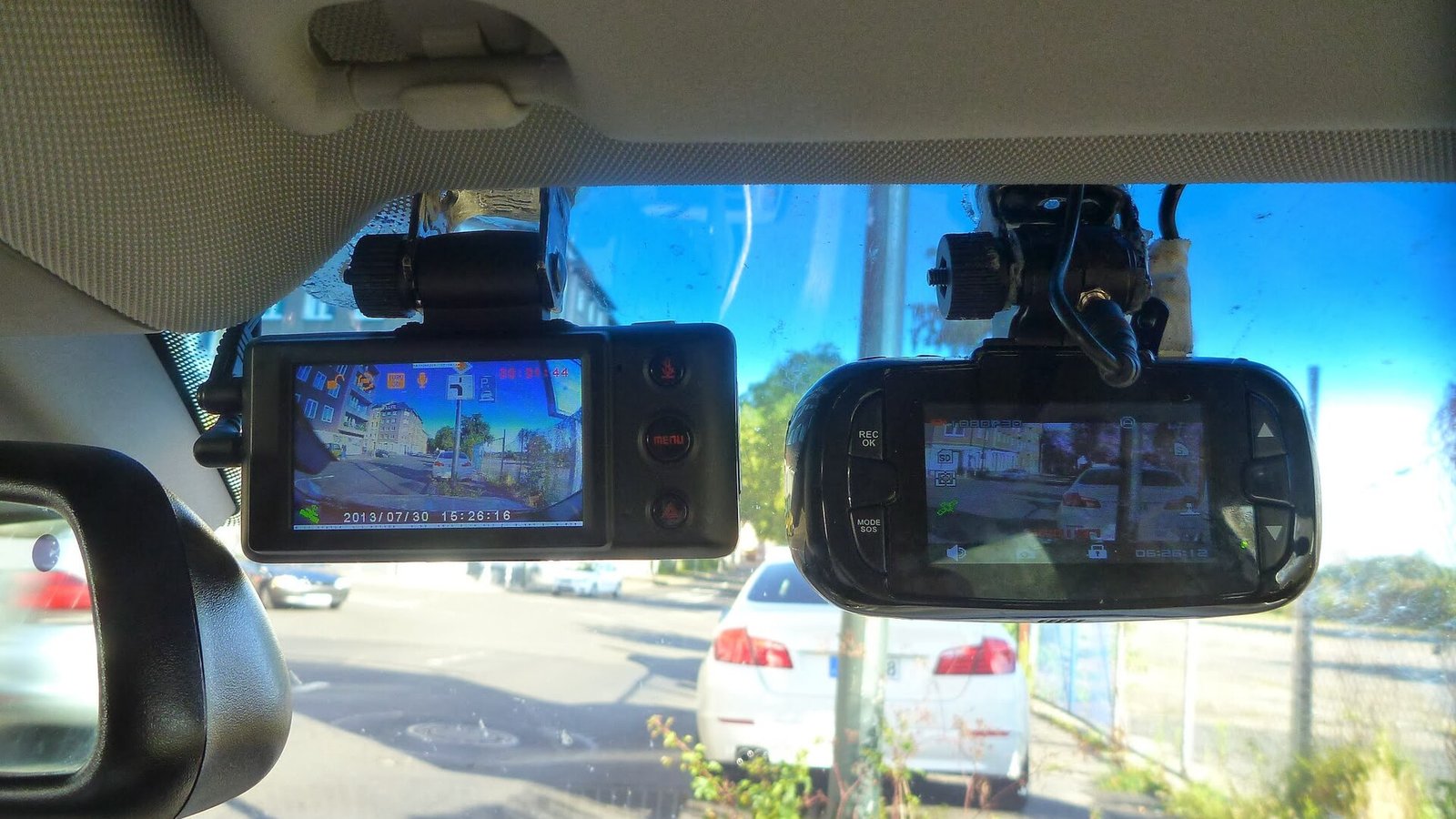
Nextbase spent years making chunky touchscreen dash cams that cost £150 and up. The Piqo, launched at the end of 2024, is the company admitting most people just want something small and cheap that works. The 1K version has been sitting at £79 on Nextbase’s own site, with the 2K model at around £120, and either one is the easiest recommendation in this category.
It’s tiny – barely bigger than a box of matches – and once it’s tucked behind the rear-view mirror you forget it exists, which is exactly what you want. Setup takes about ten minutes, the app walks you through it, and footage from the 2K model held up well in exactly the conditions that matter in Britain: grey skies, drizzle, low winter sun. Reviewers at TechRadar came away impressed for the money, and so did I.
It’s not perfect. Transferring clips over the app is slow enough that you’ll want to make a cup of tea while a two-minute video crawls across, and the footage is a touch grainier than Nextbase’s dearer cameras. The emergency SOS feature needs a subscription, which you can ignore. But as a fit-and-forget witness for £79, nothing else feels this finished.
The tiny one: Garmin Dash Cam Mini 2
The Mini 2 is the size of a car key and hangs around the £99 mark, often less in sales. Build quality is lovely, the app is one of the better ones, and voice control (“OK Garmin, save video”) works more reliably than it has any right to at this size.
But there’s a genuine trade-off buried in that cute little body: no GPS and no screen. No GPS means no speed or location stamp on your footage, and that’s not a small thing when the entire purpose of the camera is evidence. For a second camera covering the rear window, or for someone who prizes invisibility above everything, it makes sense. As your only camera, I’d take the Piqo’s GPS over the Garmin’s polish without thinking twice.
The tinkerer’s choice: Viofo A119 Mini 2
Ask a dash cam forum instead of a shop and you’ll get a different answer: Viofo. The A119 Mini 2 runs a Sony Starvis 2 sensor at 2K resolution, includes GPS and Wi-Fi, and produces night footage that embarrasses cameras at twice the price. UK pricing drifts either side of the £100 line depending on the retailer and the day, so it just about qualifies here – and it’s the one I’d buy with my own money if plate legibility at night were my top priority.
The catch is that Viofo is an enthusiast brand. The app and menus feel a generation behind Nextbase and Garmin, the mount is less elegant, and there’s no high-street presence if something goes wrong – you’re dealing with online retailers and email support. None of that affects the footage. All of it affects how much patience you’ll need on day one.
Two wildcards – and the type to skip
The Miofive S1 keeps showing up in budget group tests for a reason: it claims 4K, costs well under £100, and Car magazine’s testing found it captured number plates more clearly than most rivals at the price, with GPS stamping and a big, simple screen. I remain sceptical of budget 4K as a category, but this one earns its place on results rather than the badge. Road Angel’s Ignite 2 is the other value pick – basic 1080p, but it connects to a decent app and ships with a free SD card, which quietly saves you £15 nobody ever budgets for.
The type to skip: mirror-style dual-lens cameras that clip over your rear-view mirror and promise front and rear coverage for £70. The rear cameras are usually 720p, the mirrors add glare at night, and the whole arrangement tends to rattle loose on British B-roads. Front coverage done well beats front-and-rear done badly.
Avoid the no-name £25 listings too. The sensor is only half the problem – they ship with counterfeit SD cards that corrupt silently, and you find out your footage doesn’t exist on the one day you need it.
The five at a glance
| Camera | Typical price | Resolution | GPS | Buy it if |
|---|---|---|---|---|
| Nextbase Piqo (1K) | £79 | 1080p | Yes | You want fit-and-forget with a proper app. The default choice. |
| Garmin Dash Cam Mini 2 | Around £99 | 1080p | No | Invisibility matters most, or it’s a second camera for the rear window |
| Viofo A119 Mini 2 | Either side of £100 | 1440p | Yes | Night-time plate legibility is your priority and you’ll tolerate a clunky app |
| Miofive S1 | Well under £100 | 4K (claimed) | Yes | You want a big screen and the sharpest daytime plates at the price |
| Road Angel Ignite 2 | Under £100 | 1080p | No | Lowest total outlay – the bundled SD card quietly saves you £15 |
Prices bounce around, especially Viofo’s. Check on the day; none of these verdicts change if a camera drifts £10 in either direction.
Getting footage the police and insurers will actually use
A surprising number of dash cam clips get rejected for boring, avoidable reasons. Set the date and time correctly the day you fit the camera – footage with a wrong timestamp is easy for the other side’s insurer to challenge. Buy a proper endurance-rated microSD card (Samsung Pro Endurance and SanDisk High Endurance are the usual suspects, about £12 in the supermarket electronics aisle) because standard cards wear out under constant loop recording within months.
If you witness dangerous driving rather than being involved, most UK police forces now take dash cam submissions online – Operation Snap in Wales and the National Dash Cam Safety Portal cover much of the country. Submit the raw file. Don’t trim it, don’t add commentary, don’t post it to Facebook first; edited or published clips are far easier to dismiss.
Back clips up the same day, too. Loop recording means the camera is constantly taping over itself, and while every model here locks a file automatically when it detects an impact, the sensors aren’t infallible – a low-speed nudge in a car park sometimes isn’t enough to trigger the save. If anything happens, stop, open the app, and copy the file to your phone before you drive another mile. It’s a two-minute habit that has rescued more claims than any spec on this page.
One last thing: fit the camera behind the mirror, outside the swept area of the wipers only if it still gets a clear view, and never in the middle of the windscreen. An obstructed view is an offence in itself, which would be a spectacular own goal.
Will it flatten your battery?
Short answer: no, not the way most people run one. Plugged into the 12V socket, the camera only records while the ignition is on. Turn the engine off and it powers down with everything else. Your battery never notices it exists.
Parking mode is where battery anxiety comes from, and it’s a legitimate question. To record while parked, the camera needs power with the engine off, which means a hardwiring kit spliced into the fusebox. Every kit worth buying has a voltage cutoff – it stops drawing power when the battery drops to a set level, typically adjustable around 12 volts, so the car will always start. Fitting one yourself is a fiddly hour with a trim tool and a fuse tap; a mobile fitter charges £40-60. But be honest about whether you need it. If your car sleeps on a driveway rather than a city street, parking mode is a feature you’ll configure once, drain a weekend on, and never use in anger.
The legal bits nobody reads
Dash cams are entirely legal on UK roads, but a few rules trip people up. You can’t operate the camera’s screen while driving – that falls under the same law as touching your phone, and fiddling with menus at 60mph has already earned drivers points. Set everything up on the driveway and then leave it alone.
If you drive for work, or anyone else regularly rides in your car, the recording cuts both ways. Audio recording is on by default on most of these cameras, and taxi and delivery drivers in the UK are expected to tell passengers they’re being recorded – some cabs carry a small sticker for exactly this reason. In a private car carrying your own family it’s a non-issue, but switching audio off costs nothing and removes a whole category of awkwardness, along with the recording of whatever you shouted at the van that cut you up. And if the daily drive itself is the thing you resent, we’ve done the honest maths on commuter e-bikes under £1,500.
And a point that surprises people: footage can be used against you. If you submit a clip to your insurer or the police, they see all of it, including your own speed readout in the corner. There have been cases of drivers reporting someone else and collecting their own speeding conversation in the process. The camera is a neutral witness. Drive like it’s watching, because it is.
The maths, one more time
£79 for a Piqo. Against that: an average UK premium north of £600, a no-claims bonus worth hundreds a year, and the several days of your life a disputed 50-50 claim consumes. The camera doesn’t have to be clever. It has to be running, pointed at the road, and telling the truth on the day somebody else isn’t.
And if you’re already the sort of person who beats the budget airlines with an underseat cabin bag that actually fits Ryanair’s sizer, you know the drill by now. The cheap version of a thing only counts if it holds up when tested. This one does.