
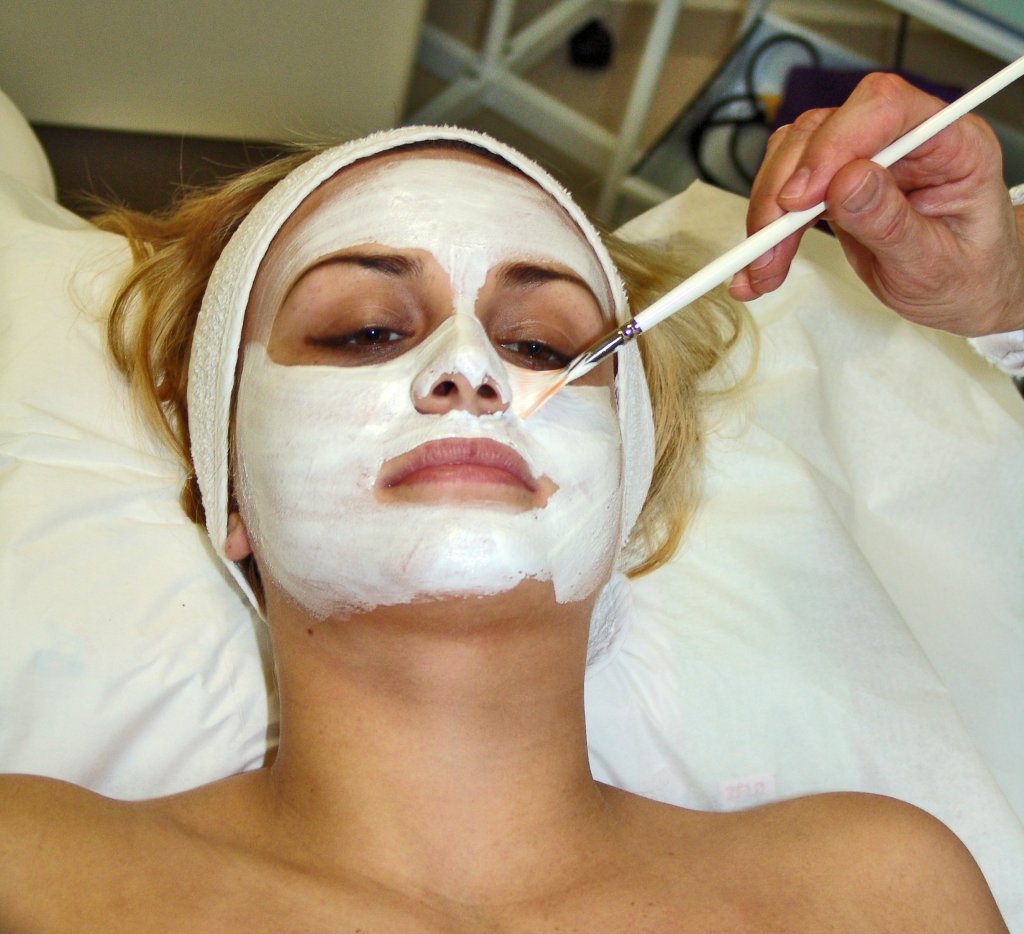
How to Find a Good Beautician: Tips for Choosing the Right One
How to find a good beautician is a question most people answer through trial and error, often with some painful experiences along the way. A great beautician becomes a trusted part of your self-care routine, but a bad one can leave you with anything from a patchy wax to a skin reaction.
In This Article
- Why Your Choice of Beautician Matters
- What to Look for in a Beautician
- Qualifications and Insurance
- Hygiene Standards
- Consultation Process
- How to Find Beauticians Near You
- Red Flags to Watch For
- Building a Good Relationship
- At-Home Alternatives
- Frequently Asked Questions
- How do I find a good beautician near me?
- How much should beauty treatments cost?
- Should I tip my beautician?
- How often should I see a beautician?
We put together practical advice for finding, vetting, and building a relationship with a beauty therapist who actually delivers consistent results. For at-home maintenance between treatments, our UK skincare routine guide covers the basics worth getting right first.
[toc]
Why Your Choice of Beautician Matters
Beauty treatments involve someone working intimately on your body – your face, skin, nails, and sensitive areas. If breakouts and pigmentation are part of the brief you bring in, the right therapist will already be familiar with using salicylic acid for blackheads as a paired at-home treatment. The skill difference between a competent and incompetent therapist is enormous, and the consequences of a poor treatment can range from disappointing results to genuine injury.
A good beautician also becomes someone you trust with your appearance before important events, someone who knows your skin and preferences, and someone who gives honest advice rather than upselling treatments you do not need.
What to Look for in a Beautician
Qualifications and Insurance
At minimum, a beautician should hold an NVQ Level 2 or 3 in Beauty Therapy or equivalent. For specific treatments like chemical peels, laser, or injectables, additional training and certification is essential. Always ask about qualifications – a professional therapist will be happy to share them.
Public liability insurance and professional indemnity insurance are non-negotiable. Any therapist working without insurance is a risk you should not take, regardless of how talented they appear to be.
Hygiene Standards
The treatment room should be visibly clean with fresh towels for each client. Implements should be either disposable or sterilised between uses. The therapist should wash their hands before starting any treatment. If you notice dirty equipment, reused wax, or general untidiness, leave.
Consultation Process
A good beautician always conducts a consultation before a first treatment, asking about allergies, skin conditions, medications, and your desired outcome. Therapists who skip this step and dive straight into treatment are cutting corners on safety.
How to Find Beauticians Near You
Personal recommendations from friends and family remain the most reliable method. Someone who has received consistent good treatment over months or years is a better reference than any online review.
Professional directories like BABTAC and VTCT list qualified therapists in your area. Google reviews and Treatwell ratings provide useful information but read the negative reviews carefully – they often reveal more than the positive ones.
Red Flags to Watch For
Therapists who pressure you into additional treatments or expensive products during your appointment are prioritising revenue over your needs. A good beautician makes recommendations based on what they genuinely think would benefit you, not what earns them the most commission.
Inconsistent results between visits suggest the therapist is not paying proper attention. If your eyebrow shape changes every time or your facial leaves you with different results each visit, the therapist may be rushing or lack the skill for consistent delivery.
Building a Good Relationship
Once you find a therapist you trust, stick with them. Regular clients get better service because the therapist knows your skin, preferences, and any sensitivities. They can also track changes over time and recommend treatments proactively.
Be honest about what you want and give feedback. If a treatment was too painful, the result was not what you expected, or you want to try something different, say so. Good therapists welcome constructive feedback because it helps them serve you better.
At-Home Alternatives
Not everything requires a professional. A good skincare routine at home handles daily maintenance, and brands like Wild offer quality personal care products that elevate your home routine. Reserve professional treatments for services that genuinely require trained hands – waxing, facials with extraction, and any treatment involving equipment or chemicals.
Frequently Asked Questions
How do I find a good beautician near me?
Ask friends for recommendations, check professional directories like BABTAC, and read online reviews carefully. Book a simple treatment first to assess the therapist before committing to anything complex.
How much should beauty treatments cost?
Prices vary by location and treatment. A basic facial typically costs thirty to sixty pounds, waxing ranges from ten to fifty pounds depending on the area, and manicures run from fifteen to forty pounds. Very cheap prices may indicate inexperience or poor products.
Should I tip my beautician?
Tipping is appreciated but not obligatory in the UK. Ten to fifteen percent is standard for good service. If the therapist owns the business, tipping is less expected than for an employed therapist.
How often should I see a beautician?
This depends on the treatments. Facials every four to six weeks suits most skin types. Waxing typically requires visits every three to six weeks. Nail maintenance every two to three weeks keeps manicures looking fresh.
For more beauty advice and lifestyle guides, explore our latest articles. Find qualified therapists through the BABTAC directory.