The BPC-157 UK Peptide Boom: Tested on 12 People, Sold at £350 a Month – and Who Should Steer Clear in 2026
Twelve. That’s the number of people in the only published clinical study of BPC-157 injections for joint pain – twelve adults with sore knees, no placebo group, no blinding, and seven of them saying they felt better. And yet BPC-157 is the peptide UK gym-goers now buy by the vial, inject into their stomachs before bed and recommend to each other in the changing room like it’s a protein shake. One London clinic was charging £350 a month for it earlier this year.
In This Article
- A stomach protein, a Croatian lab and a lot of rats
- What the BPC-157 UK evidence actually amounts to
- "Research use only" and the legal grey zone
- The American vote everyone keeps misquoting
- The myth that "if it were dangerous, we'd know by now"
- Who should steer clear entirely
- What does help a knackered tendon
- What would change my mind
I spent a week reading everything I could find on the BPC-157 UK market: the one systematic review, the regulator’s statements, the American vote in July that peptide sellers keep quoting, and the clinic small print. The short version is that the hype runs about 30 years ahead of the evidence. The longer version is more interesting, because the reasons it’s popular aren’t stupid. They’re just not good enough.
A stomach protein, a Croatian lab and a lot of rats
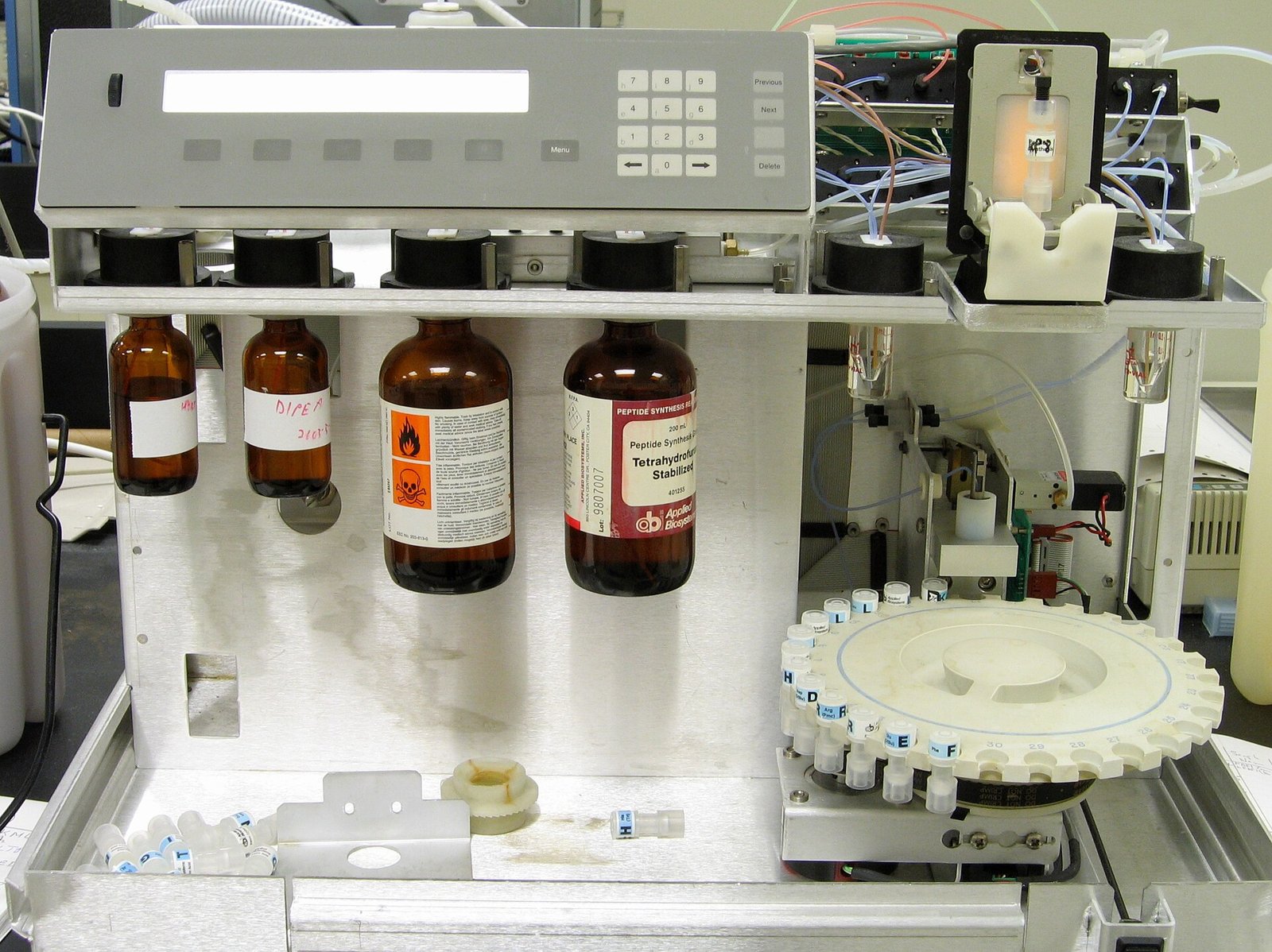
BPC stands for “body protection compound”. It’s a synthetic chain of 15 amino acids, modelled on a fragment of a protein found in human gastric juice, and most of the early work on it came out of a research group at the University of Zagreb from the early 1990s onwards. The original interest was the gut – ulcers, inflammatory bowel disease, damage from painkillers. Somewhere along the way it picked up a second career in sports medicine, because rats given BPC-157 after tendon and ligament injuries tended to heal faster than rats who weren’t.
That’s the whole foundation. Rats, and cells in dishes.
The proposed mechanism is plausible enough on paper. In animal studies BPC-157 seems to encourage new blood vessel growth around damaged tissue and nudges the activity of growth-factor pathways involved in repair, which is exactly the kind of thing you’d want if you’d torn something. But animal tendons aren’t human tendons, rats don’t do Hyrox, and the history of medicine is littered with compounds that fixed rodents and did nothing (or worse) in people. You can’t skip the human bit. Nobody has done the human bit properly.
What the BPC-157 UK evidence actually amounts to
The most useful paper is a systematic review published in the HSS Journal in July 2025 by a team of American orthopaedic surgeons. They screened 544 articles on BPC-157 in sports medicine and found 36 worth including. Thirty-five were preclinical – animals or cell cultures. One involved humans.
That single human study was a retrospective look at 12 patients with chronic knee pain who’d had BPC-157 injected into the joint. Seven of the 12 reported relief lasting more than six months. There was no comparison group, so we’ve no idea how many would have improved anyway (knee pain comes and goes; plenty of people get better on their own or with a cortisone jab). The review’s own abstract says plainly that no clinical safety data were found. It does describe BPC-157 as showing “promise”, which is the line you’ll see quoted on sellers’ websites, usually without the sentence that follows about contamination, unregulated manufacturing and unknown clinical safety.
Some of the coverage has been sloppy too. A widely shared piece by a UK anatomy professor, republished by The Independent in 2025, said over 90 per cent of patients in the knee study had less pain. The review counts seven out of 12, which is 58 per cent. Small numbers get mangled easily. That’s another reason they shouldn’t be anyone’s basis for injecting themselves.
There are a couple of other small human reports floating around – a pilot in bladder pain, a tiny intravenous safety check – and an American trial in ulcerative colitis that sellers keep calling “phase two” as if it were a finished result. None of them changes the picture. If you’re trying to fix a dodgy Achilles, there isn’t a single controlled human trial telling you BPC-157 will help.
“Research use only” and the legal grey zone
Here’s the bit most buyers get wrong. BPC-157 isn’t a controlled drug in the UK, so owning it isn’t a crime. But it isn’t licensed for human use either, and the regulator’s view is that once something is sold to treat or heal you, it’s a medicine.
When The Guardian investigated peptide clinics in April (the story was picked up by Aesthetics Journal the same week), it found a top-ranking London clinic charging £350 a month for one peptide and £450 for two, with a supply of vials and disposable syringes (pre-loaded pens cost extra). Its website said BPC-157 helped with “tissue repair and recovery from injuries”. After the paper got in touch, those claims came down. The MHRA said such products “will be considered medicines and subject to regulation under the Human Medicines Regulations 2012” and that it would take action against clinics breaking the rules. Lynda Scammell, the MHRA’s head of borderline products, was blunter about the online shops: the agency disregards “research purposes” labels “if it is clear that such claims are being used as an attempt to avoid medicines regulations”.
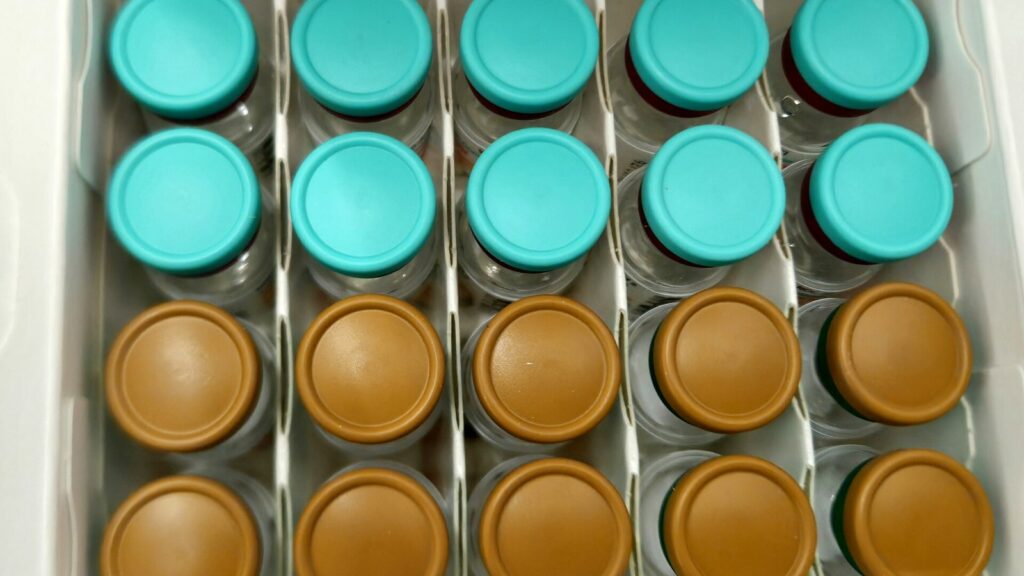
That label is doing a lot of work. Search for BPC-157 and you’ll find dozens of UK-facing sites selling 5mg vials of white powder “for laboratory research only”, often alongside bacteriostatic water, dosing calculators and Instagram links to men explaining their injection schedule. Nobody’s pretending these are for a lab. In March, the National Pharmacy Association called for an urgent review of the loophole, and Dr Amy Perkins, a dermatologist, told STV News that “research use only” is “very obviously just a loophole people are exploiting cynically”. Hard to argue.
The Department of Health’s line is that these peptides “have not been tested for safety, quality or effectiveness”. That’s not spin. It’s a description.
The American vote everyone keeps misquoting
If you’ve been near peptide TikTok since the summer, you’ll have heard that “the FDA approved BPC-157”. It didn’t.
What happened is narrower. On 23 and 24 July 2026, the FDA’s Pharmacy Compounding Advisory Committee reviewed seven peptides and voted on whether US compounding pharmacies should be allowed to make them up for individual patients. BPC-157 went through 8-6 with one abstention – and it was assessed for ulcerative colitis, not knees, shoulders or “recovery”. The vote is advisory; the FDA still has to decide. According to the American Med Spa Association’s write-up, one panel member, Elizabeth Rebello, said she was “concerned that we’re responding to a market-induced demand rather than a decision based in solid science”. The FDA’s own briefing pointed to a lack of evidence.
And none of it applies here. A US advisory vote has no standing with the MHRA, doesn’t make any UK clinic’s product legal to promote, and says nothing about the white powder arriving in a padded envelope from a “research” site. If anything, an 8-6 split on a gut condition is a pretty good summary of how unsure the experts are.
The myth that “if it were dangerous, we’d know by now”
This is the argument I hear most from people who use it, and I understand the appeal. Thousands of people have injected BPC-157, the forums aren’t full of horror stories, so it must be fine. Right?
Not really. The absence of reported harm isn’t evidence of safety when nobody’s looking for harm. There’s no UK register of peptide users, no follow-up, no yellow-card culture among people buying from a site that insists its product isn’t for humans. A slow-building problem – say, something that took years to show up – would be invisible in this setup. The theoretical worry that keeps coming up is the same feature that makes BPC-157 attractive: if it encourages blood vessel growth around injured tissue, could it do the same around a tumour you don’t know you have? Nobody knows. It hasn’t been tested. Telling, though, that the clinic the Guardian visited told its reporter BPC-157 wasn’t advised for anyone with a family history of cancer. That’s a clinic selling it, being cautious about it.
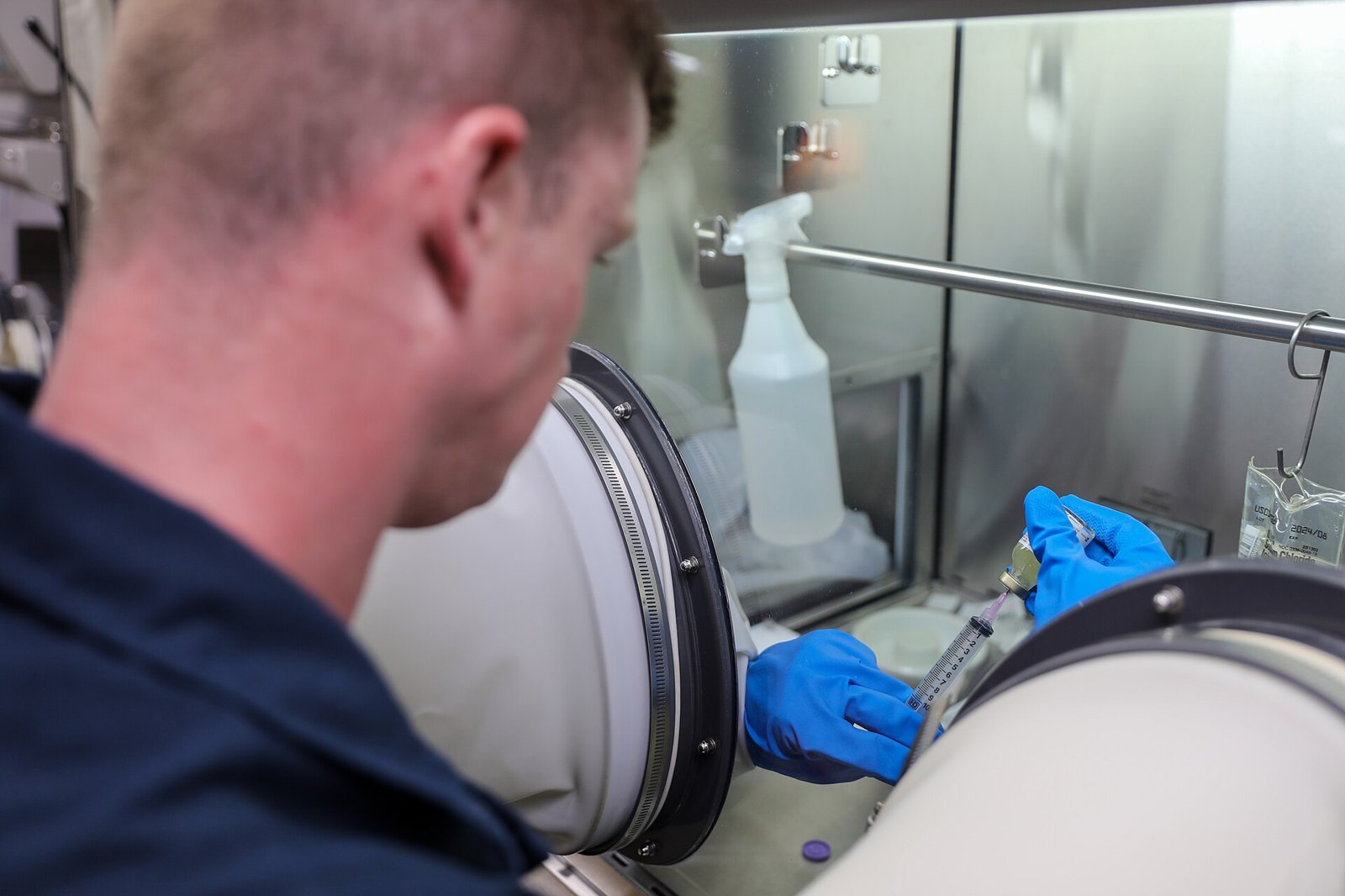
Then there’s the stuff that isn’t theoretical at all. Grey-market peptides aren’t made to pharmaceutical standards; you’re trusting a label on a vial that may have travelled from a factory in China via a repackager in Europe, according to Lincoln criminologist Dr Luke Turnock. The Evening Standard reported analysis suggesting around 8 per cent of grey-market peptides might be contaminated with bacterial endotoxins, though it didn’t name the source, so treat that figure loosely. Add home reconstitution, reused needles and stomach injections done in a bathroom, and infection risk is a real thing rather than a scare story. Ben Taylor-Davies, an aesthetic doctor quoted in the same piece, put it simply: “We have no data supporting the safety in humans, literally none.”
My position, for what it’s worth: I wouldn’t spend £350 a month on BPC-157, and I’d be even more wary of the cheap “research” vials. Not because I’m sure it’s harmful. Because nobody can tell you what’s in the vial, what dose makes sense, or whether it does anything in a human knee – and those are three fairly basic questions to leave unanswered before putting a needle in your belly.
Who should steer clear entirely
Some people have more reason than others to leave it alone, and a few of them are exactly the people most tempted.
Anyone who’s drug-tested. BPC-157 has been named outright on the World Anti-Doping Agency’s prohibited list since 2022, and the UFC and NFL ban it too. If you compete in anything under a UK Anti-Doping code – county rugby, amateur boxing, powerlifting federations that test – “it was only for my shoulder” won’t help you.
Anyone with a personal or family history of cancer. See above. Even a clinic selling it says no.
Anyone pregnant, trying to conceive or breastfeeding. There’s zero human data, and that’s about as clear-cut as it gets.
Anyone self-injecting from a “research” vial. Sterility is the risk you can actually do something about, and the simplest way to do something about it is not to inject unregulated powder you’ve mixed yourself.
Anyone using it instead of rehab. This is the one that bothers me most. Tendon and ligament injuries are slow and boring, and the dull bit – progressive loading, often over three or four months – is where the healing evidence lives. A vial that promises to shortcut that is selling time, and it can’t deliver it.
What does help a knackered tendon
Nothing glamorous, I’m afraid. For most tendon problems the best-supported treatment is a structured loading programme from a physiotherapist: isometric holds early on to settle pain, then gradually heavier, slower strength work. It takes weeks to months and you’ll be bored rigid by week three. In much of England you can now self-refer to NHS physiotherapy without seeing a GP first, which costs nothing, though waiting times vary a lot by area. A private physio session runs roughly £50 to £80 – so the price of one month of clinic peptides gets you somewhere between four and seven appointments with someone who can actually watch you squat.
The recovery fads tend to share a pattern. We’ve looked at whether massage guns work (one small trial and a handful of injury reports), at tongkat ali and its testosterone claims, and at shilajit, where lab tests keep finding heavy metals. BPC-157 is the same story with a needle attached. If your injury came from piling on volume too fast, our piece on Hyrox injuries and what two new studies found is a more useful read than any peptide forum. And if you’ve been tempted by the “wellness by injection” end of things this winter, the IV vitamin drip season has the same issue of a high price wrapped around a thin evidence base.

What would change my mind
I’d happily rewrite this if the evidence moved. A properly sized, randomised, placebo-controlled trial in people with a common sports injury – say, a few hundred adults with Achilles or patellar tendon pain, followed for a year with safety monitoring – would tell us more than the past three decades of rat studies put together. If the US colitis work produces clean data, that would at least give us a human safety picture to start from. And if the MHRA does what it’s threatened to and shuts down the “research use only” sellers, the people who still want to try it would at least be getting it through a prescriber who’s accountable for what’s in the syringe.
Until then, the BPC-157 UK boom is mostly a marketing success. The theory isn’t daft, the animal work is real, and the people using it are often doing so because they’re in pain and fed up with waiting. But those aren’t reasons to inject something nobody has tested in more than a dozen humans.
So I’ll put it to you: if you’ve used BPC-157 or been offered it at your gym, what made you say yes – or what made you walk away?