
Health & BeautyFeaturedHealth

PDRN Skincare UK: What It Is and Does It Really Work?

PDRN skincare UK searches have jumped fivefold in the past year, and for once the hype isn’t completely manufactured. The ingredient – short for polydeoxyribonucleotide – has moved from Seoul dermatology clinics to Boots shelves in under 18 months, and it’s sitting in the “most wanted” section of every beauty editor’s inbox right now.

If you’ve scrolled TikTok recently, you’ve probably seen the “salmon sperm facial” clips and wondered if it’s a real treatment or a branding stunt. It’s a bit of both. Here’s a straight answer on what PDRN actually is, whether it works, and which products are worth your money in 2026.

What is PDRN, actually?

PDRN is a chain of DNA fragments, most commonly extracted from salmon milt (yes, sperm) because the DNA sequence is remarkably similar to ours. The fragments are purified until there’s no fishy protein left, just the regenerative molecules. It’s been used in Italian and Korean wound-healing medicine since the late 1990s, so it isn’t new – it’s just new to your bathroom shelf.

On skin, PDRN is thought to activate A2A adenosine receptors, which tells cells to ramp up collagen production, calm inflammation and speed up repair. A 2019 study in the Journal of Cosmetic Dermatology reported measurable improvements in hydration and elasticity after 12 weeks of topical use, which is a decent run for a skincare trial.

Why PDRN skincare UK demand has exploded

K-beauty is doing the heavy lifting. Boots reported a fivefold increase in Korean skincare sales for 2025-26, and PDRN is the headline ingredient of that wave. Add in a handful of celebrity endorsements, a very photogenic pink serum colour palette, and the fact that retinol fatigue is real, and you’ve got a trend with legs.

There’s also a practical reason. People in their late twenties and thirties are looking for “prejuvenation” rather than aggressive anti-ageing, and PDRN fits the brief – it’s meant to maintain and repair, not resurface. That puts it closer in spirit to peptide serums than to acids.

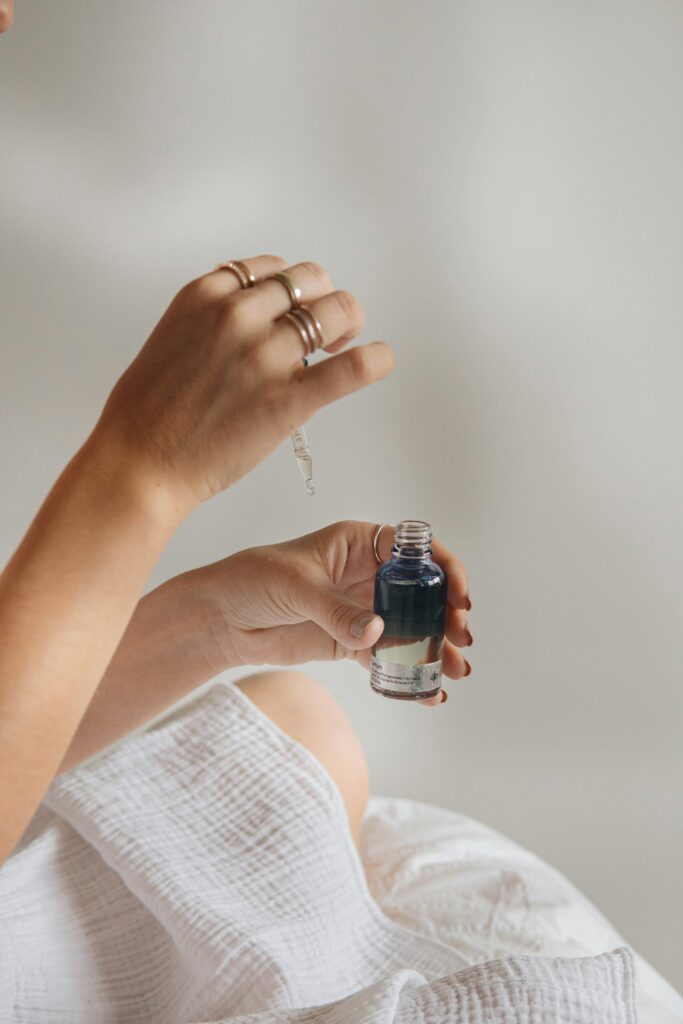
PDRN skincare UK routine with serum applied to hand
PDRN serums slot in after cleansing and before moisturiser.

Does PDRN actually work on skin?

Honest answer: the clinical evidence is strongest for injectable PDRN used in clinic. Topical formulas are newer and the data is thinner, but it’s building. Most users report a “plumper, calmer” look within four to six weeks of daily use rather than dramatic before-and-afters.

Don’t expect PDRN to do the job of retinol or vitamin C. It’s a repair ingredient, not an exfoliator or brightener. Where it shines is after a harsh winter, post-treatment (think microneedling or laser), or for skin that reacts badly to actives. If your barrier is wrecked, this is the aisle to browse.

Best PDRN skincare UK products to try in 2026

Medicube PDRN Pink Peptide Serum – around £32

The gateway drug. It’s the one you’ll see on every “viral” shelf edit, and there’s a reason – it pairs salmon PDRN with niacinamide and peptides, so you’re covering three bases at once. The pink tint is cosmetic, not pigment.

Rejuran Healer Essence – around £85

Pricier and more serious. Rejuran is the clinical brand clinics reach for, and its at-home essence is the closest you’ll get to the injectable without a needle. Worth it if you’re post-procedure or have skin that’s been through it.

Anua 100+ PDRN Repair Serum – around £28

Lightweight, layering-friendly, with a proper hit of hyaluronic acid. Good pick if you already use actives and want to slot PDRN in without disrupting everything else.

VT Cosmetics Reedle Shot PDRN 100 – around £24

The vegan option. It uses plant-derived polynucleotides rather than salmon, which is handy if the idea of fish DNA on your face is a no from you. The tingle is real, so patch test first.

PDRN skincare UK glass bottle on dressing table
Most PDRN formulas come in small amber or pink glass to protect the active.

PDRN facials and in-clinic treatments in the UK

If you want the full-fat version, clinics across London, Manchester and Edinburgh now offer PDRN “skin booster” injectables. Dr David Jack’s clinic in Mayfair runs a PDRN Salmon Sperm Reset Facial from around £350, and places like sk:n and Waterhouse Young offer similar protocols. A typical course is three to four sessions spaced two weeks apart.

It’s not cheap, but the results are more dramatic than topicals and usually last six to nine months. The NHS guidance on cosmetic procedures is worth a read if you’re new to injectables – anyone offering this should be a regulated medical professional, not a beautician.

How to use PDRN skincare in your routine

Apply to clean, slightly damp skin, before heavier serums or moisturiser. Morning and evening is fine. You can layer it with niacinamide, hyaluronic acid and peptides without drama. Keep it away from the same application as strong retinol or acid exfoliants – use PDRN the mornings after those nights, as a buffer.

If you’re already using an LED face mask, PDRN pairs well with it. The light helps drive the ingredient a little deeper, and both are working on the same repair pathway.

Who should skip PDRN?

Pregnant or breastfeeding? The topical data is limited, so it’s a polite no from most dermatologists until more studies are out. Fish allergy sufferers should go vegan-PDRN only. And if you’re happy with your existing routine and it’s working, don’t feel obliged to stack another serum just because the algorithm keeps showing it to you.

Frequently Asked Questions

Is salmon sperm really in PDRN skincare?

Kind of. Traditional PDRN is purified from salmon milt, but what ends up in the bottle is the DNA fragments, not the sperm itself. Every trace of protein is removed, which is why it’s classed as hypoallergenic. Vegan PDRN uses plant polynucleotides and skips the fish entirely.

How long until I see results from a PDRN serum?

Most users notice calmer, plumper skin within two to four weeks. Visible firming and tone improvement takes more like eight to twelve weeks of twice-daily use. Clinic injectables work faster – often within a week.

Can I use PDRN with retinol?

Yes, just not at the same moment. Use retinol in the evening and PDRN in the morning, or alternate nights. PDRN actually helps offset retinol irritation, so the two are good long-term partners.

Are there vegan alternatives to PDRN?

Yes. Several Korean brands now offer plant-derived polynucleotides, typically from ginseng or tremella mushroom. Performance data is early but promising, and you’ll see more options on UK shelves through 2026.

PDRN skincare UK isn’t a miracle, but it’s one of the few genuinely interesting additions to the shelf this year. If your skin is tired, irritated, or just not bouncing back the way it used to, it’s worth a tester bottle. If you’re already happy with your routine, you’re not missing out on much. And if you’re curious enough to try the clinic version – go to a proper medical professional, not a pop-up.

Amara Osei

Amara Osei writes about health, fitness and wellbeing, with a particular interest in how wellness trends cross over from social media into mainstream UK culture. Before moving into journalism she worked as a personal trainer in London, and she still treats every new fitness product with the suspicion of someone who's had to hold a plank in a church hall at 6am. She has a degree in Sports Science from Loughborough and writes regularly on sleep, supplements, recovery and the realities of fitting exercise into a busy week.

One thought on “PDRN Skincare UK: What It Is and Does It Really Work?

  • Tom Baker

    PDRN has been a watch-this-space ingredient since late 2025, so it is useful to see a proper explainer rather than the usual hype. The key thing most UK coverage misses is that patch-test tolerance varies significantly even within the same brand’s formulas. For anyone who has layered PDRN alongside retinol, did you find the combination worked or did you have to pick one and drop the other?

    Reply

Leave a Reply

Your email address will not be published. Required fields are marked *