
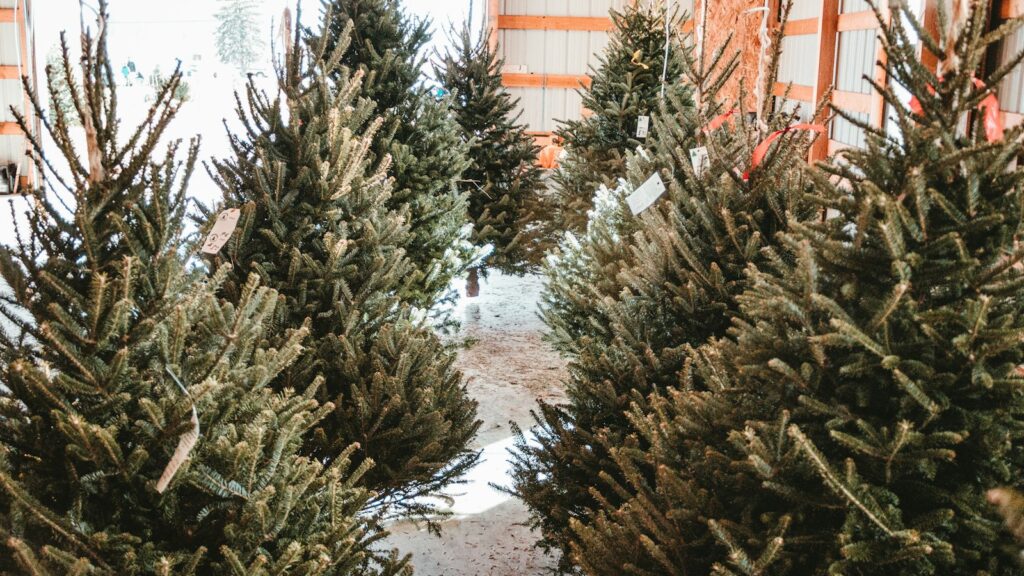
Real vs Artificial Christmas Tree in 2026: A £44 Fir Against a £139 Fake, and the Year the Carbon Sums Flip
A real tree costs about £44. A decent fake costs more than that, and the two price tags cross over sooner than most people expect. But the carbon sums take far longer to cross, and that gap is where the real vs artificial Christmas tree argument actually lives.
In This Article
- Real vs artificial Christmas tree: the money, year by year
- The carbon sums nobody prints on the box
- What Britain is actually buying
- The case against the real tree is mostly about 20 December
- Buying a real tree so it lasts
- Buying a fake you'll actually keep
- The potted tree sounds clever and mostly isn't
- The cost nobody adds up: eleven months in the loft
- So which one should you buy?
Most households settle it on habit. This year it’s worth settling it on numbers, because the cheapest tree in the shop and the greenest tree in the shop are rarely the same one.
Real vs artificial Christmas tree: the money, year by year
Start with the real one, because it’s the easier number. The Horticultural Trades Association’s 2024 Christmas tree survey found shoppers claimed to spend an average of £44 on a real tree at a garden centre. That’s self-reported spending rather than a price list, so treat it as a guide. Total spending on real trees that year was £194 million.
Artificial trees are messier to price. The most recent proper round-up I could find is Expert Reviews’ guide from December 2023, so every figure below is nearly three years old and will have moved. It listed a 6ft M&S spruce at £22, a range of DWA trees from £65 on Amazon, a 6ft pre-lit M&S Noble at £139 (£111 on offer at the time) and Balsam Hill’s Fraser Fir from £369.
Put those against a flat £44 a year, ignoring inflation and the cost of lights, and you get this.
| Artificial tree (Dec 2023 price) | Christmas it becomes cheaper than buying real |
|---|---|
| M&S 6ft spruce, £22 | Cheaper from the first year |
| DWA range, from £65 | Second Christmas |
| M&S 6ft pre-lit Noble, £111 on offer | Third Christmas |
| M&S 6ft pre-lit Noble, £139 | Fourth Christmas |
| Balsam Hill Fraser Fir, from £369 | Ninth Christmas |
So on money alone, a mid-priced fake wins by year three or four. The £369 one needs nearly a decade, and that’s before you’ve paid for the storage box.
Here’s where I’ll plant a flag. The £22 tree is the false economy of this list. It’s cheap enough that nobody feels bad about binning it when a branch snaps, and that’s precisely how a fake tree ends up costing more per year than a real one.
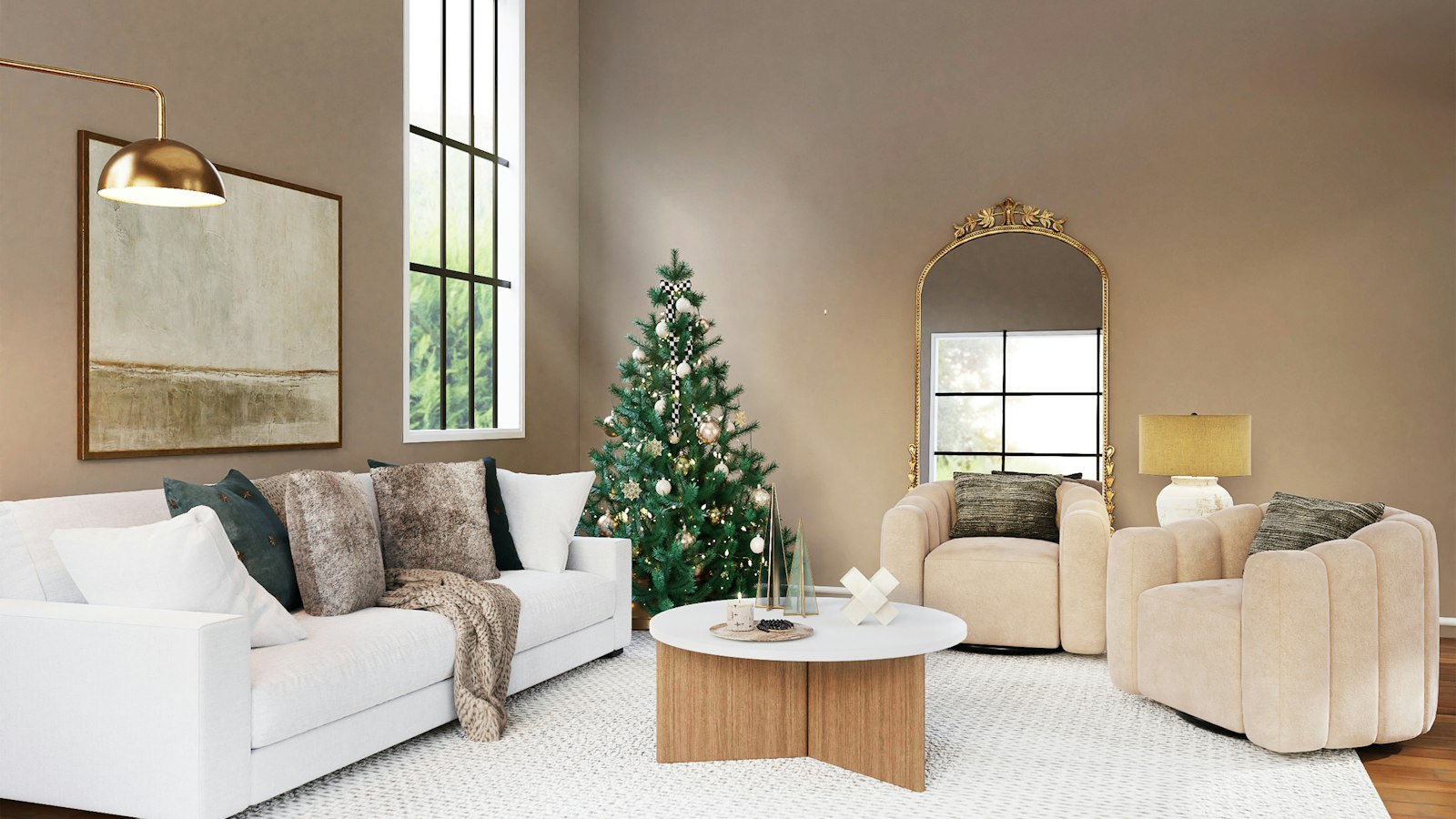
The carbon sums nobody prints on the box
The environmental case is where people get most confident and most wrong. The figures that get quoted come from the Carbon Trust, and the Big Issue’s guide sets them out well.
An artificial tree carries about 40kg of greenhouse gas emissions once you count manufacturing, packaging and transport. A real tree that’s thrown away comes in at more than 15kg, and a two-metre tree rotting in landfill is put at 16kg, mostly methane. A real tree that’s chipped or replanted is a fraction of that. The Big Issue puts the fake at over ten times a single recycled or replanted real tree.
Read that again, because it cuts both ways. A real tree sent to landfill is not a green choice. It’s a methane problem with needles on.
The Carbon Trust’s own advice is to keep an artificial tree for at least seven years before it beats buying a real one each year, and fakes can last around twenty. Here’s my arithmetic, not theirs: against a real tree that ends up in landfill at 16kg, a 40kg fake pulls level after two and a half Christmases. Against one that’s chipped at something under 4kg, it takes ten. The seven-year figure sits between the two, which suggests it assumes a mix of disposal habits.
One more caveat. The Big Issue quotes figures of up to 80% savings from council chipping and from replanting, but doesn’t say where the 80% comes from. I wouldn’t hang a decision on it. The RIAS guide reaches the same unglamorous conclusion that I’d reach: there’s no single right answer, and it comes down to how long you keep a fake and what you do with a real one.
What Britain is actually buying
The fakes are winning. Statista’s survey for October and November 2024, quoted by RIAS, found 61% of UK consumers planning to buy an artificial tree against 20% planning a real one.
And yet the real tree isn’t going anywhere. The HTA found 4.9 million households bought at least one real tree in 2024, and the British Christmas Tree Growers Association puts annual sales at six to eight million trees, mostly Nordmann fir and Norway spruce. Garden centres sold to 52% of those households.
Those two sets of numbers don’t contradict each other. Plenty of people own a fake, and plenty of the rest still want the smell of a fir tree in the house for three weeks.
The case against the real tree is mostly about 20 December
Here’s the contrarian bit: a real tree is overrated for anyone who likes to put it up in the last days of November.
The Carbon Trust’s guidance, again via the Big Issue, is that an unpotted real tree lasts six weeks at the very most, and only with proper watering. Six weeks from 25 November is already past New Year, which sounds fine until you meet the tree on 18 December. By then it’s dropping needles into the carpet every time somebody walks past, and the lights are sitting on bare twigs.
The fix is dull but works. Buy later, in the first or second week of December, and put it up that weekend. A real tree is a three-week tree. If your household wants a tree up for six, you want a fake.
Lighting matters more than people allow too. A tree is a big, dark shape in the corner until you light it, and the same rules apply as for any other room. We covered the practical side in our guide to living room lighting for after the clocks go back, and a tree is simply the seasonal version of the same problem.
Buying a real tree so it lasts
If you’re going real, the sensible checks haven’t changed in years. Ask when it was cut. Run a branch through your hand and see how many needles come away. Have the seller saw a fresh slice off the base, then get it into water the same day and keep it away from radiators. A tree parked next to a radiator dries out far faster than one in a cool corner, and you’ll see it in the carpet.
On species, Nordmann fir and Norway spruce are the two you’ll mostly see. My understanding is that the Nordmann holds its needles better, but check with the seller rather than taking my word for it.
The Carbon Trust advice, as relayed by RIAS, is to pick a locally grown, FSC-certified tree that grew slowly without fertiliser. And afterwards, don’t let it go in the bin. Most councils run collections or drop-off points in early January, trees are chipped for paths or soil, and some “treecycling” schemes reuse them in projects like flood barriers. Check your council’s dates now, not on 6 January.
There’s a useful extra fact in the RIAS piece too: real trees take ten to twelve years to grow, absorbing carbon dioxide the whole time. A cut tree isn’t a loss in the way a plastic one is a cost.
Buying a fake you’ll actually keep
If you’re going artificial, the only question that matters is how long it’ll survive. Everything else is secondary.
Look at the material first. RIAS notes that many older PVC trees used lead stabiliser, and that newer trees are more often polyethylene, which is much less likely to contain it. Polyethylene tips also tend to look more like real needles than flat PVC ones. Expert Reviews’ 2023 verdict on the budget M&S spruce was “wonderfully understated (and affordable)”, which is polite for a tree you shouldn’t expect to keep for ten years.
Then consider the pre-lit question. A pre-lit tree is quicker to put up, and it saves a tangle on the floor every December. But when one strand fails you’re stuck with a tree that has a built-in expiry date. My preference is an unlit tree and your own lights, so the thing that dies first is the thing you can replace for a few quid.
A £65 tree kept for ten years costs £6.50 a Christmas. A £139 pre-lit one kept for ten costs £13.90. Both are far cheaper than £44, and both clear the Carbon Trust’s seven-year line. Buying second-hand, which RIAS suggests, improves the carbon sums further.
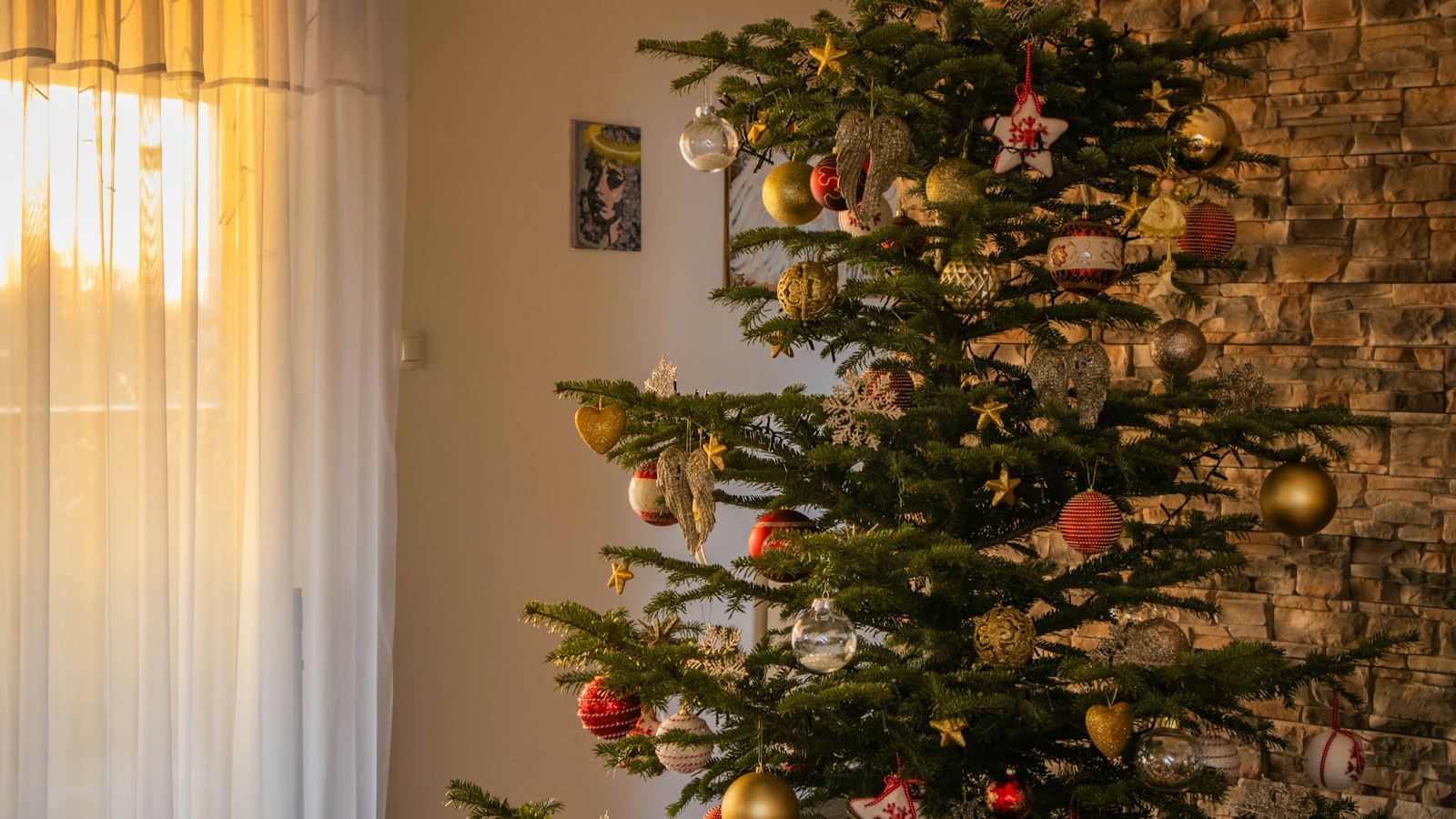
Think about where it’ll go as well. Narrow hallways suit slim fakes far better than a full 6ft real fir, and our hallway ideas piece covers how to make the space work with whatever you bring home.
The potted tree sounds clever and mostly isn’t
A living tree in a pot, replanted in January and brought back next year, is the most appealing idea on this list. It’s also the one I’d tell most people to skip.
The Royal Horticultural Society advice, quoted by RIAS, is to keep a living tree indoors for no more than 12 days, in a cool room, and to repot it into a larger container each year. Twelve days. That’s barely a Christmas, and a cool room is the opposite of the warm sitting room where the tree is meant to go.
If you have a garden and the patience, it works. For a flat with underfloor heating, it’s a pot of expensive compost by February.
The cost nobody adds up: eleven months in the loft
A 6ft fake in its box takes up real space. Not dramatic space, but the sort of space that decides whether the loft hatch is a five-minute job or an afternoon. That’s a genuine cost for anyone in a one-bedroom flat, and it’s the reason plenty of people who’d save money with a fake still buy a fir every year.
It also changes how you treat the tree. Pack a fake badly, with the tips squashed and the pole bent, and the second year looks worse than the first. By the fifth it’s the tree that makes the room look tired. If you won’t pack it properly, don’t buy one. A real tree has no such problem: it arrives, does its three weeks and leaves, and your flat is back to normal by the second week of January.
Timing is worth planning, because Christmas Day lands on a Friday this year. The first weekend of December is the 5th and 6th, and a real tree bought then gives you nearly three weeks. Buy it the weekend after, on the 12th and 13th, and it’ll look at its best on the day itself. For a fake, put it up when you like, and then pick the same weekend anyway so the lights and baubles go on in one go.
One small practical point on the way out. Whichever tree you choose, take the baubles off before the tree leaves the house, and check the base for tinsel. Garden waste teams do notice, and a chipper doesn’t care for glass.
So which one should you buy?
If your tree goes up in the first week of December and you’ve got a council collection near you, buy real. It’s £44 or so, the smell is the point, and a chipped tree is the lowest-carbon option on the table.
If you want it up from the end of November, or you live somewhere with no collection and no car, buy a fake. Choose polyethylene, pick a mid-price tree rather than the cheapest, and commit to keeping it for at least seven years. Ten is better. Write the year you bought it on the box.
The two bad outcomes are worth naming clearly: a cheap fake that’s binned after three Christmases, and a real tree that goes to landfill. Both cost more than they look and both are worse for the planet than the tree they replaced.
If a festive trip is on the cards before the tree goes up, our Christmas market breaks guide covers the cheapest ways to get away first.
Which will it be in your house this year: a fir for three weeks, or a fake you’ll still be unboxing in 2036?