Living Room Lighting Ideas for After the Clocks Go Back: Why Britain Switched Off the Big Light in 2026 – And the £4 Bulb That Matters More Than the Lamp
At about 4.40pm on Sunday 25 October the sun goes down over London and doesn’t come back up at a civilised hour until March. That’s the evening most of Britain reaches for a light switch, and a large chunk of the country will make a point of not pressing the one by the door. The big light has become the most argued-over switch in the house. These living room lighting ideas are for the people who’ve decided they’re done with it – and for the people who suspect the whole thing is a TikTok affectation and want to know what the fuss is about before they spend a penny.
In This Article
- Britain decided the big light was rude
- The science bit is real, but it isn't "lamps good, ceiling bad"
- Living room lighting ideas that cost less than a takeaway
- The £4 bulb matters more than the lamp
- Where the lamps go, which nobody explains
- Rechargeable lamps: the trend that's half right
- Smart bulbs: IKEA's £6 answer to a £70 question
- What it costs to run – and why that isn't the point
- What to do this weekend
I’m in the first camp, mostly. But half the arguments for it are wrong, and the bit that matters costs £4.
Britain decided the big light was rude
The phrase itself is ours. Americans say “overhead lighting” and mostly don’t think about it; when Slate ran a piece defending it in December 2024 it read like a dispatch from a country that had never been told off for turning one on. Over here it’s been “the big light” for as long as anyone can remember, which tells you it was always slightly suspect – the light you put on to find a lost earring, run the hoover round, or signal to guests that it’s time to go home.
What changed was a TikTok. A creator called @geeeofdeee posted a clip in late 2022 explaining that she had one rule for her house: nobody, ever, uses the big light. The hashtag went well past 100 million views and the argument went mainstream. Homes & Gardens polled designers on it in 2024 and got a spread of answers, the most useful from Neptune’s Simon Temprell, who described the central pendant as the old standard of every British living room and suggested moving it – lower, off-centre, over a side table – rather than ripping it out. Another designer in the same piece begged readers not to remove the ceiling wiring, on the grounds that the next owner might like to see the Lego on the floor before they stand on it.
Retail followed. Ideal Home’s 2026 lighting trend report has Pooky’s creative chief describing rechargeable lamps as a standout category “season after season”, and M&S’s £95 alabaster rechargeable lamp was trending on its own site within days of launching in August. John Lewis’s donut lamp is a bestseller. IKEA has put a rotating uplighter in its PS 2026 collection at £35 and replaced its old smart bulbs with a cheaper range that dims and warms from a £3 remote. When IKEA, M&S and John Lewis all move at once it isn’t a micro-trend any more. It’s how people light rooms.
And yet. Walk down any terrace in Leeds or Croydon at 7pm in November and count the ceilings. The big light is losing the argument online and winning it in most actual homes, because it does the job and the lamp people have never told anyone what to buy.
The science bit is real, but it isn’t “lamps good, ceiling bad”
The sleep argument gets repeated a lot, so here’s what the research found rather than what the captions say.
A 2020 study in Scientific Reports, led by Sean Cain at Monash University, measured evening light in people’s own homes with a wearable spectrometer rather than in a lab. Nearly half the homes were bright enough in the evening to cut melatonin by 50%. The range between individuals was enormous – from no suppression at all to 87% under the same average home – and more evening light than a person’s own norm went with more time awake after going to bed. That’s a real effect, measured in real living rooms, and it’s the strongest evidence the anti-big-light lot have.
But read it again. The study measured how much light reached the eye. It didn’t measure whether that light came from the ceiling or a table. A 1,521-lumen “100W equivalent” bulb in a lamp at eye level next to the sofa puts more light into your retinas than a dim pendant three metres up. I’ve sat in plenty of lamp-only living rooms that were brighter at eye height than the big light ever was, because someone bought the brightest bulbs in the shop and pointed them at their own face.
So the rule isn’t lamps versus ceiling. It’s how much light, what colour, and where it lands. Get those wrong and a room full of lamps is just a bigger big light in five pieces.
Living room lighting ideas that cost less than a takeaway
The reason people keep the big light is money and faff. So here’s what the lamp route costs, priced off IKEA’s UK site this week, because that’s where most of Britain will end up buying it whatever the magazines say.
A BARLAST table lamp is £4. A GRÖNÖ, the little frosted glass cube that’s been in the range for a decade, is £7. TOKABO and STORSEGEL are £9 each. ÅRSTID, the fabric shade on a nickel base that half the country’s bedrooms already own (I’ve had one since a flat in Leeds in 2014 and it’s outlived two sofas), is £15. FADO, the glass globe everyone photographs, is £19, and so is TÄRNABY, which has a dimmer dial built into the base and is the one I’d buy first. On the floor, the TÅGARP uplighter is £10 and the BARLAST floor version is £8; a RÖDFLIK reading lamp is £29 and the LAUTERS tripod, which looks like it cost four times as much, is £50. The IKEA PS 2026 uplighter with the rotating head is £35 if you want something people will ask about.
Put that together. A TÅGARP in the corner behind the telly, a TÄRNABY by the sofa, an ÅRSTID on the other side and a GRÖNÖ low on the bookshelf comes to £51. Four points of light, a working lamp-only living room, for about what a Deliveroo for four costs on a Friday. You’ll need a four-gang extension lead from Screwfix for about £6, because the sockets are never where the lamps want to be. The bulbs are extra, and the bulbs are the bit everyone gets wrong – more on that in a minute.
Skip FADO. It’s the most photographed lamp in Britain and a plain glass globe with a bare bulb inside is a glare machine at eye level; it’s a bedroom lamp pretending to be a living room lamp. The TÅGARP, an ugly-ish £10 uplighter nobody puts on Instagram, does more for a room than any object in the store, because it bounces light off the ceiling and back down, softly, which is what the big light was supposed to do all along. If you’ve been reading about closing off a snug before the heating goes on, the uplighter is the thing that makes a small room feel like a choice rather than a cupboard.
The £4 bulb matters more than the lamp
Here’s the mistake. People spend £50 on lamps and then screw in whatever was in the kitchen drawer, and the drawer bulb is a 4000K “cool white” that turns a cosy corner into a dental surgery.
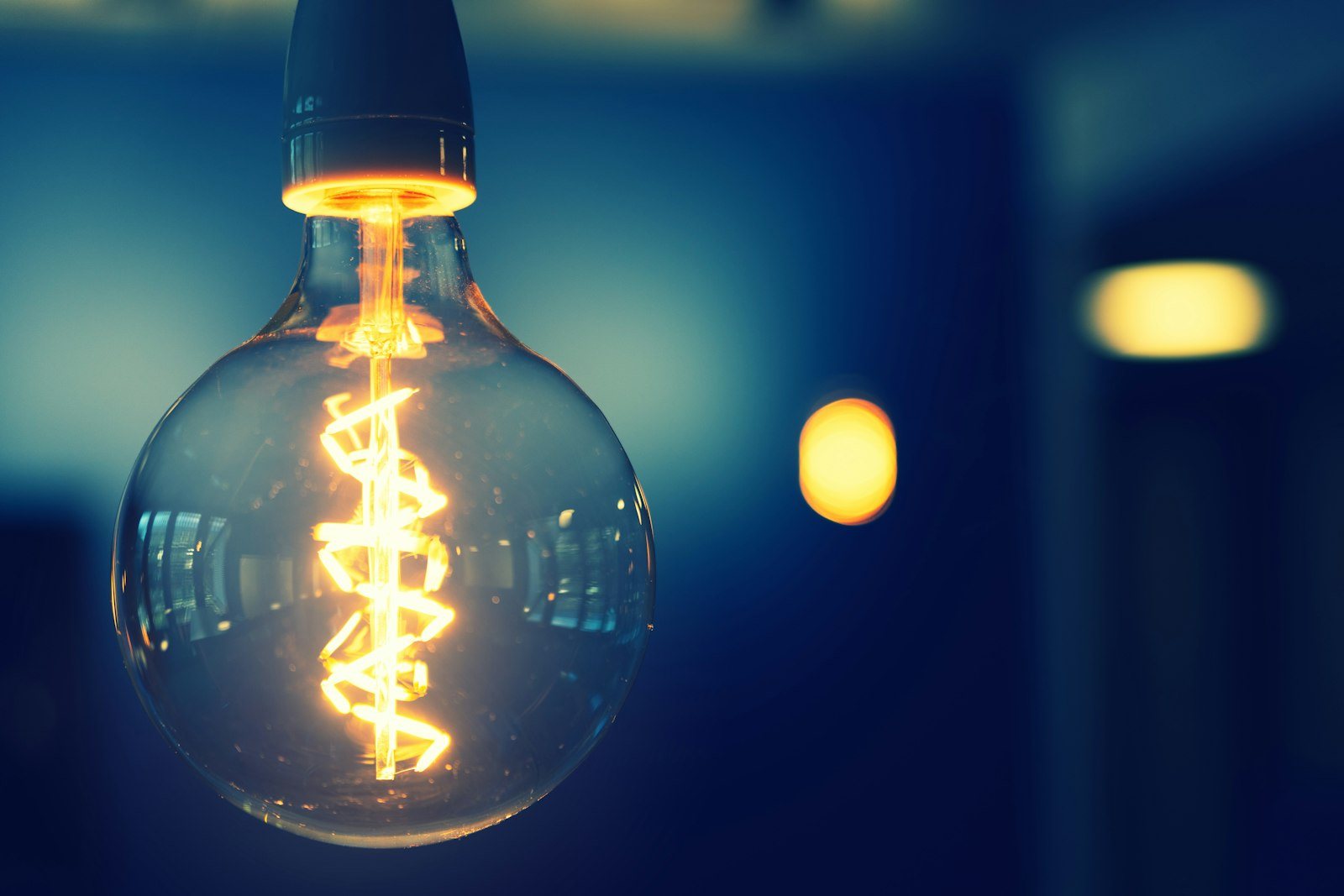
Colour temperature is the number on the box in Kelvin. 2700K is the old incandescent glow. 2200K is warmer still, the colour of a filament bulb dimmed right down. 4000K is what offices use. IKEA sells a SOLHETTA 806-lumen bulb in 4000K for £4 and it sits on the shelf directly next to the 2700K version at the same price, in near-identical packaging. I’d bet a good fraction of the lamp-only living rooms in this country feel wrong because someone grabbed the wrong box.
Brightness is lumens, not watts. 470 lumens is roughly an old 40W bulb; 806 is a 60W; 1,055 is a 75W; 1,521 is a 100W. For a lamp you’re sitting next to, 470 is plenty. For an uplighter that’s lighting the whole room off the ceiling, go to 806 or 1,055. Nobody needs 1,521 lumens in a table lamp, and yet it’s the one people reach for because “brighter is better” is a hard habit to break.
Then dimmable. A SOLHETTA 470-lumen bulb is £1, but it doesn’t dim. The LUNNOM 470-lumen clear glass bulb is £4 and does. That £3 gap is the best money in this whole article, because a dimmable warm bulb on a TÄRNABY dial gives you 9pm light that a non-dimmable one never will. A living room lit with £1 bulbs and a room lit with £4 bulbs look like different tax brackets.
And never, in a living room, buy anything labelled “daylight”. Not for reading, not for the corner where you do your make-up, not because it was on offer in B&M. Daylight bulbs are 5000K and up; they belong in a garage. If what you’re after is bright light in the mornings, that’s a different product – we went through the SAD lamp question and the lux numbers every box fudges earlier this month – and it shouldn’t be on at 8pm.
Where the lamps go, which nobody explains
Height is the whole game. If you can see the bulb when you’re sitting down, the lamp is in the wrong place or the shade is too short; the bottom of a table lamp shade should sit at roughly your shoulder when you’re on the sofa, so the light falls on the page or your lap and not into your eyes. That’s why a £15 ÅRSTID on a side table beats a £60 designer piece on the floor.
Uplighters go behind furniture, in corners, pointed at the ceiling. Their job is the bounce. Small lamps go low – a shelf, a windowsill, the floor by a plant – because light coming from below eye level is what makes a room read as evening. And wall lights, the trend Ideal Home’s panel is backing for 2026, do the job a pendant does without the harshness: a pair either side of the chimney breast, or one over the reading chair. Rechargeable versions exist now that screw to the wall with no electrician, which is the only reason they’re back.
Draw the curtains before you switch anything on. Lamplight against black glass is what makes rooms feel cold, and it’s half the reason people give up on the lamp thing in week one. We made the case for lined curtains and the pelmet last week; it applies double here.
Rechargeable lamps: the trend that’s half right
Every autumn lookbook this year has a cordless lamp on a shelf, and I understand why. The corner with no socket is the reason most people gave up on lamps in the first place.
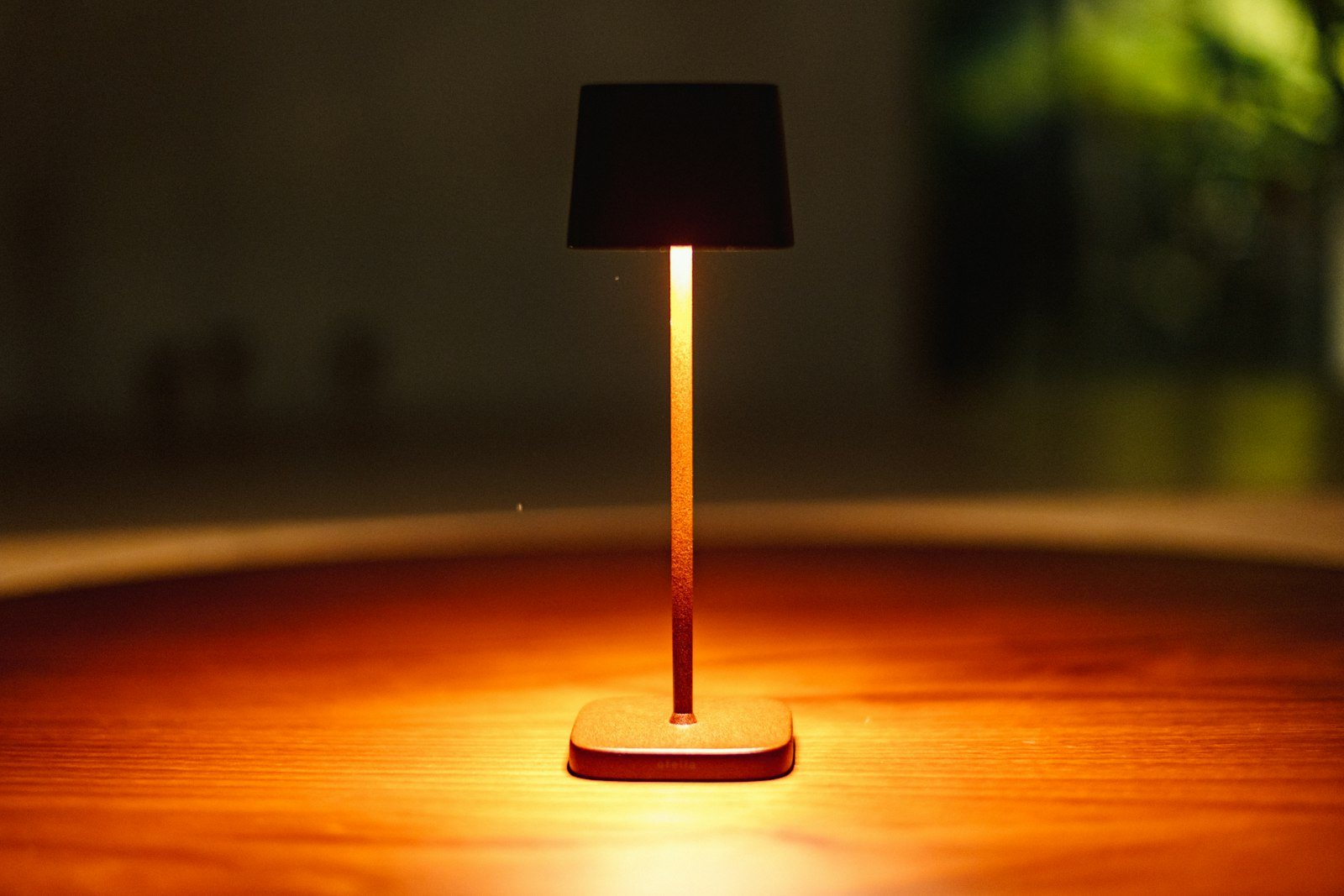
Dunelm’s Keko rechargeable touch lamp is £20, charges in four hours, runs for six to eight, and its 3000K colour is warm enough. It puts out 180 lumens. That’s not a typo. 180 lumens is a candle and a half; it will light a bookshelf, a mantelpiece, or a dinner table where everyone’s face is close, and nothing else. The M&S alabaster and marble one at £95 does the same job with a lovelier glow and a stone shade that looks like the moon when it’s on. Pooky’s rechargeable pieces run from about £116 for a wall light to £183 for a table lamp with a shade; the Italian Zafferano Poldina, the one on every restaurant table in Soho, is north of £150. All of them are accent lights. None of them will light a room, and the ones that claim to are lying.
The other thing nobody says: batteries age. A lithium cell that runs eight hours in year one runs five in year three, and the lamp becomes something you charge on the kitchen worktop and forget on the shelf. Buy one, for the one spot with no plug. Don’t build the room around them.
Smart bulbs: IKEA’s £6 answer to a £70 question
The obvious upgrade is to make the lamps do the dimming and warming for you, and the price of admission has collapsed. IKEA’s KAJPLATS bulbs are the new range, and a 1,055-lumen white-spectrum one – so you can slide from 2200K to 4000K – is £6. The full-colour version is £9. A BILRESA remote is £3 and the bulb pairs straight to it: press the button four times close to the bulb and it flashes. That’s a lamp that goes warm and dim at the touch of a button for £9 all-in. You don’t need the £70 DIRIGERA hub unless you want an app, a schedule, or to shout at it.
Philips Hue is the name everyone knows. A Hue White A60 bulb was £9.99 on Philips’s own site this week, down from £19.99, and the White and Colour Ambiance single is £38.99 in the sale. Hue is better built and the app is better, and if you’re already in the ecosystem, fine. But the honest position in 2026 is that colour is a party trick you’ll use twice, warm-dimming is the feature you’ll use every night, and IKEA sells warm-dimming for six quid.
What you’re aiming for is a 9pm scene: every lamp at 2200K and about 30%, one press. Once you’ve lived with it for a week the big light feels like someone opening the curtains in a cinema.
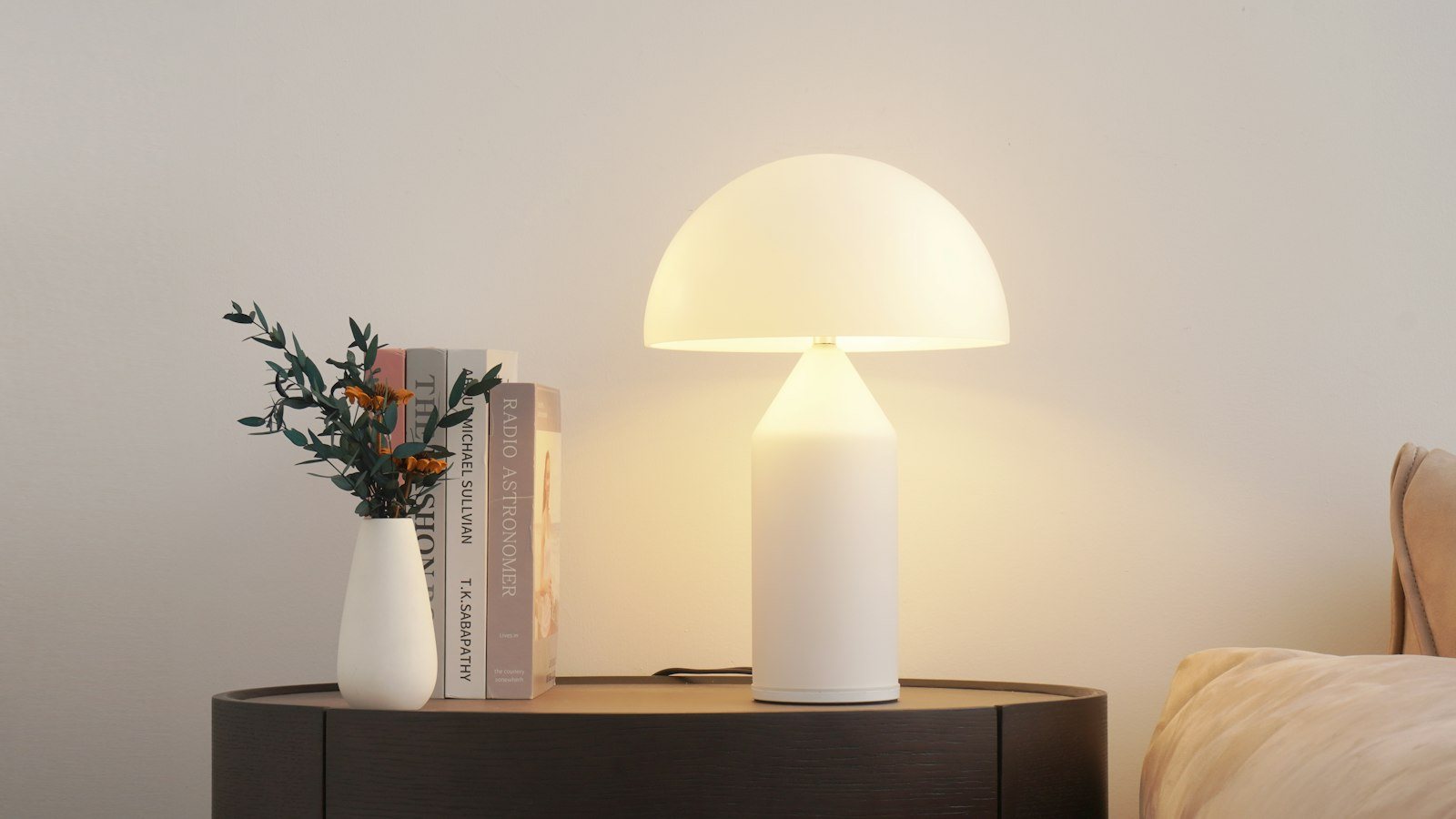
What it costs to run – and why that isn’t the point
From 1 October Ofgem’s cap puts electricity at 26.32p a kWh on a standard tariff, with VAT taken off electricity until March. So let’s do the sums. Four lamps with 5W bulbs, on for five hours an evening, use 0.1 kWh a night: 2.6p. A ceiling fitting with 24W of LED in it uses 0.12 kWh over the same five hours: 3.2p. Over a month the lamps save you about 16p.
Sixteen pence. Anyone selling you lamps as an energy-saving measure is selling you lamps. The real bill savings this winter are in heating and hot water, and we’ve already been through the gadgets that pay for themselves and the £40 plug that doesn’t. Lamps are a mood decision. Make it for that reason and the smart meter won’t disappoint you.
The one exception is the old halogen uplighter still lurking in some spare rooms. Those were 300W. Five hours of one is 40p a night, close to £12 a month, and swapping it for a £10 TÅGARP with a £5 LED in it pays for itself before the clocks go forward.
What to do this weekend
If you’re going to try it, try it properly. Buy four points of light, not one: an uplighter for the corner, a lamp either side of the sofa, and something small and low on a shelf. Put 2700K or warmer in all of them, dimmable where the lamp allows it, and keep every bulb at 806 lumens or below except the uplighter. Brass bases if you’re choosing – Pooky says it outsells every other finish, and it’s the one that still looks right when the trend moves on. Leave the big light wired and working, because the next person to live there may want it and because you will too when the cat’s been sick behind the sofa. Then give it a fortnight before you decide. The first few evenings feel dim. By the second week the ceiling light feels aggressive, and that’s when you know it’s worked.
Or don’t. Plenty of people think the whole thing is a fad and that a room lit from the ceiling is a room you can find your keys in. They’re not wrong about the keys.
Which side are you on this winter – and if you’ve already gone lamp-only, which corner did the big light turn out to be right about?