Royal Variety Performance 2026: Why a Sold-Out Albert Hall Show Still Has a £5 Way In
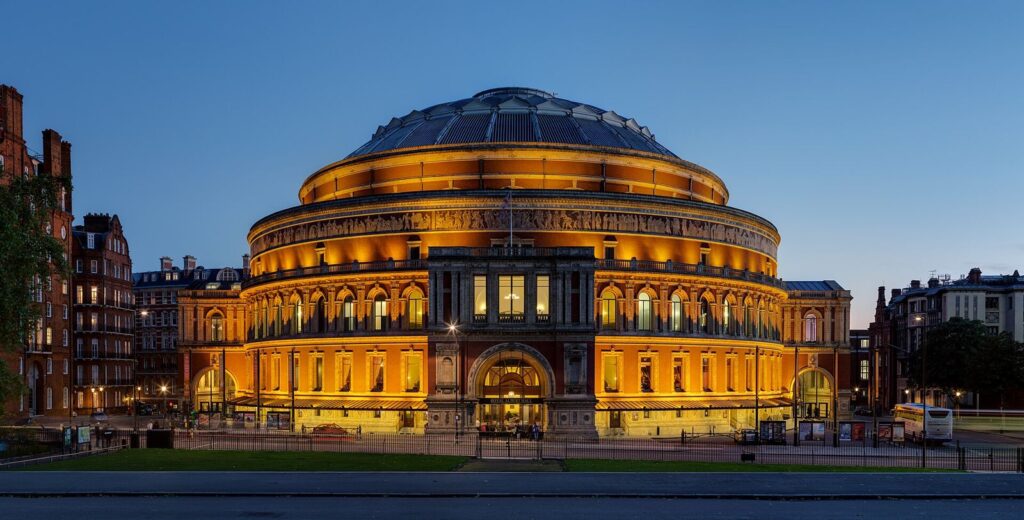
The most revealing detail about the Royal Variety Performance 2026 isn’t who’s on stage. It’s that the main show at the Royal Albert Hall on Friday 20 November has already sold out, in a year when plenty of far glossier live events are still shifting seats. The charity behind it says so bluntly: “Tickets have now SOLD OUT.”
In This Article
- Royal Variety Performance 2026: what's actually on the bill
- The £5 way in, and the aftershow nobody mentions
- Six musicals and two comedians: the variety problem
- Why the sofa audience matters more than the stalls
- A very short history of a very old show
- Jason Manford and the job nobody wants to get wrong
- Three things to watch for on the night
- Who's missing
- Where the money goes
- What to do if you want in
That’s a remarkable thing for a programme plenty of people assume faded out years ago.
It hasn’t. Jason Manford is hosting for the third time, the King and Queen are attending, and the bill runs from Idina Menzel flying in from the States to a farmers’ choir from Britain’s Got Talent. There is still a way in if you’ll settle for the party rather than the performance, and a £5 prize draw if you fancy your luck. I’ll come to both. But first it’s worth asking why a variety show, a format everyone keeps writing off, still fills the Albert Hall.
Royal Variety Performance 2026: what’s actually on the bill
Start with the list, because it’s longer than you’d think. According to the Royal Variety Charity’s line-up announcement, made on 27 October, the night features The Greatest Showman, Idina Menzel, the Hawkstone Farmers Choir, James Blunt, Vanessa Williams, Jack Savoretti, Andrea Bocelli, the cast of Billy Elliot the Musical, Avenue Q, a Jesus Christ Superstar medley led by Sam Ryder, circus act The Ramadhani Brothers, balancer Veronika Ivanova, comedians Milton Jones and Phil Wang, and the Operation Mincemeat cast with military bands. Alfie Boe sings the National Anthem.
Menzel is the headline for anyone who cares about stage musicals. She’ll sing ‘The Wizard & I’ with its composer Stephen Schwartz beside her, which is a neat bit of timing given it’s the 20th anniversary year of Wicked. Bocelli’s slot is billed as an exclusive appearance marking 30 years since he became an international name.
And then there’s Hawkstone. The choir won Britain’s Got Talent, the first choir ever to do so according to the charity, and they’re doing a special song. That’s the booking I find most interesting. It’s the show admitting that its real talent pipeline now runs through ITV’s own talent shows, not the old music hall circuit.
The £5 way in, and the aftershow nobody mentions
Tickets for the main performance are gone. Two routes remain, and neither is the stalls.
The first is the Aftershow Party at the Natural History Museum, which follows directly after the show. The charity says some tickets are still available through its online store. I couldn’t find a price published anywhere I could check, so look before you get excited. If you want to be in the same building as the cast once the cameras stop, it’s the closest you’ll get.
The second is the “Donate & Win Tickets” prize draw, with entries “for as little as £5”, all proceeds going to the Royal Variety Charity. The prize is a VIP experience, and a teaser on the charity’s site mentions two premier stalls seats. It’s a raffle. Treat it as a donation that comes with a lottery ticket attached, because that’s what it is, and you’ll feel better whichever way it goes.
One caveat: I haven’t seen terms for the draw, so check the closing date before you enter.
Six musicals and two comedians: the variety problem
Here’s my contrarian view. The Royal Variety Performance has quietly stopped being a variety show.
Count the acts. Six of the fifteen billed items come from musical theatre: The Greatest Showman, Idina Menzel, Billy Elliot, Avenue Q, Jesus Christ Superstar and Operation Mincemeat. Add the West End-adjacent Vanessa Williams and it’s closer to seven. Comedy gets two names, Milton Jones and Phil Wang, with Manford holding it together between acts. There’s one circus turn.
That isn’t a criticism of any single booking. Billy Elliot marks 21 years since it opened, and the charity says it’s ahead of a return to the West End. Avenue Q is getting rewritten lyrics and, we’re told, surprise star cameos. Fine. But look at what it adds up to: a showreel for the West End’s winter shows with a few celebrity names stirred in. Every one of those musicals has a commercial reason to be in front of the cameras at Christmas, and the Albert Hall slot is the cheapest advertising in British theatre.
Is that a bad thing? Partly. The old Royal Variety was a place where a stand-up could be the thing people talked about on Saturday morning. With two comedians out of fifteen, nobody’s career is getting made on this one, and the format’s name is starting to read like a heritage label.
But it’s not all grim. Musical numbers survive a living-room television far better than ten minutes of observational comedy, and the ones booked here are crowd-pleasers. If the producers wanted a night that works at 8pm on a sofa with the whole family in, they’ve built it.
Why the sofa audience matters more than the stalls
The Royal Variety Charity describes the show as “now watched by over 152 million TV viewers worldwide”. That’s the charity’s own claim, not an independent audit, and I’d read it as a lifetime figure rather than anything about this year. But the direction is clear enough. The Albert Hall seats several thousand. The broadcast is the real product.
The charity’s own line-up page says the show is filmed for TV broadcast over the Christmas holidays, and BroadwayWorld reports it was commissioned by ITV’s Katie Rawcliffe and produced by Lifted Entertainment, part of ITV Studios. I couldn’t find an exact transmission date or channel confirmed in the material I checked, so I’m not going to guess one. Expect it to land somewhere in the festive schedule.
That matters because of where the show sits. It lives in a Christmas television slot that has been shrinking for years, and it competes with everything else you’ll be asked to sit through in December. Our piece on Strictly’s 2026 ratings is a reminder of how much harder it is for any big Saturday-night show to hold an audience now. Variety is built for that world, short segments, big names, something for the person who only wants Bocelli and the person who only wants the circus act.
A very short history of a very old show
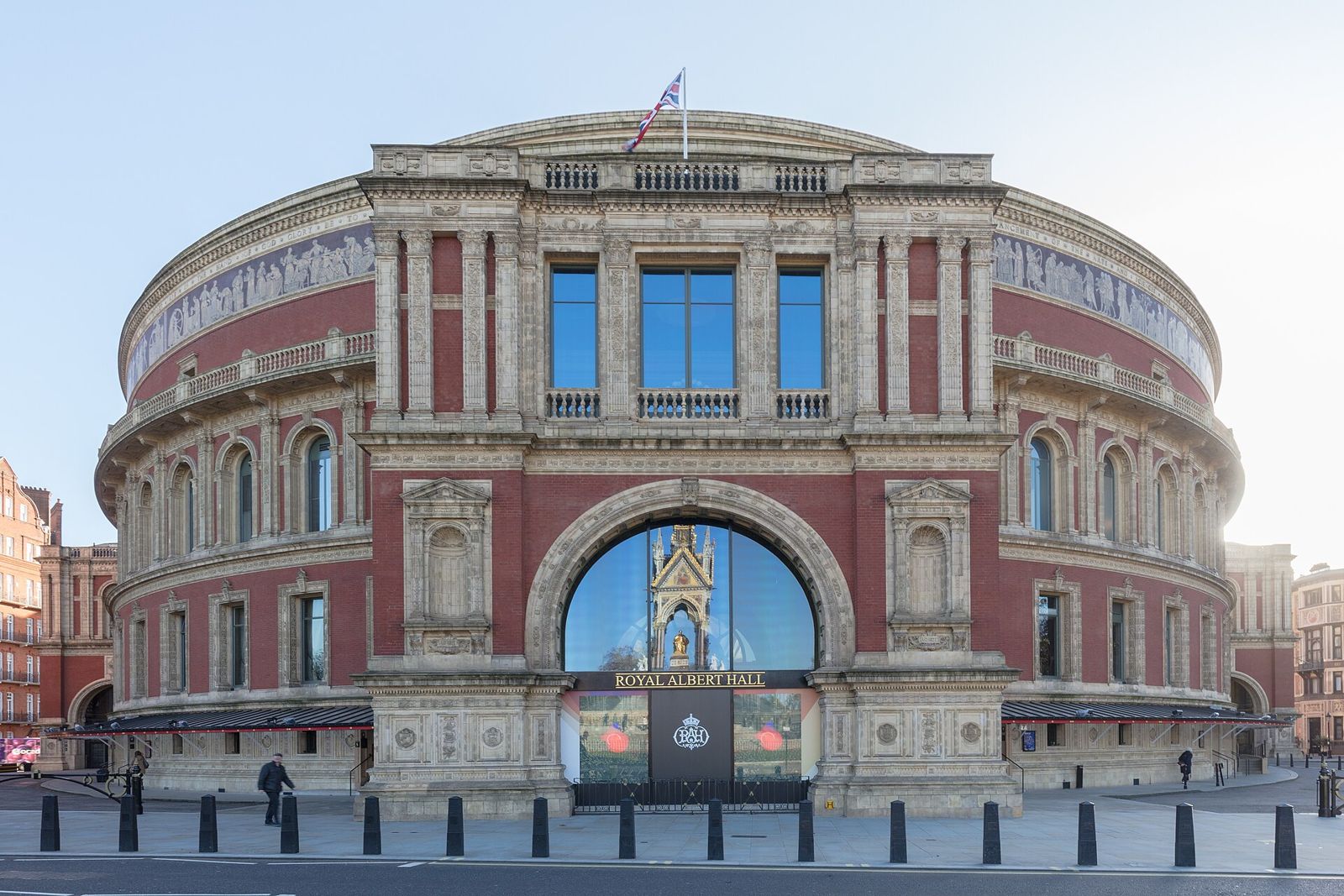
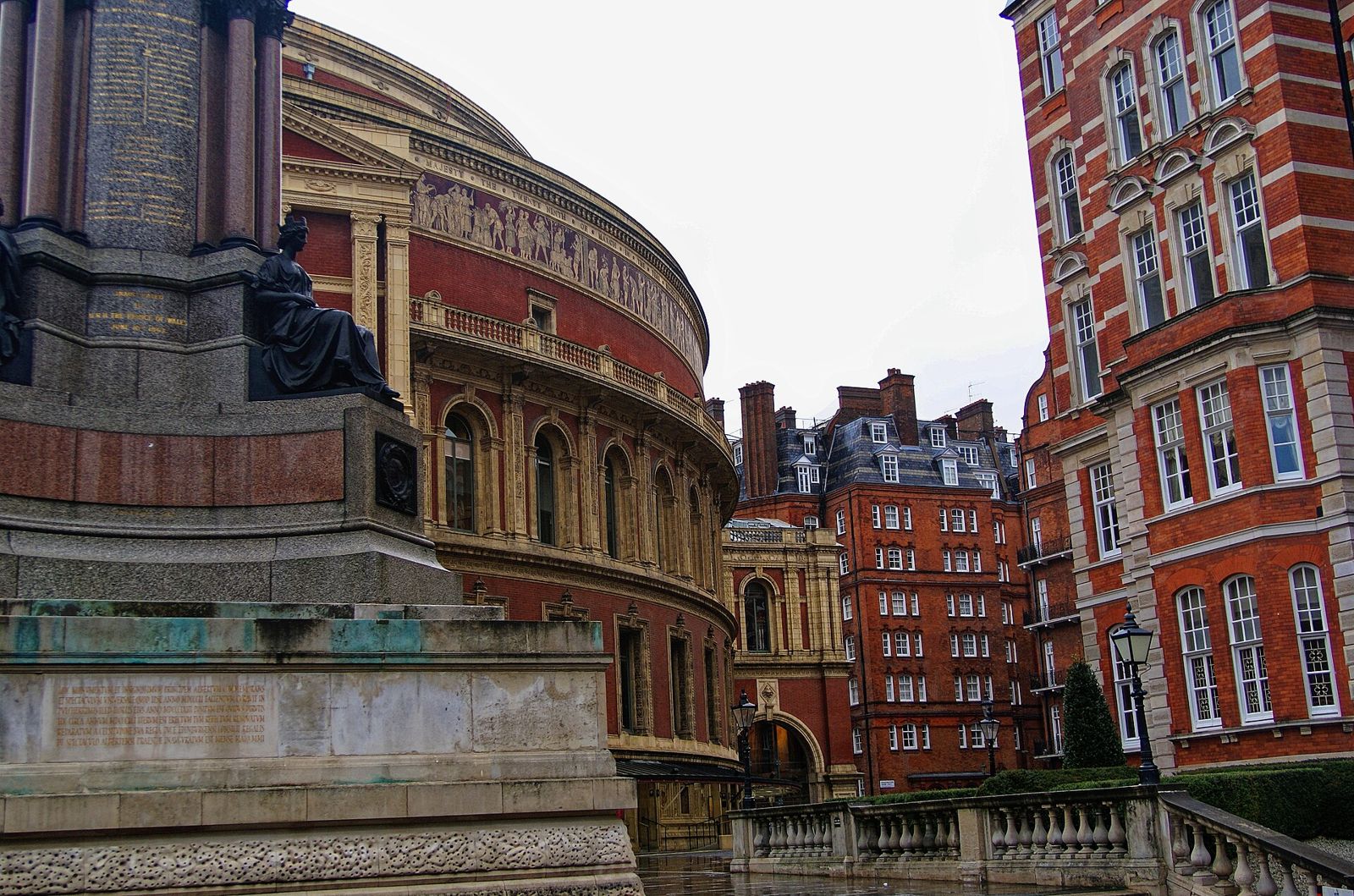
The first Royal Performance was staged in 1912, in front of King George V and Queen Mary, and the charity founded in 1908 has run the thing ever since. The 100th anniversary was held at the Royal Albert Hall in 2012. Since then the show has moved around London: the charity’s history page lists the Hammersmith Apollo and the London Palladium among its recent homes.
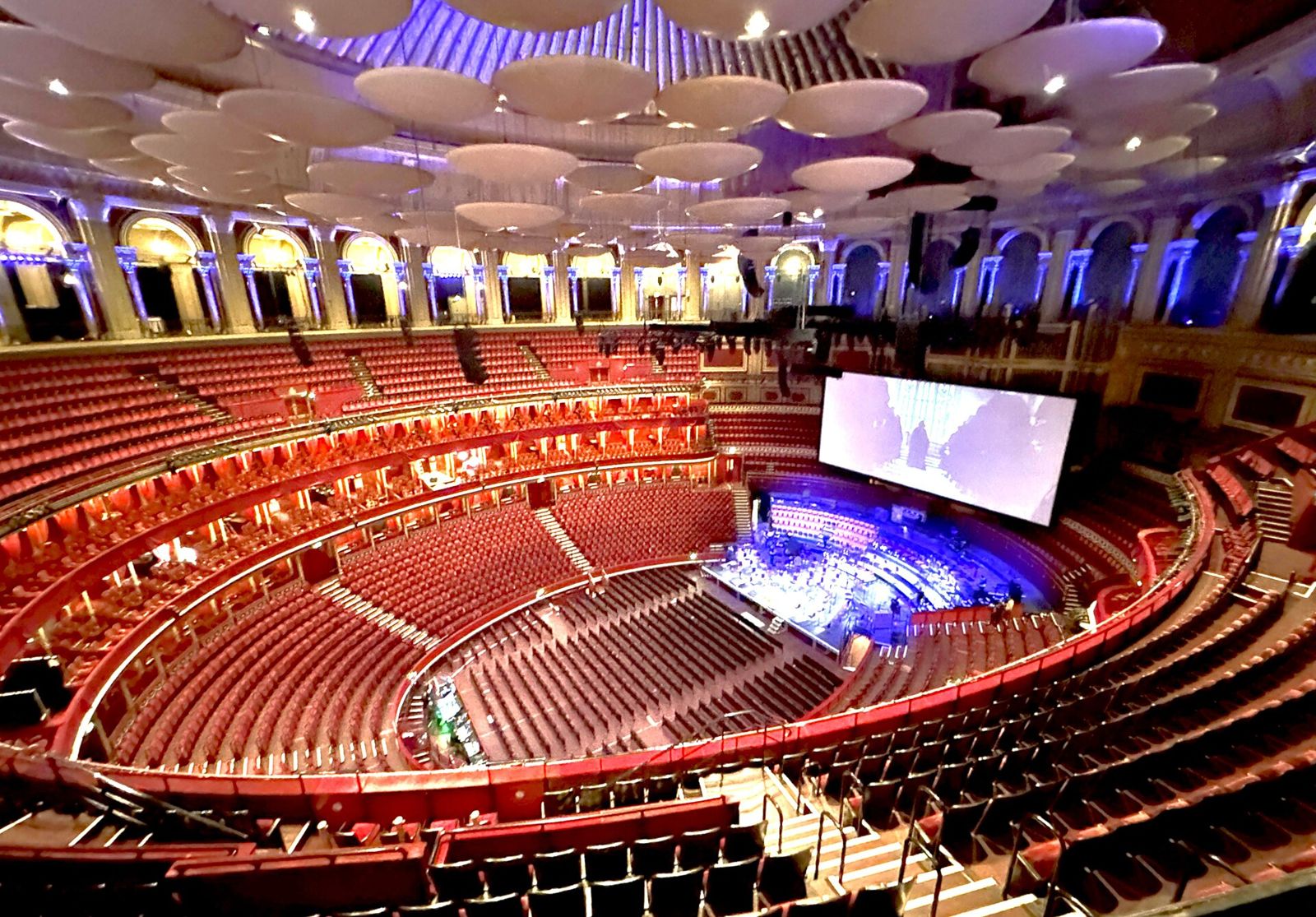
So this year’s return to the Albert Hall is a homecoming of sorts, and a significant one. The hall is bigger and grander than the theatres the show has used lately, and a room that size forces a different kind of bill. You can’t hold a room that size with a quiet monologue. You need Bocelli, a chorus line and a trapeze.
There’s one more first. BroadwayWorld reports that Queen Camilla will be attending for the first time as The Queen, alongside the King, who is sole patron of the charity. That alone guarantees the cameras will spend a lot of time pointing at the royal box.
Jason Manford and the job nobody wants to get wrong
Hosting this show is a strange gig. You’re the glue between fifteen unrelated acts, in front of a royal box, with a live audience dressed up and a television audience in pyjamas, and you’ve got about ninety seconds to make each link land.
Manford is doing it for the third time, his sixth appearance on the show overall, and in the charity’s words that puts him “in line with legends such as Tommy Cooper and Ken Dodd”. He says it’s “a huge privilege to be asked to host The Royal Variety Performance for a third time”. Strip out the publicity gloss and the reasoning is sensible. He’s a stand-up who can do warm, he’s comfortable with musical theatre audiences, and he doesn’t need a script to cope when a royal moment runs long.
But I’d argue he’s also the quiet answer to the variety problem. With comedy squeezed down to two named slots, the host is effectively the third comedian on the night. Get his links right and the show feels funnier than its billing suggests. Get them wrong and fifteen acts start to feel like a very long evening.
Three things to watch for on the night
Forget the headline names for a moment. The moments that tend to stick from a Royal Variety broadcast are rarely the ones in the press release.
Avenue Q first. The charity says the cast will perform a re-written ‘For Now’ and ‘It Sucks To Be Me’, with surprise star cameos. Nobody’s naming the cameos, which is the point, and if the producers have booked an unexpected face it could be the clip that goes round on social media the next morning. If it’s a minor celebrity reading a line off a card, it’ll vanish without trace. Puppet satire in front of a king is a gamble either way.
Then Jesus Christ Superstar, with Sam Ryder leading a supersized medley from the current revival. Ryder is a proper rock voice, and a medley is the one format where a big arena-sized sound can really use the Albert Hall’s acoustics. It’s the number most likely to get a standing ovation from the stalls.
And finally the Operation Mincemeat finale, which brings in the Royal Naval Association Choir and members of the Band of the Royal Marines, the Irish Guards and the Welsh Guards Fanfare Team. A comedy musical about a wartime deception, backed by actual military bands, in front of a monarch. It’s gloriously over the top. That’s exactly what this show does well, and nothing on a streaming service replicates it.
Who’s missing
It’s a decent line-up, but it’s light on the one thing the show was built for: a proper unexpected name. There’s no big pop act on the bill apart from Blunt, no young British comedian with a breakout special behind them, and no surprise reunion. The bookings are safe, and I suspect that’s partly why the show sells out. Safe is an easy sell to a charity gala crowd.
Whether it’s a good television programme is a separate question. Safe has its limits on a Christmas schedule that’s competing with a dozen other specials. The producers will be hoping the cameos and the Hawkstone Farmers Choir moment give them a clip worth sharing.
Where the money goes
This part gets overlooked. The show exists to raise money for the Royal Variety Charity, which describes its work as residential care at Brinsworth House, financial grants and mental health support for people across the entertainment profession. In other words, it looks after old actors, musicians, stagehands and dancers who have run out of road.
It’s a decent reason to put up with the lopsided bill. A £5 raffle entry that funds care for retired performers beats most of the things you’ll be asked to donate to at Christmas, and it’s got the advantage of a possible stalls seat attached.
What to do if you want in
The plain answer is that the main show is closed. Your options are the aftershow tickets at the Natural History Museum, the £5 prize draw, or the Christmas broadcast. Of the three, the aftershow is the only one that puts you in a room with the cast, and the broadcast is the only one that’s guaranteed.
If you’re after the evening itself, our guide to Christmas shows in London has seats that haven’t sold out yet. If a bigger night out is the point, the Sam Smith London Coliseum residency is another event that’s hard to book, and Edinburgh Hogmanay is worth a look if you’re planning New Year early.
The Royal Variety Performance is a bit of an anachronism, and it’s none the worse for that. The people who sneer at it still tend to be the ones who end up watching. So, with only two comedians on a fifteen-act bill, which act would you have booked to bring some of the variety back?