

Movember 2026: The 5 Men’s Health Checks Worth Booking, and the Supplements That Aren’t
Only 37% of eligible men in England have ever been invited for an NHS Health Check. That figure comes from a Healthwatch England poll of 3,575 men in 2025, and it’s the number I’d pin to the fridge door this Movember. Because the same poll found that more than half of the men who did attend went on to change something about how they live, and 92% said they’d go again. The check works. Most men just never get the letter, or bin it.
In This Article
- 1. The NHS Health Check: the boring one that matters most
- 2. Blood pressure, between the big checks
- 3. The testicular self-check: thirty seconds, once a month
- The prostate question nobody explains properly
- 4. Bowel screening: the kit that sits on the shelf
- 5. A diabetes risk check, if the scales say so
- The bit where I tell you to skip the supplement shelf
- What to do with the results
- Why men's health checks get skipped, and the excuses that don't hold up
- A short booking list for this week
Meanwhile the men’s health aisle at Boots is doing a roaring trade in things nobody has proved you need. Which is the backwards bit. Men will spend £30 a month on a testosterone “stack” and avoid a ten-minute blood pressure check that costs nothing.
So here are the men’s health checks that have real evidence behind them, what each one involves, and a straight view on where the money is better kept in your wallet.
1. The NHS Health Check: the boring one that matters most
If you’re in England and aged 40 to 74 with no existing heart, kidney or diabetes diagnosis, you should be invited every five years. It takes 20 to 30 minutes. They measure your height, weight and waist, take your blood pressure, and run a cholesterol test, sometimes with a blood sugar test too. You’ll be asked about smoking, alcohol, exercise and whether anyone in the family had heart trouble young.
The output is a ten-year cardiovascular risk score: low, moderate or high. That’s it. No scan, no drama.
And yet it’s the check I’d put above every other on this list, because heart disease, stroke, diabetes and kidney disease are major causes of early death, and all four are quietly measurable years before they announce themselves. If you’re 40 or over and haven’t had a letter, ring your GP surgery and ask. Don’t wait. Surveys suggest plenty of eligible men are never sent one, so asking is a perfectly reasonable thing to do. The NHS Health Check page lists exactly who qualifies.
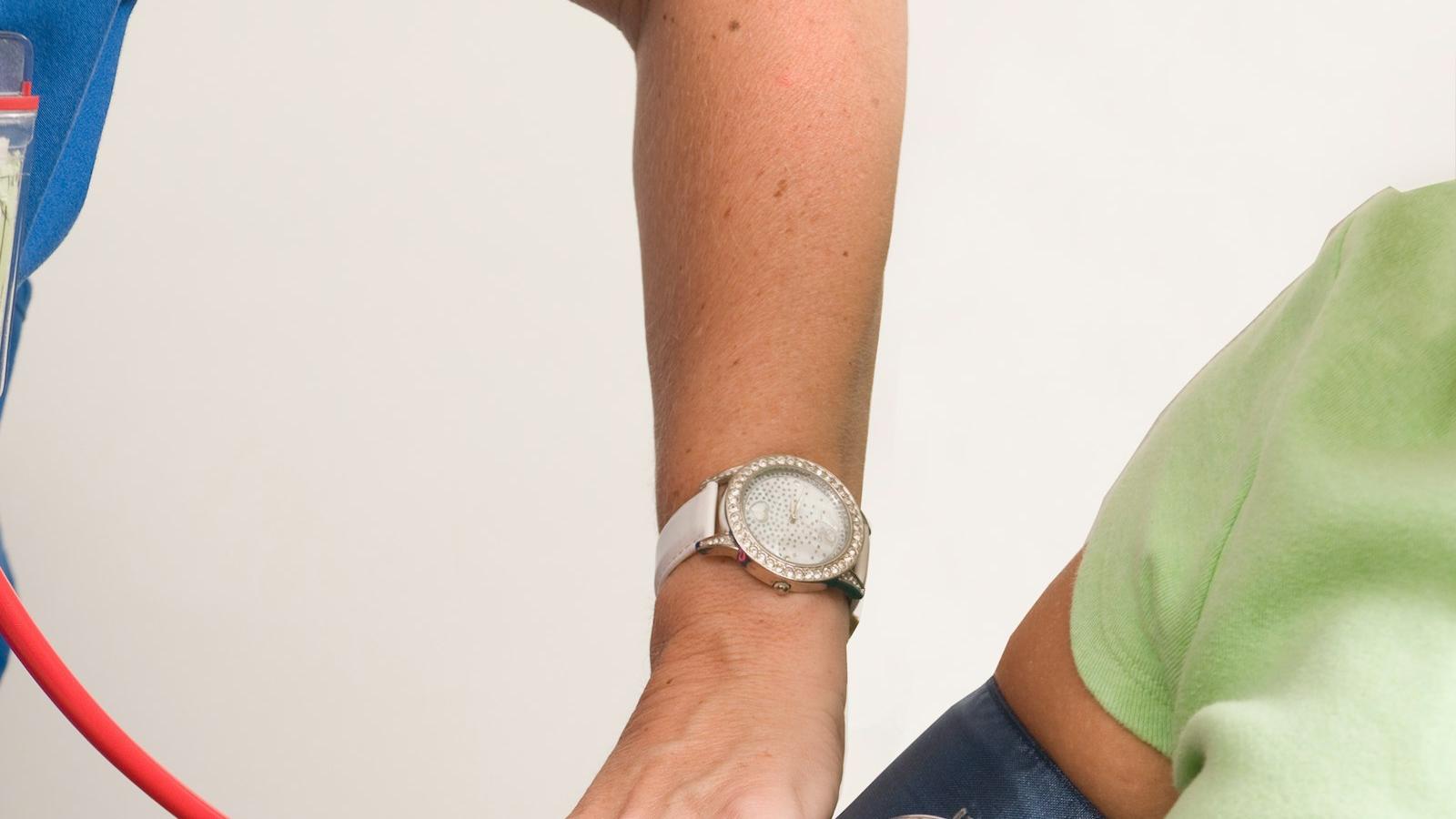
2. Blood pressure, between the big checks
Five years is a long gap. High blood pressure has no symptoms, so a reading that was fine at 42 can be well off by 46, especially if you’ve put on weight or your job has got more stressful.
Many pharmacies will do a free or cheap check, and a validated home monitor is about £25 to £35 if you’d rather keep your own log. I’d go for a home one if there’s any hypertension in your family. Take readings at the same time each morning for a week and bring the average to your GP, rather than reacting to one odd number taken after you’ve sprinted for the bus.
A word on the gadget side. Wrist trackers and smart rings are good at some things. Blood pressure isn’t reliably one of them yet. I wrote about how far you can trust a £399 sleep ring earlier this autumn, and the short version is that wearables tell you about trends rather than diagnoses.
3. The testicular self-check: thirty seconds, once a month
The odds here are on your side, which is exactly the point. Cancer Research UK counts around 2,320 new testicular cancer cases a year in the UK, and 96.5% of men survive ten years or more. Roughly 70 men a year die of it. Nine in ten cases with a known stage are caught at stage one or two in England.
Those numbers are that good partly because men notice a lump and get it looked at. NHS advice is to check regularly so you know what’s normal for you. A lump or swelling, a testicle getting bigger, an ache, or a scrotum that feels heavy or firm are all reasons to see a GP. Most of these turn out not to be cancer, and the NHS is blunt that they can have many causes. But you don’t want to be the man who waited six months because it didn’t hurt.
Do it after a warm shower, when the skin’s relaxed. Roll each testicle gently between thumb and fingers. Know what your normal feels like, including the tube at the back, so you’re not alarmed by something that’s always been there.
The prostate question nobody explains properly
This is where the headlines have been muddy, so let’s slow down. There is still no NHS screening programme for prostate cancer for men in general, and that isn’t an oversight. The UK National Screening Committee looked at screening everyone and decided the harms outweighed the benefits.
The reason is the PSA blood test itself. Among men with a raised PSA result, around 8 in 10 turn out not to have prostate cancer. A false alarm leads to MRI scans and sometimes biopsies, and overdiagnosis can mean treatment for a cancer that would never have caused harm, with side effects like loss of bladder control and erectile dysfunction. Cancer Research UK’s write-up of the committee’s decision is worth reading in full: targeted screening was recommended in May 2026.
The targeted version is for men aged 45 to 61 who carry a BRCA2 gene change and have a family history of breast, ovarian, pancreatic or prostate cancer. They’d be offered a PSA test every two years. The Government has accepted this for England, with rollout expected to begin in 2027. Scotland, Wales and Northern Ireland are still considering it.
So what should the average 50-year-old do? If you’ve no family history, you can still ask your GP about a PSA test, and they’ll talk you through the pros and cons. That’s your right, though the evidence for doing it routinely isn’t strong enough for the NHS to push it. If your dad or brother had prostate cancer, or there’s breast or ovarian cancer on either side of the family, tell your GP now and don’t wait for 2027. And be a bit wary of private “full MOT” packages that throw in a PSA as standard without explaining that 8-in-10 figure. Healthwatch found only 36% of men aged 50 and over had ever asked for the test, so it’s a conversation most men haven’t had.
4. Bowel screening: the kit that sits on the shelf
This one’s a posted test, and men are notorious for leaving it unopened. In England the NHS sends a home stool test (a FIT kit) every two years, and eligibility now starts at 50 rather than 60 – check the NHS site for your own nation’s age range, as they differ. Bowel cancer is one of the cancers where early detection changes the odds enormously, and the test takes about two minutes and involves no hospital.
I’ll say it plainly. If the kit’s been on your kitchen counter for a month, do it today. It is unglamorous, a bit of a faff, and probably the single most useful thing on this list for men over 50.
5. A diabetes risk check, if the scales say so
The NHS Health Check includes a blood sugar test for some people, but if you’re carrying weight round the middle, have a family history, or you’re from a South Asian or Black background where risk starts earlier, don’t wait for it. Diabetes UK has a free online risk score, and a GP can order an HbA1c blood test. Type 2 diabetes is often reversible or controllable in its early stages, which makes finding it early genuinely worthwhile.
The bit where I tell you to skip the supplement shelf
Here’s my contrarian view, and I’ll stand by it: most men over 40 would get a better return from a blood pressure cuff than from a £40 “men’s vitality” pot. Testosterone boosters are the worst offenders. The marketing leans hard on the idea that falling energy is a hormone problem you can fix with a herb. For most men it’s sleep, alcohol, weight and stress.
That doesn’t mean every supplement is pointless. Vitamin D is the exception that proves the rule – the NHS advises considering 10 micrograms a day through autumn and winter, and it costs pennies. I went through what the evidence actually supports on vitamin D this autumn, and it’s a short, cheap list. Beyond that, be sceptical. I’ve looked at ashwagandha and shilajit, both heavily pushed at men on social media, and neither has the kind of long-term human data you’d want before taking it daily.
A blunt rule of thumb: if a supplement claims to do something a blood test could confirm you need, get the blood test first.

What to do with the results
A moderate or high risk score isn’t a diagnosis. It’s a prompt. The usual next steps are boring in the best way: more walking, less alcohol, better sleep, and sometimes a statin or blood pressure tablet. If you’d rather not start with a pill, a daily walk is a decent first move. I covered the research behind interval walking and whether it beats 10,000 steps a few weeks ago, and it’s about as low-barrier as exercise gets.
Be realistic about the gap, though. Healthwatch’s research found the top thing men want from the NHS is better GP access and continuity of care. That’s true, and it’s frustrating. Getting an appointment in a hurry is hard. So use the routes that don’t need one: the pharmacy blood pressure check, the postal bowel kit, the Health Check invite, the home self-check.

Why men’s health checks get skipped, and the excuses that don’t hold up
I’ve heard all of them, and said a couple myself. “I feel fine” is the big one. It’s also the entire point: blood pressure, cholesterol and early diabetes feel like nothing right up until they don’t. Feeling fine is the condition the check is designed for.
“I can’t get an appointment” is fairer, and I’ll come back to it. “I’d rather not know” is the one I have the most sympathy for and the least patience with. Not knowing doesn’t change the numbers. It just means someone else finds them first, usually in A&E.
Then there’s cost. A private “full body MOT” costs anywhere from about £150 to several hundred pounds depending on what’s bundled in (I’m going from memory of advertised prices, so check current ones). Some of that is useful, since a lipid panel and HbA1c are sensible. A lot of it is padding: tumour marker panels, hormone profiles and vitamin levels that rarely change what a doctor would advise for a man with no symptoms. If you want to pay for something, pay for the basics and ask what the results would change before you hand over the card. Some packages duplicate what the free NHS check already measures. That’s my opinion from reading the brochures rather than any trial data.
One more thing worth knowing about cholesterol. A single “high” reading isn’t a verdict. The NHS Health Check uses it alongside age, blood pressure, smoking and family history to produce the ten-year risk score, and it’s the score that guides whether anyone suggests medication. A 41-year-old non-smoker with slightly raised cholesterol and a healthy blood pressure is in a very different position from a 58-year-old smoker with the same number. So don’t panic over one figure on a printout, and don’t shrug it off either.
A short booking list for this week
If you’re under 40, the useful things are the monthly testicular check, knowing your family history, and a baseline blood pressure reading. If you’re 40 to 49, add the NHS Health Check and a conversation with your GP if there’s any cancer in the family. At 50 and over, do the bowel kit when it arrives, and decide whether you want to talk about PSA with your doctor, with the 8-in-10 false alarm figure in mind.
None of this needs a Movember moustache, though if growing one gets a mate to book a blood pressure check, fair enough. The question worth asking yourself is a simple one: when did you last have a number on your own heart, and who in your group chat would you nudge to go and get theirs?