Sam Smith London Coliseum Residency: Four Nights Left, a £55 Seat and the Album That Flopped at Number 21
Three weeks ago Sam Smith released an album that entered the UK chart at number 21 and missed the American chart altogether. Tonight they walk out at the London Coliseum for the fifth of eight sold-out nights, with a BBC One special already in the can and a four-star review from Attitude calling them one of the strongest live singers in pop. Those two facts aren’t in tension. The Sam Smith London Coliseum residency is the album campaign – the record is just the excuse for it. And if you can find a seat for one of the four remaining nights, it’s the best £55 you’ll spend on a pop show this autumn.
In This Article
That’s the argument. The rest of this piece is why.
What’s left of the Sam Smith London Coliseum residency
The run opened on Tuesday 8 September and finishes on Saturday 19 September: eight shows across twelve days, after two warm-up nights at Manchester’s Albert Hall on 3 and 4 September. Four nights have gone. Four remain – Tuesday 15, Wednesday 16, Friday 18 and Saturday 19 – and they’ve been sold out since general sale on 10 July, so what you’re looking at now is official resale and the odd returned pair.
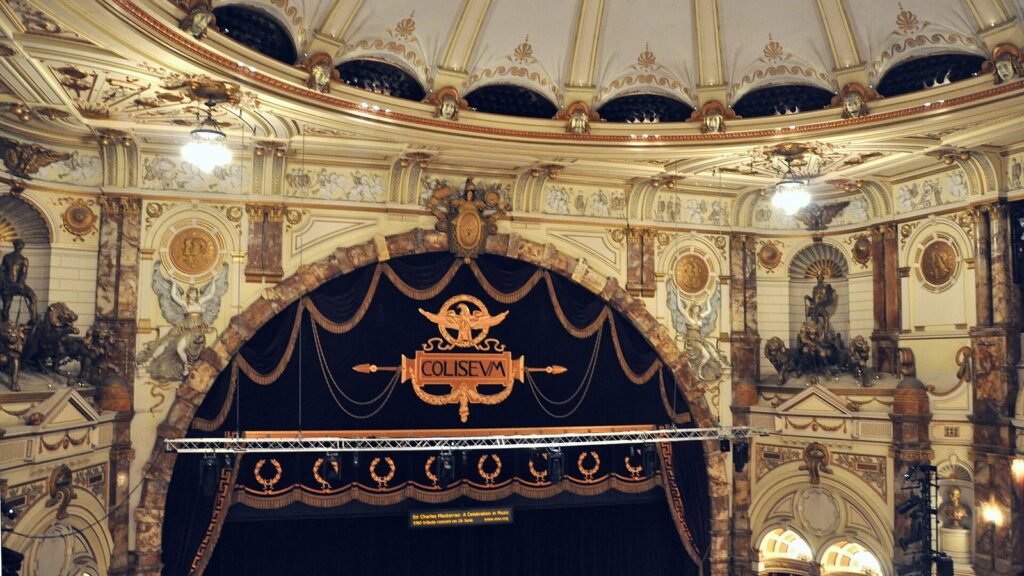
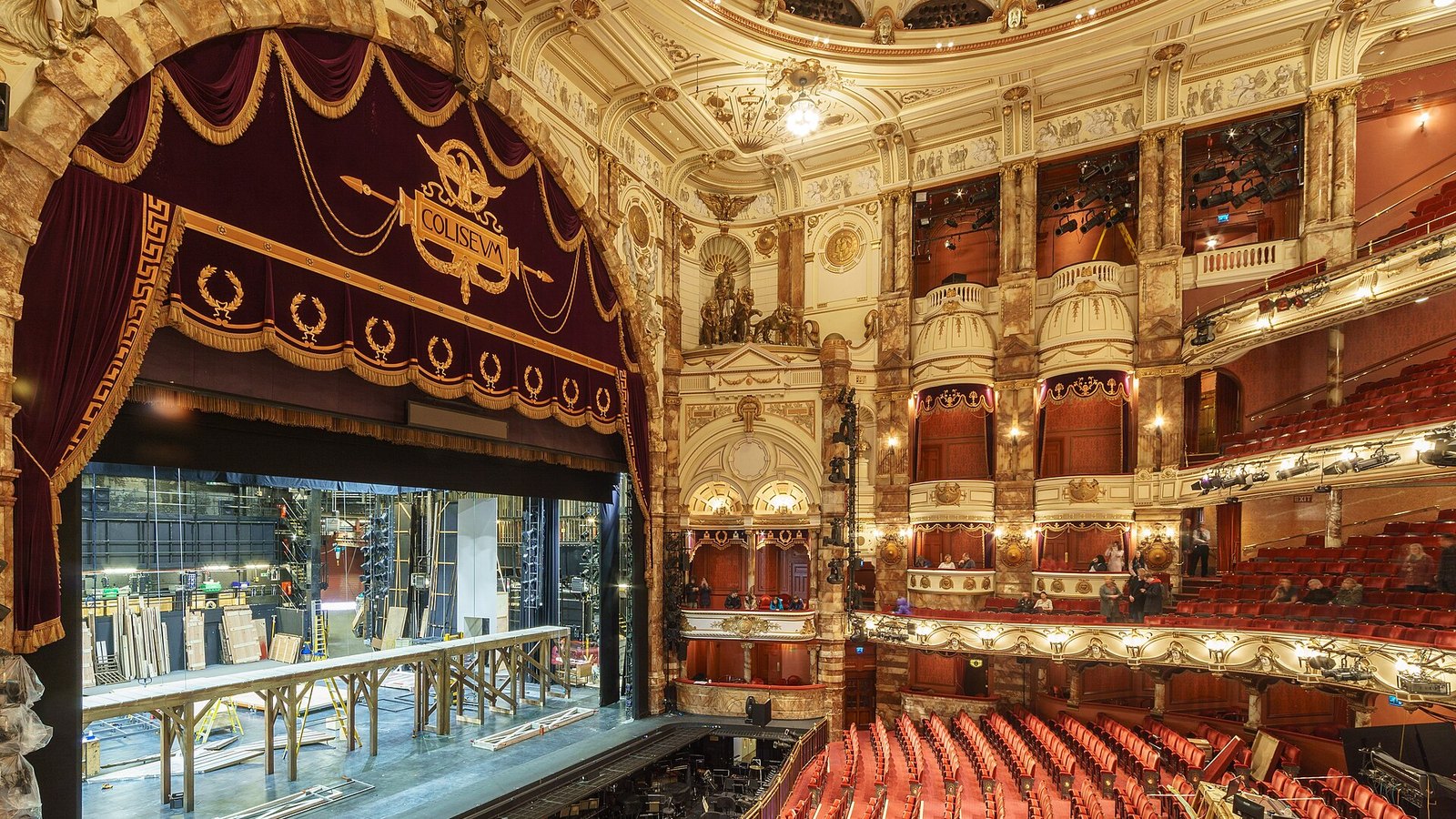
Face value started at £55. That number matters, because the arena comparison is brutal. Stevie Wonder’s arena dates opened at £101. Harry Styles’ Wembley residency has you a hundred metres from the stage unless you paid hundreds. Even Radio 2 in the Park, a BBC event, was £84 for a day in a field. The Coliseum has 2,359 seats. It’s the biggest theatre in the West End, and it’s still less than a fifth of the O2, which means the cheapest seat in the house is closer to the singer than most of the floor at an arena.
The £55 starting price was reported by FACT at the announcement in July. Resale will be higher, obviously. But even doubled it’s competitive with what a decent arena seat costs before fees.
A practical note on finding one. The official sellers were Ticketmaster, AXS and See Tickets, and all of them run a face-value-plus resale on this run, so check those before you go anywhere near the secondary sites. Returns tend to appear in the morning on the day of the show, usually singles, and they go within minutes. Set an alert, refresh at ten, and don’t pay a tout £300 for a seat in the balcony when the BBC filmed the whole thing from the stalls for free.
If you miss it: the 9 September show was filmed for BBC One under the working title Sam Smith: Live at the London Coliseum, going out later this month, and Jo Whiley has two hours of highlights plus an interview on Radio 2 on Thursday 24 September from 7pm. Both land on iPlayer and Sounds afterwards.
Number 21 with 4,470 sales: the flop that isn’t
Hazel Eyes came out on 21 August and debuted at number 21 on the Official Albums Chart with 4,470 units. For an artist whose first two albums went to number one, that’s a serious drop. In the US it was worse: Forbes reported it missed the Billboard 200 entirely, the first Sam Smith studio album to do so after four consecutive top tens.
The music press has treated this as a humiliation. I think that reading is lazy.
Look at what the record actually is. Twelve tracks, 45 minutes, produced by Smith with Simon Aldred of Cherry Ghost and David Odlum, with Feist on two songs, a gospel choir, Marc Ribot on guitar, Jay Bellerose on drums and a string section. It’s a folk-soul album by a former chart-pop artist. Nobody at Capitol thought this was going to do Unholy numbers. Metacritic has it at 78, Pitchfork gave it 6.8 and called it the most cohesive thing Smith has made, and AllMusic’s Andy Kellman put it plainly: it may not produce major hits but it’s the most confident and fully developed album of the career. That’s a record built for a room, not a playlist.
And the room came first. The To Be Free project started in October 2025 with 24 nights at the Warsaw in Brooklyn, a 1,000-capacity Polish community hall. Then 16 nights at the Castro Theatre in San Francisco. Then Mexico City. The album was written and road-tested through those residencies, with Ed Sheeran, Norah Jones, Brandi Carlile and Hozier dropping in as guests. By the time it reached the Coliseum the songs had been performed live more than 40 times. That isn’t how a pop album normally works, where the record drops, the tour is announced, and the artist learns the material in rehearsals two weeks before the O2.
So the sales figure is real, but it’s measuring the wrong thing. Smith isn’t selling an album. They’re selling more than 50 nights in theatres, at a price that people will pay, for a show that the BBC wanted badly enough to film.
What the Coliseum does that the O2 can’t
The last time Smith toured the UK properly was Gloria in 2023: arenas, a giant gold devil, pyrotechnics, costume changes, the full Vegas treatment. It was fun and it was loud. Attitude’s Callum Wells, reviewing the Coliseum opening, described the new run as a reset that strips away “theatrical distractions to spotlight the voice that launched Smith’s career”.
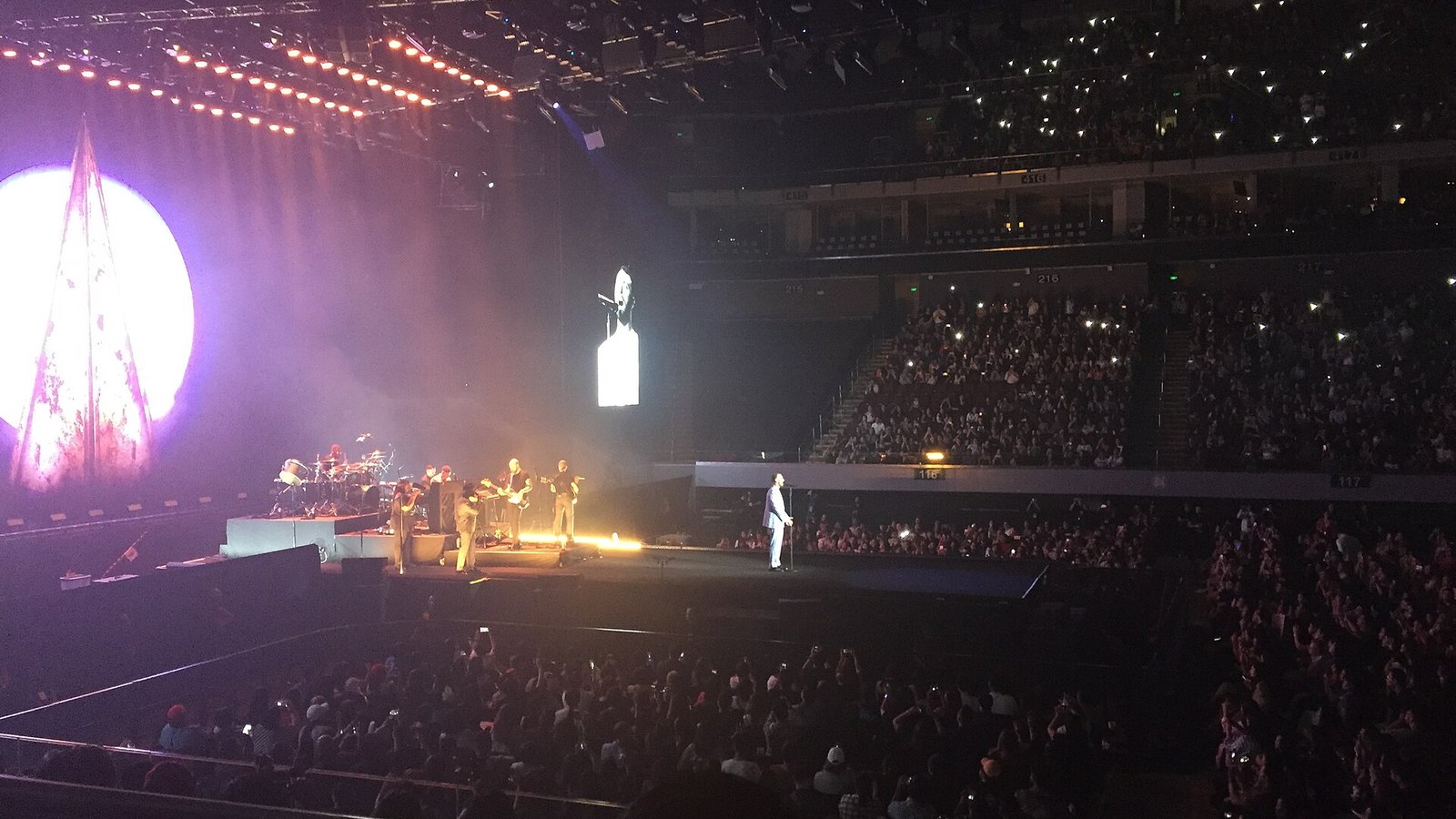
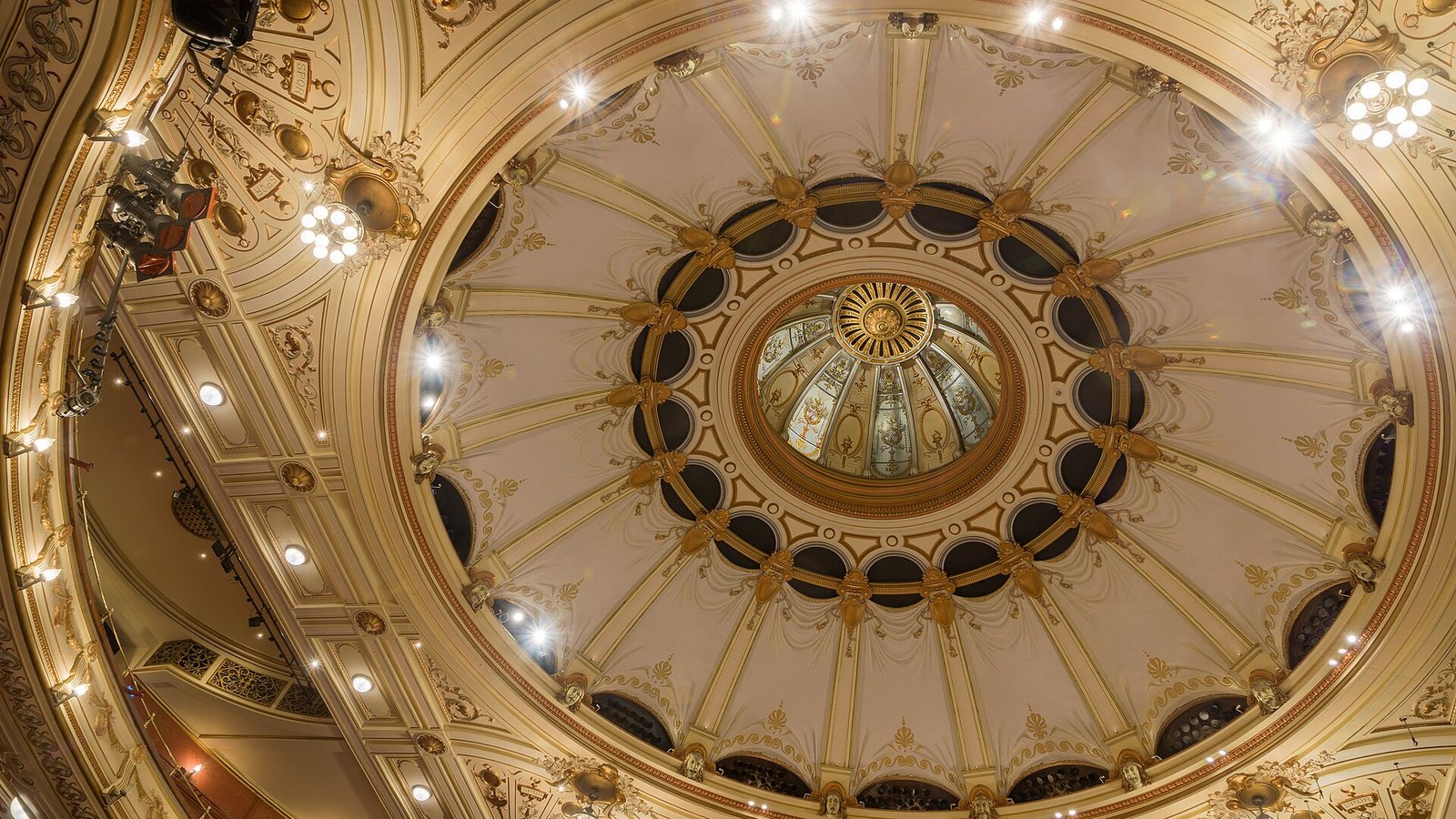
The Coliseum was built in 1904 for variety and later became the home of English National Opera. It was designed for unamplified singing. What that means in practice is that a voice like Smith’s – which is a proper instrument, whatever you think of the songs – doesn’t need to fight the room. Attitude’s review notes that I’m Not the Only One and Too Good at Goodbyes “filled the room easily”, with the verses pulling the crowd into silence. You don’t get silence at an arena. You get 18,000 people filming.
The setlist has been reworked to suit. Unholy, the biggest hit of the last five years, has lost its electronic production and is performed at the piano with backing harmonies. There’s a cover of Rufus and Chaka Khan’s Ain’t Nobody. Hold On from the new record is apparently the emotional peak, and the show closes with Stay With Me, a song Smith has now been singing for twelve years and which still works because the Coliseum can hold a two-thousand-person singalong without turning it to mush.
My brother went on the Saturday. He’s the sort of person who only goes to gigs when someone else buys the ticket, and he came out talking about the acoustics, which I have never heard him do about anything.
The residency is eating the arena tour
There’s a bigger shift here and Smith is only one example of it. Ariana Grande did ten nights at the O2 rather than a stadium. Harry Styles took twelve at Wembley. Fontaines DC’s arena dates went in a morning. The economics have flipped: it’s cheaper to park a production in one building for a fortnight than to truck it around the country, the artist sleeps in the same bed, and the scarcity does the marketing. Eight nights in a 2,359-seat theatre is under 19,000 tickets – one O2 night, spread across twelve days, with every seat a good one.
The Coliseum itself is a case study. ENO has been forced to split its time with Manchester after Arts Council England cut its London funding, and the building needs paying customers. Now You See Me Live, a magic show, held it for a five-week summer season and closed on Sunday 6 September. Two days later Sam Smith moved in. That’s a 122-year-old opera house making its rent from magicians and pop singers, and I don’t think that’s a tragedy. The building sounds better with a singer in it than most things do.
But the shift comes with a cost the London press rarely mentions. A residency model means the country outside the M25 gets a fraction of the dates or none. Manchester got two nights at the Albert Hall, a converted Methodist chapel that holds about 2,000 and sounds, if anything, warmer than the Coliseum – and that was it. Scotland, Wales, the North East, the Midlands – nothing. If you live in Newcastle and want to see this show, you’re paying for a train and a hotel on top of the ticket, at which point the £55 seat costs £250. The arena tour was expensive and impersonal, but it came to you. Residencies are better shows and worse geography, and the BBC filming it is partly an admission of that.
Ten unknowns from 1,500 applicants
One detail that’s easy to skip in the press release: every night of the UK run is opened by an act picked through BBC Introducing. Over 1,500 artists applied, a BBC panel shortlisted them, and Smith made the final call on ten: Nyah Grace, Will Parker, Bradley Jago, Becky Sikasa, Sebastian Schub, Tia Gordon, Taylor Bleu, Josie Oliver, Tamzene and Tyler Lewis. Pop, folk-rock, R&B, neo-soul.
Support slots at pop shows are usually a label favour or a co-manage deal. This is a different thing – an unsigned singer from a regional BBC Introducing hub getting a West End opera house and a BBC camera crew for twenty minutes. Turn up on time. The openers are part of the point.
Is it actually worth the resale price?
Here’s where I’ll disagree with the consensus, which is currently somewhere between “stunning” and “career best”. The show is very good. It isn’t a revelation. Smith has always been a better singer than songwriter, and a stripped-back format exposes that as much as it flatters it: some of the Hazel Eyes material is pleasant rather than memorable, and there’s a stretch in the middle third where the tempo sits at one speed for too long. Nobody needs a 45-minute folk-soul album to also be a 90-minute folk-soul concert without a change of gear.
Against that, Unholy at the piano is a real rethink rather than a gimmick, the choir arrangements on Oh Mother and Hold On land properly in a room with that ceiling, and the closing run is as strong as anything a British pop act is doing live this year. Four stars from Attitude feels right. Five would be fan service.
On price: at face value, £55 to £120 or thereabouts, it’s a clear yes. This is a better night out than an arena at the same money and it isn’t close. On resale above roughly double face, I’d wait for the BBC One broadcast, which was filmed on a Wednesday with a full production crew and will look and sound better than a phone video from the balcony. The Radio 2 highlights on 24 September will give you the sound without the picture, which for this show is most of the point anyway.
And if you’re the sort of person who watches these things on telly and thinks “I should have gone” – the Proms proved this summer that Britain will fill a big room for a good voice at a sane price. The lesson from the Coliseum is that the pop world has finally noticed.
Where Sam Smith goes from here
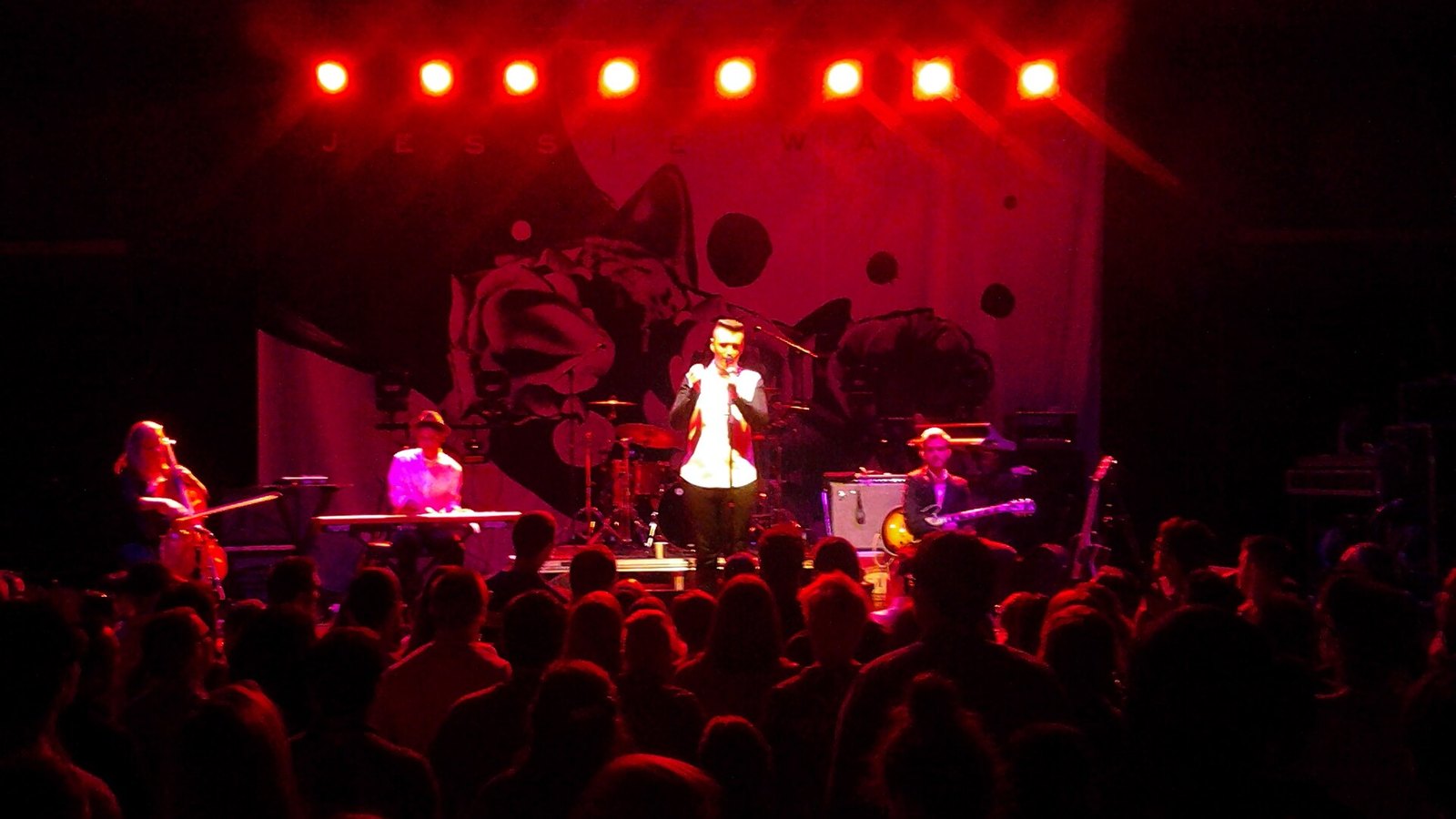
There are no further UK dates announced after 19 September, and given the model, I wouldn’t expect an arena tour to follow. What seems more likely is another residency – Manchester deserved more than two nights, and there are theatres in Glasgow and Birmingham that would sound just as good. Whether Capitol is happy funding a project that sells 4,470 albums and 19,000 theatre tickets is a question for Capitol. From where the audience sits, in a plush seat forty feet from the stage, it looks like the best version of this artist there’s been.
So, four nights left, a BBC broadcast on the way, and a chart position everyone will forget by Christmas. Which would you rather have on your CV: a number one album nobody saw performed, or a number 21 that filled an opera house eight times over?