
Why UK Homes Are Finally Moving On From Cold Minimalism
Spring 2026 has brought a quiet but unmistakeable shift in how we think about our homes. After years of pale walls, empty shelves, and the tyranny of “less is more”, something warmer is taking root. Designers, interiors brands, and homeowners alike are turning away from the sterile aesthetic that dominated the last decade – and reaching instead for something that actually feels lived-in.
In This Article
The end of the all-white room
For a long time, the aspirational British home was defined by its restraint. White walls, concrete surfaces, the absence of colour. Instagram and Pinterest filled up with rooms that looked beautiful but somehow cold – like show homes you couldn’t really inhabit.
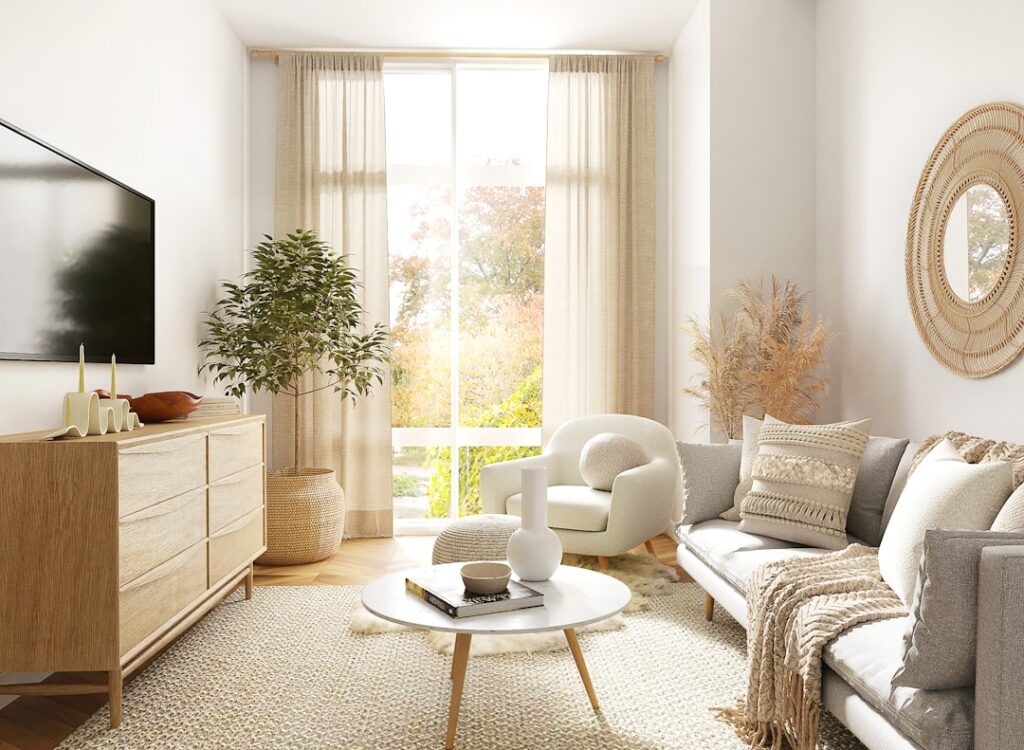
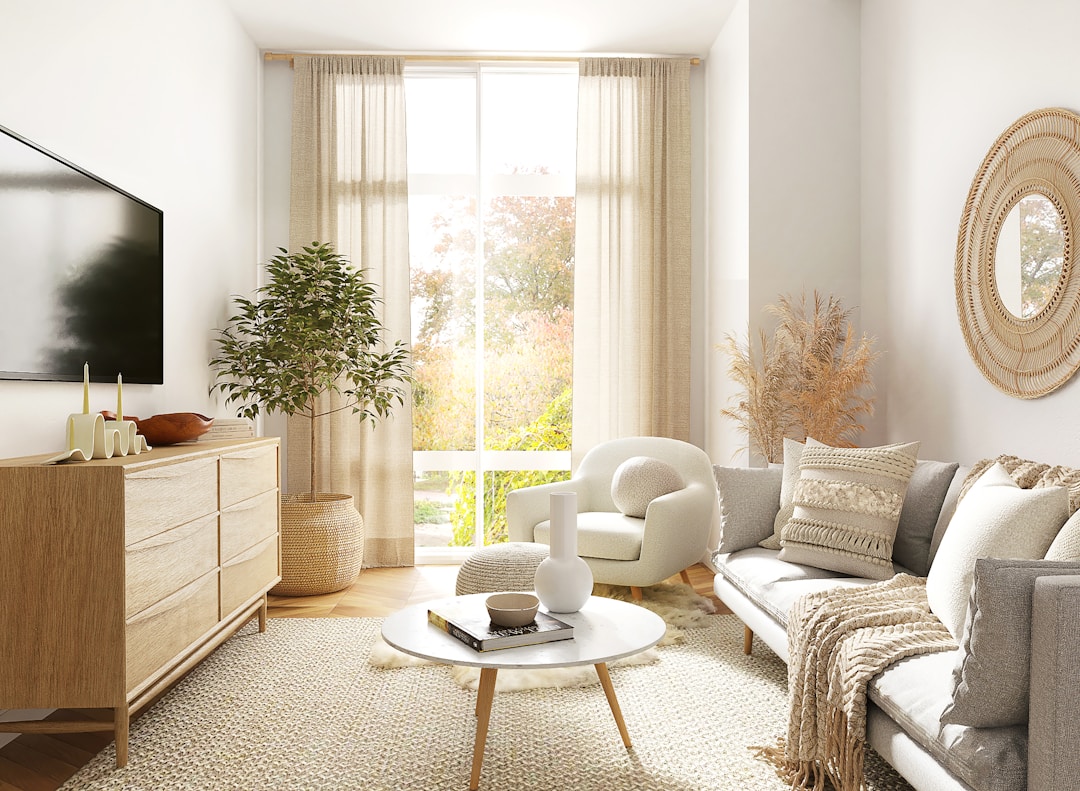
The mood in 2026 is different. The colour palette has shifted decisively toward warmth: terracotta, blush, peach, coral, soft ochre. These aren’t bold statement colours – they’re quiet and enveloping, more about creating atmosphere than making an impact. Think the walls of a Tuscan farmhouse, or the worn patina of old plaster. Warm neutrals are still dominant, but they’ve been softened into cream, stone, muted taupe and gentle greige – tones that feel genuinely cosy rather than simply inoffensive.
Paint brands have responded accordingly. Warm earth tones are outselling cooler greys and blue-whites this season for the first time in years – a reliable signal of where domestic tastes are heading. The shift isn’t sudden or dramatic; it’s the kind of gradual change that feels obvious only once it’s already happened.
Texture over tidiness
Alongside this shift in colour is a renewed interest in texture. Where the minimalist interior relied on smooth, unbroken surfaces, the rooms that feel most compelling in 2026 are layered – combining rattan, wicker, ceramic, aged wood and linen in ways that give depth and interest without looking cluttered.
The principle here isn’t about filling every corner. It’s about choosing fewer, better pieces with genuine material interest. A single well-thrown ceramic vase. A linen throw that’s been washed enough times to go properly soft. A side table in oiled oak rather than flat-pack MDF. The objects in the room should feel like they’ve been gathered over time, not ordered in a single afternoon.
This texture-led approach also explains the renewed enthusiasm for vintage furniture. Pre-loved pieces bring something that new furniture simply can’t replicate – a particular kind of warmth that comes from age and use. Auction houses, charity shops and online resale platforms are all reporting strong interest in mid-century sideboards, Lloyd Loom chairs, and worn leather armchairs. The ideal isn’t a perfectly curated vintage room; it’s the feeling that the pieces arrived there naturally.
Bringing the outside in – without the effort
Spring has always been associated with fresh flowers, and that hasn’t changed. What has changed is how seriously people are taking faux florals. A few years ago, artificial flowers carried a faint stigma – something your nan had on the windowsill. That’s no longer the case.
High-quality faux flowers have improved dramatically, and designers are now styling them generously throughout the home. The point isn’t to deceive anyone; it’s to get the visual warmth of flowers without the constant upkeep. A large vase of faux peonies or dried grasses on a dining table, refreshed seasonally, is now entirely respectable – and for people who don’t have the time or inclination to buy fresh flowers weekly, it’s a practical solution.
Spring wreaths are following a similar path. Once confined to front doors at Christmas, interior wreath styling has become genuinely popular – hung above fireplaces, in hallways, or above a bed. The materials have moved on too, from the dusty dried flowers of the 1990s to considered combinations of eucalyptus, cotton stems and sculptural seed pods.
The return of character
Underneath all of this is something worth naming directly: a growing tiredness with perfection. The interiors that feel most interesting right now are the ones that admit to being inhabited. Books left out. A slightly wonky piece of pottery picked up at a market. Paint on the skirting that’s a slightly different shade to the walls because it was done at a different time.
There’s a real appetite for homes that tell a story rather than just looking good in photographs. Interiors that feel personal rather than aspirational. The question driving decorating decisions in 2026 isn’t “does this look impressive?” but “does this feel right?”
That might mean resisting the urge to replace everything at once. A spring refresh doesn’t require a full renovation – quite often, it means editing what you already have, adding a few carefully chosen new things, and accepting the parts of your home that have their own particular character.
Small changes, real difference
If you’re thinking about updating your home this spring, the good news is that the most effective changes tend to be modest ones. Swapping out cool-toned lighting for warmer bulbs can transform the atmosphere of a room instantly. Replacing a synthetic rug with something in wool or jute introduces both texture and warmth underfoot. Moving furniture away from the walls – a trick interior designers have long championed – makes rooms feel more considered and intimate.
Cushions and throws are obvious levers, but only if you buy fewer of better quality. A single generous linen cushion will do more for a sofa than eight cheap printed ones. And if you’re looking for a more substantial change, painting a single wall, alcove or even a piece of furniture in a warm terracotta or soft cream can shift the whole feeling of a room without the commitment of redecorating everything.
Spring 2026 is, in its own understated way, an invitation to make your home feel more like you. Not the edited, curated version of you that looks good on a phone screen – just you, with all the warmth and imperfection that involves.
For more lifestyle inspiration, see our guides to dopamine kitchen decor and modern living room design ideas.




Pingback: Small-Space Home Office UK 2026: How to Set Up Without a Spare Room - Lifestyle Reviewer