Watching The 2026 World Cup From The UK: Channels, Kick-Off Times And The 2am Problem
At 8pm UK time on Thursday 11 June, Mexico kick off against South Africa at the Estadio Azteca and the first 48-team World Cup begins. For British viewers, it is the strangest tournament in living memory to plan around. There are 104 matches, spread across 16 cities and four North American time zones, and not one of them kicks off at a time chosen with the UK in mind. If you want to watch the World Cup 2026 in the UK, you are signing up for a six-week negotiation between football and sleep. The good news, and it is properly good news, is that every single match is free to air. The bad news is that some of the best ones start when most of Britain is already in bed.
In This Article
- The first World Cup with a time-zone problem this big
- Where to watch the World Cup 2026 in the UK: BBC, ITV and nothing else
- England have been handed the kindest schedule on the board
- Scotland’s draw is brutal, and the best story of the group stage
- The late-night setup question: what is worth changing at home
- Hosting it: the quiet rise of the sober summer screening
- Flying out, and the one thing to sort before you do
- Coming out of this tournament intact
This is a guide to how the next six weeks actually work from a British sofa: who is showing what, when the games fall, why England fans have been quietly handed a gift, why Scotland fans have not, and what is worth changing about your setup at home before the group stage gets serious. None of it requires a subscription. Some of it requires a nap.
The first World Cup with a time-zone problem this big
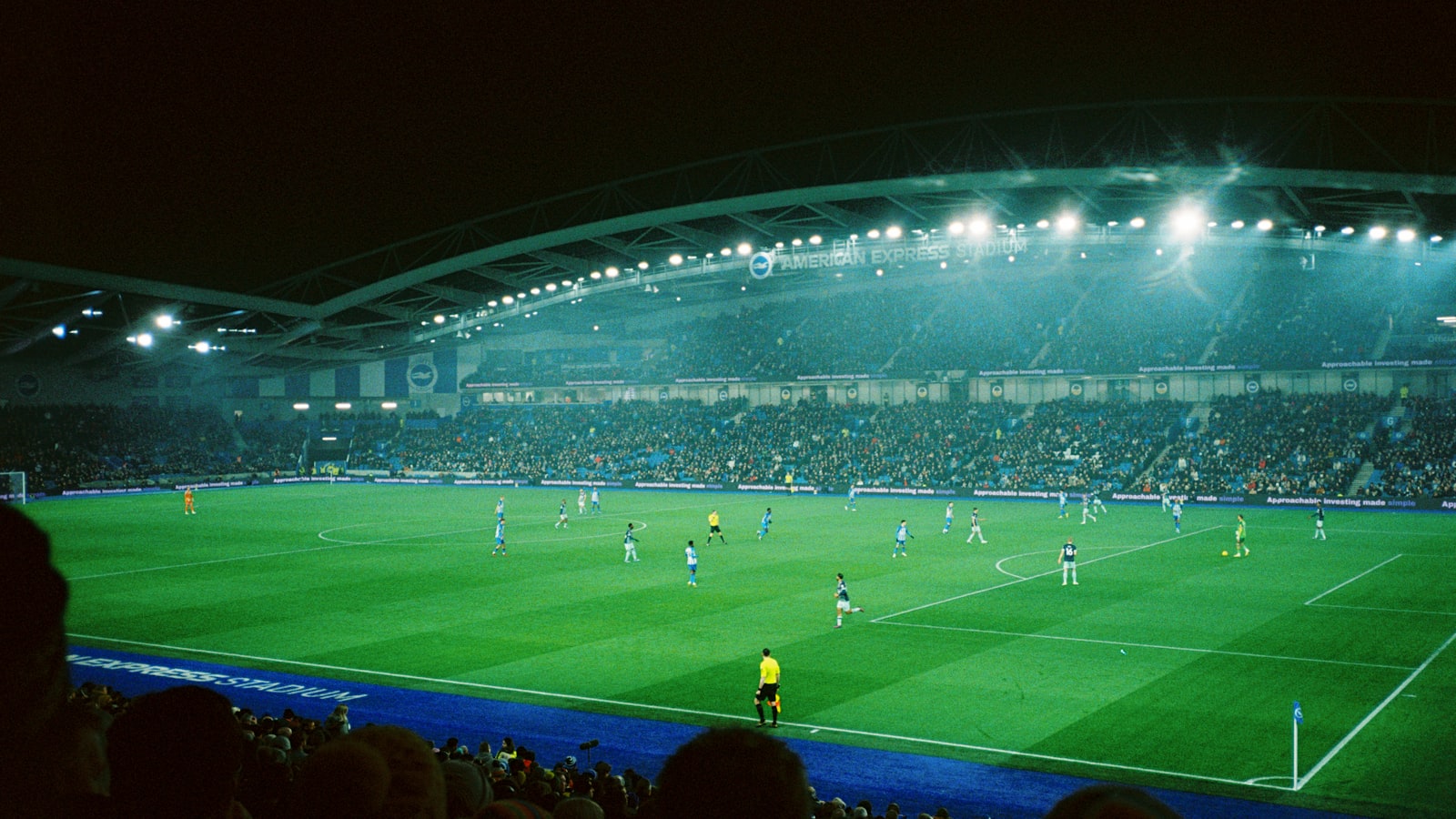
Previous tournaments trained British viewers to expect compromise in one direction. Japan and Korea in 2002 meant 7.30am kick-offs and office sweepstakes settled by lunchtime. Qatar in 2022 was the anomaly, with matches landing neatly in the UK afternoon and evening. The 2026 World Cup in the USA, Canada and Mexico flips everything late. Kick-offs cluster into rough UK bands: 5pm and 6pm for the earliest matches, 8pm and 9pm for the comfortable ones, then 11pm, midnight and 2am for fixtures on the American west coast and late slots in Mexico.
That 2am band is not a rarity to be shrugged off. Al Jazeera’s breakdown of viewing times for Europe makes the scale of it plain: a meaningful slice of the group stage, including some genuinely big fixtures, falls between 11pm and 3am UK time. The knockout rounds improve a little, but anyone planning to watch this tournament properly is going to meet the small hours at some point. The question is not whether you stay up. It is which nights you choose to.
The rhythm of a viewing day takes some learning. On the busiest group-stage dates there are four matches, and the first can kick off while most of the UK is still at work. The 5pm and 6pm games will quietly become the commuter fixtures, caught on phones and in pub corners. The 8pm and 9pm band is the sweet spot, and it is where the schedule-makers have parked most of the marquee group fixtures involving European sides. After that it thins out into the night shift: 11pm kick-offs that end around 1am, and the 2am starts from the west coast that end as the birds start up. By week two, most households will have settled into a personal policy, and the sensible one looks something like evening games as standard, late games by exception.
It helps to be honest about the structure too. With 48 teams and a group stage that now sends 32 sides into the knockouts, the first fortnight contains more genuinely skippable football than any World Cup before it. You do not need to see all 104 matches. Nobody needs to see all 104 matches. Pick your bands, protect your sleep on the dead rubbers, and spend your 2am credits where they count.
Where to watch the World Cup 2026 in the UK: BBC, ITV and nothing else
The rights situation is refreshingly simple. The BBC and ITV share the UK rights, splitting the tournament roughly down the middle: 54 live matches on BBC channels, 51 on the ITV network, with the final on Sunday 19 July shown on both, as tradition demands. Streaming runs through BBC iPlayer and ITVX, and STV carries selected matches in Scotland. There is no paywall anywhere in the chain. In an era when a single Premier League season is sliced across three subscriptions, a free six-week tournament is worth pausing on.
The practical implications are worth knowing. ITV will spread its coverage across ITV1, ITV4 and ITVX, so on multi-match days the second game is sometimes a channel-hop away rather than where you left it. iPlayer and ITVX both run slightly behind live broadcast, which matters more than usual this tournament: if you are streaming a 2am match in a quiet house, a 40-second delay is irrelevant, but for a 9pm England game, next door’s telly will scream before your stream does. Watch the big shared-experience matches on broadcast where you can, and save the apps for the late shift.
And if the tournament has exposed the limits of an ageing telly, our guide to the best TV for sport under £500 covers the sets that handle fast motion without smearing.
Do not overlook radio either. BBC Radio 5 Live and 5 Sports Extra carry live commentary across the tournament, and for the 2am fixtures there is a strong case for the wireless over the telly: a radio commentary in a dark room keeps you in the match without the blue-light insomnia tax, and it has the useful side effect of being the single most considerate way to follow a west coast quarter-final in a shared house. Both broadcasters will also run daily highlights packages, which is how the sensible majority will experience most of the 104 games. There is no prize for watching a goalless group match between two sides you could not place on a map, live, at 1.45am.
England have been handed the kindest schedule on the board
England’s group fixtures are, by the standards of this tournament, a luxury. Croatia on Wednesday 17 June at 9pm on ITV1, Ghana on Tuesday 23 June at 9pm on BBC One, then Panama on Saturday 27 June at 10pm, back on ITV1. Three matches, all in the evening band, none requiring an alarm clock or an awkward conversation with your boss. Sky Sports’ day-by-day breakdown of all 104 fixtures is the page to bookmark for the rest.
A 9pm kick-off does mean a finish nudging 11pm, and later if a knockout match goes the full distance, so the school-night calculus is not entirely free. But compared with what could have happened, England fans have won the draw twice: a navigable group and civilised hours in which to watch it. If Gareth Southgate’s reign taught the nation anything about tournament hope, James Graham dramatised it better than anyone, and the BBC’s Dear England adaptation on iPlayer is the right pre-tournament homework for the evenings before the 17th.
Scotland’s draw is brutal, and the best story of the group stage
Scotland’s first World Cup since 1998 deserved better scheduling. Group C means Brazil, Morocco and Haiti, and the kick-off times are unsentimental: the opener against Haiti lands at 2am UK time on the morning of Sunday 14 June, and both the Morocco and Brazil fixtures kick off at 11pm. Not a single Scotland group game starts before late evening. The romance of the first appearance in 28 years comes with a nation of bleary Mondays attached.
The group itself is the stuff of tartan folklore in the making. Brazil is the fixture every Scotland fan of a certain age has been waiting to re-run since the opening game of France 98, and getting them in the group stage again, 28 years on, feels almost scripted. Morocco arrive as one of the most organised sides in the tournament after their 2022 semi-final run. Haiti are the unknown, which is precisely why the 2am opener is unmissable rather than skippable: first World Cup match in 28 years, against the one team in the group Scotland are expected to beat. No pressure, no sleep.
There is something fitting about it, though. A 2am kick-off against Haiti is exactly the kind of fixture that sorts the committed from the curious, and Scotland supporters have never needed convincing to be inconvenienced for their team. Expect living rooms across Glasgow and Edinburgh lit blue at hours normally reserved for boxing pay-per-views. STV’s free coverage means no one north of the border has an excuse beyond tiredness, which, to be fair, is a real one.
The late-night setup question: what is worth changing at home
Tournament summers are when retailers try hardest to convince Britain it needs a new television. Mostly, it does not. If your current set is less than six or seven years old, the upgrade you would notice during a football match is marginal, and the money is better spent elsewhere or nowhere. The two changes that actually improve late-night tournament viewing are cheaper and less glamorous.
The first is sound, in the opposite direction to usual. The standard advice is to add a soundbar; for a summer of 11pm and 2am kick-offs in terraced houses and flats, the smarter buy is a decent pair of wireless earbuds or headphones so the commentary stays out of the bedroom walls. Our guide to the best wireless earbuds under £100 covers the sensible end of the market, and most current TVs and both broadcasters’ apps make pairing painless. Latency is the one thing to check: cheaper earbuds with noticeable lag turn a shared-room viewing into a lip-sync problem.
What to skip is just as clear. Tournament-branded tat, obviously. A new router, unless yours is genuinely failing, because iPlayer and ITVX streams are modest by modern bandwidth standards and a 2am match is the least congested moment of the internet’s day. And resist the gaming-monitor logic that says lower latency equals better sport: broadcast delay dwarfs anything your screen adds, and football does not need 144Hz. The money saved covers a summer of decent coffee, which this tournament will require.
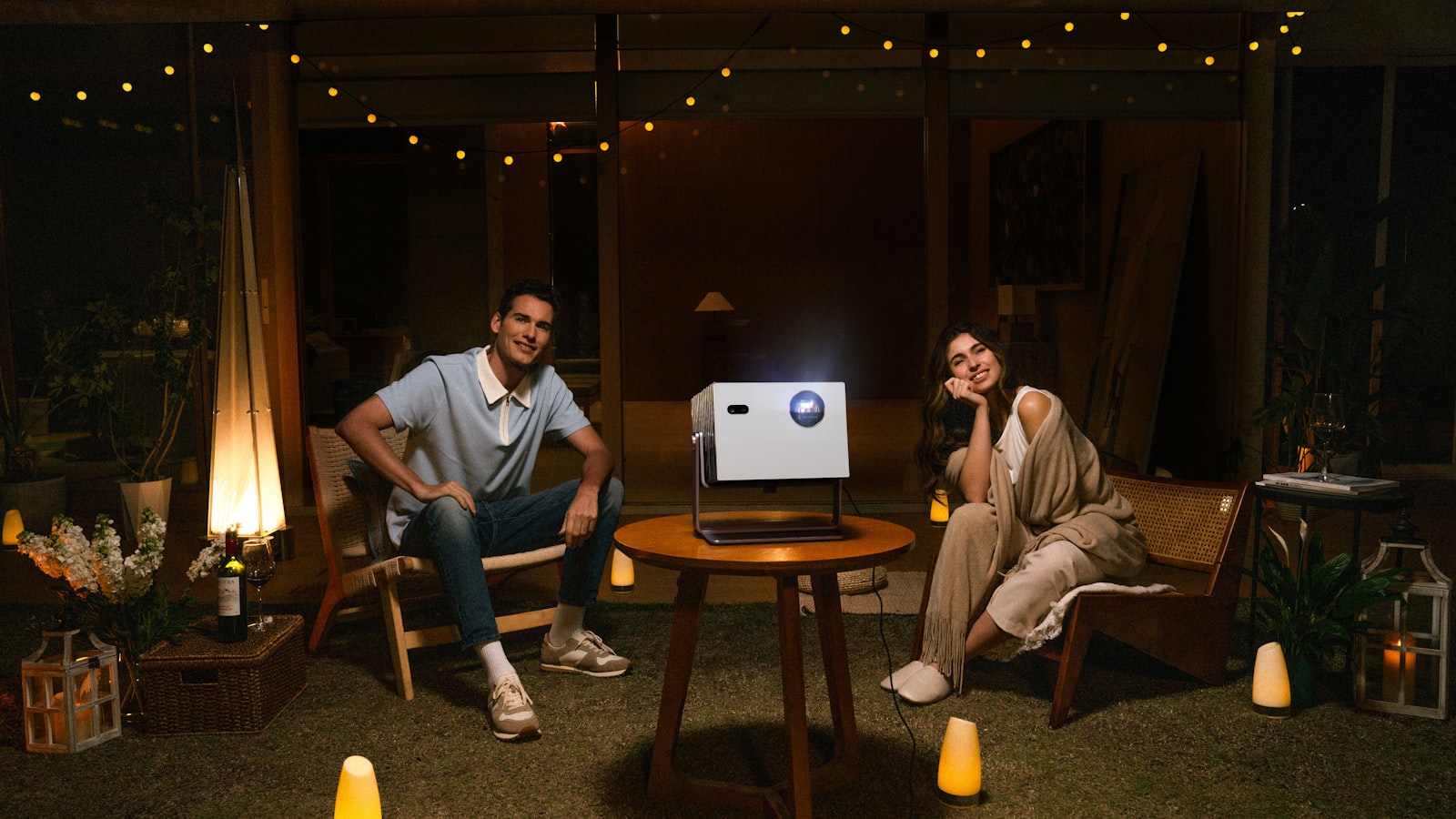
The second is the garden. Evening kick-offs in mid-June, with sunset after 9.20pm in much of the UK, are made for outdoor screenings, and a sub-£200 portable projector is the rare gadget that earns its keep in a single summer. The honest caveats: ambient light before 10pm will wash out cheaper units, so the 8pm games are better indoors and the 11pm games are where a projector becomes magic. Battery models rarely survive a full match plus extra time, so run it off the mains. And check the neighbour relations budget before the Scotland games, because 2am crowd noise travels.
Hosting it: the quiet rise of the sober summer screening
The six-week length of this tournament changes the hosting maths. Nobody can sustain beers-and-takeaway hospitality for 39 nights of group stage, and the timing collides with a real shift in how Britain is drinking this summer. The sober summer movement that has overtaken Dry January in the wellness conversation is going to meet the World Cup head on, and the 2am kick-offs may be the best argument it has ever had. A West Coast quarter-final followed by a 9am meeting is hard enough hydrated.
The hosting itself rewards a lighter touch than the Euros taught us. For a 9pm England game, the full spread makes sense. For an 11pm Scotland match, what works is closer to a cinema model: blankets out, hot drinks, food done before kick-off, and a hard rule that anyone asleep by half-time is left where they lie. The hosts who come out of this tournament with their friendships and energy intact will be the ones who picked four or five fixtures and did them well, rather than running an open-door policy for six weeks. There is no shame in a locked door on a dead rubber between two third-placed hopefuls at midnight.
For the evening matches, the garden screening crowd has one more advantage this year: the electric BBQ that has quietly taken over British balconies and small gardens is a far better fit for football hosting than charcoal ever was. No fire management during the second half, no smoke drifting across the projector beam, and it switches off at full time rather than smouldering until 1am.
Flying out, and the one thing to sort before you do
For the minority actually travelling, the spread of host cities makes this an expensive tournament to follow on the ground, and most UK fans who go will base themselves around one or two fixtures rather than chasing a team across a continent. The single cheapest piece of preparation is sorting data before departure: North American roaming charges remain among the worst value on any UK network, and the eSIM habit British holidaymakers have adopted for Europe works just as well across the Atlantic, usually for a fraction of the daily roaming rate. Buy it at home, install it on wifi, and the stadium-exit map check costs pennies rather than pounds.
Coming out of this tournament intact
A six-week, 104-match World Cup in the wrong time zones asks for a plan, and the plan is rationing. Watch England and Scotland live, whatever the hour, because shared national experiences do not reschedule. Pick two or three of the 11pm fixtures a week that genuinely appeal and let the rest go to the morning highlights, which both the BBC and ITV will run daily. Treat the 2am games as occasions rather than obligations. And accept that by the final on 19 July, shown on both BBC One and ITV1 at once in the great British tradition, you will have strong opinions about a group game you watched half-asleep in a garden under a projector beam.
That is the strange promise of this World Cup for British viewers: maximum football, minimum convenience, zero cost. Which fixture are you actually planning to lose sleep over?